 Qiang Huang
What You'll Find in This Guide
- Why Should Fujian Top Your China Bucket List?
- The 7 Must-See Spots in Fujian: My Personal Favorites
- How Do You Get Around Fujian: Trains, Boats, and Bumper Cars?
- Practical Tips for Visiting Fujian: Money, Phones, and Tickets
- When Should You Visit Fujian? A Seasonal Breakdown
- FAQ: Your Fujian Trip Questions Answered
I remember my first solo trip to Fujian — I nearly gave up when my phone's map led me to a dead end in Xiamen. But that's the thing: Fujian doesn't reveal itself through a screen. You have to let the streets guide you. After guiding dozens of travelers here, I've learned exactly what must see in Fujian truly means.
You see, most visitors follow the same beaten path — and they end up exhausted, confused by ticket kiosks, and overcharged by taxis. The real must see in Fujian are not just the famous sites; they're the experiences hidden in the details: the right time to catch the morning mist over Wuyi Mountain, the back alley that leads to a family-run tulou stay, the ferry that locals use to avoid the tourist crowds on Gulangyu.
Here's my no-nonsense advice: go to Fujian with a flexible plan, embrace the chaos, and remember that the best tips always come from the person who's actually been there — not from a generic listicle. That's why I put together this guide: to save you hours of searching and give you the first-hand knowledge you need to have the trip of a lifetime.
Why Should Fujian Top Your China Bucket List?
Fujian is one of China's most underrated provinces. Its coastline is dotted with islands, its mountains hold ancient monasteries, and its villages hide centuries-old traditions. You get the buzz of cities like Xiamen and Quanzhou, but also the calm of Wuyi Mountain's bamboo forests. The province's cultural wealth is recognised on a global level — the UNESCO World Heritage Centre lists the Fujian Tulou as a site of outstanding universal value, and the Wuyi Mountains as a natural and cultural anomaly. So if you're deciding between a trip to Beijing or Shanghai, consider Fujian for a truly diverse experience.
The 7 Must-See Spots in Fujian: My Personal Favorites
Over years of leading tours, I've narrowed down the essential sights that leave a lasting impression. Here they are, with exact practical details so you can hit the ground running.
1. Gulangyu Island: A Car-Free Dream (But Not Without Caveats)
Gulangyu is a pedestrian-only island off the coast of Xiamen — but before you imagine a peaceful paradise, know that it can get brutally crowded. The island's colonial architecture and piano museum are charming, but the real magic happens early in the morning. Arrive on the first ferry from Xiamen's International Cruise Terminal (around 7:10 AM) — you'll have the narrow lanes almost to yourself. Ferries run every 20 minutes, and the cost is about 35–50 CNY round-trip (foreigner-friendly, but you'll need your passport to book online through Trip.com or the WeChat mini-program). Most foreign visitors skip the official app because it's in Chinese — I advise asking your hotel's front desk to book it for you. Give yourself at least half a day to wander, and pack light because there are zero cars and plenty of stairs.
Pro Tip: Arrive at the International Cruise Terminal, not the local ferry point — locals use it and it's faster. Also, don't buy the ferry ticket from touts on the street; always use the official counter or the QR code at the terminal.
2. Wuyi Mountains: The Bamboo Raft Ride You Can't Miss
Wuyi Mountains in Nanping are a UNESCO World Heritage site that will become the highlight of your Fujian trip. The must-do activity here is the nine-bend bamboo raft ride (九曲溪竹筏). It takes about 90 minutes and costs around 130 CNY per person. The rafts leave from Xingcun Town, and slots sell out fast in peak season — book through the official website (www.china-railway.com? no, better to use Trip.com) or ask your hotel. The best time to go is early April or November, when the misty peaks are dramatic and the crowds thin. And here's a pro tip: tip your boatman 20–30 CNY and he'll row slower, letting you soak in the scenery without rush. Don't forget a waterproof jacket — the spray from the river can be refreshing but cold.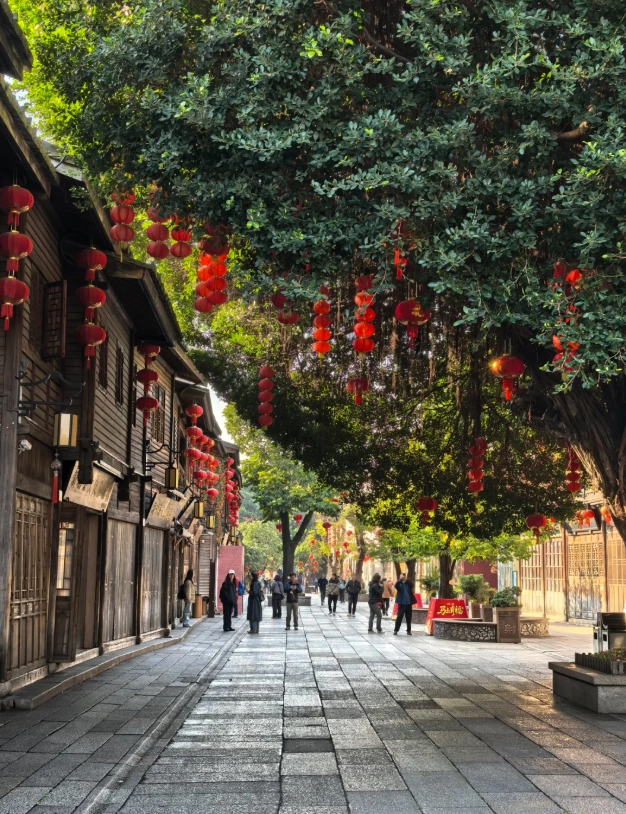
3. Fujian Tulou: Sleep Inside a UNESCO Fortress
The Fujian Tulou are massive earthen buildings from the 12th century that resemble round fortresses, and they're exactly what you need if you want to experience authentic village life. The two main clusters are Yongding and Nanjing, but I always send travelers to Nanjing's Chuxi Tulou, where you can stay overnight in a family-owned tulou. The guesthouses are basic (shared bathroom, thin walls) but the hospitality is gold. Entry fee for the Nanjing Tulou scenic area is around 90–100 CNY, and it includes a shuttle bus. To get there by public transport, take a high-speed train to Nanjing County, then a local bus to the scenic area — your guesthouse host can help you arrange pickup for a small fee. If you only have one day, the easiest option is a guided day tour from Xiamen, which usually costs 300–500 CNY all-in.
4. Quanzhou: The Ancient Port That Changed History
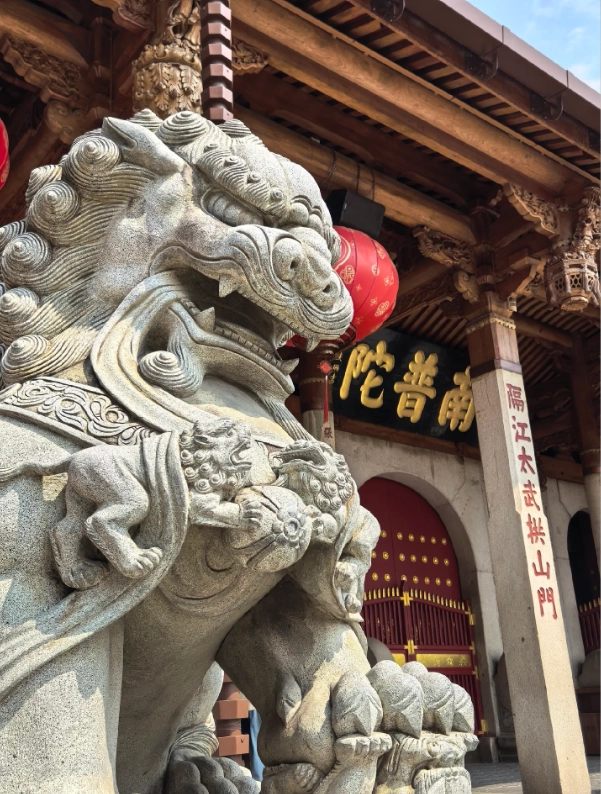
Quanzhou was once the world's largest port and one of the starting points of the Maritime Silk Road — today it's a living museum. The old town is walkable, and you can't miss the Kaiyuan Temple, which has been standing since the 7th century. Unlike many tourist traps, Quanzhou's entry fees are modest (most are around 15–30 CNY). The important thing here is to grab a food map before you go — the street food in Quanzhou is legendary, and the shacha (satay) noodles are a must-try. Get lost in the alleyways around the Southern Shaolin Temple. This city rewards slow exploration.
5. Fuzhou's Three Lanes and Seven Alleys: A Walk Through Time
The "Sanfang Qixiang" historical district in Fujian's capital is a grid of three lanes and seven alleys that dates back to the Tang dynasty. It's free to enter, but some of the old mansions require a ticket (around 30–50 CNY). The area is impeccably restored, and at night the lanterns cast a golden glow over the white walls. It's the perfect place for a quiet evening stroll after a day of travel. But be warned — on weekends, it gets packed with both local and foreign tourists, so go late morning on a weekday.
6. Pingtan Island: Where the Sea Meets the Sky
Pingtan Island is a stunning volcanic isle with black-sand beaches, dramatic basalt cliffs, and windmills that look like they've escaped a sci-fi film. It's an easy half-day trip from Fuzhou — the high-speed rail from Fuzhou to Pingtan takes about 30 minutes. The island is famous for its seafood and clear water, so bring a swimsuit if the weather is warm. The best spot for photos is the "Immortal's Well" area, where waves crash against rock formations. The island's infrastructure is still developing — don't expect plastic-covered English signs. Rent an e-bike (about 50 CNY per day) and follow the coastal path. Give yourself a full day to cover the highlights.
7. Taining Danxia: Colorful Cliffs and Secret Lakes
Taining County in Sanming is home to a lesser-known Danxia landform — a landscape of ochre and red sandstone peaks that looks like something from another planet. Unlike Zhangye's multi-colored Danxia (which is in Gansu), Taining's version is greener and includes a lake where you can take a slow boat ride. The main scenic area costs about 100 CNY and includes a shuttle. Getting here is a bit of a mission: take a high-speed train to Sanming North, then a long bus ride to Taining. But if you want to escape the crowds entirely, this is your place. My advice is to join a small group tour from Fuzhou that handles the logistics — you'll thank me for saving you the three-hour bus ride.
How Do You Get Around Fujian: Trains, Boats, and Bumper Cars?
Fujian's transport network is surprisingly efficient, but there are a few tricks I've learned after many hair-raising rides. Your best bet for intercity travel is the high-speed rail — it connects all major cities. I always recommend the China Railway official site for ticket booking, but here's the catch: the international version is notoriously user-unfriendly. Instead, use the Trip.com app (which adds a small fee but saves you frustration). For local buses, bring small change — drivers don't care about your change. And never rely on Google Maps for navigation; it's unreliable in China. Download the "AMap" (Gaode) app and make sure to set it to English. If you're stuck using Apple Maps, that also works better than Google.
Here's a quick comparison of transport options between top Fujian destinations:
| Route | Fastest Way | Travel Time | Approx. Cost | Best For |
|---|---|---|---|---|
| Xiamen → Nanping (Wuyi) | High-speed train | 3-4 hours | 200–300 CNY | Morning start |
| Nanping → Nanjing Tulou | Bus + transfer | 3-4 hours | 80–100 CNY | Scenic drive |
| Xiamen → Quanzhou | High-speed train | 30-40 min | 30–50 CNY | Day trip |
| Fuzhou → Pingtan | High-speed train | 30-40 min | 40 CNY | Island escapade |
Practical Tips for Visiting Fujian: Money, Phones, and Tickets
Before you pack, there are a few pain points every foreign visitor hits. First, payment: expect that most vendors only accept Alipay or WeChat Pay. Credit cards are rarely accepted outside major hotels. To set up Alipay, link your international Visa or Mastercard — the process is quick, and you can use it even without a Chinese bank account. For entrance tickets, avoid purchasing at the ticket booth if you find the queue long. Instead, book ahead via Trip.com or Klook, both of which accept international cards. And always carry your passport — it's required for entry to many scenic areas and to collect tickets.
Second, internet: China blocks Google, Facebook, and many other services. You'll need a VPN before you land — I use Astrill, but there are dozens. Download offline maps in Apple Maps or AMap, and get a translation app like Baidu Translate or Apple's built-in translator. It sounds obvious, but don't underestimate how challenging it is to order food without pictures.
And finally, scams: like many touristy places, Fujian has its share of 'helpful' locals offering to guide you for a fee. Always check that the person is an official, licensed guide. Use metered taxis or ride-hailing apps like Didi, which show the price before you confirm. For a seamless entry into China, check the latest visa requirements with the National Immigration Administration — the rules change, so don't rely on rumors.
When Should You Visit Fujian? A Seasonal Breakdown
Fujian has a subtropical climate, but the best months to visit are March to May and September to November. Summers are hot, sticky, and prone to typhoons — not ideal for hiking or island hopping. Winters are mild but can get chilly, especially up in the Wuyi Mountains. If you can, aim for April or October: the foliage is vibrant, and the temperature sits around 20–25°C, perfect for exploring.
If you're planning a spring trip, watch out for the endless drizzle known as 'plum rain' (May–June). Pack a light rain jacket. In autumn, the skies are clear, which creates perfect photo opportunities for the Danxia landscapes and the rice terraces near the Tulou. Whatever season you choose, avoid the Golden Week holidays (first week of October) and Chinese New Year — every scenic area becomes a sea of people.
FAQ: Your Fujian Trip Questions Answered
My Honest Final Take: What to Skip in Fujian
Not everything in Fujian deserves your time and money. If you're pressed for time, you can skip the Xiamen University campus — the crowds are horrible and the 'best' photos are overhyped. Similarly, the beach at Huandao Lu in Xiamen is not worth the detour unless you need to escape the heat. Instead, invest your energy in Quanzhou's old streets and Pingtan's dramatic coast. And always remember: the journey matters more than the checklist. Slow down, taste some oyster pancakes, and let the mountains adjust your sense of time.
Verified and fact-checked by the editorial team.







No comments yet.