 Hua Sun
Rain on Binhai Road. That's my first memory of Dalian as a tour guide. Eight soaked travelers, all laughing, all snapping photos of the waves crashing against the rocks. Then the clouds broke, and the sea turned a shade of jade I still can't describe. That moment sold me on this city. So let's talk about the must see in Dalian without the fluff. I'm not going to list every pagoda or shopping mall. Instead, I'll walk you through the places that actually made my clients gasp — plus the practical hacks that saved them from wasted time and money.
Below, you'll find my honest takes on the top attractions, how to navigate them without pitfalls, and the answers to the questions I hear most from travelers.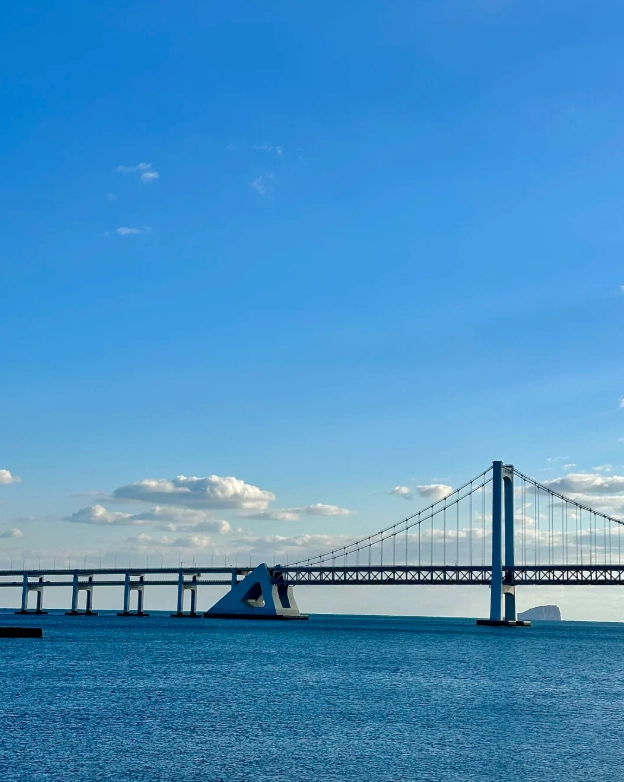
Why Dalian Deserves a Spot on Your China Itinerary
Nestled at the southern tip of the Liaodong Peninsula, Dalian is a harbor city with a personality shaped by Russian and Japanese colonial influences. Its architecture ranges from neo-Classical train stations to wooden Japanese mansions, but the main event is the coastline. Over 30 kilometers of winding roads, pebble beaches, and cliffs meet the Yellow Sea in a way that feels almost Mediterranean. For international travelers, Dalian offers a slice of urban China that's less frantic than Beijing or Shanghai — but just as fascinating.
The True Must-See Attractions in Dalian
Here's a quick comparison of the must-see spots. Keep it as a reference:
| Attraction | Admission | Open Hours | Best Way to Get There |
|---|---|---|---|
| Binhai Road | Free | Always open | Taxi / bus 2, 5 |
| Xinghai Square | Free | 24/7 | Metro Line 1, exit D |
| Bangchui Island | Varies by season | ~8am–6pm | Bus 712 / taxi |
| Fisherman's Wharf | Free | Always open | Taxi from downtown (~15 min) |
| Laohutan Ocean Park | Paid (official site) | ~8:30am–5pm | Bus 2 / taxi |
Binhai Road — The Ocean Drive You Can't Miss
The 30-kilometer Binhai Road is the spine of Dalian's scenic beauty. It runs from Xinghai Bay in the west to the small pier at Donggang in the east, but the most scenic stretch is between Xinghai Square and Laohutan. You can drive, bike, or walk sections — but I always push my clients to bike. Rental stands cluster near Xinghai Square, and a basic bike costs about ¥30 for the day. The route has steep climbs and fast downhills, so pace yourself.
Here is the catch: the road is popular with tour buses, especially between 10am and 4pm. To avoid the crowds, start before 8am. You'll have the cliffs almost to yourself, and the morning light makes the water glow. If you don't want to bike the whole thing, take bus 2 or a taxi to the 'Yaguan' bridge viewpoint, then walk west.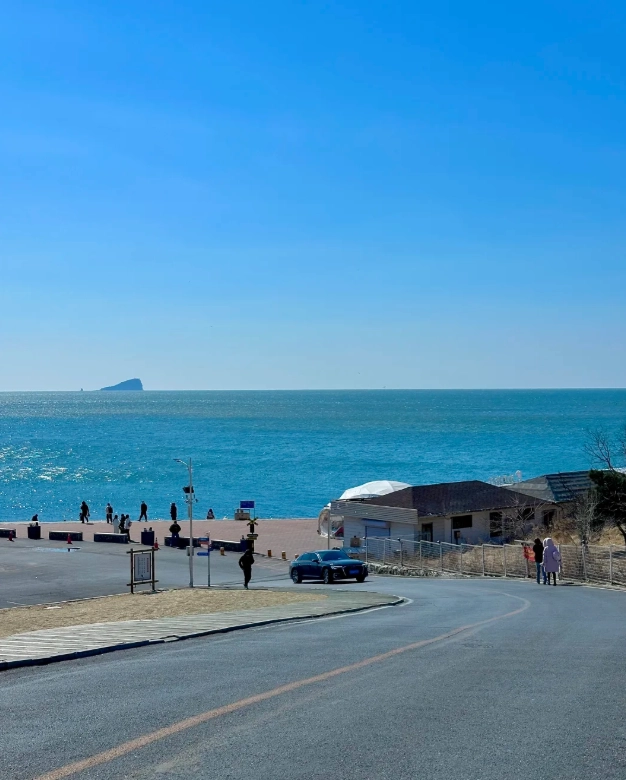
Pro Tip: The public toilets along the road are few and often locked. Use the facilities at Xinghai Square before you start.
Xinghai Square — More Than Open Space
Xinghai Square is one of Asia's largest public squares, but it's more than open space. Built on reclaimed land, it features a massive marble-columned amphitheater, a 100-meter bronze footprint trail, and a giant sliding-scale sculpture. Locals use it for kite flying, rollerblading, and casual evening hangs. Come at sunset when the sky turns pink behind the skyline. Then stay for the musical fountain shows around 7pm (schedule varies). To get there, take Metro Line 1 to Xinghai Square Station, Exit D, and walk five minutes.
Insider Advice: Avoid the 'UFO cafe' on the square — it looks cute but the coffee is terrible.
Bangchui Island — A Nature Escape
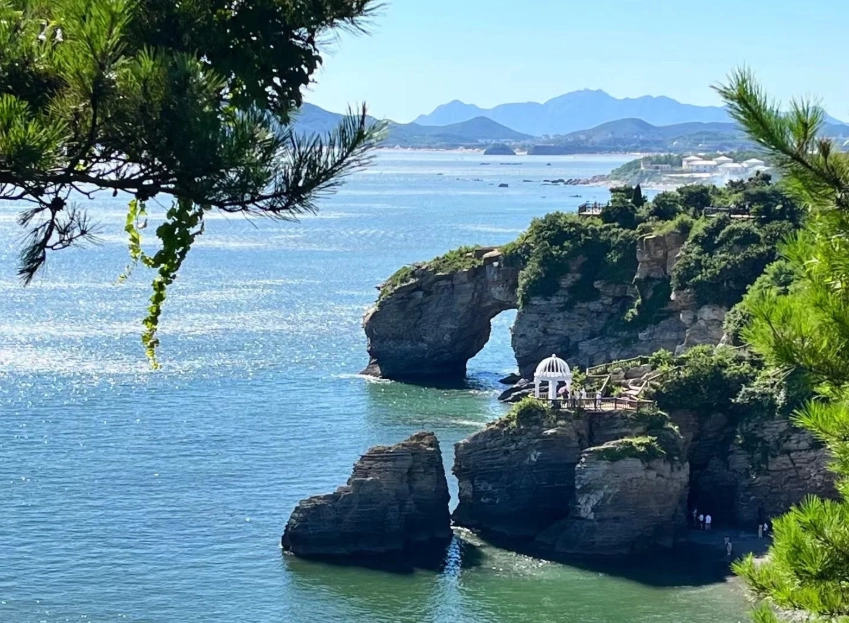
Bangchui Island faces an island that looks like an ancient mallet, and the scenic area around it is a favorite escape. The pebble beach is nicer than you expect, but bring water shoes — the stones are sharp. The entrance fee is modest but fluctuates with the season; check Trip.com for current pricing. You can't actually set foot on the island itself, which is protected for seabirds. Instead, take a stroll along the coastal path east of the beach — it offers solitude and killer views. Getting there is tricky: bus 712 drops you at the foot of the hill, then it's a 15-minute walk up. A taxi from downtown costs around ¥45 and pulls right to the gate. But note: taxis are scarce after 5pm, so either hire one for the return or arrange a ride-hailing car in advance.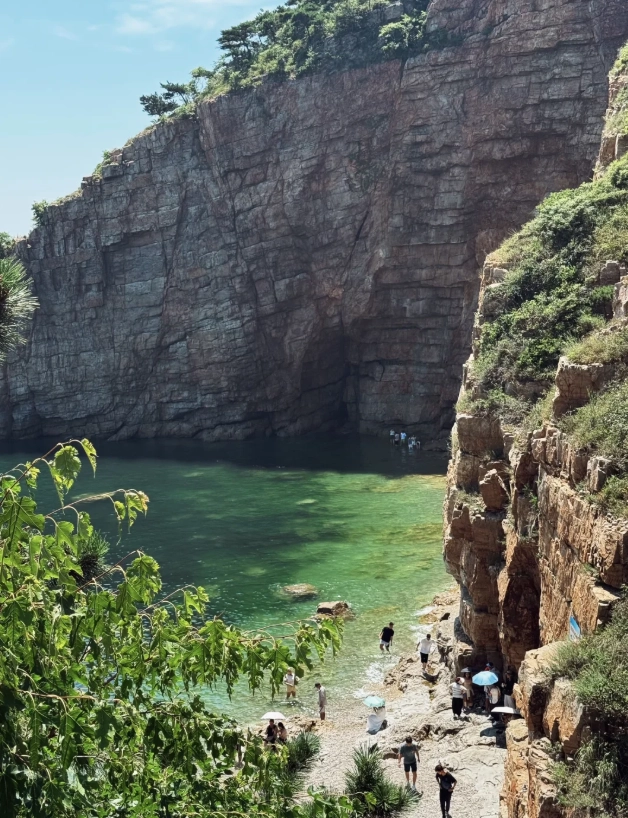
Fisherman's Wharf — Photogenic Harbor Vibe
Fisherman's Wharf is a man-made harbor with pastel-colored houses, fishing boats, and an instantly photogenic atmosphere. It's designed to look like a European village, and it works — until the crowds arrive. The best time is late afternoon, when the tour groups thin out and the seafood stalls fire up. You can buy fresh shellfish from the docks and have them cooked at a nearby restaurant for a small fee. But beware of tourist-trap prices. Walk two blocks north to Jianshe Street for local eateries where the same crab costs half as much. The wharf is about a 15-minute taxi ride from central Dalian, or a direct bus from the rail station.
Laohutan Ocean Park — A Full-Day Attraction
Laohutan Ocean Park is a full-day attraction that combines an aquarium, polar exhibit, and a theme park. It's fun, but it's not budget-friendly. If you've seen large aquariums elsewhere, you might be underwhelmed. The highlights are the polar bear pool and the dolphin show, but the crowds can be brutal. Arrive at 8:30am when gates open to get a decent parking spot and beat the school groups. The park also includes a cable car that skims above the bay — worth the extra ticket. Set aside at least four hours.
Pro Tip: Don't waste money on the 'fast pass' — the line times are manageable outside of Chinese holidays.
Honest Take: Russian Street (You Can Skip It)
Russian Street at E'luosi Fengqing Jie is a pedestrian strip lined with souvenir stalls and food carts. It's not terrible, but it's generic. Unless you need fridge magnets or a fur hat, give it a miss. For real historical atmosphere, hop on the metro to Lüshun (H2), 40 minutes southwest. There, the old Russian district has weathered buildings and no hawkers.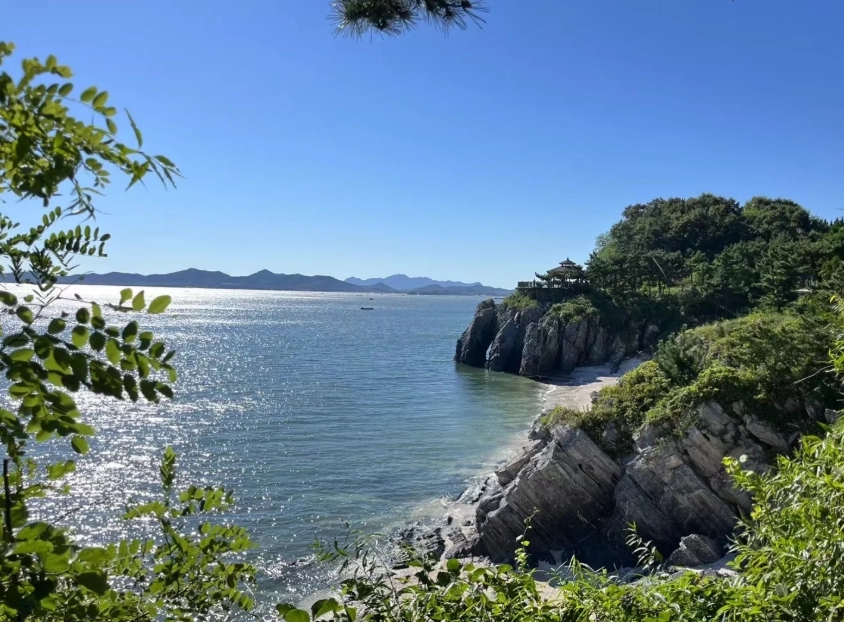
How to Get Around Dalian Without Losing Your Mind
Getting around Dalian is easy if you understand the quirks. The city has a metro (Line 1 and Line 2) that covers most of the central area and reaches the airport. Ticket machines accept cash and QR codes, but for the simplest experience, buy a card or use the China e-ticket app in Alipay. Buses are cheap (¥1–2) but routes are hard to read in English. Taxis start around ¥10, but here's the thing: drivers rarely speak English. Always have your destination written in Chinese on your phone. For ride-hailing, use Didi; it works with Alipay and lets you avoid language barriers. Remember, Google Maps is unreliable in China — download Amap (Apple Maps uses it) or Meituan for transit directions.
If you're arriving by high-speed rail, book tickets through the official 12306 website or the app. The station is connected to Metro Line 1. For visa and entry queries, the National Immigration Administration is the authoritative source.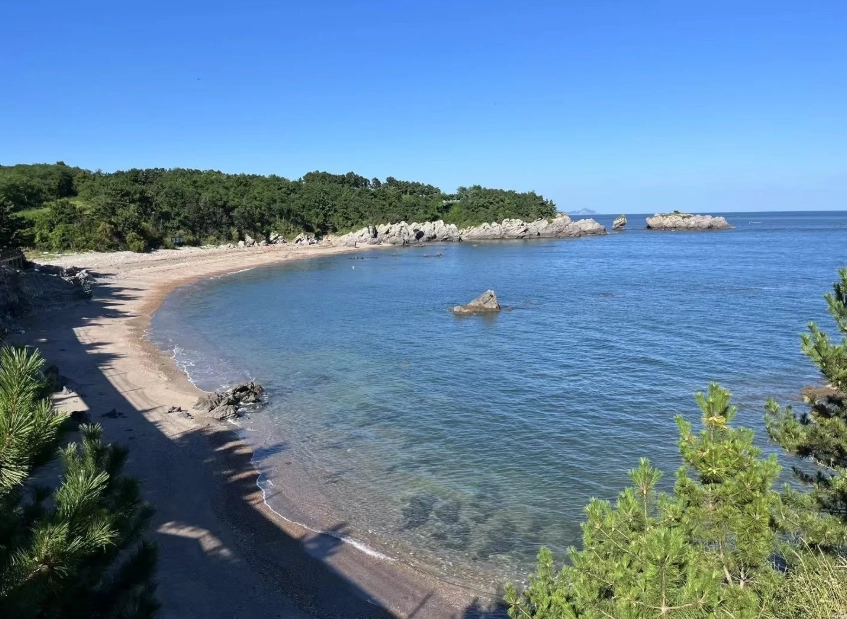
Where to Eat Near the Sights: Local Favorites
When you're sandwiched between sights, you need fuel. Here's what I'd eat:
- At Xinghai Square, skip the restaurants facing the square. Walk to the backstreet named 'Tonghai Street' — there's a small family-run place known for haixian mian (seafood noodles). You'll see locals queuing with stools; it's a good sign.
- Near Binhai Road's rental stands, grab fresh grilled corn and stinky tofu from vendors. They're safe and cheap.
- For a sit-down meal, try a Chinese-style hotpot restaurant called 'Dalian Hongyun' on Zhongshan Road — but expect to wait 20 minutes at peak. (Or simply follow the crowd: any venue packed with local eaters is a winner.)
FAQ: Traveler Questions About Dalian, Answered
Verified and fact-checked by the editorial team. Prices and schedules may change; always confirm on official channels.







No comments yet.