 Peng Gao
What's Inside This Guide
Uyghur skewers sizzle, naan bakes against clay walls, and the air smells of cumin and smoke. If that's not worth flying 3,000 miles for, I don't know what is. But here's the catch: what to eat in Xinjiang baffles even seasoned travelers. Most guidebooks point you to the tourist traps serving lukewarm rice, while the real feasts hide behind unmarked doors. I've spent years navigating these alleys, and I'm about to show you exactly where to find the good stuff.
The golden rule? Never eat at a restaurant with a menu in five languages. Instead, head to the Grand Bazaar's back stalls where locals grab lunch. And remember—carry small bills; not every vendor accepts cards. Now, let me walk you through everything, from the must-try dishes to the payment tricks that save you from embarrassment.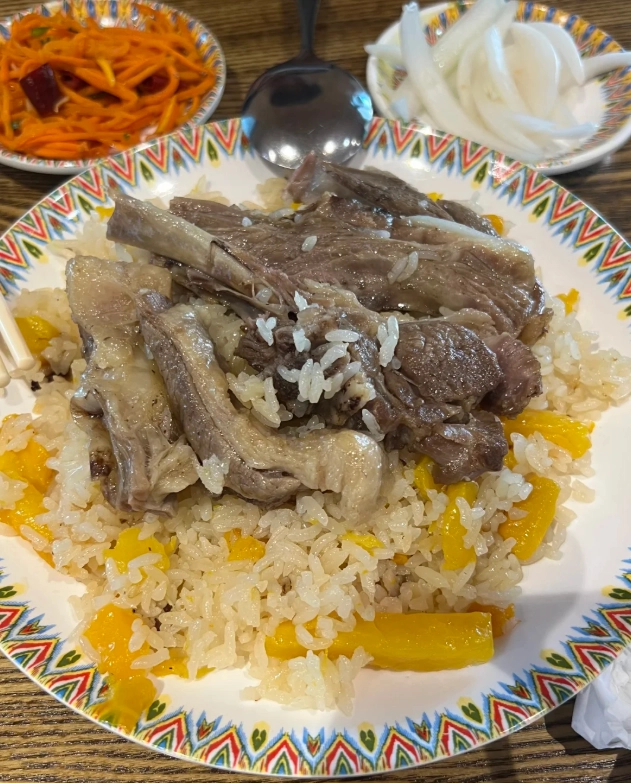
Why Xinjiang Food Is Different: The Uyghur Flavor Profile
Xinjiang sits at the crossroads of the ancient Silk Road, and its food mirrors that history. Uyghur cuisine—the dominant style here—is a bold marriage of Central Asian and Chinese flavors. Think kebabs, hand-pulled noodles, and lamb cooked over open flames. The flavor palette leans heavily on cumin, chili, garlic, and lamb fat. It's richer and smokier than anything you'll find in eastern China.
Unlike Cantonese or Sichuan food, Xinjiang dishes rarely rely on soy sauce or fermented pastes. Instead, you get skewers seasoned with salt and spice, served straight from the grill. The naan here isn't the fluffy Indian kind—it's a thick, chewy flatbread baked against the walls of a tandoor oven. If you're coming from a western food background, you'll find a lot that feels familiar.
The Silk Road, now recognized as a major cultural route by the World Tourism Organization, shaped Xinjiang's ingredients and techniques. Merchants brought spices from Persia, noodles from China proper, and cooking methods from Central Asia—the result is a cuisine that feels both exotic and comforting.
Must-Try Dishes in Xinjiang: What to Order Like a Local
These are the non-negotiables. I've broken them down into what to expect on the plate, how much to pay, and where to find the best versions.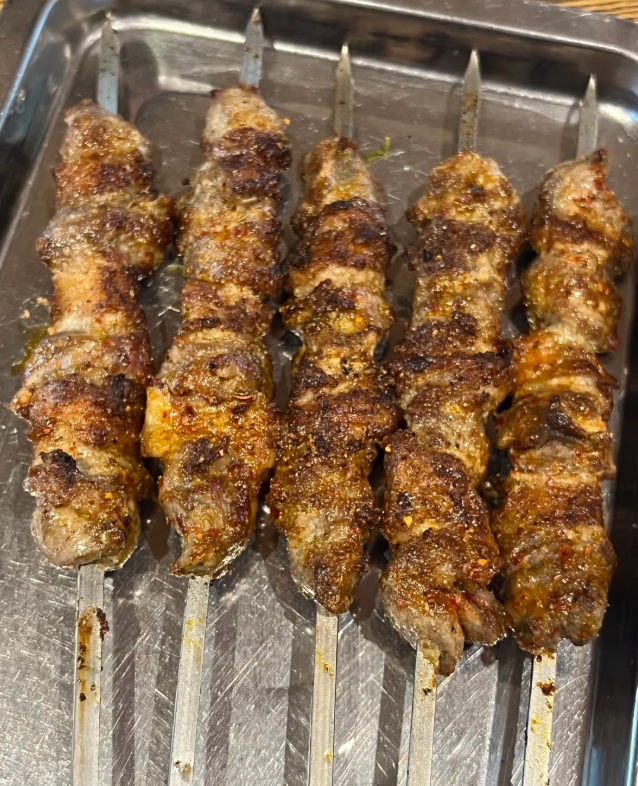
Lagman — Hand-Pulled Noodles
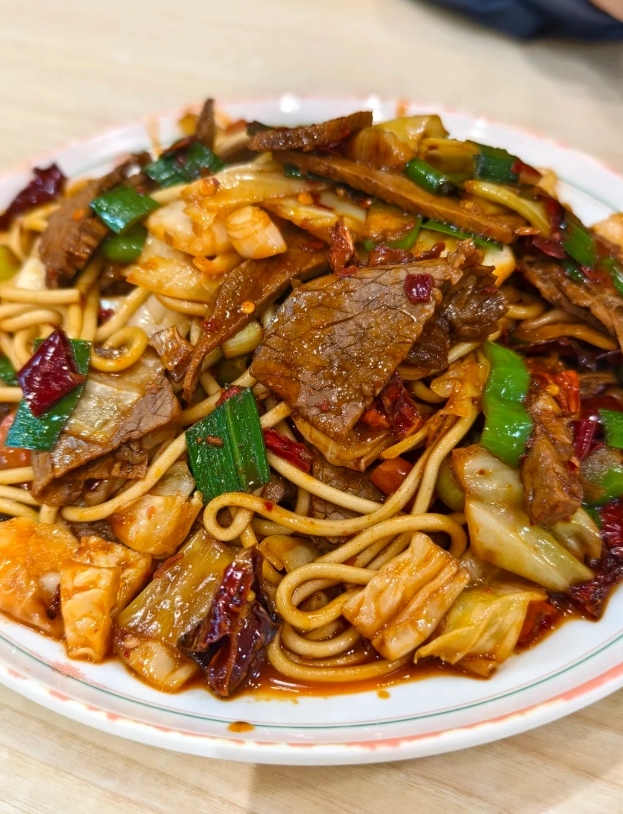
Lagman is the ultimate comfort food: thick, chewy noodles topped with stir-fried beef, green peppers, and tomato sauce. The sauce is slightly sour and a little sweet—a perfect contrast to the smoky grilled meat you'll have alongside. At local joints, a bowl runs between 15 and 25 RMB. You'll find the best versions in tiny family-run places in Urumqi's old town.
Kawap — Charred Lamb Skewers
Kawap is Xinjiang's most famous export: chunks of lamb marinated with cumin and chili, grilled over charcoal. Each skewer costs 5–10 RMB. The trick is to order them slightly charred—that's where the smoky flavor lives. Near the Grand Bazaar, vendors fire these up from morning till night. Go for the stall with the longest queue, it's always a good sign.
Samsa — Baked Lamb Buns
The samsa is a flaky pastry pocket filled with minced lamb, onions, and pepper, baked in a tandoor. It's a portable snack that's eaten for breakfast or a quick lunch. A single samsa is 3–5 RMB. Look for the ones that are golden-brown and still steaming—they're the freshest. I always tell my clients to grab a few extra before a long train ride.
Polo — Lamb Pilaf
Polo is Xinjiang's answer to biryani: fragrant rice cooked with chunks of lamb, carrots, and raisins. It's often flavored with cumin and saffron-like spices. A hearty plate costs 20–35 RMB. At lunch spots, the pot is often empty by 2 PM, so arrive early. The best places are usually shopfronts with large woks visible from the street.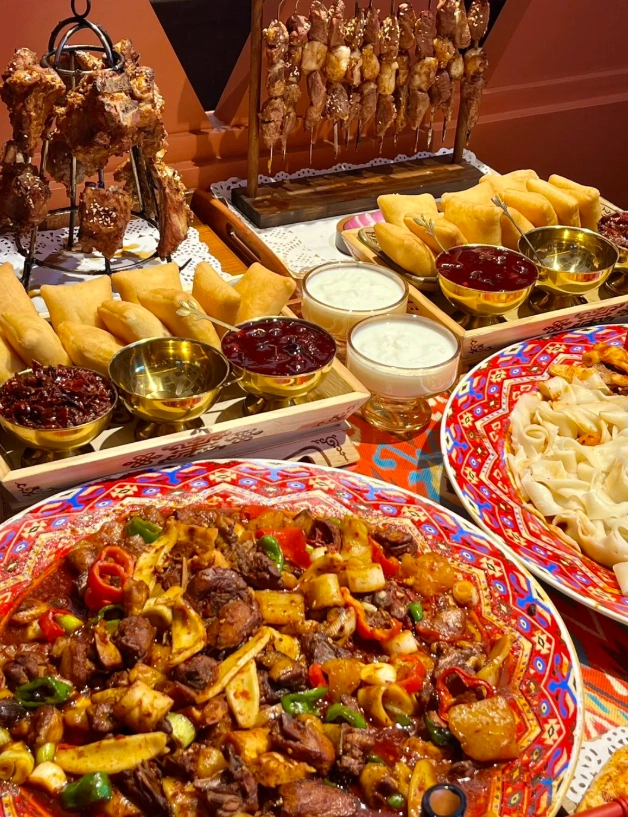
Dapanji — Big Plate Chicken
Dapanji combines chicken, potatoes, onions, and peppers in a spicy, numbing sauce served over wide noodles. It's a feast meant for sharing—a whole plate for 60–80 RMB that will easily feed three people. This is one of the few dishes that blends Sichuan peppercorn with Xinjiang's lamb-centric style. Every local restaurant has its own version, but the ones near university campuses tend to be both cheap and generous.
How Can You Eat Like a Local in Xinjiang? (Avoid These Traps)
The biggest mistake tourists make is heading to a restaurant that advertises 'genuine Uyghur cuisine' in English. That's a red flag. The real spots don't need English menus or glossy photos. Follow these rules instead:
- Choose busy places: If the tables are full of locals, you're in the right place. Avoid empty restaurants at peak hours.
- Watch what others order: When you see a dish that looks fantastic, just point at it and say 'that one'. Smiling goes a long way.
- Use your hands for bread: Naan and samsa are meant to be eaten with hands. Don't wait for forks.
- Drink tea with your meal: A pot of jasmine or local black tea costs 5–10 RMB and helps cut through the richness.
And here's a warning: never trust a restaurant that offers a 'combo menu' with pictures of every dish. In my experience, those places cater to tour groups and the food quality drops. Better to walk an extra block to where the locals queue.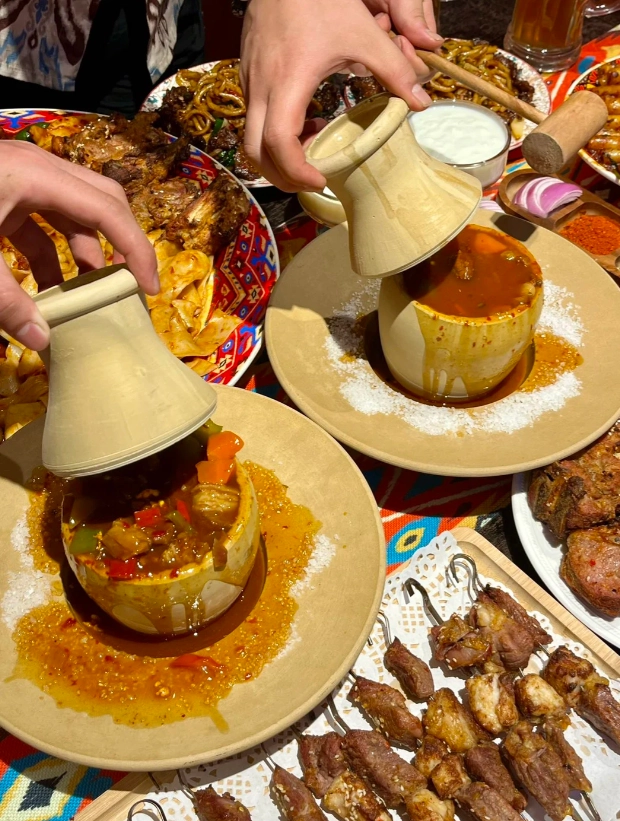
Pro Tip: When ordering kebabs, say 'la wei' if you want it spicy, and 'bu la' if you don't. Most vendors will automatically default to a mild heat level for foreigners, but adding a little chili is part of the fun.
Best Restaurants and Markets in Xinjiang: Where to Eat and How to Pay
The heart of Xinjiang's food scene is the Grand Bazaar in Urumqi, but you'll also find gems in Kashgar and Turpan. Here are my go-to spots, along with the payment realities you need to know.
| Place | Specialty | Price Range (RMB) | When to Go |
|---|---|---|---|
| Grand Bazaar (Urumqi) | Kebabs, samsa, grapes | 50–100 per person | Evenings after 6 PM |
| Kashgar Old City | Polo, fresh dairy, street bread | 30–80 per person | Mornings before 11 AM |
| Turpan Grape Valley Market | Grapes, melons, chilli-dried lamb | 20–50 per person | Mid-afternoon |
Now, about payment: cash is still king in Xinjiang's smaller eateries. Many stalls don't have card machines, and international credit cards often won't work anyway. Once you have a Chinese mobile payment app (Alipay or WeChat Pay) set up, you're golden—but always carry 200–300 RMB in small bills as a backup. Many vendors are happy to accept Alipay and WeChat from foreign accounts.
For navigation, skip Google Maps (it's notoriously inaccurate in China). Instead, use Apple Maps or the global version of AMap (also known as Gaode). I always type in the Chinese name and then show it to taxi drivers. If you're planning to hop from Urumqi to Kashgar, book your train tickets on the official China Railway (12306) website.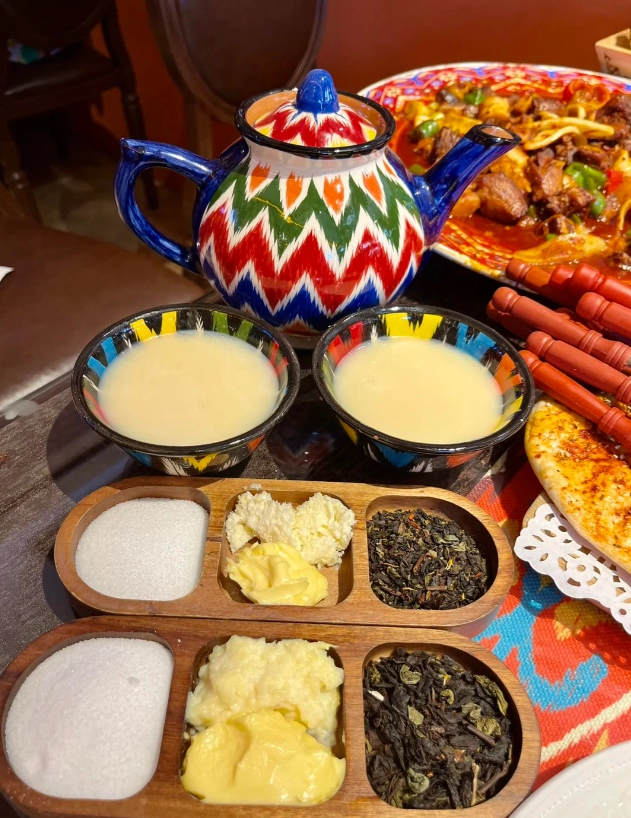
What to Drink in Xinjiang: Traditional Beverages You'll Love
One of my favorite parts of a Xinjiang meal is the drinks. Start with a pot of local black tea, which is sweetened with rock sugar and served in small bowls. For something refreshing, order a cold glass of dog-eared style yogurt called 'airan'—it's tangy and salty, perfect after spicy kebabs. If you're visiting in summer, try the fresh pomegranate juice squeezed right in front of you; it's outrageously sweet.
- Black tea: Usually 5–15 RMB per pot.
- Airan (salty yogurt): Around 8–15 RMB per glass.
- Fresh pomegranate juice: 15–25 RMB per cup.
One thing to note: don't be surprised if your tea is accompanied by a dish of raisins or almonds. It's a local tradition to pair tea with dried fruit.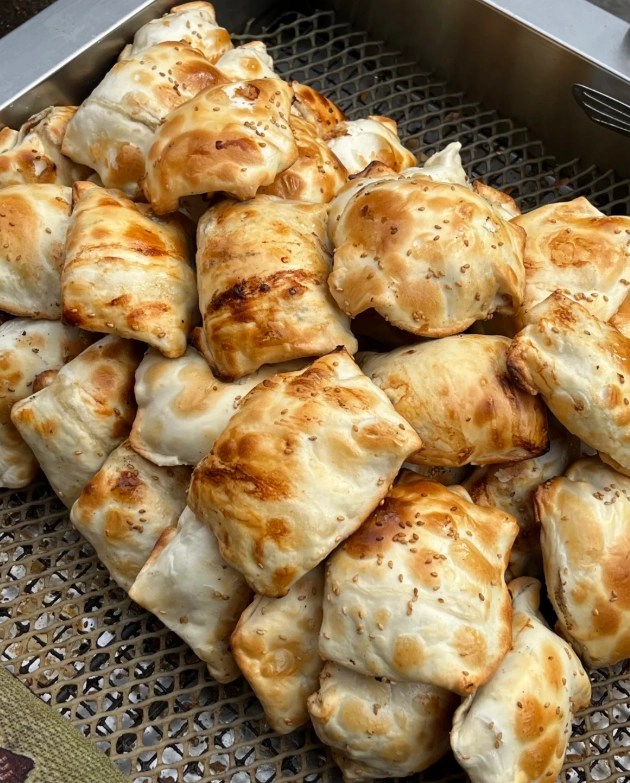
What Can You Eat in 24 Hours in Xinjiang? A Urumqi Food Rush
You've only got one day in Urumqi? Here's the perfect food-excursion timeline. I've designed this assuming you start at 8 AM and want to taste as much as possible without running yourself ragged.
- 8:00 AM — Naan and samsa at the Grand Bazaar: The bazaar gates open around 10 AM, but the side streets start filling with food carts from 8. Grab a few samsa and a piece of naan for breakfast. It'll cost under 10 RMB. Then walk to the nearby People's Park to eat while watching old men fly kites.
- 10:30 AM — Hit the bazaar's main food hall: By now the stalls are in full swing. Order a lamb skewer and a glass of airan. Walk slowly—you'll need to pace yourself.
- 12:30 PM — Lunch: Lagman at a local noodle joint: Walk 15 minutes from the bazaar to the bustling Yinchuan Road market. At a tiny shop with blue plastic stools, order a bowl of hand-pulled lagman. It's around 20 RMB and the flavor is unbeatable. If it's summer, add a side of sliced tomatoes and cucumber.
- 2:00 PM — Afternoon tea break: Take a Didi (China's Uber) to the Hongshan Park area, about 15 minutes away. Find a teahouse serving Xinjiang black tea and order a plate of dried fruit. Relax for half an hour.
- 5:30 PM — Early dinner: Polo at a lagman house: Head back to the city center, but this time for polo. I always recommend the stall at the entrance of the North Market; it sells out by 7 PM. Order the 'lamb shank polo' if you see it—cliché but delicious.
- 8:00 PM — Late-night street food near University Circle: As night falls, students crowd the food stalls around Xinjiang University. Here you'll find unusual snacks like lamb stomach rolls and spicy tofu. A light snack costs 10–20 RMB. Grab some grilled apricots for the journey home.
If you have extra time, swap the afternoon for a visit to the Xinjiang Regional Museum (free, closes at 5 PM) to see the famous mummies—it's an easy walk from the tea house.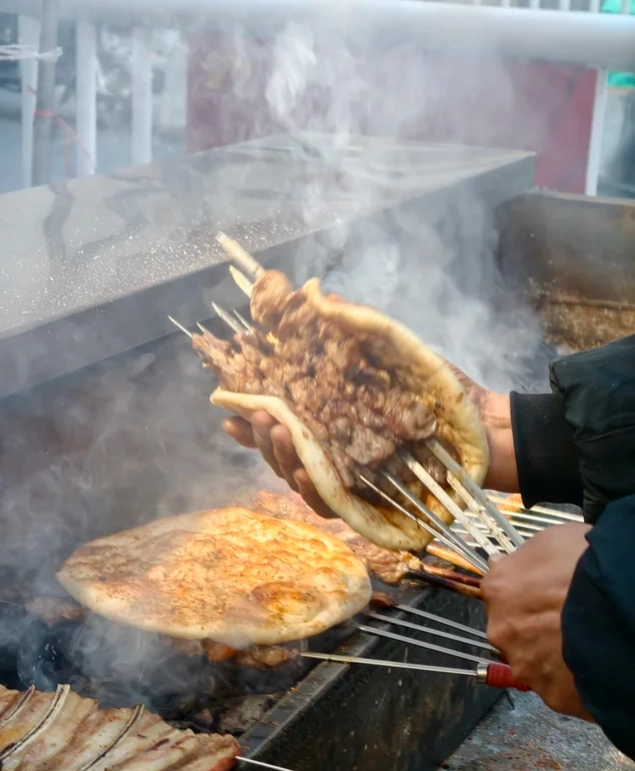
Is Xinjiang Food Safe for Foreigners? Practical Safety Tips
In short: yes, Xinjiang food is generally safe, provided you use common sense. The main risks are cross-contamination in some street stalls and the region's legendary spice levels. Here's how to avoid trouble:
- Drink only bottled or boiled water. Tap water isn't safe for visitors.
- Check that meat is well-cooked. Kebabs should be charred all the way through. If you see pink in the middle, ask for more grilling.
- Be cautious with dairy. Local fresh milk is rich and stays fresh only a few hours. If it smells off, don't risk it.
- Carry personal wipes or hand sanitizer. Many stalls don't have sinks.
You should also know that Xinjiang has a strong police presence and strict security checks. Always keep your passport on you—it's mandatory for all domestic travel. For the latest entry and exit regulations, check the official site of the National Immigration Administration.
Frequently Asked Questions: What to Eat in Xinjiang
Verified and fact-checked by the editorial team.





No comments yet.