 Bo Wu
Bo Wu
Jump to Section
Let me be blunt: you can see Datong's crown jewel Yungang Grottoes in one hectic day, but you'll miss everything else that makes this city special. After guiding dozens of foreign travelers through Shanxi, I always tell them to book at least 2 nights—ideally 3 if you want to escape the typical tour bus crowd and wander the old town like a local. Now let me break down exactly how many days to spend in Datong based on your travel style.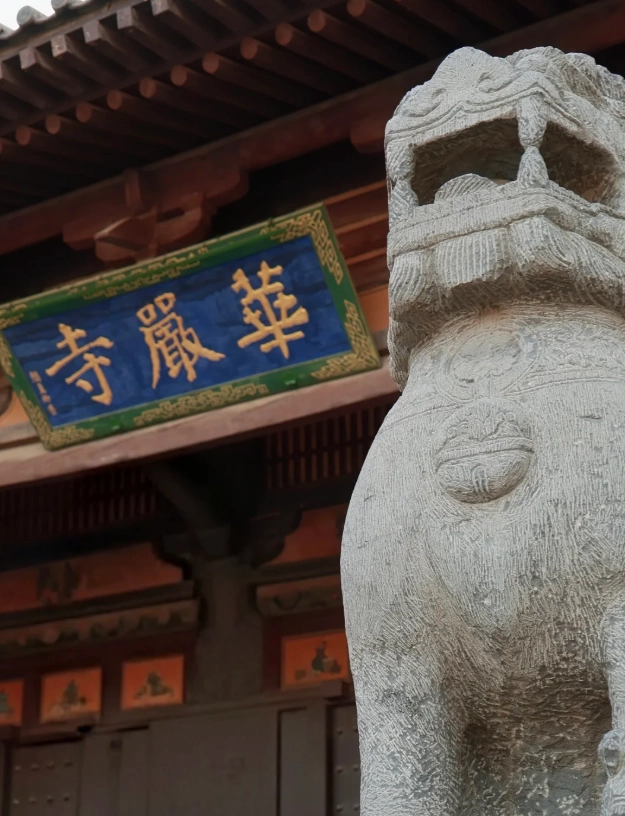
How Many Days in Datong Do You Really Need?
Here is the quick answer: most independent travelers feel satisfied with two full days. One day is technically possible for the grottoes alone, but you'd be racing against the clock. Three days gives you breathing room to see nearby wonders like the Hanging Temple and Yingxian Wooden Pagoda without rushing back.
Let me put it in perspective with a quick comparison table:
| Duration | Best For | What You Can See | Main Downside |
|---|---|---|---|
| 1 Day | Transit stopover or ultra-tight schedule | Yungang Grottoes plus a quick night view of the city wall | Rushed, no time for old town temples |
| 2 Days | Most leisure travelers | Yungang Grottoes, Huayan Temple, Shanhua Temple, city wall | You'll have to skip Hanging Temple and Wooden Pagoda |
| 3 Days | History buffs, photographers, architecture lovers | All of the above + Hanging Temple & Yingxian Wooden Pagoda | Requires more time and a bit of logistics |
Notice how the sweet spot falls between 2 and 3 days. If you only remember one thing: two days is the minimum to get a genuine feel for Datong. Anything less and you're just ticking boxes.
The Perfect 2-Day Datong Itinerary
Now, let's get practical. I've refined this plan after many trips with clients. It's designed to minimize backtracking and beat the crowds.
Day 1: Yungang Grottoes and the Old Town
Start your day early—really early. I know you're on vacation, but trust me, arriving at the grottoes by 8:00 am makes a massive difference. The tour groups start rolling in around 9:30. From Datong city center, a taxi or Didi ride takes about 30–40 minutes and will cost around 50 RMB. Alternatively, you can take bus route 3, but it's slower and less comfortable.
Yungang Grottoes is rightfully the star of the show. Plan to spend 3–4 hours here. The site stretches over 1 km, with 45 major caves. The huge open-air statue at Cave 20 is the one that will haunt your dreams. Don't make the mistake of rushing through the first caves—they're equally stunning, especially the intricate carvings in Caves 5 and 6. I always tell my clients to hire the audio guide or bring the official app for context; the silent stones won't explain themselves.
Ticket price is around 120 RMB (subject to change), and you must book in advance using your passport. The easiest way for foreigners is through Trip.com or the official WeChat mini-program. Heads up: the latter is entirely in Chinese, so if that feels overwhelming, just use Trip.com and double-check that your passport number matches. For historical context, you can explore the UNESCO World Heritage listing of Yungang Grottoes.
After your grottoes fix, head back to town. Grab lunch at a local noodle shop—Datong rich-flavored beef noodles are a must. Then walk over to Huayan Temple, one of the largest and best-preserved Buddhist temples in China. It's a quiet masterpiece of Liao dynasty architecture. Give it around 1.5 hours.
As the sun dips, take a stroll on the Datong City Wall. The old town is enclosed by a massive defensive wall that's free to explore. I love watching the locals do their evening tai chi here. The south gate is the most photogenic at dusk.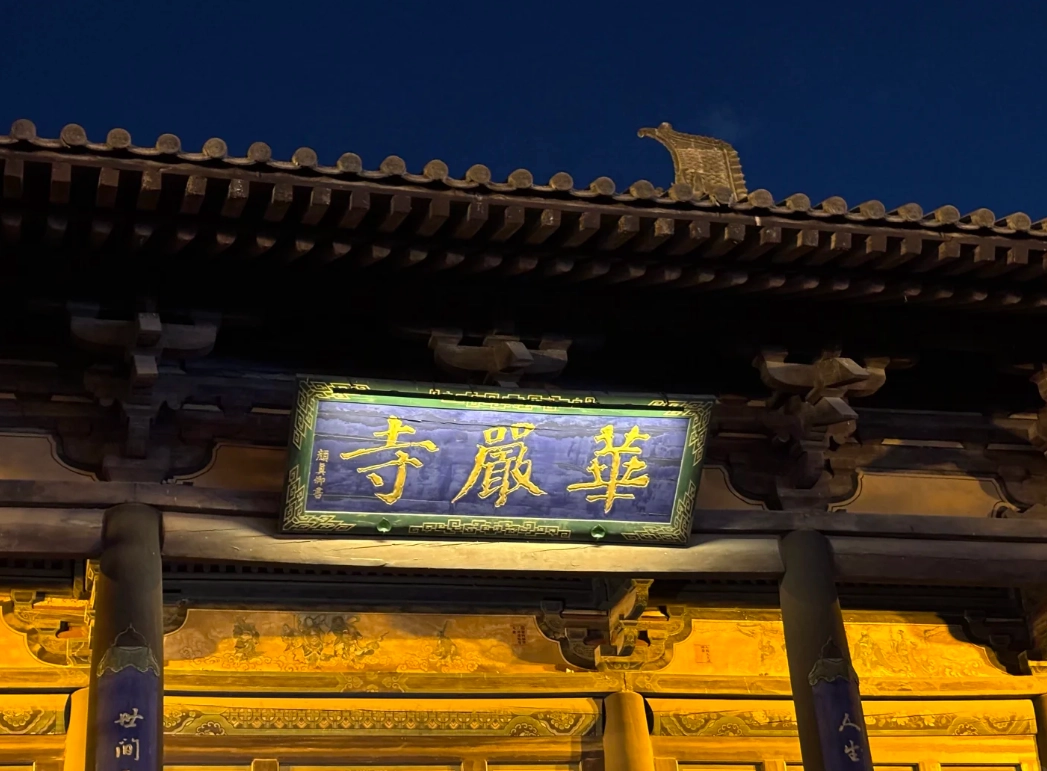
Day 2: Ancient Temples and City Walls
Today is all about slower vibes and hidden gems. Start with Shanhua Temple—many tourists skip it because it's not as loud as Huayan, but that's exactly why I love it. You'll likely have entire halls to yourself. The Liao-era statues are stunning, and the atmosphere is more contemplative. Give it about an hour.
Next, make your way to the Nine Dragon Wall just a few blocks away. It's a 600-year-old glazed ceramic screen, free to view from the outside. Honestly, a 20-minute photo stop is enough.
If you're into slightly offbeat spots, consider the Datong Museum in the new city. It's free, modern, and gives excellent context to the region's history. It's about 15 minutes from the old town by taxi.
For lunch, try a local restaurant serving Shanxi sliced noodles, or "daoxiaomian". I always end up at a small place called Dongguan Noodle Shop (just ask your hotel), but honestly, any busy shop with locals is a win.
In the afternoon, climb back onto the city wall for a leisurely bike ride. You can rent a bicycle and pedal the full loop—it takes about 45 minutes and gives you fantastic views over the old town's grey rooftops.
Adding a Third Day: Is It Worth It?
Yes, if you're a history fan or photographer, absolutely yes. The third day typically means a day trip to the famous Hanging Temple and the Yingxian Wooden Pagoda. Both are about 1.5 to 2 hours from Datong city, so you'll need a hire car or a joint tour. Prices for a private driver run around 400–500 RMB for the day.
Hanging Temple is a dizzying structure clinging to a cliff face—it looks like something out of a wuxia movie. The Wooden Pagoda, on the other hand, is the oldest and tallest wooden pagoda in China, and it's a masterpiece of engineering without a single nail. Dedicate at least 5 hours to see both comfortably.
Here's the catch: there's a bit of logistics involved. You can rent a car from your hotel, or use a ride-hailing app for a whole-day booking. The seats aren't always comfortable, but the journey is scenic and well worth it.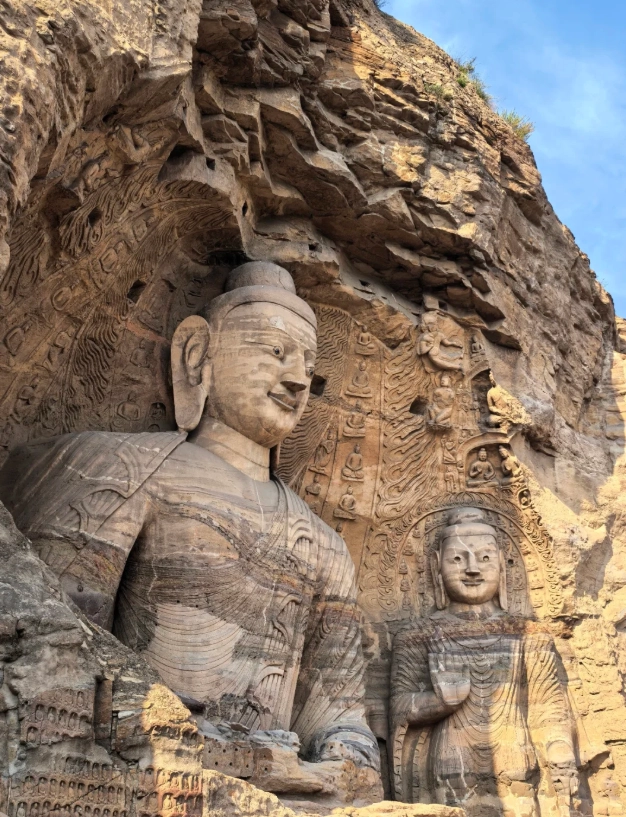
Key Travel Tips for Foreign Visitors
Payment in Datong is mostly cashless. You'll need Alipay or WeChat Pay linked to an international card. Keep some cash for tiny street vendors, but even they often accept mobile payments. It's a good idea to set up Alipay before you arrive—you can do it online.
Navigation: forget Google Maps. It's unreliable in China. Download Apple Maps or use 高德地图 (AMap Global) which now offers English. I always tell clients to type in the Chinese name or have it written down to show the driver.
Booking tickets and train travel. For intercity trains, use the official China Railway 12306 website or Trip.com as a ticketing agent. You'll need your passport number. For flights, international-standard platforms like Trip.com work fine.
Visa and entry requirements. Make sure your visa is still valid. For the latest policies, check the National Immigration Administration website before you travel.
VPN and translation. Prepare a VPN before coming to China if you want to use Google services. Apps like Apple Translate or Baidu Translate can be lifesavers when you're ordering food.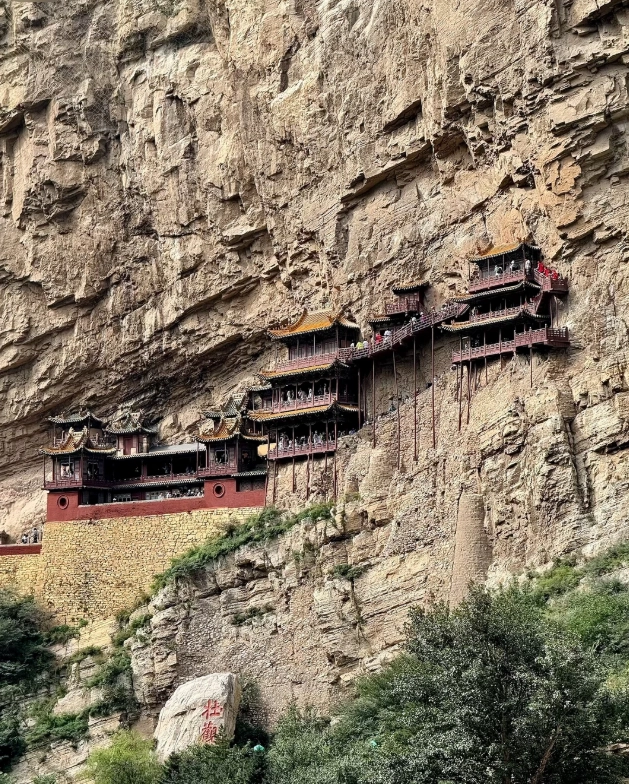
FAQ About Visiting Datong
Verified and fact-checked by the editorial team for informational accuracy.








No comments yet.