 Chen Liu
I've lost count of how many clients asked me this question the moment they land in Baiyun Airport. They're exhausted, jet-lagged, and already doubting their choice. Here's my answer after a decade of guiding travelers through southern China: Guangdong is absolutely worth it — but only if you know where to look. Skip the packaged tours, and you'll find fading Hakka villages, edge-of-the-future tech parks, and a food scene that runs 24 hours. And no, you don't need to speak Mandarin. Let me show you what most guides won't tell you.
The real problem? Most foreign tourists stick to Beijing and Shanghai, missing this province entirely. They worry about the language, the payments, the chaos. But I've watched friends navigate Guangdong with just a phone and a smile. The trick is knowing how to handle the digital doors — WeChat Pay, ticket mini-programs, and the notorious Great Firewall.
If you're still on the fence: Guangdong offers the best Cantonese food in the world, historic villages that rival Zhouzhuang without the crowds, and a transit system that puts many Western cities to shame. The key is planning smart. Here's my quick-start guide — then I'll dive deep.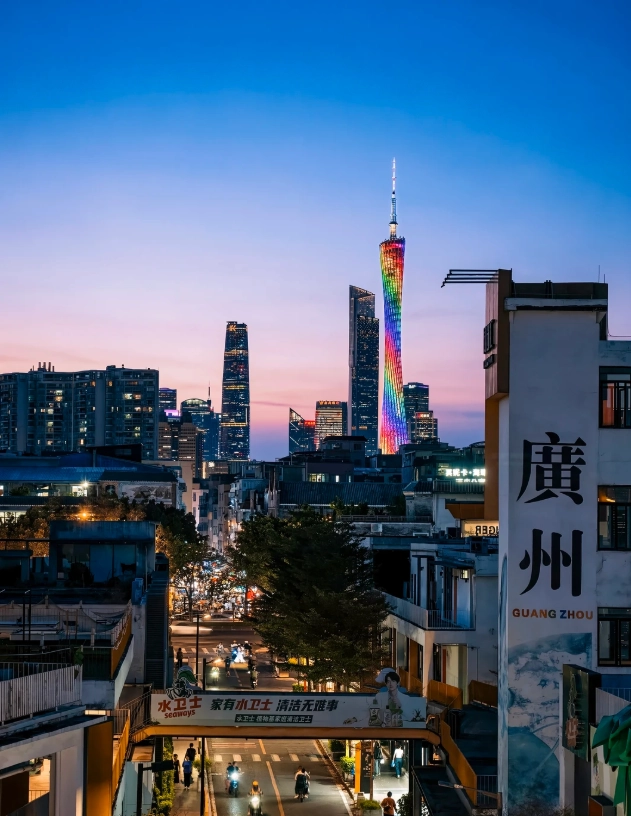
What Makes Guangdong Worth Visiting?
Guangdong isn't just one city — it's a region of contrasts. You have towering super-cities in Guangzhou and Shenzhen, plus tiny towns where tea farms roll into the hills. The province is the birthplace of Cantonese culture, and it's where the world's most distinctive Chinese diaspora originated.
Guangzhou: The Old Soul
Guangzhou, the capital, feels like a living museum of Cantonese life. Start at the Chen Clan Ancestral Hall — a 19th-century temple turned folk art museum. The entrance fee is ¥20, and it's free for kids under 1.2 meters. But the real magic happens at the adjacent Liwan Park area, where old men sip tea under banyan trees. Don't skip the Yuexiu Park, where the Five Rams Statue tells the city's founding legend.
I always tell my clients to go to Shamian Island at sunrise. The colonial architecture is romantic, but the tour buses arrive after 9am. Bring a coffee and watch the city wake up.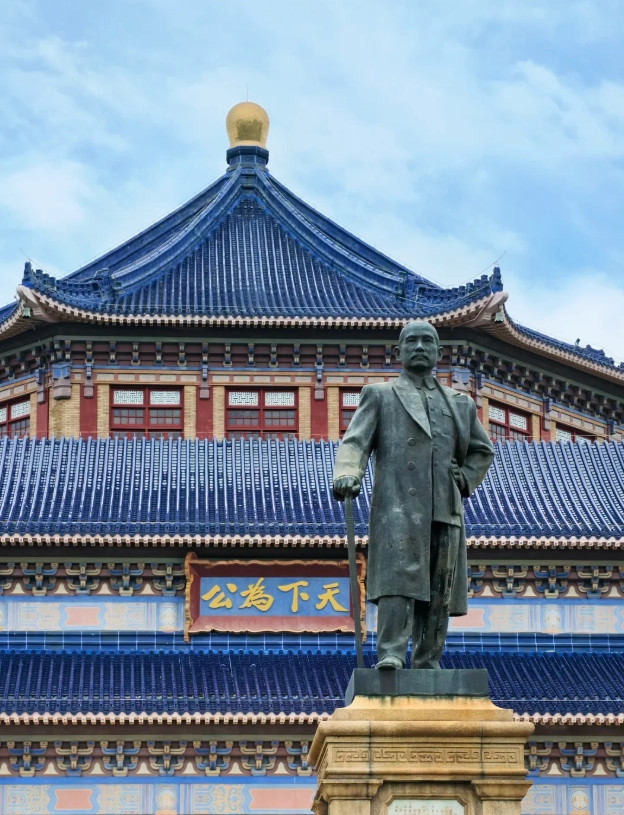
Shenzhen: The Future
Shenzhen is a startup's dream — every district feels brand-new. The OCT-LOFT creative quarter shows how China's tech capital harbors an artistic soul. Walk the Shenzhen Bay Park at sunset; the skyscrapers mirror in the water. It's free, and the promenade is perfect people-watching.
Alternatively, the Dafen Oil Painting Village is a quirky gem. It is a one-stop destination for custom oil paintings, and the prices are surprisingly fair. Just be prepared to haggle.
The Hidden Gems: Kaiping and Beyond
Outside the big cities, you'll find the Kaiping Diaolou — a UNESCO World Heritage site of fortified towers. These plaster-and-stone structures blend Chinese and Western architecture, and they're a 2-hour drive from Guangzhou. The UNESCO listing is accurate: they are stunning examples of rural architecture.
How Many Days Do You Need in Guangdong?
You can taste the province in as little as 3 days, though I recommend 7 to truly slow down. Below is a quick comparison based on your travel style.
| City | Days Needed | Must-Sees | Best For |
|---|---|---|---|
| Guangzhou | 2–3 | Canton Tower, Chen Clan Ancestral Hall, Shamian Island | Culture and history |
| Shenzhen | 1–2 | OCT-LOFT, Dafen Oil Painting Village, Window of the World | Modern architecture and art |
| Shunde | 1–2 | Qinghui Garden, private kitchens | Food lovers |
| Chaoshan region | 2–3 | Kaiyuan Temple, old streets of Shantou | Tea culture and temples |
A Realistic 3-Day Guangzhou Plan
You could pack Guangzhou into 72 hours. Day one: land, settle into your hotel near Zhujiang New Town, and hit the Canton Tower before sunset. Day two: deep-dive into Yuexiu's history and taste dim sum at a local joint called Linham Garden. Day three: take a day trip to Shunde and eat your way through — budget half a day for the train and meals.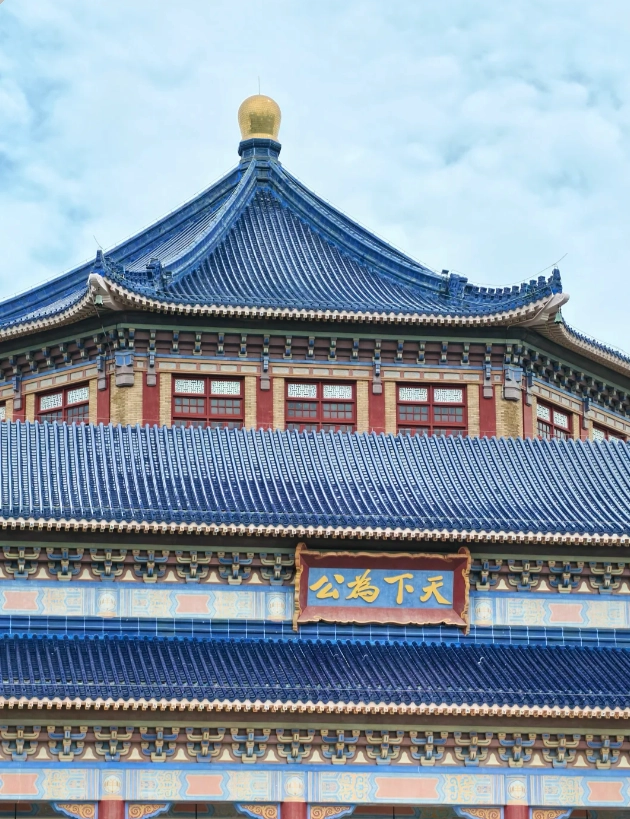
A 7-Day Guangdong Road Map
If you have a week, include Shenzhen and Chaoshan. Spend 2 full days in Guangzhou, 1 in Shunde, 1 in Shenzhen, and the final 3 in Shantou or Chaozhou. High-speed rail connects them all — book tickets via the official China Railway 12306 site, which now has an English interface for real-name registration.
Is Guangdong Expensive to Visit?
Guangdong is cheaper than Beijing, and streets away from Shanghai. Hostels run ¥50–150 per night, mid-range hotels ¥300–600, and budget meals from ¥15 for a noodle bowl. Attractions rarely cost more than ¥100. The real expense is transport, so plan your train rides in advance.
Here's a rough daily budget:
| Traveler Type | Daily Budget (¥) |
|---|---|
| Backpacker | 200–400 |
| Mid-range | 500–800 |
| Comfortable | 1,000+ |
Pro Tip: Water inside tourist zones costs ¥5, but a convenience store just 100 meters away sells it for ¥3. Pocket the difference.
How to Get Around Guangdong
High-speed trains are your best friend. Guangzhou to Shenzhen takes 30 minutes, Shunde 10 minutes, Shantou about 2 hours. Buy tickets on Trip.com or Klook if you want English support — but it'll cost a little more. The Guangzhou Metro is clean and safe; line numbers are bilingual. Taxis and DiDi work well, but always have your destination written in Chinese.
What to Eat in Guangdong
Where do I start? The food is the reason I never left.
- Dim sum — steamed dumplings, shrimp rolls, and egg tarts. Go to Linham Garden in Guangzhou before 11am.
- Roast goose — crispy skin, juicy meat. Chan's in Dongguan is legendary, but any local spot works.
- Shunde double-skin milk — a dessert that's custard-meets-milk skin. Must try at Min Xin.
- Chaoshan beef hotpot — thin slices of beef, swim in a light broth. Look for "Chaozhou beef hotpot" signs.
Essential Tips for Foreigners
Now, the stuff that makes or breaks a trip.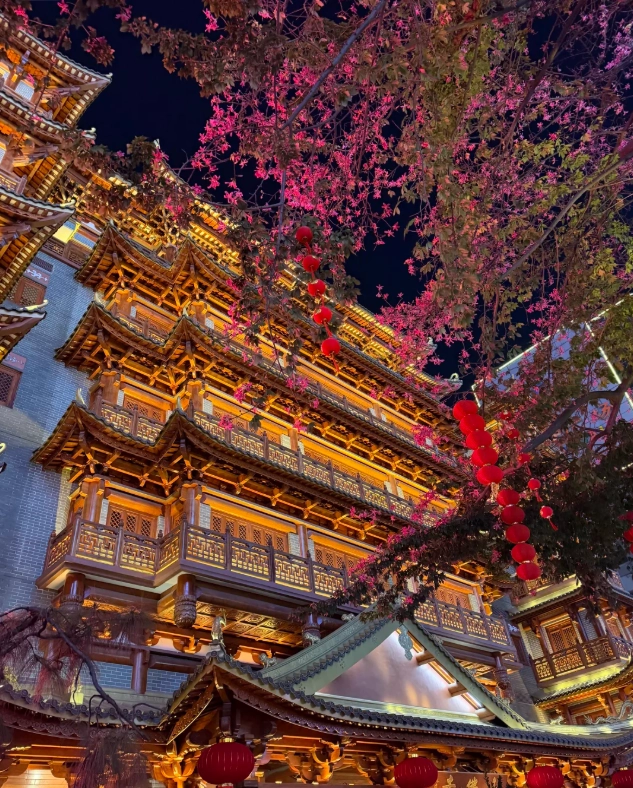
Payments: Alipay Is Your Best Friend
Almost no one accepts cash or international credit cards in small shops. You need Alipay or WeChat Pay. Before you arrive, download Alipay and link a international visa or mastercard. The setup takes 10 minutes but is crucial. Street food vendors, especially in remote areas, only take mobile payments.
Navigation: Ditch Google Maps
Google Maps won't work well in China. Download AMap (高德地图) or use Apple Maps, which has decent English names. Better yet, carry a card with Chinese addresses to show taxi drivers.
Booking Attractions with a Passport
Most attractions now require real-name booking. For major sites like Canton Tower and Chen Clan Ancestral Hall, you can book through Trip.com or Klook with just your passport details. Some smaller sites require a QR code at the door — ask your hotel to help you scan.
VPN and Language
Install a VPN before you land, or you lose access to Google, WhatsApp, and Instagram. Also, download a translation app like Apple Translate or Baidu Translate. English is not widely spoken, but in tourist areas you'll manage.
Frequently Asked Questions
Is Guangdong Safe for Tourists?
Guangdong is generally safe — I've walked back to my hotel at 2am countless times. The biggest risk is not crime, but confusion: getting lost, overpaying, or hitting a language wall. Follow the tips above, and you'll slide through.
Verified and fact-checked by the editorial team.






No comments yet.