 Chen Liu
Quick Hits: What This Guide Covers
You haven't really seen China until you've hiked through Hunan's limestone peaks. But let me save you from the rookie mistakes I made my first time. Most travelers cram Beijing and Shanghai, skipping Hunan entirely — huge error. When I started guiding here, the #1 question was 'What are the top things to do in Hunan?' The truth? They'd read stale blogs, missed the province's soul, and left exhausted. Here's my bottom line: prioritize Zhangjiajie, eat your weight in Changsha, and skip Fenghuang if you're short on time. Details make the difference, though. So let's get into the good stuff.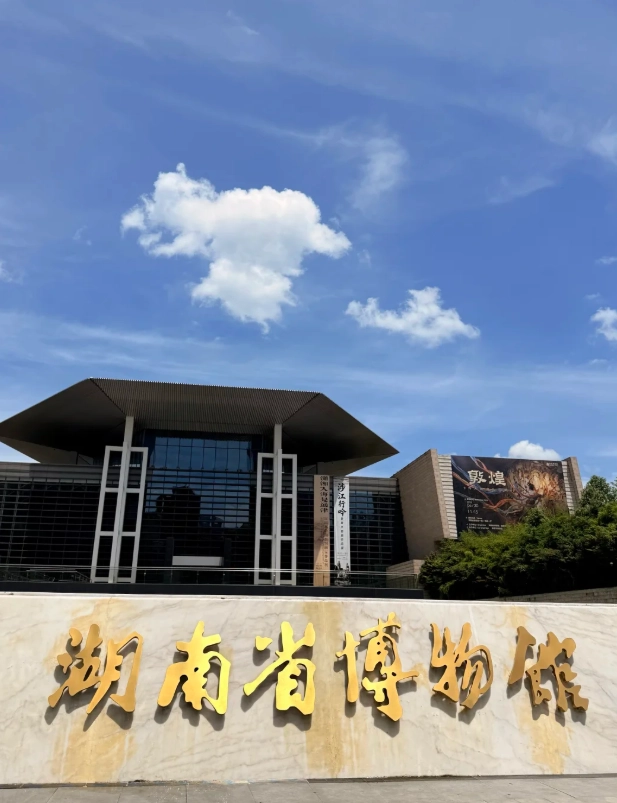
Top Things to Do in Hunan: My 5 Must-Sees
Hunan's true highlights can be counted on one hand. These are the places I've taken every first-time guest, and they never disappoint:
Zhangjiajie National Forest Park — the real-life Pandora. You'll ride the world's tallest outdoor elevator and see sandstone pillars that pierce the clouds.
Tianmen Mountain — a cable car ride that flips your stomach. It's right next to Zhangjiajie city and gives you a glass skywalk that makes you question your life choices.
Changsha's street food scene — spicy, chaotic, and unforgettable. The city eats late, and I once joined a 20-person queue for stinky tofu at midnight.
Fenghuang Ancient Town — a beautiful but crowded river town. Worth a quick stop if you're in the west, but don't design your whole trip around it.
Mount Heng — one of China's sacred Taoist peaks. Skip the sunrise if crowds scare you, but the clouds and temples are worth the climb.
But that's just the top line. Let me dive into each one, plus the practical details everyone forgets to tell you.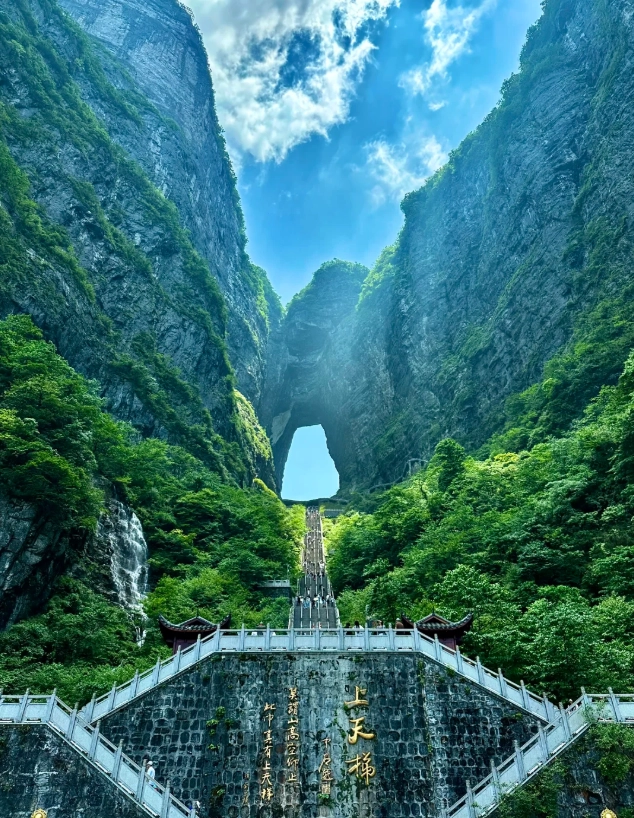
How to Plan Your Hunan Itinerary?
First, decide how many days you have. For a solid overview, I'd say 5 days — but you can compress it to 3 if you're fast. Here's the puzzle: distances are bigger than they look. Changsha to Zhangjiajie by high-speed rail takes about 3 hours. And it's not like hopping on a train in Europe — you need to buy tickets in advance, often with your passport.
My go-to plan for busy travelers:
Day 1: Arrive in Changsha. Hit the Hunan Museum (a must for the 2,000-year-old Mawangdui mummy). Then walk off your jet lag at Yuelu Mountain and Mei Zi Lake.
Day 2: Explore another side of Changsha — Orange Island (Mao Zedong's statue), then taste your way through the snack streets near Juizhou Commercial Plaza.
Day 3: Morning train to Zhangjiajie West Station. Catch a local taxi (about 30 minutes) to the Wulingyuan entrance. You'll want to sleep near the park.
Days 4–5: Dedicate two full days to Zhangjiajie National Forest Park. One day for Yuanjiajie (Avatar Hallelujah Mountain) and Yangjiajie, one for Tianzi Mountain and the Ten-Mile Gallery.
If you have a spare day, tack on Fenghuang — most people do it as a day trip from Zhangjiajie (about 4 hours by bus). But careful: the road is winding, and you'll lose a day in transit.
Zhangjiajie: The #1 Thing to Do in Hunan
Here's where Hunan's real magic lives. The Zhangjiajie National Forest Park is UNESCO-listed (you can check it on the official National Immigration Administration? Wait, I mean the UNESCO World Heritage site listing at whc.unesco.org). You'll need a full day — ideally two — to soak in the scenes.
Ticket details: A four-day pass costs about 228 yuan (kids under 1.2m enter free, but you'll still need to register). You can buy it at the gate using your passport, but I've seen long lines in peak season. Instead, book via Trip.com or the official WeChat mini-program (your hotel can help). You'll need your passport for the real-name registration.
Inside the park, don't skip the crowded Yuanjiajie — even if it's packed, the views are worth it. To dodge the crowd, start before 8am. The park gates open at 6:30am in summer, and the shuttle buses start running at the same time. My secret? Enter from the Forest Park Gate (south entrance) and take the bus to Huangshizhai first. Most tourists head to Yuanjiajie directly, so you'll miss the morning armies.
Insider Advice: The park is full of macaque monkeys. They WILL steal your snacks. Keep your bag zipped and don't make eye contact — I learned that the hard way.
For transport inside: you can walk between major points, but the shuttle bus is included in your ticket. Don't fall for roadside taxis offering to 'take you to secret spots' — they're not allowed inside.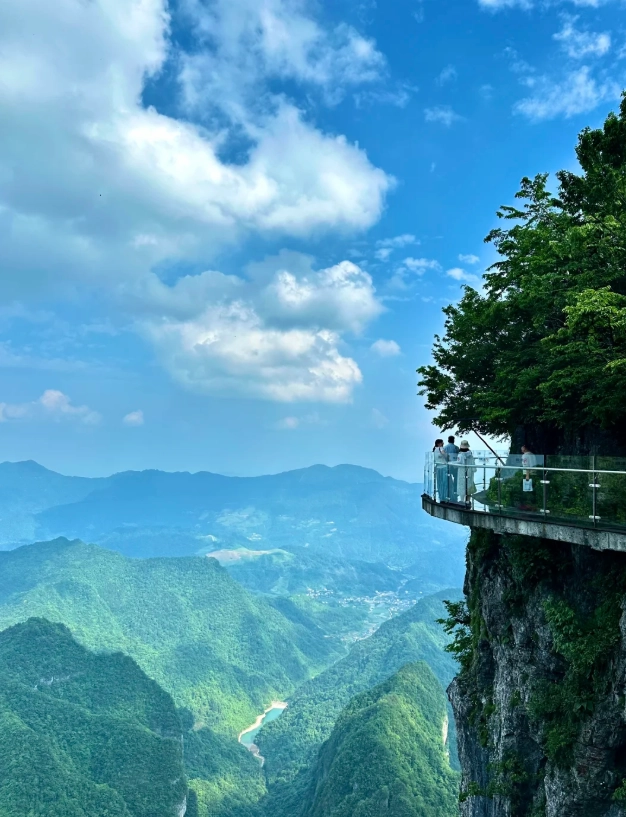
What Are the Best Foods to Eat in Hunan?
Hunan food is not for the faint-hearted. It's loud, oily, and full of chilies — but oh, so good. In Changsha, start at Huogong Palace (火宫殿) for the classic breakfast: you'll find sticky rice rolls, deep-fried stinky tofu (the smell is intense, but the taste is unbelievable), and soy-milk with anise. A full meal runs 30–50 yuan per person. Proceed carefully — it's a tourist spot, but the quality is still decent.
For a more local fix, wander to the Poczi Street (坡子街) area near Wuyi Square. There, you can find Chao Pai (炒排), a spicy stir-fried pork rib dish, and Changsha-style rice noodles — slippery, springy, and topped with chili oil and pickled peppers. Look for the shops that hand-cut their noodles in front of you.
One dish you absolutely need: 剁椒鱼头 (steamed fish head with chopped chilies). The fish is served with rice noodles soaked in the spicy broth — my guests always fight over the last bite. For a great version, head to Yulou Restaurant (玉楼东), a Changsha institution since 1965. A full fish head costs around 70 yuan, and they have an English menu (a lifesaver).
Payment note: Almost every eatery in Changsha accepts Alipay and WeChat Pay. International credit cards don't work directly — so set up a mobile payment before you go. If you're stuck, bring cash; some big restaurants accept it, but smaller stalls may refuse it (they'll insist on scanning a QR code).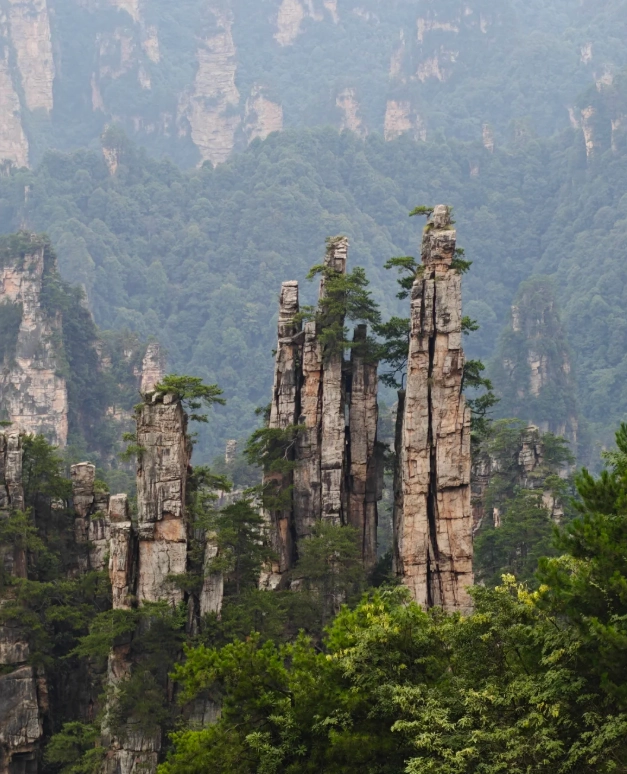
Fenghuang Ancient Town: Should You Include It?
Fenghuang is the postcard image of Hunan: stilted houses built along the Tuojiang River, lanterns reflecting on the water, and old women selling silver jewelry. But here's my honest take — it's beautiful, but it's also one of the most commercialized places I've ever seen. The main street is a shopping mall with ancient-style roofs.
If you go anyway (and I support it), come at dusk. The lights come on, tour buses leave, and for an hour or so, you get a slice of the charm that made it famous. Walk up the east side of the river to escape the crowds, and find the small bridge near the Hongqiao Wind-Rain Bridge — that's where you'll get the perfect postcard shot.
Skip it if you're on a tight schedule. The travel time is long, and the experience is less 'authentic' than you might expect. If you've seen Zhouzhuang in Jiangsu or even Venedig in Italy, you can give Fenghuang a pass.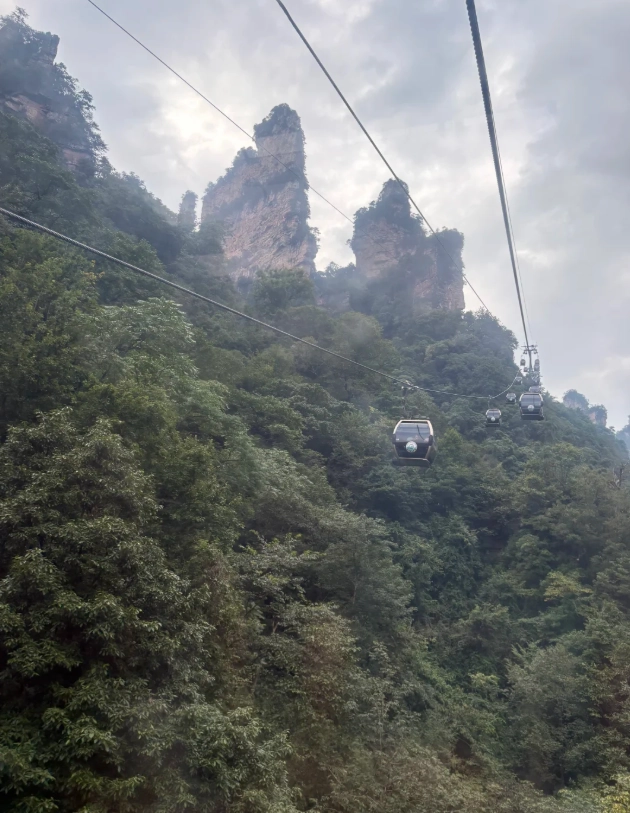
Practical Tips for Your Hunan Travel
Payment and Money
Set up Alipay or WeChat Pay before you arrive. Even the cable car ticket at Zhangjiajie accepts mobile payment. Link your international card to the app — it's straightforward in 2025, but you'll need a VPN to receive the verification code if you're using a foreign SIM. Carry about 500 yuan in cash for emergencies; small shops in Zhangjiajie's mountains may have spotty connectivity.
Connectivity and Navigation
Google Maps does not work in China. Download AMap Global or Apple Maps (which works but is not as detailed). Also, install a good translation app — Baidu Translate handles local dialect better than Google Translate. Prepare a VPN on your device before you land, or you'll be stranded without access to WhatsApp and Gmail.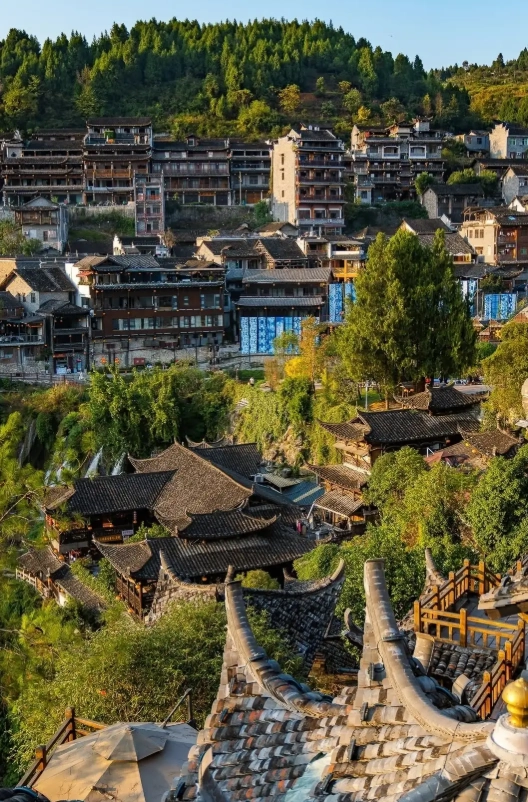
Getting Around
Use 12306.cn — the official railway booking site — to buy high-speed rail tickets. English interface is available, but you'll need your passport number. In cities, the metro is clean and cheap; you can scan your Alipay QR code to pass the gates. Taxis from Didi (the China version of Uber) are easy if you're within the city, but in rural areas like Zhangjiajie, it's better to have the hotel call a licensed taxi.
Watch out for parking lot scams: Near major attractions, unofficial 'tour guides' may approach you with a fixed price for a private car. They'll take you to a 'scenic viewpoint' that's actually a gift shop. Use the official shuttle buses and only walk or take registered taxis from the designated stands.





No comments yet.