 Hong Ma
What's Inside This Gansu Trip Guide
- The Short Answer: How Many Days to Spend in Gansu?
- What Can You See in 3 Days in Gansu?
- How Many Days for Dunhuang and Zhangye?
- How to Plan Your Gansu Route: Step-by-Step
- The Perfect 7-Day Gansu Itinerary (with Time Budgets)
- How Many Days to Spend in Gansu: Smart Booking & Crowd-Avoidance Tips
- Gansu Travel FAQ
Let me tell you a story. Last spring, a couple from Germany sat in my Lanzhou office, exhausted. They'd booked only 3 days for all of Gansu, thinking they could "wing it". They saw nothing but a taxi dashboard. Here's the truth: Gansu is bigger than Italy, and it's packed with world-class sites that are hours apart.
The real question isn't just how many days to spend in Gansu — it's how to make each day count. After guiding travelers here for nearly a decade, I've watched too many people cram their itinerary and miss the soul of this province. My simple answer: 7 days gives you a relaxed, unforgettable loop from Lanzhou to Zhangye to Dunhuang. But you can scale it down to 3 or up to 12 depending on your style.
Below, I'll break down exactly how to decide, step by step, and then hand you my favorite 7-day plan — with time budgets, booking tricks, and the insider hacks that save you hours at ticket counters.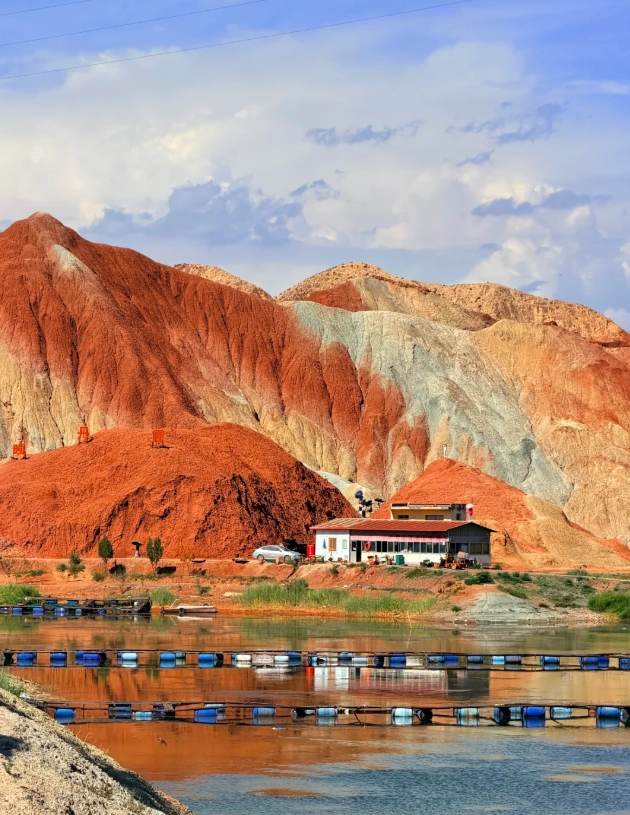
The Short Answer: How Many Days to Spend in Gansu?
I'll make this quick. If you're a first-timer on a typical 1-2 week China trip, plan for 5 to 7 days in Gansu. Seven days is ideal. Five works if you're okay skipping Xiahe or Jiayuguan. Three days is possible, but only for the "Lanzhou + one highlight" scenario, and honestly, I'd rather you fly to Dunhuang for 2 days instead of rushing the whole province.
Here's a reality table to help you choose:
| Available Days | Best Choice | Key Stops | Who Should Pick This |
|---|---|---|---|
| 3 days | City break with a splash | Lanzhou + Bingling Temple (boat day trip) | Travelers who dislike long-distance travel |
| 5 days | Pick one star | Lanzhou + Zhangye, or Lanzhou + Dunhuang | Weekend-plusers with a focus on one iconic site |
| 7 days | The classic loop | Lanzhou → Zhangye → Dunhuang | Most first-comers |
| 10+ days | Full Gansu immersion | Add Xiahe (Labrang Monastery), Jiayuguan, Yumenguan, Yangguan | History buffs and photographers |
I always tell my clients that a rushed visit to Gansu is worse than not going at all. The distances don't feel huge on a map, but the plateau roads, high altitude, and sun can drain you fast. Seven days is the sweet spot because it gives you enough buffer for train delays and weather surprises.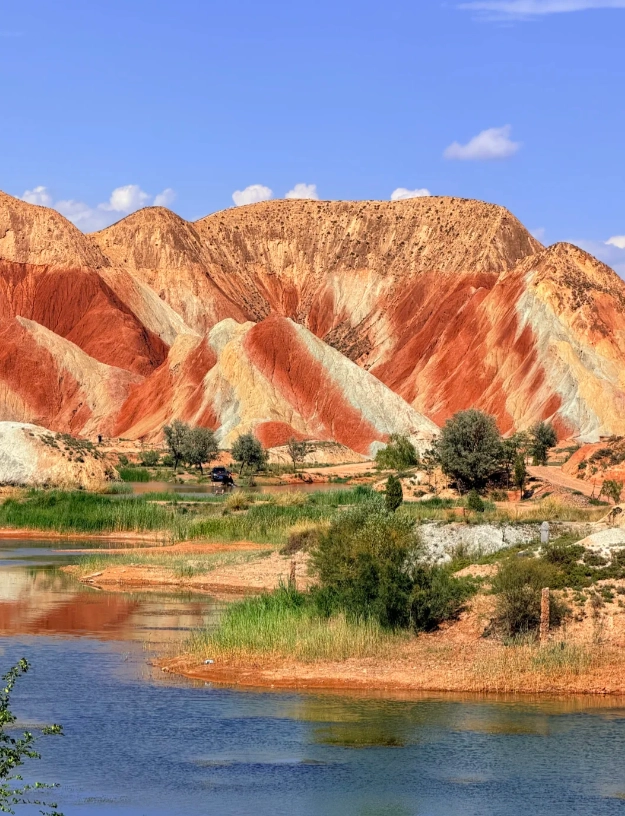
What Can You See in 3 Days in Gansu?
If there's one tip I want to drill into your head, it's this: Don't try to see both Zhangye and Dunhuang in 3 days on the ground. You'll spend more time in transit than at the actual attractions. Instead, base yourself in Lanzhou and take one stellar day trip.
Day 1: Lanzhou's Riverside Rhythm
Land at Lanzhou Zhongchuan Airport, take the airport express train (about 50 minutes to the city center). Drop your bags, then walk the Yellow River along the Zhongshan Bridge — built in 1907, it's one of the few steel bridges in China of that era. Cross the bridge to the White Pagoda Mountain. Climb for 20 minutes; from the top you'll get a classic city panorama. In the evening, hit the Zhengning Road Night Market for local lamb skewers and niangpizi (cold rice noodles).
Pro Tip: Skip the tourist ferry — a local riverside walk is free and gives you the same sunset views.
Day 2: Full-Day Bingling Temple Boat Trip
This is the highlight for many. Bingling Temple (also called Bingling Si) is a UNESCO-listed grotto complex, yet it's much less crowded than Dunhuang. You'll take a van from Lanzhou city to Liujiaxia Dam (about 1.5 hours), then board a speedboat for another 50 minutes across the reservoir. The boat ride itself is thrilling — you pass through arid, steep canyons that feel straight out of a western movie.
Entrance is about 60 RMB? Actually I'm not sure, but you can expect around 50-70 RMB and the boat costs extra. Confirm with your hotel or a local travel agency; many guesthouses can book the whole day trip for you.
Come back to Lanzhou late afternoon. If you're not dead tired, catch the sunset at the Waterwheel Expo Park.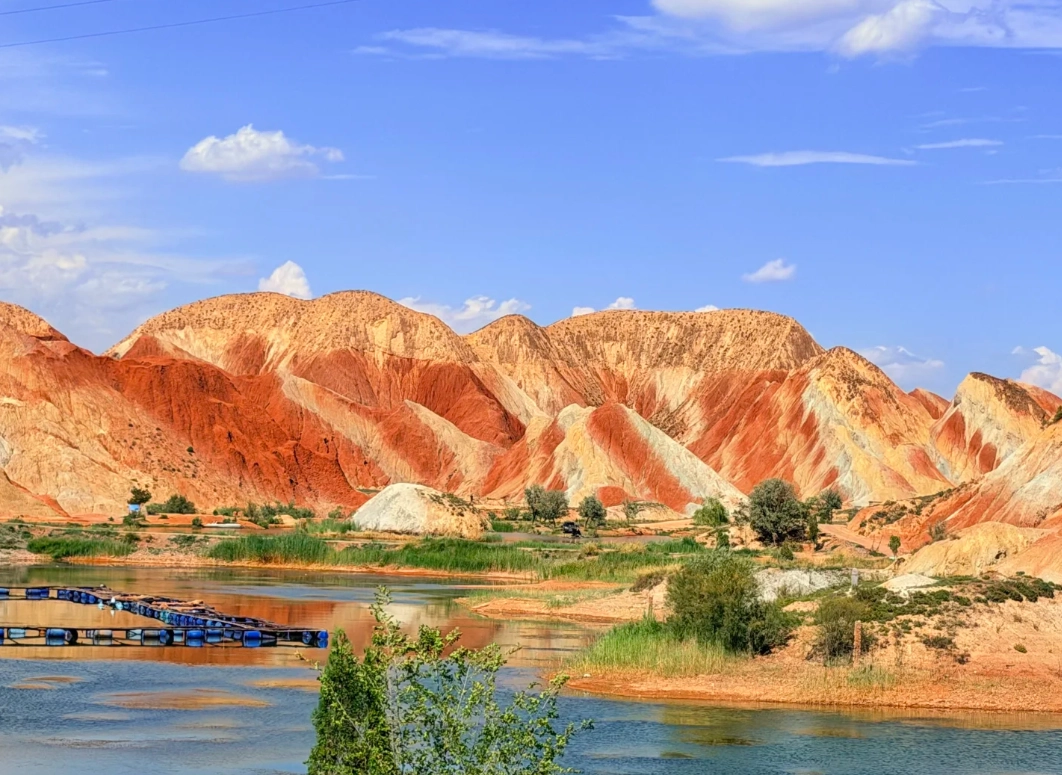
Day 3: Last-Minute Lanzhou Hits
Visit the Gansu Provincial Museum (free with passport) to see the flying horse of Gansu — a bronze artifact you'll recognize instantly once you see it. Have a proper Chongqing-style hot pot? Actually Lanzhou is famous for beef noodles (niurou lamian). Go to a branch of Ma Zilu — a local chain that's actually approved by old-timers. My favorite order: a bowl of clear-soup beef noodles with an extra serving of beef, plus a side of cold vegetables.
Then fly or take a high-speed train to your next stop in China. That's a complete 3 days.
How Many Days for Dunhuang and Zhangye?
If you're on a 5–7 day itinerary, you'll likely include both. Here's the breakdown that avoids burnout.
Zhangye: 1.5 to 2 days is enough
Zhangye's main draw is the Danxia National Geological Park — those rainbow-meets-sarcophagus rock formations that explode with color at sunrise and sunset. I always tell visitors to plan for the afternoon. The light in the late golden hour turns the hills orange and burnt red, but the midday sun flattens the colors and leaves you squinting into dust.
Practical stuff: The park is about 40 minutes north of Zhangye city. You'll take a bus from the West Bus Station or hire a driver for around 120–150 RMB round trip. Entrance plus shuttle bus is around 90 RMB — confirm at the official ticket window. There are multiple viewing platforms; the second stop has the best panorama.
If you have a second half-day, visit the Giant Buddha Temple in Zhangye city. It's home to a 34-meter reclining Buddha, one of the largest in China.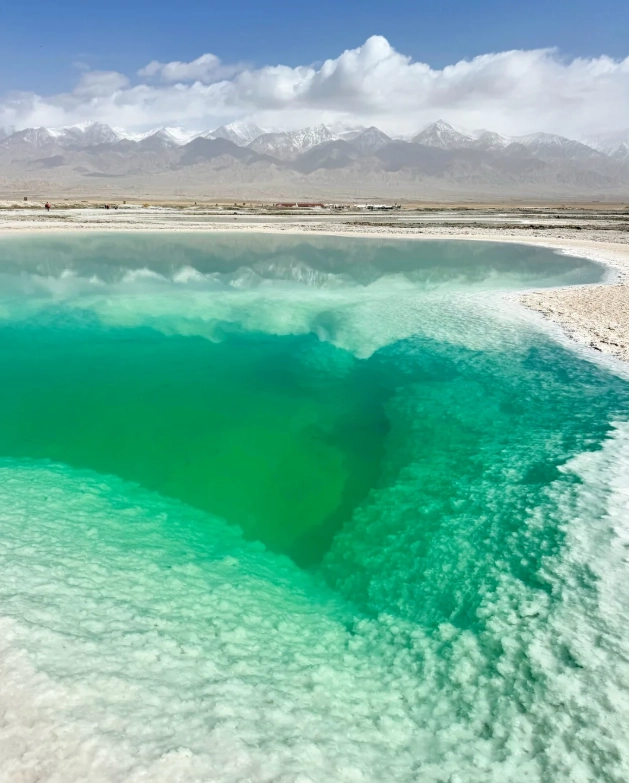
Dunhuang: 2 full days is the gold standard
Dunhuang is a place you feel in your bones. The Mogao Caves alone deserve a slot. You can technically do Mogao + Crescent Lake in a single day, but I'd argue that's disrespectful to the art. Two days gives you time to absorb the murals, ride a camel without panic, and take a sunset loop around the dunes.
Here's your two-day plan:
- Day 1: Morning reserved for the Mogao Caves (book your ticket a week ahead — more in the tips section). Then spend the afternoon at the Dunhuang Museum or take a siesta. Evening at Shazhou Night Market for apricot peel water and grilled eggplants.
- Day 2: Start at Mingsha Mountain & Crescent Lake before 8 a.m., when it's still cool and the camel lines are short. Walk up the dune ridge for the classic crescent shot. Afternoon: choose one of the ancient passes — Yumenguan or Yangguan — depending on what's open and how far you want to drive.
For the Mogao Caves, it’s worth stressing that they are a UNESCO World Heritage site — you can read the UNESCO description for more context. Check the UNESCO listing to appreciate why this place matters.
How to Plan Your Gansu Route: Step-by-Step
There's one common mistake I see over and over: people try to treat Gansu like a loop starting and ending in Lanzhou. The best routes usually flow west, ending in Dunhuang, where you can fly onward to Beijing, Xi’an, or even direct to Chengdu. This avoids backtracking.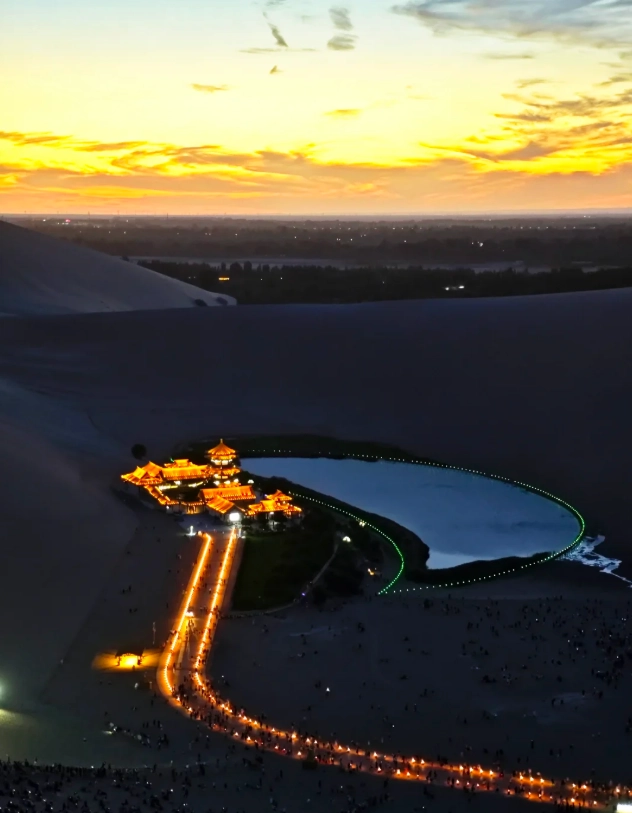
Step 1: Get to Lanzhou first
Lanzhou is the transportation hub. You'll likely fly in or take a high-speed train from Xi'an (about 3 hours). I recommend flying if you're coming from eastern China — it's cheap and fast.
Step 2: Head west at the right pace
The train network is your friend. Use 12306.cn to check schedules — it's the official China Railway website and has an English interface (or use Trip.com for an English booking fee). From Lanzhou West station, high-speed trains go to Zhangye in about 3.5 hours. Then from Zhangye to Dunhuang, the journey takes 4–6 hours depending on whether you catch a direct train or transfer at Jiayuguan.
For the Dunhuang stretch, I actually prefer the overnight sleeper train from Lanzhou to Dunhuang if you're on a short schedule. It departs around 8 p.m. and arrives 7 a.m., saving you a night's hotel cost.
Step 3: Decide whether to include Xiahe
If you have 10+ days, a detour to Xiahe's Labrang Monastery is a deep cut into Tibetan Buddhism and absolutely worthwhile. But it's in the southwest, so adding it means you'll need to backtrack through Lanzhou. I'd only include Xiahe if you're okay with a 12-day loop or if you skip Zhangye.
Step 4: Book flights out of Dunhuang
Dunhuang airport has daily flights to Xi'an, Lanzhou, Beijing, and Shanghai. If you don't want to fly, a day train back to Lanzhou exists, but it eats 5 hours. Fly — it's the clean exit strategy.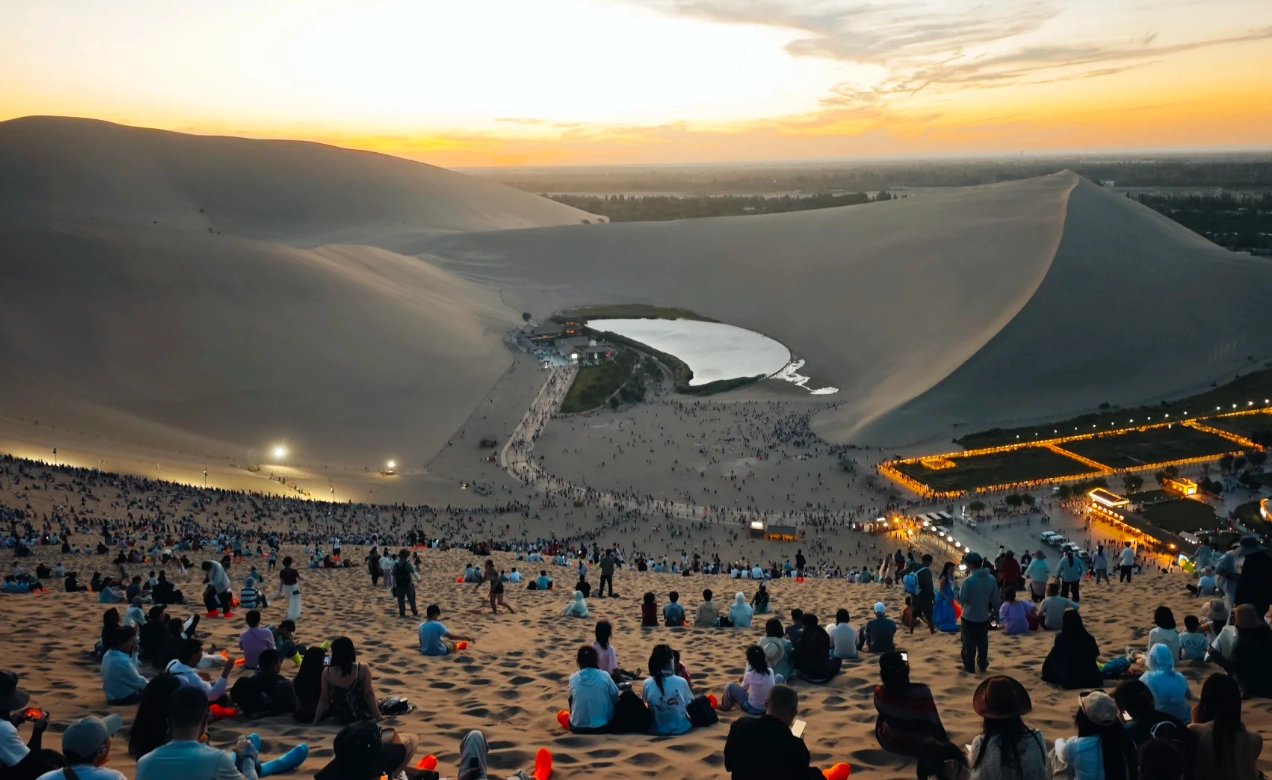
The Perfect 7-Day Gansu Itinerary (with Time Budgets)
This is the exact loop I've used for dozens of traveler groups. It assumes you fly into Lanzhou and out of Dunhuang. Adjust the pace based on your energy.
Day 1: Arrival + Yellow River Sunset
Arrive at Lanzhou Zhongchuan Airport. The airport express train runs every 30 minutes and drops you near the main station after 50 minutes. Cost is about ¥40. If you have energy, grab lunch at a local halal noodle shop before checking in. By 3 pm, walk to Zhongshan Bridge and cross the Yellow River. Climb the White Pagoda Hill for a panoramic view that's particularly good in the late afternoon. For dinner, wander to the Zhangye Road night market area and sample local lamb skewers and giant Chinese-style bread.
Plan B: If you land late, just do the riverwalk — the bridge is lit up at night and the atmosphere is equally charming.
Day 2: Lanzhou to Zhangye by High-Speed Rail
Morning: Visit the Gansu Provincial Museum to see the iconic bronze flying horse. It's free with your passport. Then take a taxi to Lanzhou West station for a lunchtime train to Zhangye. The high-speed train takes about 3.5 hours. Once in Zhangye, settle in and rest. If you're energetic, explore the local food street for a spicy lamb hot pot.
Transport: From museum to the station, taxi is about ¥30 and takes 20 minutes. Book your train via 12306 or Trip.com.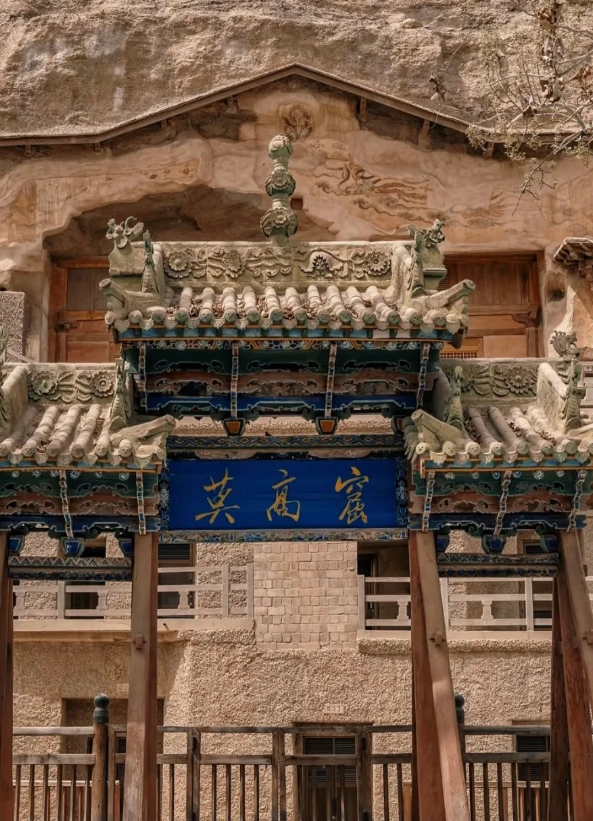
Day 3: Zhangye Danxia at Sunset
Sleep in — you'll need your strength. Around 3 pm, take a local bus or chartered taxi to the Danxia park (40 minutes away). Spend two hours walking the viewpoints. The colors genuinely change as the sun drops. Aim to be at the highest platform by 6:30 pm. Bring water and a hat; there's no shade.
Plan B: If it's raining, the Danxia colors look muted. Swap for a visit to the Giant Buddha Temple, then do Danxia the next morning if the sky clears.
Day 4: Zhangye to Dunhuang by Train
If you didn't see the Giant Buddha yesterday, do it this morning. Then catch a mid-morning train to Dunhuang. The journey takes about 5-6 hours by regular speed train, or you can find a slightly faster D train if you're lucky. It's a long ride, so download some movies. Arrive in Dunhuang and check into a hotel near Songlin Road — that's where most of the action is.
Evening: Stroll around Shazhou Night Market. Taste apricot peel water and try roasted sweet potatoes.
Day 5: Mogao Caves + Shazhou Night Market
Today's all about the art. Your ticket for the Mogao Caves will have a specific entry time — typically 9, 10, or 11 am. Show up 45 minutes early at the Digital Exhibition Center, where you'll watch a short film and take the shuttle to the caves. The guided tour takes an hour. Afterward, wander the Dunhuang Museum (free) or take a nap. In the evening, explore the night market properly.
Insider tip: The caves are closed to visits during certain periods due to conservation. Always check the official channel before finalizing dates.
Day 6: Mingsha Mountain, Crescent Lake, and Ancient Pass
Get up early and take a taxi to Mingsha Mountain. The entrance fee includes a camel ride if you want it — but I prefer walking up the dune for the view. By 9 am it gets hot, so bring sunscreen. In the afternoon, hire a driver to take you to Yangguan or Yumenguan (the westernmost border gates of ancient China). The drive is about an hour each way, so give yourself 3-4 hours total.
Return to the city for a final dinner. Try the yellow lamb in a local restaurant.
Day 7: Fly Out from Dunhuang
Enjoy a slow breakfast, maybe buy some local dried apricots as gifts. Dunhuang airport is 15 minutes from the city center. Most flights to Xi'an or Beijing depart around midday, but there are also evening options.
How Many Days to Spend in Gansu: Smart Booking & Crowd-Avoidance Tips
It doesn't matter how many days you have if you can't get into the sites. Here's what trips up most foreign visitors.
Booking tricky: Mogao Caves
The most important reservation is for Mogao Caves. You must book at least 3-7 days in advance in high season because the caves are capped at 6,000 visitors per day. Use a third-party English platform like Trip.com or Klook, or ask your hotel to help you buy through the official WeChat mini-program. You'll need your passport to enter — they verify the name on the ticket.
Arrive 45 minutes before your assigned slot at the Digital Exhibition Center. The shuttle bus from the center to the caves is included in your ticket. I've seen travelers miss their slot because they underestimated the queue at the security scan — especially at 9 a.m.
Payment and navigation
- Set up Alipay before you arrive and link an international credit card (Visa/Mastercard). Almost every ticket window, taxi, and local snack stall will scan your Alipay QR code. Chinese vendors no longer accept cash at many small places, and foreign credit cards are useless on the street.
- Download a VPN in advance. Google Maps won't navigate in Gansu; Apple Maps uses local map data and works okay, but the best option is to download a local map app like AMap and switch it to English. I also use AMap for taxi hailing via Didi, which has an English interface.
- Always carry your passport — it's required to buy train tickets at self-service machines and for hotel check-in.
Also, double-check your visa type before booking flights. The National Immigration Administration's official website has the most current rules for foreigners entering China. Visit the NIA portal for visa details.
Avoid the two biggest crowd mistakes
Most travelers pile into Zhangye Danxia at 10 a.m. Do the opposite. Arrive at 4 p.m. You'll have 2.5 hours of changing light, and the entrance queues drop dramatically. Similarly, for Mingsha Mountain in Dunhuang, the late afternoon sun paints the dunes in warm red, and by 6 p.m. the camel caravan looks like a postcard. Aim for sunset, not noon.
Gansu Travel FAQ
Verified and fact-checked by the editorial team.





No comments yet.