 Hong Ma
Fast Lane to This Guide
I still remember the look on my clients' faces when they first saw the rainbow mountains of Zhangye. Pure shock. Then came the question: "Why didn't we come here before?" That's the magic of Gansu tourist attractions — they're massive, dramatic, and somehow still off the radar for most international travelers. The biggest headache? Planning logistics. Most travelers underestimate the distances between Gansu's sights — it's a province about the size of Italy, and you'll spend hours on trains or roads if you map it wrong. Plus, booking tickets for places like the Mogao Caves requires foreign-passport-friendly steps that most English guides skip. Here's the deal: I've been leading trips here for years, and the smartest way to see the highlights without meltdowns is to base yourself in Dunhuang and Zhangye, and book your Mogao Caves slot at least 10 days ahead. Let me break it all down for you.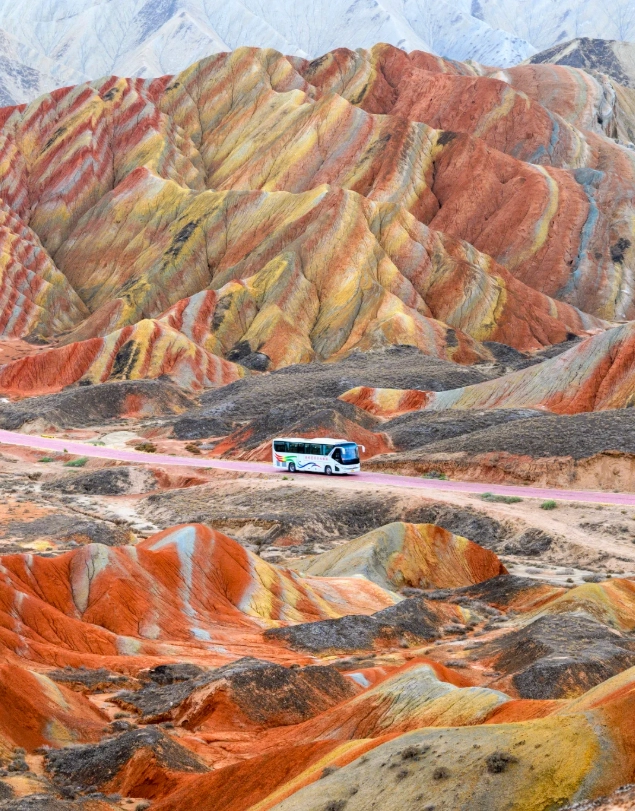
Top Gansu Tourist Attractions: My Personal Must-Sees
Let's face it — you can't see everything in Gansu in one trip. But these seven spots are the non-negotiables. I've ranked them by wow-factor and logistical ease.
| Attraction | Reference Ticket Price | Best Time to Visit | Suggested Duration | Highlight |
|---|---|---|---|---|
| Mogao Caves | Approx. 240 RMB | May–Oct | 3–4 hours | World's finest Buddhist grottoes |
| Crescent Lake & Singing Sand Dunes | Approx. 110 RMB | Year-round | 2–3 hours | Desert oasis and camel rides |
| Zhangye Danxia National Geopark | 74 RMB (incl. shuttle) | Sunset hours | 2–3 hours | Rainbow-colored rock formations |
| Jiayuguan Fortress | 110 RMB (combo ticket) | Apr–Oct | 2 hours | Ming dynasty Great Wall pass |
| Labrang Monastery | 40 RMB | Year-round | 2 hours | Largest Tibetan Buddhist seminary outside Tibet |
| Maijishan Grottoes | 70 RMB (incl. shuttle) | Year-round | 2–3 hours | Cliff-hugging Buddhist caves |
| Bingling Temple Grottoes | 50 RMB + boat | May–Oct | Half day | Remote grottoes on the Yellow River |
Mogao Caves (Dunhuang)
The Mogao Caves are the crown jewel of Gansu tourist attractions, and they sell out fast. You absolutely must pre-book your pass — the daily cap is around 6,000 visitors, and foreign passports need to be registered in advance. I always book through Trip.com or the official WeChat mini-program; both work, but Trip.com's English interface saves my sanity. The ticket includes entrance to the digital exhibition center (two movies) plus a guided tour of 8–12 caves, depending on the ticket tier. Admission costs roughly 240 RMB for the standard package. It's about 25 km southeast of Dunhuang city; a taxi takes 30 minutes and costs 60–80 RMB. The first batch at 08:00 is your best bet for fewer crowds and cooler weather. Don't bother with a camera — photography is strictly banned inside the caves, and you'll be escorted by a guide the whole time. Pro tip: bring a light jacket even in summer; the cave interiors are chilly. This site is recognized by UNESCO as a World Heritage site — check the UNESCO World Heritage Centre for deeper historical context.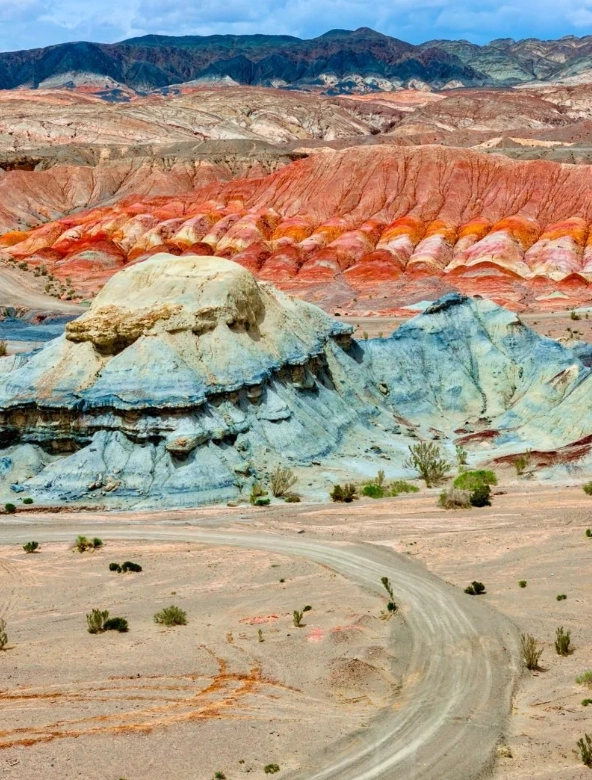
Crescent Lake and Singing Sand Dunes (Dunhuang)
This desert oasis is pure Instagram magic, but the timing matters more than you think. The dunes are only 6 km from Dunhuang city, so a 15-minute taxi ride (20–30 RMB) gets you there. Entrance is around 110 RMB, and the park stays open until 21:00 in summer. Go at 17:00 or later — the sand heats up brutally in the afternoon, and the light becomes golden around 18:00. You can ride a camel for an additional 100 RMB (negotiable, but don't push it). Insider advice: climb the dune on the left side of the crescent lake; it's steeper but far less crowded than the main boardwalk. If you're visiting in winter, expect strong winds — bring goggles or a scarf to protect your face. The sand gets into everything, so keep your phone in a sealed bag.
Zhangye Danxia National Geopark
The rainbow mountains are the most surreal thing you'll see in Gansu — period. Located about 40 km west of Zhangye city, the park costs 54 RMB for entry plus a mandatory 20 RMB shuttle bus, totaling 74 RMB. The shuttle stops at four viewing platforms; the fourth is the best for the classic rainbow stripes. Plan your visit for two hours before sunset — the colors pop during the golden hour, and the crowds thin out after the last tour buses leave. Peak season means long lines at the shuttle stops, but the upper platforms are usually quieter. A taxi from Zhangye city runs about 100–150 RMB for a round trip; make sure you agree on the price before leaving. On clear days, you can see the snow-capped Qilian Mountains in the distance — a bonus photo op.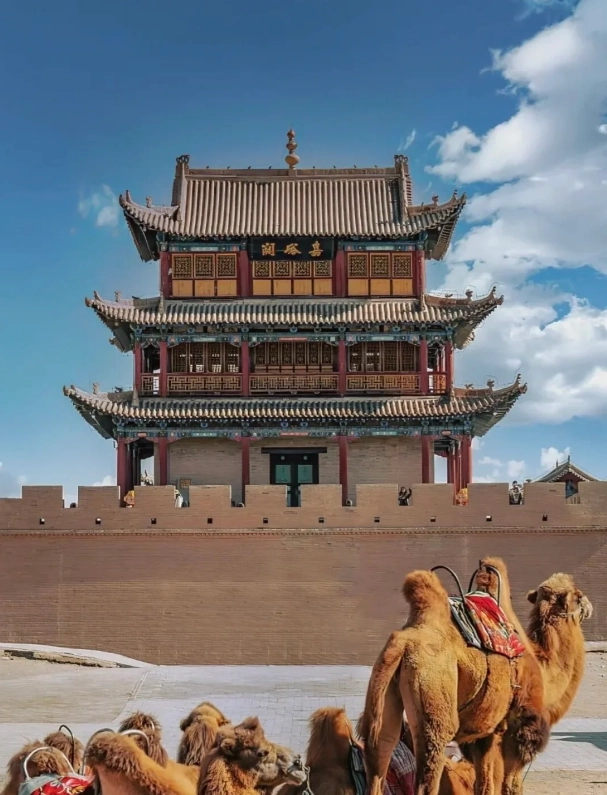
Jiayuguan Fortress
Jiayuguan is the westernmost end of the Ming Dynasty Great Wall, and it feels authentically wild. The fortress alone costs 110 RMB, but I recommend the combo ticket that includes the overhanging Great Wall and the First Pier of the Great Wall — it's only 120 RMB in total. The site is about 5 km from Jiayuguan city center; a taxi costs 10–15 RMB. Most visitors spend 2 hours in the fortress, but plan an extra hour for the overhanging wall, which is 7 km away (take taxi #4 or negotiate a driver). The best views are from the tower at sunset, when the Gobi Desert turns orange. Don't skip the Great Wall Museum inside the fortress — it gives you context for why this remote outpost mattered so much in Chinese history.
Labrang Monastery (Xiahe)
This is one of the most important Tibetan Buddhist monasteries outside Lhasa, and it feels alive with pilgrims. Located in Xiahe County, about a 4-hour drive from Lanzhou or 2 hours from Hezuo, the entrance fee is 40 RMB. The monastery is sprawling — you'll walk past prayer wheels, white pagodas, and crimson-robed monks doing their daily debates. The kora (circumambulation) path offers stunning views of the whole valley. If you can, stay overnight in Xiahe — the morning chanting at 05:30 is otherworldly. Hotels are basic but comfortable, and the nearby cafes serve excellent yak butter tea. Just be respectful: don't point your camera at monks without asking, and take off your hat when entering prayer halls.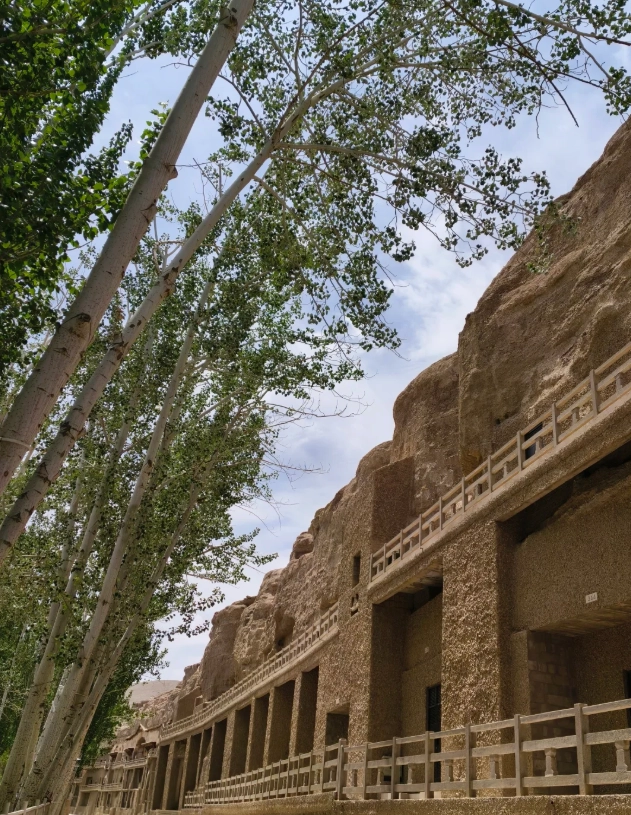
Maijishan Grottoes (Tianshui)
Maijishan is a lesser-known gem that rewards travelers who make the detour. The grottoes are carved into a sheer cliff that resembles a stack of haystacks, and the wooden staircases clinging to the rock are an engineering marvel in themselves. Located 45 km southeast of Tianshui, buses from Tianshui South Railway Station take about an hour (8 RMB). Entrance is 70 RMB, and an extra 20 RMB for the shuttle from the gate to the base. The climb up the steep walkways gives you a literal head rush, but the 7,000+ Buddhist statues and murals are worth it. Go early (right at 09:00) to avoid the tour groups from Xi'an that arrive around 11:00. Bring a small flashlight — even in daylight, some inner niches are quite dark.
Bingling Temple Grottoes
These grottoes sit dramatically on the Yellow River, and reaching them is half the adventure. The site is accessible only by boat from Liu Jia Xia Dam, which takes about 1.5 hours each way. The boat ride costs 100 RMB (including a basic entry fee), but you'll need to arrange it at the dock. The Buddha statues here are older and more weathered than at Maijishan, giving them a raw, ancient vibe. In peak season, boats depart at 09:00 and 11:00, but always confirm the return time with the captain. The cliff-side walkway is narrow and steep, so skip this if you have mobility issues. I once took a group here and we had the entire grottoes to ourselves — an unforgettable experience.
How Do You Plan a Gansu Tourist Attraction Itinerary?
The classic mistake is trying to cram all seven spots into a week — that's insane. Gansu is a massive province. Here's a realistic 5-day plan that hits the core highlights without turning you into a zombie.
Day 1: Fly into Lanzhou, the provincial capital. Get your bearings with a visit to the Gansu Provincial Museum (free, but reserve a time slot) and a walk on the Zhongshan Bridge. Overnight in Lanzhou.
Day 2: Take the morning train to Zhangye (about 3 hours by high-speed rail). Spend the afternoon at the Danxia Geological Park — don't waste a full day, 2 hours is enough. Overnight in Zhangye.
Day 3: Fly or take the train to Dunhuang (an early morning flight is fastest). Afternoon at Crescent Lake and Sand Dunes. Overnight in Dunhuang.
Day 4: Morning at Mogao Caves (you already booked your slot). Afternoon free to explore the Shazhou Night Market. Overnight in Dunhuang.
Day 5: Hire a driver for the day trip to Jiayuguan (about 2 hours each way). Climb the fortress and the overhanging wall. Return to Dunhuang or fly out from Jiayuguan's small airport.
If you have extra days, add Xiahe (from Lanzhou) or Maijishan (from Tianshui). But don't try to do everything — you'll spend most of your time in transit.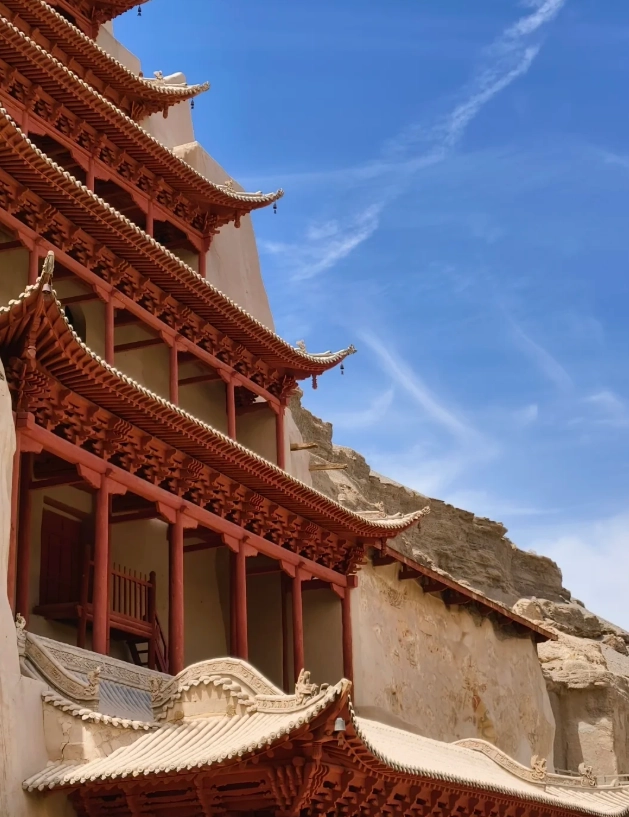
How to Get Around Gansu Tourist Attractions Without Stress
Forget Google Maps — it's useless in China. Use Apple Maps or download AMap Global (it has an English interface). Even better, ask your hotel to write down the Chinese names of your destinations. Taxis and ride-hailing (Didi) accept Alipay, but cash is still king for street stalls.
For intercity travel, China Railway (12306) is your best friend. Book high-speed trains as soon as they open (30–60 days ahead). The Lanzhou–Zhangye–Dunhuang corridor is well-served by trains. For remote sights like Bingling Temple, you'll need a private car or a guided day trip — I usually book via a local agency or through Trip.com.
Public buses exist but can be confusing for non-Chinese speakers. My rule: for anything over 1 hour of driving, use a private driver. It costs more, but the freedom is worth it. Ask your hotel to arrange a driver — a day rental around 500–700 RMB is standard for Zhangye or Dunhuang.
What Are the Ticket and Reservation Rules for Gansu Tourist Attractions?
Most major sights here require real-name registration with your passport. The easiest route for foreigners is to book through Trip.com or Klook, which handle the paperwork. If you're comfortable with WeChat, you can reserve through official mini-programs, but the Chinese-only interface is a pain — I always ask my hotel concierge to help.
Mogao Caves is the strictest: you'll need to specify your date and time slot when you book. Walk-ins are impossible. For other attractions like Zhangye Danxia, you can usually buy at the gate, but it's safer to reserve online during summer peak. Always carry your passport — it's checked at the entrance.
Watch out for unofficial ticket sellers near popular sites. They offer "fast passes" but often lead to tourist traps. Stick to official counters.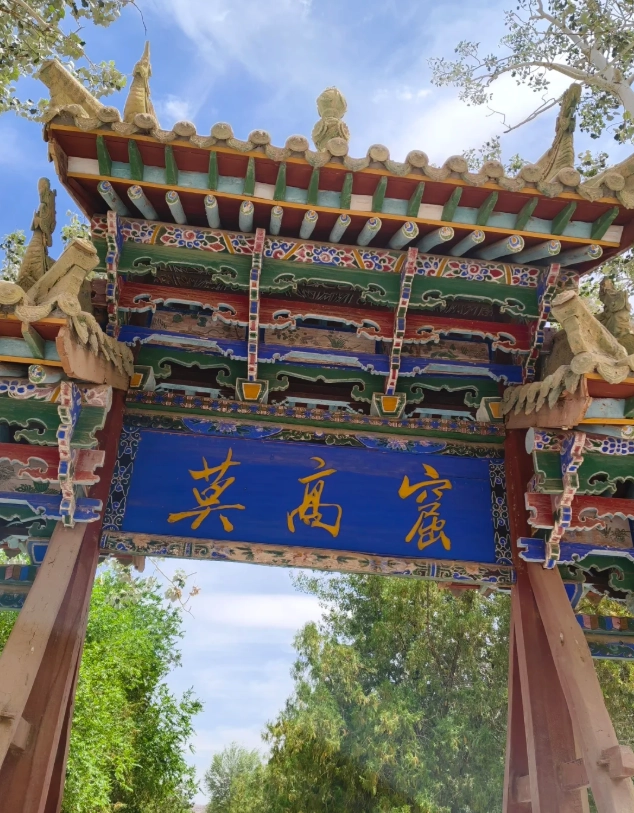
Frequently Asked Questions About Gansu Tourist Attractions
Verified and fact-checked by the editorial team.





No comments yet.