 Tao Xu
Quick Bites: What's Inside
I'm wiping sesame paste off my chin. Again. That's what happens when you lead a food tour through Wuhan's back alleys. You never say no to a second bowl of hot dry noodles.
I've been guiding visitors through Hubei for over a decade, and when people ask what to eat in Hubei, they usually expect a list. But here's the truth: the real deal isn't in glossy guidebooks. It's on a plastic stool at 7 AM, with a paper cup of soy milk in your other hand.
Skip the famous but overcrowded Huti Xiang snack street for now. I'll tell you exactly where to go and what to order — plus how to pay, how to order without Chinese, and which dishes are worth the calories.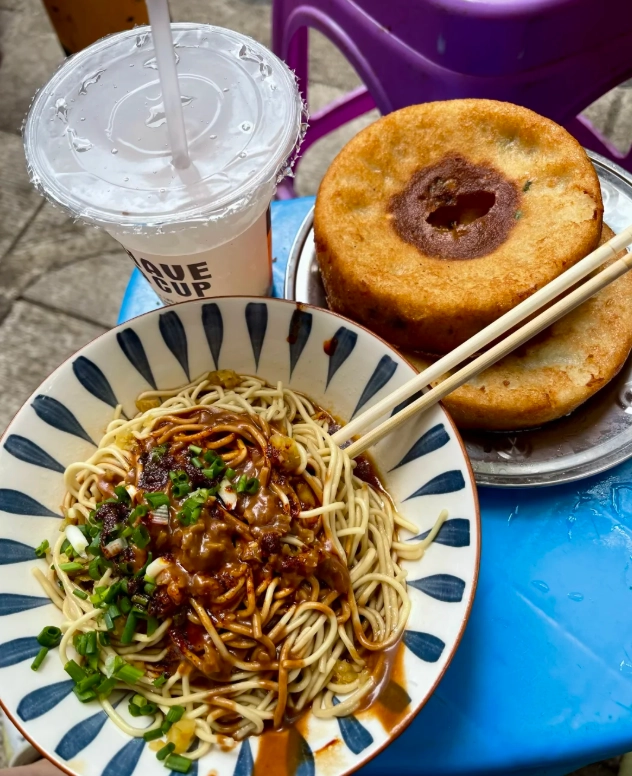
What to Eat in Hubei: 5 Dishes that Define the Province
Before you dive into the checklist, know this: Hubei food is bold, greasy, and unapologetically carb-heavy. It's not delicate Cantonese dim sum. It's food built for laborers, students, and anyone who needs fuel by 8 AM. Here's my non-negotiable top five.
1. Hot Dry Noodles (热干面)
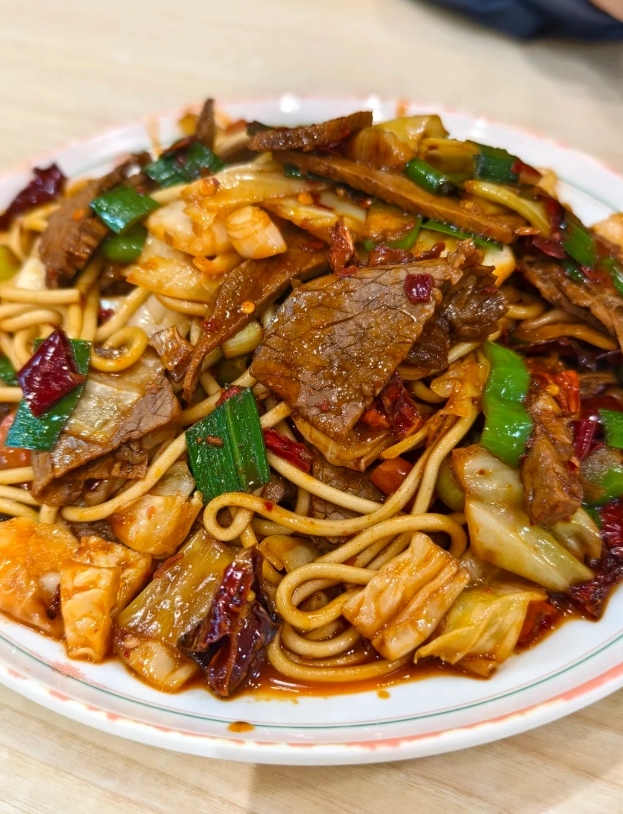
The undisputed king of Wuhan breakfasts. These are chewy alkali noodles tossed with sesame paste, chili oil, pickled vegetables, and a splash of soy sauce. The trick is to mix fast before they clump. I always order mine with an extra spoon of chili crisp — local style.
Where to find it: You'll spot it everywhere, but the quality varies wildly. Skip the touristy snack streets and follow the locals to any small stall with a line before 9 AM. My current go-to is a nameless shop near the old concession area on Shengli Street — but honestly, if the cook is over 40 and the noodles are steaming, you're in the right place.
Pro Tip: Don't ask for 'mian' without the 're gan.' Just point at the pot and say '一碗热干面' (one bowl). If your Mandarin is zero, show this: 热干面.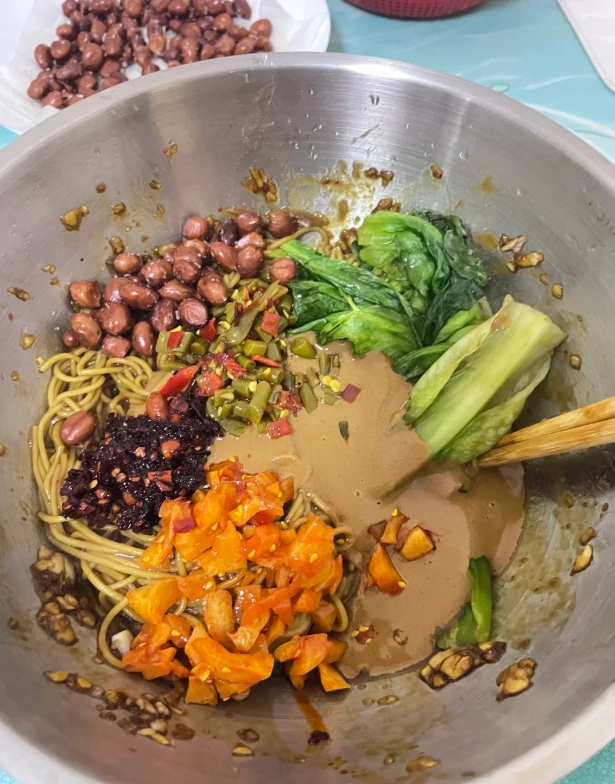
2. Duck Neck (鸭脖)
This is Hubei's answer to buffalo wings — a spicy, salty, bone-sucking snack that takes serious focus. You eat it while drinking beer, watching TV, or chatting with friends. The heat creeps up, then slaps you.
Where to find it: Zhou Hei Ya (周黑鸭) is the famous chain, but I prefer the small braised-meat shops (卤味店) near residential areas. Ask for '微辣' (mild) if you're not used to Sichuan-level heat. For a fun experience, buy a mix of duck neck, duck wings, and lotus root slices, then snack on a park bench by East Lake.
3. Lotus Root Soup (排骨藕汤)
Hubei is the lotus capital of China, and this soup is pure comfort. Pork ribs simmered with starchy lotus root that turns soft and slightly sweet. The broth is milky and silky — perfect for cold October evenings.
Where to find it: Many restaurants serve it, but home-style versions are best. Look for '藕汤' on the menu in any local Wuhan restaurant. The famous 'Hubei Style' restaurants near Baibu Pavilion are reliable, but expect a 20-minute wait at dinner.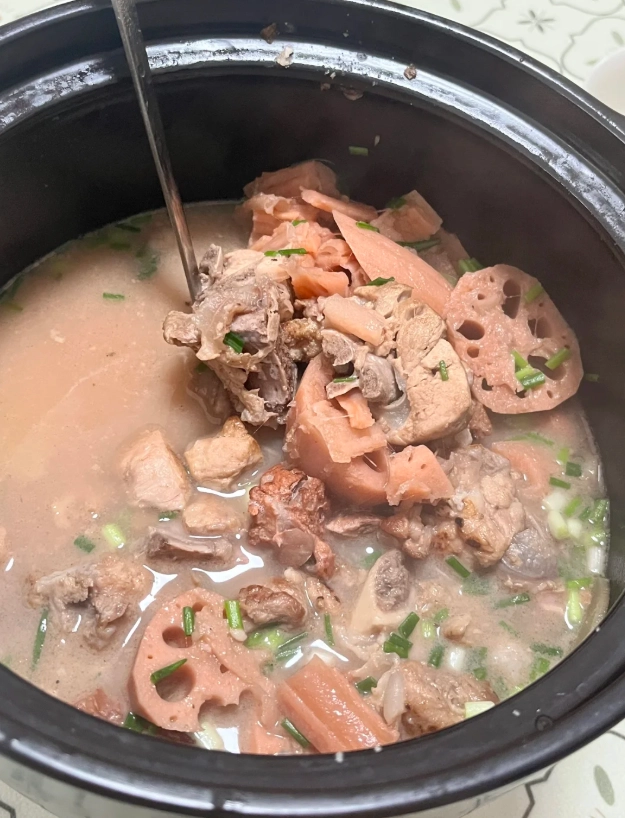
4. Doupi (豆皮)
Don't let the name confuse you — it's not tofu skin. This is a square of egg-and-rice batter topped with sticky rice, diced pork, mushrooms, and bamboo shoots, then fried until crispy on the outside. It's a protein-packed breakfast that'll keep you full until lunch.
Where to find it: The legendary 'Laotongcheng' (老通城) restaurant in Hankou is the classic spot, but they've shortened their hours. If you miss it, any hotel breakfast buffet will have a pale imitation. For the real deal, ask your homestay host or look for a vendor selling it off a giant iron pan.
5. Wuchang Fish (武昌鱼)
This fish comes from nearby Liangzi Lake. It's usually steamed with fresh ginger, scallions, and light soy sauce — delicate and slightly sweet. Unlike the heavy dishes above, this one lets the freshness speak.
Where to find it: Many restaurants in the Wuchang district specialize in it. Try a place near the Yellow Crane Tower, but avoid the ones directly facing the gate — they overcharge. I always walk one block deeper into the neighborhood for better prices and smaller crowds.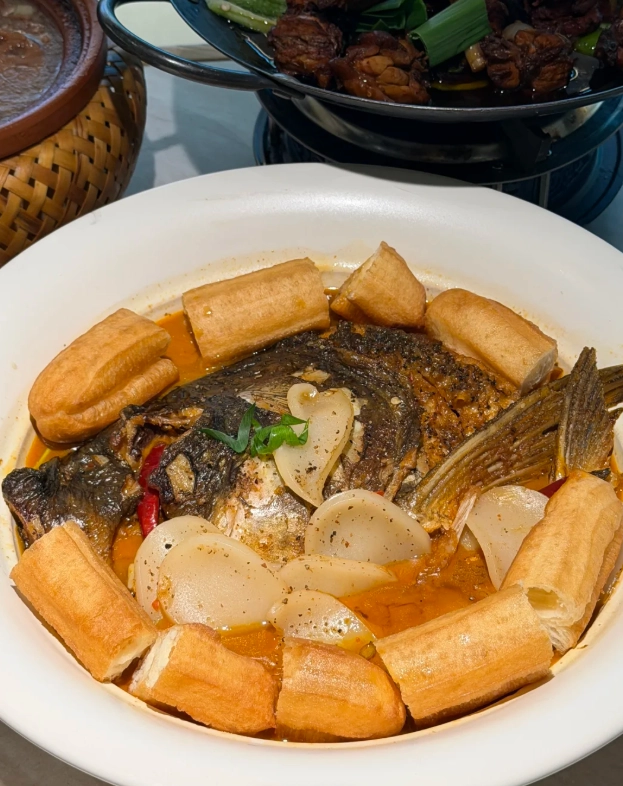
Insider Advice: You'll see a lot of 'Hubei famous dishes' lists online. Ignore the generic ones. The five above are what actual locals eat every week. Print this page before you arrive.
How to Order What to Eat in Hubei Without Speaking Chinese
Let's be honest. Unless you've studied Chinese, ordering here is a challenge. But it's nowhere near impossible. The following are the three barriers you'll face — and how to crush them.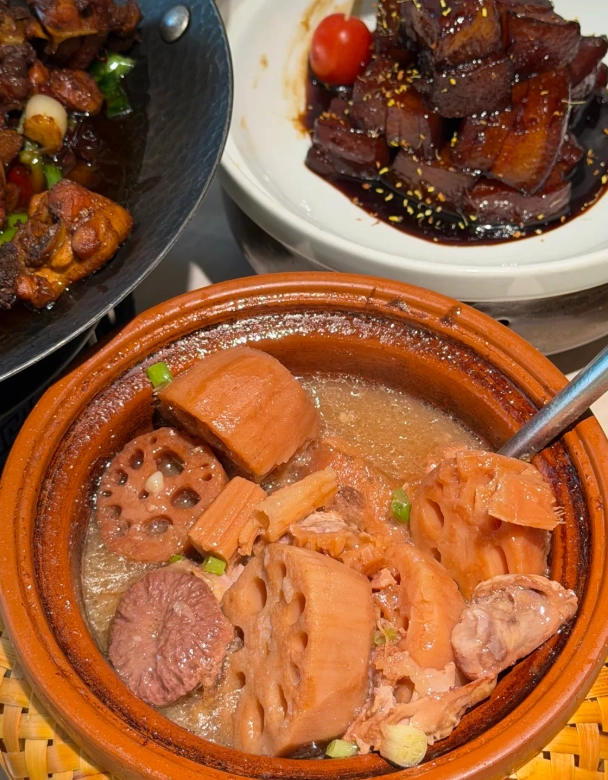
Payment: It's All About Your Phone
Almost every food stall in Hubei operates cashless and mobile-only. You'll need Alipay or WeChat Pay. Yes, you can use international credit cards through those apps, but you'll have to set it up before you land. If you haven't, your hotel receptionist or a friend with a Chinese bank card can help. Cash is rarely accepted — in fact, many places simply won't take it.
My advice: Link your Visa or Mastercard to Alipay right now. It takes 10 minutes and saves you from awkward moment #1. Also, don't forget to check the latest visa rules on the National Immigration Administration website — entry requirements can change without much notice.
Finding the Right Stall: Maps Are Not Your Friend
Google Maps is a ghost here. It fails to show accurate walking routes or real-time reviews. Instead, use Apple Maps for basic navigation, or invest in a local app like 高德地图 (AMap) which has an English version called 'AMap Global.' Even with English, the interface is clunky. My trick? Ask the nearest hotel doorman to write a name in Chinese. Then show it to a taxi driver or type it into a ride-hailing app like Didi.
Communication: Point, Smile, Repeat
Most vendors don't speak English. But they're remarkably patient with enthusiastic foreigners. Here are three phrases that work every time:
- 'This one' — while pointing at the menu or food item.
- 'Spicy?' — '辣不辣?' (là bù là?)
- 'One bowl please' — '一碗,谢谢' (yī wǎn, xièxiè)
Also, turn on a translation app like Apple Translate or Baidu Translate before you go. I always tell my guests to download the Chinese packs for offline use — Wi-Fi isn't always friendly to foreigners trying to load menus.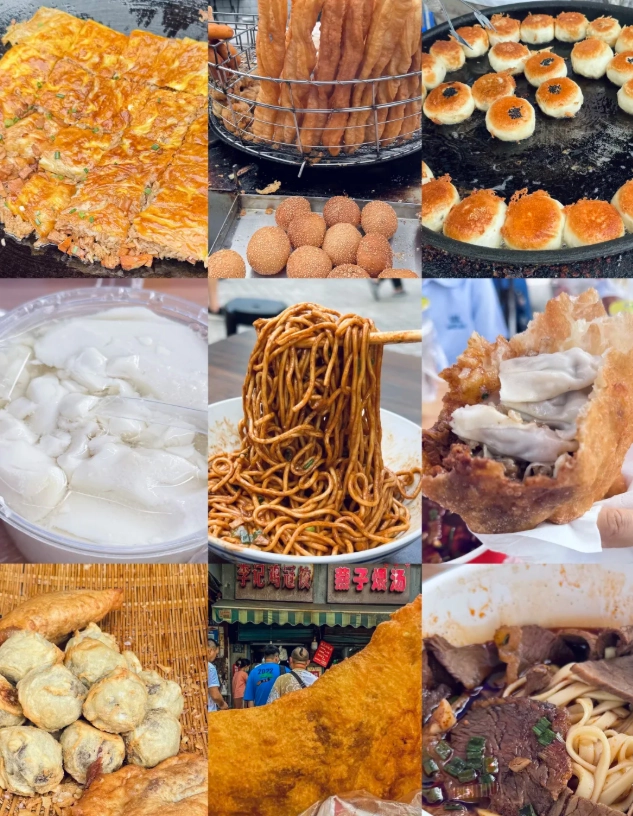
Pro Tip: Carry a card with your hotel's name and address in Chinese. You'll need it for taxi rides after late-night noodle crawls.
Where to Eat in Hubei: My Favorite Wuhan Spots
Wuhan is the food capital of Hubei, so most of my recommendations are here. But remember: the best meals often happen where you stumble upon a long line. Below is a quick reference table to get you started.
| Restaurant / Stall | Specialty | Price Range (per person) | Best Time to Go |
|---|---|---|---|
| 蔡林记 (Cailin Ji) — multiple branches | Hot dry noodles | ¥8–15 | Before 9 AM |
| 老通城 (Laotongcheng) — Hankou | Doupi | ¥15–25 | 11 AM – 2 PM |
| 周黑鸭 (Zhou Hei Ya) — everywhere | Duck neck & more | ¥20–40 | Anytime |
| 小亮蒸虾 (Xiaoliang Steamed Shrimp) — multiple locations | Steamed crayfish | ¥60–100 | Evening (seasonal) |
| 户部巷 (Hubu Alley) | All-in-one snack street | ¥20–50 | Early morning or late night |
Don't be blinded by the 'must-visit' label on Hubu Alley. It's packed with tourists and the quality is inconsistent. I'd rather send you to a local breakfast spot. If you do go, go at 7 AM before the crowds.
For a full sit-down meal, 'Xiaoguan' (小관) restaurants serve authentic home-style Hubei dishes. Look for ones that are busy with locals — they're always better than the shiny English-menu spots.
Beyond Wuhan: A Quick Stop in Yichang
If you're heading to the Three Gorges, try Yichang's radish dumplings (萝卜饺子) — a crispy, stuffed treat sold by street vendors. It's spicy, savory, and absolutely perfect for a post-dam hike snack. Before jumping on the train, remember to book your bullet train tickets through China Railway's official portal — walk-up tickets rarely exist.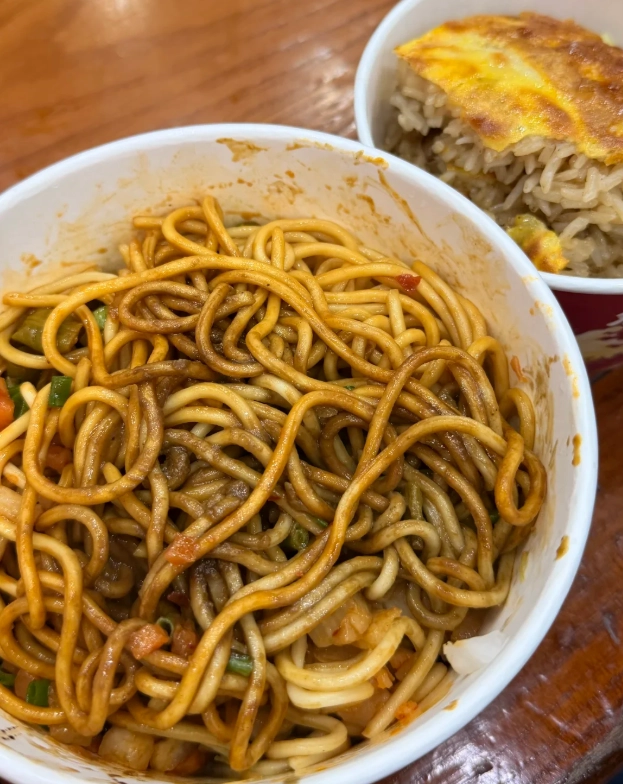
What to Drink in Hubei: The Perfect Pairing
Don't just drink water. Hubei has a few drinks that make the local food even better.
- Egg & rice wine (蛋酒) — a warm, frothy dessert drink made with fermented rice and beaten egg. It's sweet, slightly tart, and milky. Perfect to soothe your tongue after a spicy meal.
- Mijiu (米酒) — sweet fermented rice wine, served either warm or cold. Often sold in cups on the street.
- Fresh soy milk (豆浆) — unsweetened, with a strong beany flavor. Best paired with hot dry noodles.
- Jingzhou's rice wine — if you're in Jingzhou, don't miss their local cultural rice wine. It's stronger than Wuhan's version.
In terms of alcohol, local beers like 'Wuhan Beer' (武汉啤酒) are light and refreshing. If you want something stronger, a small bottle of 白云边 (Baiyunbian) brand baijiu will knock your socks off — but sip it slowly.
Insider Advice: Ask for '温' (warm) for your egg wine in winter. It's a different experience when you're shivering.
Vegetarian Options: What to Eat in Hubei with Dietary Limits
Being vegetarian in Hubei is easier than you think. The challenge is hidden meat — especially minced pork in 'vegetable' dishes.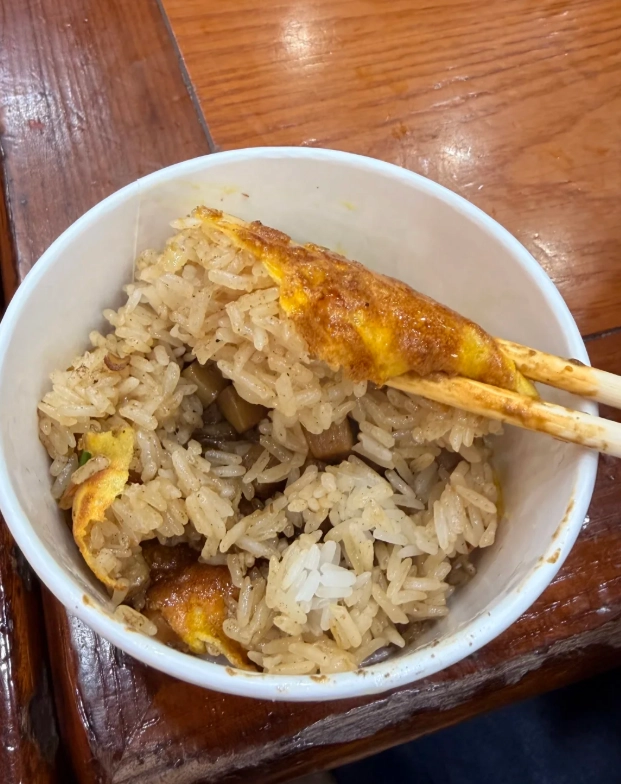
Start with these safe picks:
- Hot dry noodles — the classic version has no meat, but watch out for pork in the seasoning. Ask for '不放肉' (no meat).
- Lotus root stir-fry (清炒藕片) — ask for it without pork flakes.
- Steamed Wuchang fish — if you eat fish, this is fine. If not, skip.
- Doupi — usually contains pork and mushrooms. Not safe for strict vegetarians.
- Eggplant (烧茄子) — often made with garlic and no meat, but confirm.
My best practice: carry a small translation card that says 'I am vegetarian, no meat, no fish, no shrimp'. Show it at every restaurant. You can find printable versions online. Trust me, it saves you from accidental pepperoni in a pancake.
Also, many Buddhist temples in Hubei serve excellent vegetarian meals. The ones near Guiyuan Temple in Wuhan offer a peaceful, clean lunch at incredibly low prices.
What to Eat in Hubei? FAQs for First-Time Visitors
Is Hubei food spicy like Sichuan?
It's not as numbingly spicy as Sichuan, but it has a solid kick, especially in snacks like duck neck. The heat comes from dried chilies and chili oil, not numbing peppercorns. If you're sensitive, always say '不要辣' (no spice). You'll still get a little, but less.
Can I use my credit card directly at restaurants?
Rarely. Most vendors accept only mobile payment. Link an international card to Alipay or WeChat Pay before your trip. If you have trouble, buy a prepaid transportation card — some convenience stores accept it, but it's not universal.
What should I do if I have a peanut allergy?
Careful — sesame paste is everywhere, especially in hot dry noodles. Sesame is not a peanut, but cross-contamination is possible. Carry an allergy card that explains your allergy in simple Chinese, and avoid salads and cold dishes where nuts might hide. In emergencies, look for hospitals with allergy departments.
Are there any late-night food options?
Absolutely. Wuhan's night market culture is strong. Start at Baibu Pavilion or the streets behind Wuhan Plaza after 10 PM. You'll find skewers, crayfish, and 小龙虾 (crayfish) in summer. Don't expect English menus though.
What's the best time of day to eat hot dry noodles?
Before 9 AM — no exceptions. After 10 AM, the noodles are often stale and the local cooks have moved on to lunch prep. Set that alarm.
Verified and fact-checked by the editorial team.





No comments yet.