 Hong Ma
What I'll Cover in This Guide
I've been guiding travelers through Ningxia for over a decade, and I still get goosebumps every time I stand on the edge of a dune, watching the Yellow River bend. This is China's smallest region by population, but it's packed with scenery that feels from another planet. After countless trips, I've boiled down the best places to visit in Ningxia to seven that truly shock people. If you only have three days, skip the sideshows and focus on Shapotou and Western Xia Tombs—they're the heavy hitters.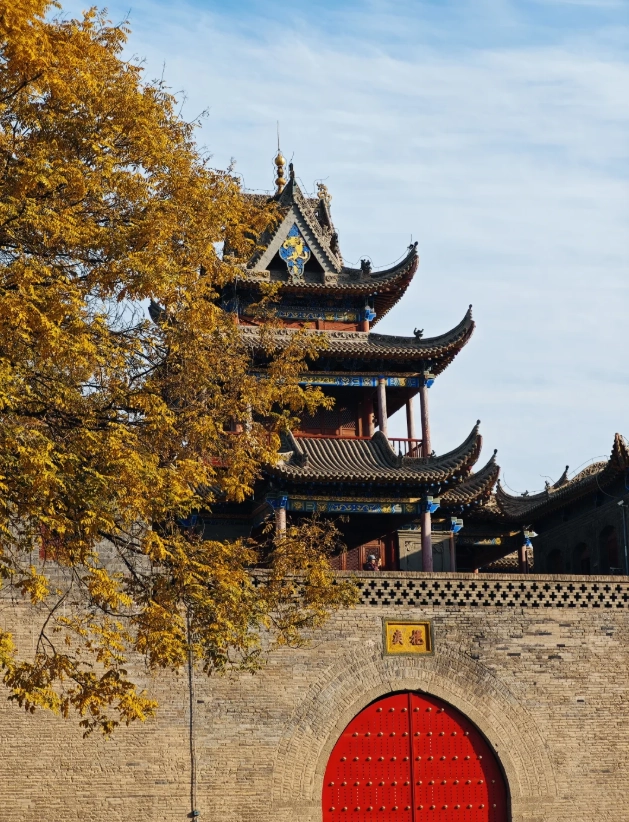
Why Ningxia Deserves Your Trip
Ningxia is not on the typical Beijing-Shanghai tourist loop, and that's exactly why you should go. It's authentic, uncrowded, and cheap. You'll find a Buddhist pagoda colony, desert lodges with glass ceilings, and the most Instagrammable movie set in Asia. The province is wedged between the Yellow River and the Gobi Desert, giving it a stark beauty that's impossible to match. No wonder it's slowly getting noticed on the world stage.
The 7 Best Places to Visit in Ningxia
I'll list them in order of my personal preference, but honestly, all seven are worth your time. Here's a quick overview table.
| Attraction | Ticket Price (approx) | Opening Hours | Ideal Time |
|---|---|---|---|
| Shapotou | 100 RMB | 8:00 AM - 6:00 PM | 3-4 hours |
| Sand Lake | 80 RMB (with boat) | 8:30 AM - 5:30 PM | 3 hours |
| Western Xia Tombs | 75 RMB | 8:00 AM - 6:00 PM | 2-3 hours |
| Helan Mountain Rock Art | 60 RMB | 8:00 AM - 5:30 PM | 2 hours |
| Zhenbeibu Film Studio | 100 RMB | 8:00 AM - 6:00 PM | 2-3 hours |
| Shuidonggou | 60 RMB | 9:00 AM - 5:00 PM | 2 hours |
| Xumi Mountain Grottoes | 70 RMB | 8:30 AM - 5:30 PM | 2-3 hours |
1. Shapotou: Where Desert Meets Yellow River
Shapotou is the crown jewel, a massive dune field that crashes right into the Yellow River. You can ride a camel, sandboard down a 200-meter slope, or take a raft made of inflated sheepskins—yes, really. But here's my insider trick: go at 4 PM, not noon. The sand hits 60°C in the afternoon, and the crowds vanish around sunset. The desert-crossing cable car is worth the 60 RMB extra.
Getting there: From Yinchuan, take the bullet train to Zhongwei (about 1.5 hours), then a 20-minute taxi. The east gate is the main entrance; the west gate is less crowded but requires a short shuttle.
Watch out: The entrance ticket includes insurance, but the desert shuttle bus costs extra. Also, bring your passport—you'll need it to buy the ticket at the counter.
2. Sand Lake: A Desert Oasis That Feels Like a Mirage
Sand Lake (Shahu) is a 10,000-acre wetland where desert sands meet freshwater reeds, national bird colonies, and flying boats. It's a favorite among local photographers, but many foreign guides skip it. The must-do is the pontoon boat ride through the reed maze—it's silent and magical. I always tell my clients to buy the combined ticket with the ferry to the dune side; the island has a camel landing spot and a small museum.
Location: It's 45 minutes northwest of Yinchuan by car. There's no direct bus, so take a taxi or join a small group tour. Average taxi cost from downtown is about 120 RMB.
3. Western Xia Tombs: The Pyramid of the Orient
This UNESCO-listed mausoleum complex holds the burial chambers of nine Xixia emperors, with dramatic earthen pyramids that haunt the Gobi plains. Unlike Egypt's smooth pyramids, these are chunky, stepped mounds that look like a giant's playground. The museum inside is actually excellent, with artifacts from the vanished Xixia civilization. The number 3 tomb is the largest—make sure you don't stop at the crowd-free but less impressive tombs.
Access: It's 30 minutes west of Yinchuan. Take bus 303 from the city center, or hire a taxi for 80-100 RMB round trip. Plan for 2-3 hours; the site is spread out, and the shuttle bus is worth paying for.
Pro tip: The electronic audio guide is in Chinese only, but the English panels cover the essentials.
4. Helan Mountain Rock Art: Ancient Petroglyphs in the Red Canyons
The Helan Mountain cliffs are a canvas for up to 10,000-year-old carvings from nomadic tribes—watch for goats, hunters, and a sun deity. You'll walk along a wooden boardwalk with these carvings right at eye level. At the end, there's a huge sun altar that's used for sunrise concerts during the summer. The true hidden gem is the small museum at the entrance, which has replicas if you're visiting in winter when ice makes the trails slippery.
Tip: It's 50 kilometers from Yinchuan. The public bus 108 goes to the east slope, but the last return bus leaves at 5 PM—schedule your visit early.
5. Zhenbeibu Western China Film Studio: Where 'Rouge' and 'A Chinese Odyssey' Were Shot
This is the 'wild west' of China—a sprawling set of clay-walled forts, old village lanes, and vintage storefronts that have served as the backdrop for over 100 films. For a foreigner, it's a surreal blast to wander through a 19th-century Chinese frontier town. You'll recognize scenes from Stephen Chow's classic comedy. It's also surprisingly social—locals dress up in period costumes for photos.
Getting there: 3,000 meters from the Helan mountain rock art site, so combine them in one day. There's a direct bus from Yinchuan (line 708) and taxis are easy to find.
Cost: 100 RMB entrance, but the 65 RMB audio guide is worth it for the film trivia.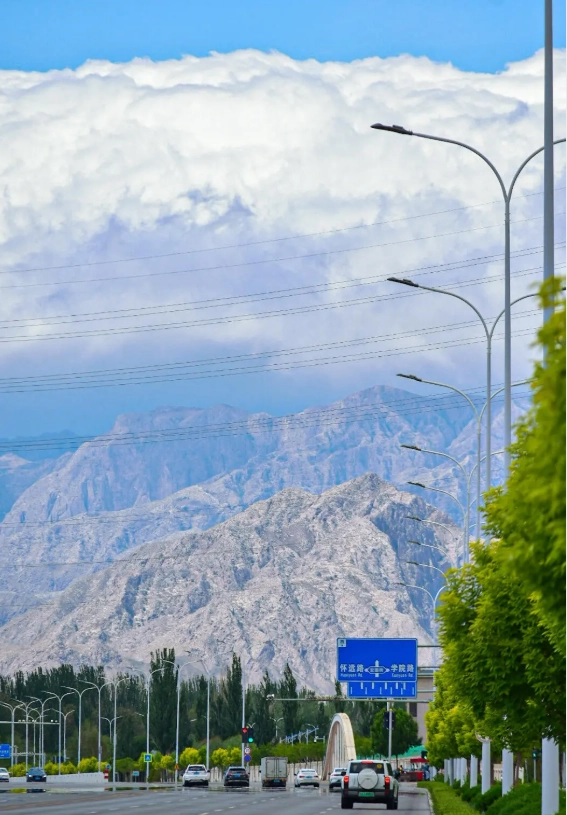
6. Shuidonggou: A Forbidden Village with a Subterranean Passage
Shuidonggou is a troglodyte village where ancient Qiang people carved homes and defense tunnels into the yellow earth. You can crawl through a 100-meter secret tunnel that leads to a watchtower overlooking the Yellow River. Most travelers fly through in an hour, but I always recommend spending two—the little-visited far end has a desert boarding base for camel rides and even a Tibetan-style tower.
Location: 26 kilometers east of Yinchuan. Bus 21 from the South Road bus station gets you there in 40 minutes, or a taxi will cost 70 RMB.
7. Xumi Mountain Grottoes: The Lesser-Known Cave Temples of Ningxia
Xumi Mountain, or Xumishan, is a smaller, eerier version of Dunhuang's Mogao Grottoes but with a fraction of the visitors. Located near Guyuan in the south, it's a full day trip from Yinchuan, but I always say the journey is worth it. The carved Buddha statues survive in a lonely desert canyon, and the views from the summit are breathtaking. The last repair project closed a few caves, but you can still see the giant south-dynasty Buddha.
How to go: High-speed rail from Yinchuan to Guyuan (1 hour), then a local bus to the site (about 1 hour). Or, if you're feeling ambitious, take the daily tourist bus from Ningxia Museum.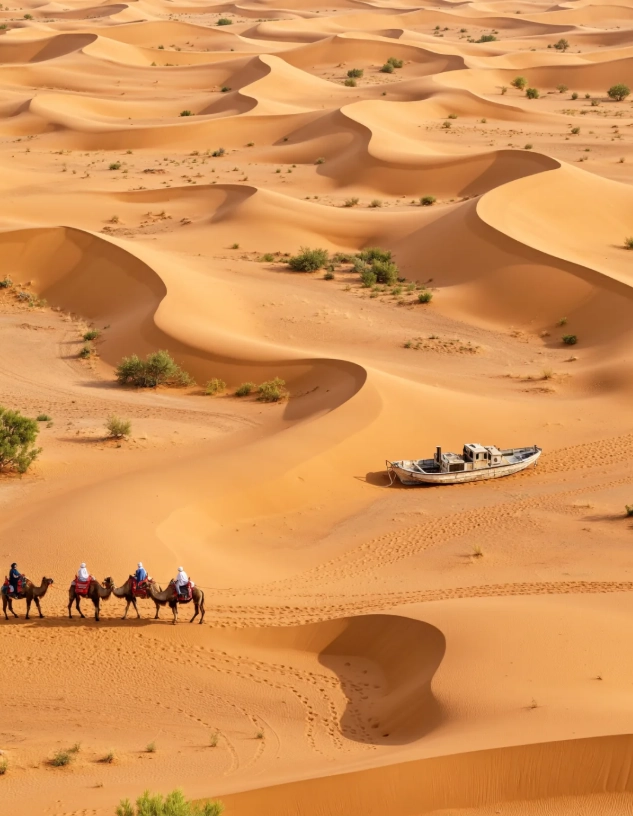
How to Get Around Ningxia Without a Private Driver?
You can't rely on public buses for everything, so here's my lowdown:
- Trains: The high-speed rail between Yinchuan and Zhongwei is the fastest way to reach Shapotou. Book tickets online through the official 12306 website — you'll need your passport number and a working phone number.
- Taxis and ride-hailing: Didi (like Uber) works well in Yinchuan. The app is in Chinese, but you can use a translation overlay or just ask your hotel to call a taxi. In tourist towns like Shapotou, taxis are metered.
- Buses: City buses in Yinchuan cost 1-2 RMB and include English announcements at key stops. For day trips, the tourist bus 708 to Zhenbeibu is reliable.
- Group tours: If you prefer not to coordinate, many hostels in Yinchuan offer small-group tours to the western sites.
What Should You Know Before Visiting Ningxia?
Here's the real talk — I've had clients struggle with these things:
Payments & Connectivity
Carry cash as a backup, but rely on cashless first. WeChat Pay and Alipay are accepted everywhere, even at street vendors. They work with international cards if you've set them up. However, some ticket counters accept only cash or local card, so always have 100-200 RMB on you. For internet, download a VPN before you arrive, and use Apple Maps or AMap (高德) for navigation — Google Maps is notoriously unreliable here.
Booking Tickets with a Passport
Most attractions require you to buy tickets with your passport number, even if you purchase online. You can use the official WeChat mini-programs, but they're in Chinese. Simpler: use Trip.com or Klook to book in advance — they handle the passport registration for you. Show your physical passport at the entrance to get your paper ticket. For the latest visa and entry rules, consult the National Immigration Administration.
I guarantee you'll need a VPN and a translation app. Download 'Apple Translate' with the Chinese-English pack offline — it's a lifesaver.
Crowd Avoidance & Best Time to Visit
Go to Shapotou at 4 PM, not 10 AM. The morning tour buses drop off big groups, and the sand gets scorching. For the Western Xia Tombs, try to arrive right at opening time; the place can get noisy by 10:30. If you're visiting in July-August, be prepared for high temperatures — wear a hat and light layers.
Where to Stay in Ningxia
For most travelers, Yinchuan is the best base. But if you're obsessed with desert sunsets, spend a night in Zhongwei. Here's how I usually book:
Yinchuan: The Gateway
Base yourself in the Xingqing District, near the Drum Tower. You'll be walking distance to the night market and the charming 'Mosque District.' I recommend the Zhongshan Hotel (3-star, about 300 RMB/night) for its central location, or the Grand Mercure for a bit more luxury. Taxis to the train station cost about 30 RMB.
Zhongwei: The Desert Base
The best stay is the Desert Star Hotel, a set of glass domes right on the dunes. It's part of the Shapotou area and can be booked online (expect 800-1200 RMB per night). If you're on a budget, there are decent guesthouses in the county town, about a 20-minute drive from the entrance.
For budget backpackers, Yinchuan Hostel is a famous spot with English-speaking staff and free breakfast.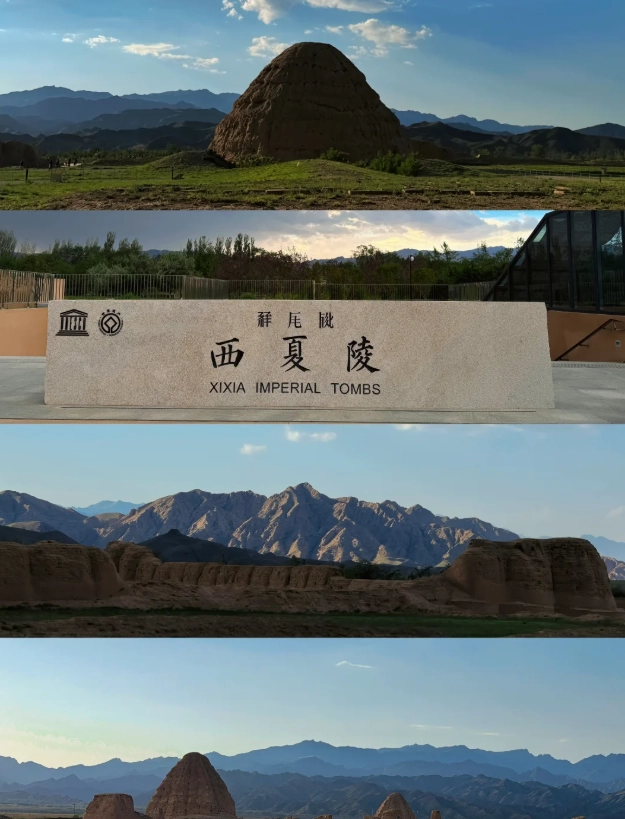
FAQs About Ningxia Travel
This content has been fact-checked to ensure informational precision.






No comments yet.