 Tao Xu
You’re sweating before 9 a.m. The group tour bus just dropped you at a shopping mall. I’ve seen it happen a hundred times. But I’ve also seen travelers’ faces light up when they step into a 19th-century clan hall or walk beneath UNESCO’s towering diaolou watchtowers. Those are the real best places to visit in Guangdong – and they’re tucked far away from the standard guidebook.
In the first 100 words this guide hits the core: if you’re searching for the best places to visit in Guangdong without wasting hours on group tours or broken phone payment systems, you need a local’s itinerary. I’ve lived here for over a decade, led countless private tours, and navigated every tiny alley and ticketing quirk in the province. Let me cut the fluff and give you the real route – plus the exact tricks to avoid the crowds and the digital traps.
Why Guangdong Instead of Beijing or Shanghai?
First things first – Guangdong isn’t just another stop on the tourist trail. It’s a cultural powerhouse with a unique southern edge. While the rest of China shows palaces and neon skylines, Guangdong offers something grittier and more authentic: ancient villages, colonial arcades, sizzling street food, and a dialect that sounds like music. The province is also the birthplace of Cantonese cuisine and the famous overseas Chinese migration story. Skip the crowded capital and dive into a region that feels completely different – yet remains surprisingly accessible from Hong Kong or Shenzhen.
You’ll hear locals say “Guangzhou isn’t China’s garden – it’s China’s workshop.” That’s the old misconception. Behind the factories lie hidden gems, many now protected by UNESCO and the national heritage system. And unlike Beijing, most sites here allow you to wander without a guide – if you know how to get there.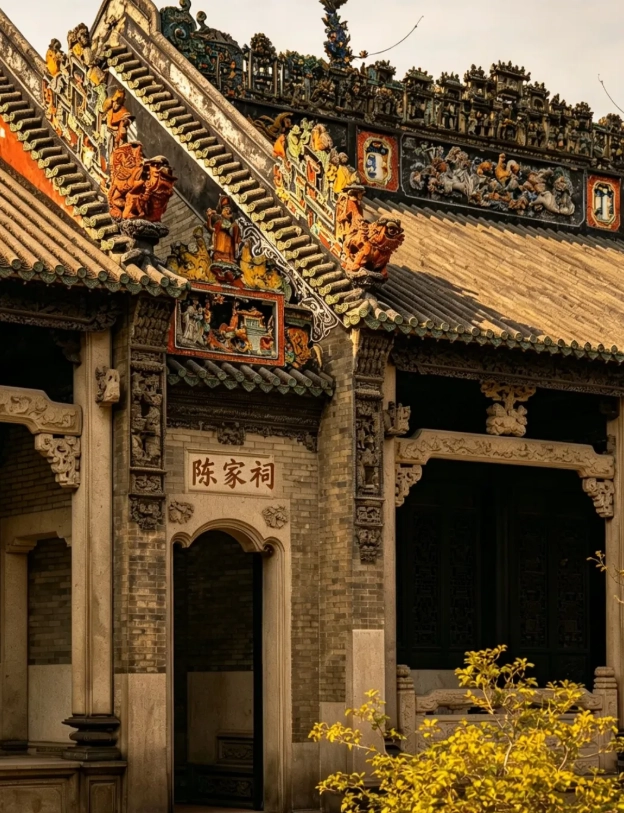
The 7 Best Places to Visit in Guangdong
These are my go-to spots after years of testing alternatives. They mix history, architecture, and real daily life. I’ll share the honest downsides too – no sugar-coating.
1. Chen Clan Ancestral Hall – The Soul of Cantonese Craftsmanship
This isn’t just a museum; it’s a masterclass in southern detail – from the stone-carved doorways to the woodcarving on every beam. Located at 34 Enlong Li, Liwan District, Guangzhou, it’s a 5-minute walk from Chen Clan Academy Station (Line 1, Exit D). The hall dates back to 1894 and was once a clan school, now serving as the Guangdong Folk Art Museum.
I always bring clients here first because it sets the visual language for everything else you’ll see. The intricate clay sculptures on the roof are protected by crab-shaped eaves – a detail most visitors miss. Admission is around 20 RMB for adults, and you must show your passport at the ticket window (real-name registration is required). Opens at 9 a.m.; close early on Mondays, so plan around it. For the best light and minimal crowds, arrive right at 8:50 a.m. and be first in line. Two hours is enough, but photography buffs might stay thrice as long.
Insider Advice: The main courtyard can get sweltering by noon. Wear a hat and carry water.
2. Shamian Island – A Colonial Time Capsule
Imagine a quiet tree-lined street where Portuguese, French, and English architecture melts into leafy squares – that’s Shamian. Once an important foreign concession during the 19th century, this tiny island sits along the Pearl River, just west of the city center. Take Metro Line 1 to Huangsha Station, Exit D, cross the footbridge, and you’ll land straight on Shamian’s southern edge.
The island is traffic-free, so it’s perfect for slow afternoons. Rent a tandem bike or just wander. On a Sunday, you’ll see families having picnics and groups of older men playing Chinese chess. The former European consulate buildings now house cafés and art galleries. Honestly, the best part isn’t a specific building – it’s the vibe. I suggest grabbing a coffee from the Old Guangzhou Café (Shamian South Street) and sitting by the water. There’s no entrance fee, and the island is open 24/7.
One warning: the cobblestones can get slippery after rain. Keep your camera strap secure.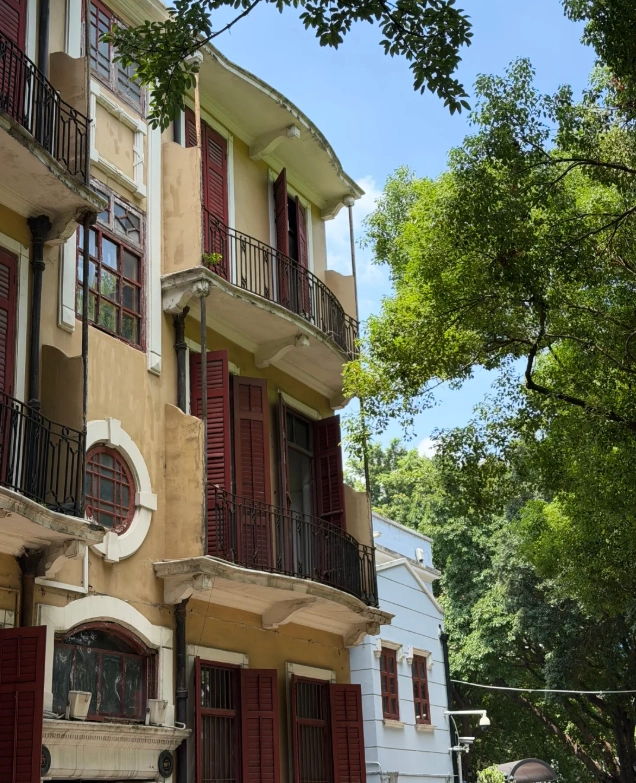
3. Canton Tower – Get the View, Skip the Line
You can’t come to Guangzhou and not see its futuristic needle – but you can avoid the tourist trap around it. The tower itself is stunning at sunset, with its curves turning pink and gold. Instead of paying 150+ RMB to go up, I suggest enjoying the view from the neighboring Haixinsha Park (free) or the waterfront promenade. For a cheap elevated perspective, hop on the APM line to the Canton Tower Station and ride up to the 7th floor of the nearby K11 mall – you get a great photo without queuing for hours.
If you really want the top, book your ticket online via Trip.com or the official WeChat account (search for “Guangzhou Tower”) to skip the window line. Bring your passport – they check it at the entrance. The tower opens at 9:30 a.m., but the best photos are from 5 p.m. to 7 p.m. when the city lights begin to flicker. Take the metro Line 3 to Canton Tower Station – but be warned, this area is swarming with selfie sticks.
4. Foshan Ancestral Temple – Where Kung Fu Met Tile Art
This Taoist temple complex is a jaw-dropping showcase of ceramic and brick sculptures, and it’s also the spiritual home of Wing Chun. Located at 21 Zumiao Road, Foshan, a 40-minute metro ride from Guangzhou (take Guangfo Line to Zumiao Station, Exit C). The temple dates back to the 11th century and features stunning rooftop figures – each with its own story. The complex also houses a martial arts hall with a small museum dedicated to Wong Fei-hung.
Admission is around 20 RMB; you can combine it with the adjacent Foshan Lingnan Tiandi – a renovated old quarter full of eateries and boutiques. Give yourself half a day to soak in both. The temple opens at 8:30 a.m. and closes at 5:30 p.m. I always bring clients here after they’ve seen Guangzhou because it gives context to Cantonese pop culture – kung fu movies and Cantonese opera are born from this same soil.
Pro Tip: Look up at the East Hall’s roof – the ceramic figures are famously detailed, but most people walk right under them.
5. Kaiping Diaolou – UNESCO’s Multi-Story Watchtowers
These fortified towers, built by overseas Chinese, are unlike anything else in the world – and they’ve earned a UNESCO listing. Kaiping is a rural area about two hours from Guangzhou by bus or car. The most accessible site is the Zili Village (自力村), where you can climb a few of the diaolou and see the fields below. The towers usually charge a combined ticket of around 50 RMB, and you can buy it at the ticket office in the village. The village itself is small and walkable; a carriage ride is touristy but fun.
Getting there is the tricky part. I recommend taking a direct bus from Guangzhou’s Yuexiu Long-distance Station to Kaiping Bus Station (about 2 hours), then a local taxi (15 minutes) to Zili Village. Alternatively, rent a car on a local platform for a day – this gives you the freedom to stop at other towers like the Jinjiangli cluster. Go early: by 11 a.m. the tour groups arrive in buses. Makes sure to have enough cash or a loaded payment app – the village vendors rarely accept international cards.
Honest warning: the rural roads between towers are narrow and bumpy. If you get motion sickness, bring drugs.
6. Chaozhou Ancient City – A Foodie’s Shangri-La
No place in Guangdong better preserves the old street-side culture than Chaozhou – and the food is off the charts. The best places to visit in Guangdong for food lovers all converge here. The old city area clusters around the Kaiyuan Temple, with wooden shopfronts selling rice noodle rolls, beef balls, and sweet ginger tea. Don’t miss the Guangji Bridge (also known as Guangzhou Bridge) – it has a movable middle section made of boats.
Chaozhou is about a 2.5-hour drive from Shantou or 3 hours from Guangzhou by bullet train (Shenzhen North to Chaozhou). Once in the old city, wander the narrow lanes; you’ll find hidden shrines and tiny eateries. The Dongmen Street is the liveliest spot at night for street food. Bring small bills because stalls rarely provide change – which is rare even in rural China. No entrance fee for the old city, but the bridge has a small fee (about 20 RMB) if you want to walk across.
Bring your appetite and an adventurous spirit. This is the only city where I happily skip breakfast at the hotel so I can have four different snacks before noon.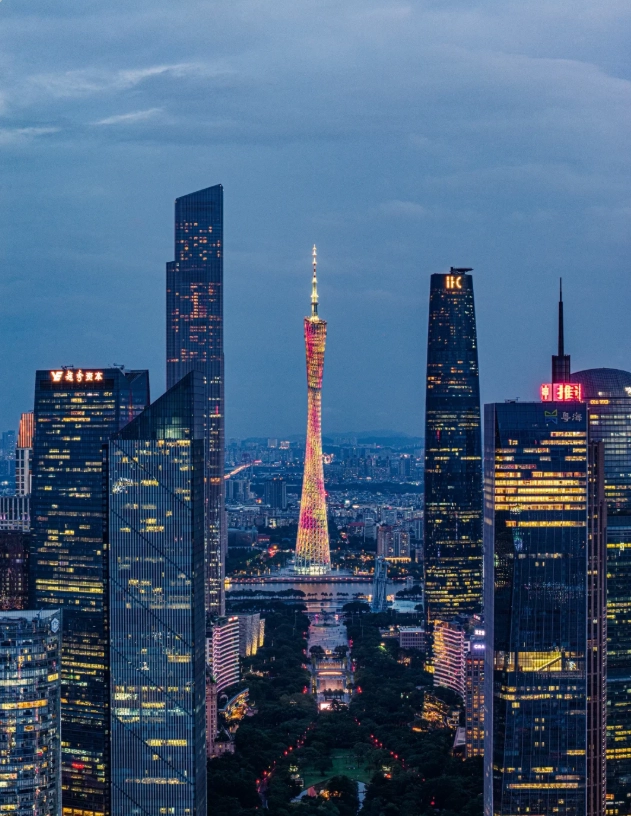
7. Baiyun Mountain – Green Escape Above the City
When you need a break from the concrete, this lush tangle of peaks offers karaoke-singing middle-aged hikers and the city’s best morning air. Baiyun Mountain (White Cloud Mountain) sits in northern Guangzhou, with several entrances. The South Gate is the most common for tourists – take Metro Line 2 to Baiyun Culture Square Station, then a taxi or bus to the gate. The gate opens at 6 a.m., and there’s a small entrance fee (about 10-15 RMB) plus extra for the cable car.
The wooden stair trails lead to the summit at 382 meters, but you don’t need to climb that far to get the vibes. Picnic at the Nengren Temple area or take the golf cart between stops. Sunrise here is absolutely magical, especially when the city is still foggy. After 11 a.m., the mountain is crowded with local families, so go early.
Pro Tip: Bring your own water and snacks – the stalls on the hill are overpriced and sometimes close unpredictably.
What to Eat Around These Best Places in Guangdong
You can’t visit Guangdong and skip the food. Each site I mentioned has a signature dish within walking distance. Chen Clan Ancestral Hall is steps from the famous Wonton Noodle shop at Baohua Road – I always tell clients to order the small size first. In Foshan, try the crispy double-layer milk at Minxin (民信) in the old quarter. In Chaozhou, the beef balls at Agui are legendary – smooth, springy, and served with a clear broth. And Baiyun Mountain has a dedicated vegetarian restaurant near the Temple of Ren, where the fried cashew “chicken” is eerily convincing.
Payment is almost exclusively mobile – so before your trip, set up Alipay and WeChat Pay and link an international card. Even at street stalls, they expect QR scans. If you don’t have them, the old cash trick still works but sometimes they can’t make change. Carry 100 RMB in smaller notes.
How to Plan Your Time Around These Places
The biggest mistake I see in my clients’ itinerary is overpacking. You can’t see Guangzhou, Foshan, and Kaiping in one day – you’ll end up exhausted and missing the details. Instead, base yourself in Guangzhou for at least 3 days. Day 1: Chen Clan, Shamian, and the tower. Day 2: Foshan day trip (metro is convenient) and return for the evening river cruise. Day 3: choose between Kaiping or Chaozhou; if you pick Chaozhou, take the bullet train early and spend the day soaking in the old city.
For transport, I recommend downloading AMap (高德地图) or Apple Maps before arriving. Google Maps is often inaccurate in China. Always have the Chinese name for your destination written for taxi drivers – even bilingual ones can’t read pinyin well.
Booking tickets: use passport for every paid attraction. Most require real-name registration, and some only sell tickets online through WeChat. If that sounds stressful, book through Trip.com or Klook in advance – they handle the technical setup for you.
| Attraction | Best Time | Time Needed | Entrance Fee (approx.) |
|---|---|---|---|
| Chen Clan Ancestral Hall | Morning (8:30-10 a.m.) | 1.5-2 hrs | 20 RMB |
| Shamian Island | Late afternoon | 2 hrs | Free |
| Canton Tower | Sunset | 1-2 hrs | 150+ RMB (observation deck) |
| Foshan Ancestral Temple | Before 11 a.m. | 2 hrs | 20 RMB |
| Kaiping Diaolou | Morning (before 10 a.m.) | 3-4 hrs | 50 RMB (combined) |
| Chaozhou Old City | Any time, but food is better at night | 4+ hrs | Free (bridge ~20 RMB) |
| Baiyun Mountain | Sunrise | 3 hrs | 10-15 RMB |
Regarding safety, these areas are extremely safe for foreigners, even late at night. The main threats are pickpocketing in crowded bus areas – keep your phone in a front pocket. Also, don’t buy “green tea” or “tea ceremony” invitations from random strangers near tourist spots – it’s a common scam that targets tourists.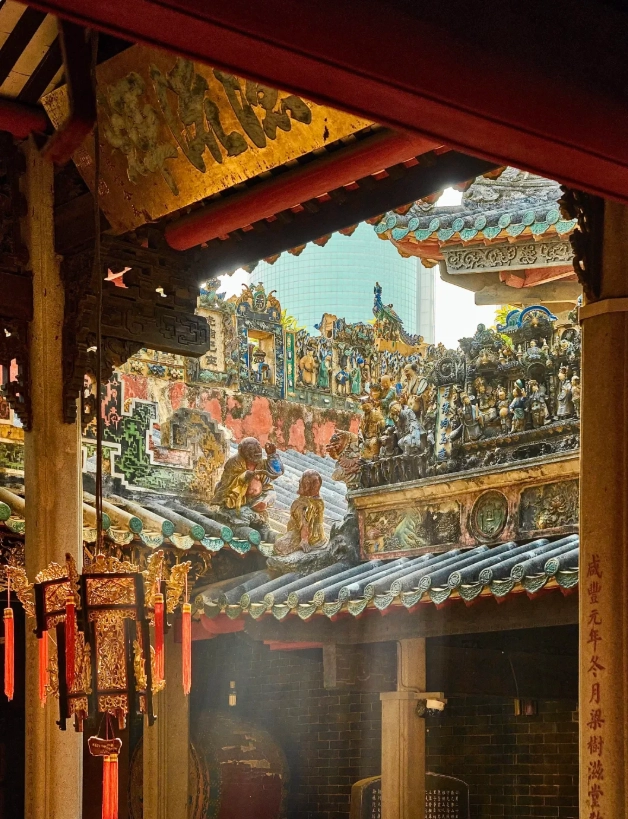
FAQs: Your Guangdong Travel Questions Answered
Verified and fact-checked by the editorial team. Information is based on on-the-ground experience and official sources. Prices and opening hours may change – always check the official website or local signage for the latest updates.






No comments yet.