 Lei Li
Jump to the good stuff
- How Do You Plan a Datong Weekend in Advance?
- Datong Weekend Itinerary: Day 1 – Yungang Grottoes and the Old City
- Datong Weekend Itinerary: Day 2 – Hanging Temple and Beyond
- What to Eat in Datong – A Local’s Shortlist
- Where to Stay in Datong for a Weekend
- How Do You Get Around Datong as a Foreigner?
- FAQ: Answering Your Datong Weekend Questions
Cold wind. Dust. A line at the ticket booth that stretches past the parking lot. That's how most weekends start at Yungang Grottoes — unless you know the trick. I'm a local guide, and I've spent years figuring out what to do in Datong for a weekend. Here's the blunt truth: 48 hours is plenty, but only if you book ahead, skip the tourist lunch spots, and wear shoes you're okay with getting dusty.
Now, the part most foreigners miss: your credit card won't work at most ticket counters. You'll need a phone with Alipay or WeChat Pay, and a passport — not a photocopy. And forget about Google Maps; it will leave you staring at a blank screen. Use Apple Maps or Amap Global instead.
So here's the plan I give every first-timer: Day 1 hits the Yungang Grottoes and the ancient city wall; Day 2 takes you to the Hanging Temple and back for noodles. You'll see more than 95% of guided tours, and you'll still have time for a slow breakfast. Scroll on for the exact itinerary, with times, prices, and my own annoying mistakes baked in.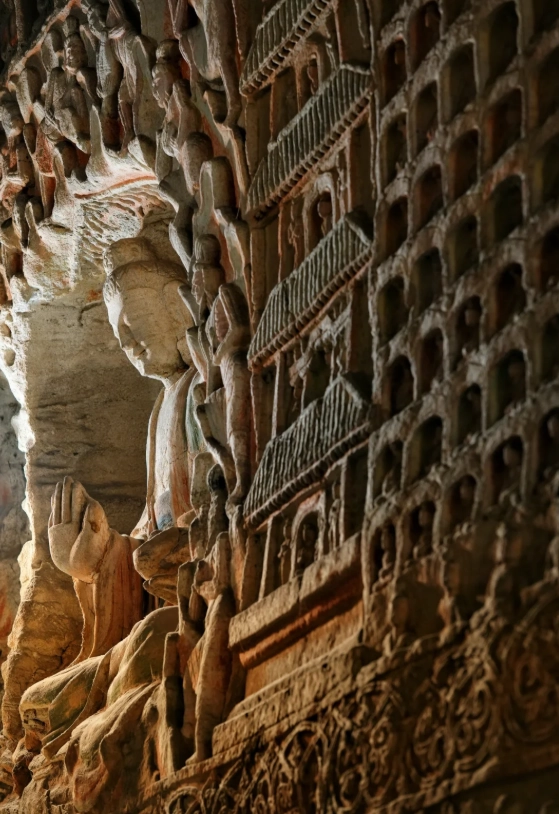
How Do You Plan a Datong Weekend in Advance?
Before we talk about where to go, let's sort out the boring stuff — because getting this wrong will eat up your entire Saturday morning.
Visa and Entering China
Most foreign visitors need a visa to enter China. Check the latest requirements on the National Immigration Administration website. Some passport holders qualify for visa-free transit, but don't count on it unless you've confirmed in advance.
Your passport is your golden ticket everywhere — keep it in a waterproof pouch. You'll need it for every ticket purchase, hotel check-in, and police registration if you stay in a guesthouse.
Booking Tickets for Yungang and the Hanging Temple
Both major attractions require real-name booking — no walk-up tickets during peak season. The official channels are usually WeChat mini-programs, which are a nightmare in Chinese. My hack? Ask your hotel front desk to book it for you. They're used to it. Or use a travel platform like Trip.com, which handles your passport number and sends you a QR code. The QR code is what you'll scan at the entrance.
If you arrive without a booking, some days you can get lucky at the site, but why risk standing there while the ticket machine flashes "sold out"?
Payment Apps and Staying Connected
Here's a non-negotiable: set up Alipay before you fly. Link your international Visa/Mastercard to it — the process works fine as long as you can receive SMS codes. WeChat Pay is also accepted, but Alipay is slightly more foreigner-friendly for setup. Cash is still accepted at most places in Datong, but you'll often get change in crumpled bills, and nobody likes that.
For data and maps, download an eSIM before you arrive. Many travelers use apps like Ubigi or Nomad. Since Google services are blocked, Apple Maps works well, as does Amap Global (the international version of the Chinese map app). I always tell clients to input the Chinese address before handing their phone to a taxi driver — it saves a lot of pointing.
Also, install a reliable VPN before you leave home — you'll need it to access Western apps like Google Maps, WhatsApp, and Instagram. It's better to set it up before your airport Wi-Fi dies.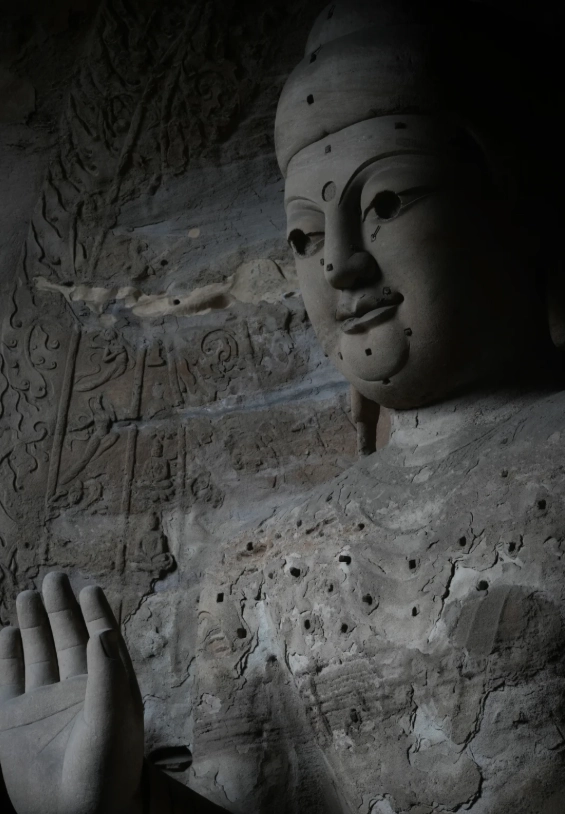
Datong Weekend Itinerary: Day 1 – Yungang Grottoes and the Old City
This is the day you flew to Datong for. Here's exactly how I pace it — you'll miss the crowds and still have energy for sunset at the city wall.
Morning: Yungang Grottoes Without the Crowds
Get here by 8:30 AM, before the tour buses roll in. The temple complex is 16 km from the city center. Take a taxi (about 25 minutes, ¥50-60) or Didi (China's Uber). Show the driver this address: 大同市云冈区武周山南麓. They'll know.
Admission is around ¥120 for adults, with discounts for seniors and students — bring your passport to get the reduced rate. The site opens at 8:30, and last entry is typically one hour before closing (which varies from 17:00 to 18:00 depending on season). Advance booking is mandatory; use the methods I mentioned earlier. The Yungang Grottoes — a UNESCO World Heritage site — are mostly flat, but some caves have steep stairs and uneven walkways. Wear grippy shoes.
Pro Tip: The restroom by the ticket booth always has a line. Use the one near the visitor center before you enter, or wait until you're inside — the facilities near Cave 5 are usually quiet.
Spend three hours exploring the caves. The big ones — Caves 5, 6, and 20 — are unmissable. Wear shoes with grip; the walkways are polished from millions of feet and can be slick.
For an even calmer experience, skip the shuttle cart that runs from the entrance to the main caves. It's a 10-minute walk, and you'll pass the smaller, quieter carvings that most tourists miss.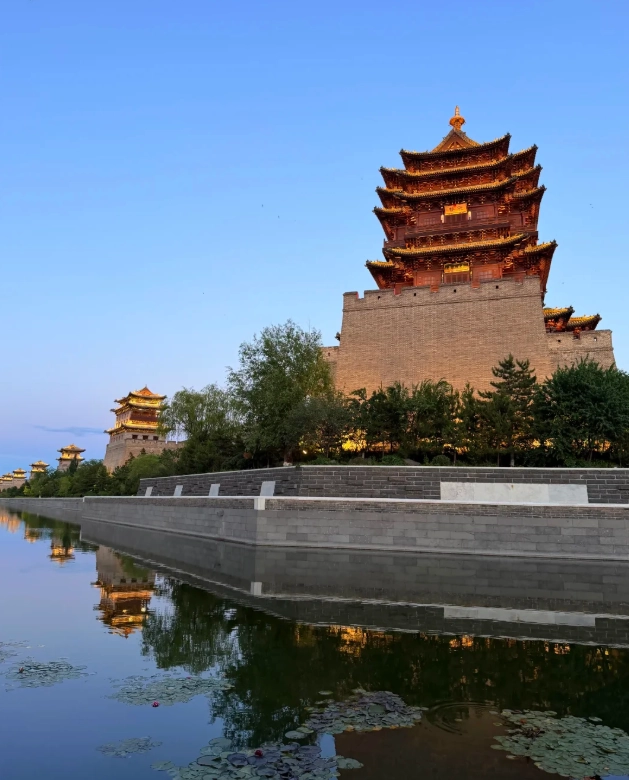
Afternoon: Datong City Wall and Old Streets
Back in the city, lunch at the Gulou (Drum Tower) food street. I always tell travelers to look for a stall with a long queue of locals — that's the signal for fresh, authentic hand-shaved noodles. My personal go-to is a small shop on the southeast corner of the Drum Tower roundabout; it has a yellow sign with Chinese characters and a picture of a noodle bowl on it. I often order the soy-braised beef noodles (红烧牛肉面) — rich, a little oily, with a chili kick. If you don't see that shop, any noodle place with at least 3 stars on Dianping will be fine.
After lunch, walk off the carbs on the Datong City Wall. It's free to enter, and you can walk or rent a bicycle for about ¥30 per hour. The northeast corner gives you the best view of the old town — and the least wind. Go late afternoon when the light turns golden, and the shadow of the wall paints stripes on the grass.
Evening: Local Dinner in the Old Town
For dinner, walk to the area around Huayan Temple. There are small courtyards serving 烧麦 — lamb or pork dumplings with paper-thin wrappers. One of my favorites is a no-name shop on West Street; just look for the one with the steamer baskets on the sidewalk. Pair it with a local beer or a glass of 杂粮粥 (grain porridge) if you want to feel particularly healthy.
If you're not exhausted, check out the night view of the Greater Huayan Temple — its lit-up silhouette is stunning at night.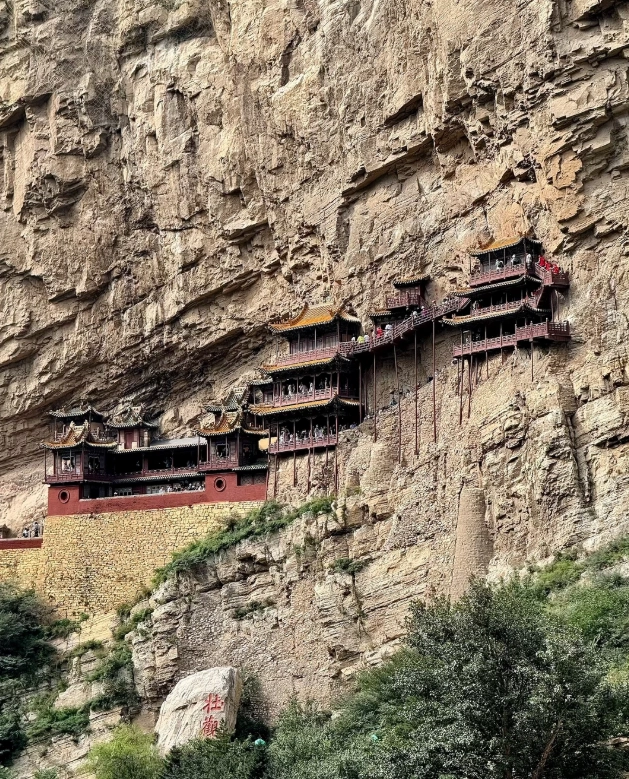
Datong Weekend Itinerary: Day 2 – Hanging Temple and Beyond
Today you'll either tackle the dramatic Hanging Temple or dig deeper into the city's ancient temples. I'll give you the classic plan, plus a rainy-day alternative.
Morning: The Hanging Temple (If You Have a Clear Day)
The Hanging Temple sits about 60 km southeast of Datong. It's a 1.5-hour drive, so budget a full morning. You can hire a car for around ¥300-400 round trip — ask your hotel to arrange it, or try the official tourist bus from the south bus station. The bus is slower but cheaper.
The temple clings to a cliff with wooden beams — trust me, photos don't prepare you for the vertigo. Entrance is about ¥130 (or more with the queue to go inside). It opens at 8:00; aim to be there by 9:30 to beat the tour groups. Bring your passport, because again, real-name ticket.
Honestly, if the weather is foggy or rainy, give this one a miss. The drive is not fun in bad weather, and the view will be blocked anyway. That's when you pivot to Plan B.
Afternoon: Plan B – Huayan Temple (or a Museum Escape)
The Huayan Temple (华严寺) is Datong's most impressive Buddhist site, with a huge wooden pagoda and a hall with ancient frescoes. It's right in the old town, so you can walk there from anywhere. Entrance is around ¥50 and it's open until 17:00. Try to go in the early afternoon when the roof tiles are glowing.
If the weather is truly hostile (or your feet are done), head to the Datong Museum — it's modern, free, and excellent for learning about the city's role as the Northern Wei capital. The museum is a 15-minute taxi ride from the old town. It closes around 16:30, so plan your time.
Evening: Last Taste of Datong
Spend your final evening strolling the Shanmmen Street (善化寺) area. Grab a calzone-like savory pancake from a street vendor, or treat yourself to sit-down dinner at a restaurant with a picture menu (most have English photos now). I always make my guests try 浑源凉粉 — a jelly-like noodle dish with vinegar and chili, served cold. It's a perfect palate cleanser before you leave.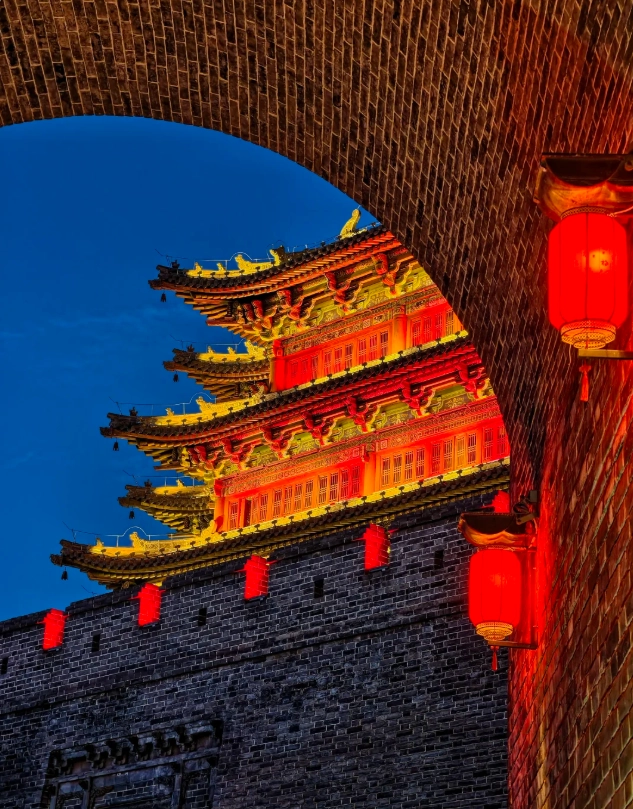
What to Eat in Datong – A Local’s Shortlist
Datong food is hearty, wheat-based, and totally different from the Cantonese dishes most Westerners know. Here's the shortlist of dishes that you should not skip:
- Hand-shaved noodles (刀削面) — thick, chewy ribbons in a meaty broth. Try the soy-marinated beef version.
- Yang za fen (羊杂粉) — a peppery soup with lamb innards and sweet potato noodles. It's a winter classic, but locals eat it year-round.
- Shaomai (烧麦) — small open-top dumplings, usually filled with lamb and onions. The ones in Datong are juicier than in Beijing.
- Hun yuan liang fen (浑源凉粉) — translucent mung bean jelly noodles served with a sour-spicy sauce, peanuts, and cilantro. Perfect for summer.
- Yellow cake (黄糕) — a sticky millet cake, usually steamed and dipped in a braised pork sauce. Dip, don't soak.
Where to find these? The Gulou Street food strip in the old town is the most convenient cluster. For a sit-down spot, look for restaurants with the sign 大同刀削面 — any one with a line outside is doing something right. Prices range from ¥15 for a noodle bowl to ¥50 for a full dinner with dishes. Most places accept cash and mobile payments, but not international credit cards unless you're at a fancy hotel.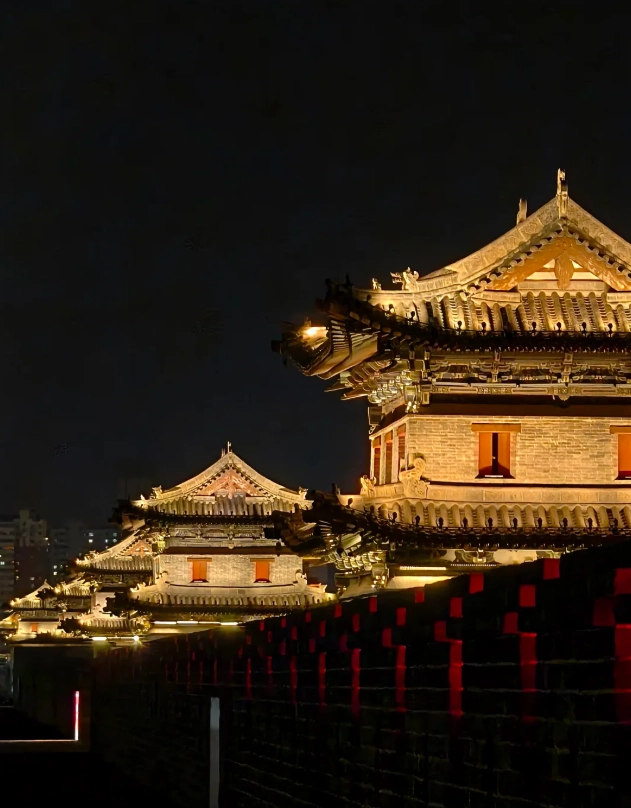
Where to Stay in Datong for a Weekend
I've slept in my fair share of Datong hotels, and here's the rule: stay inside the old city walls if you can. You'll save money and time on taxis. Look for hotels near the Drum Tower (鼓楼) or Huayan Temple. Use Booking.com or Trip.com to filter by map location.
Here's a quick comparison of the three types I usually recommend:
| Hotel Type / Example | Distance to Key Sights | Est. Price (per night) | Best For |
|---|---|---|---|
| Budget chain (e.g., 7 Days Inn) | Walking distance to city wall, 15-min taxi to Yungang | ¥150–250 | Backpackers who just need a bed |
| Mid-range (e.g., Hanting Hotel) | In the old town, near Drum Tower | ¥250–400 | Families and solo travelers |
| Boutique courtyard guesthouse | Inside Huayan Temple area | ¥400–600 | Couples and photographers |
A few practical notes: Most hotels in this price range have stable Wi-Fi, but ask about the signal if you're in a courtyard — thick walls can kill it. Elevators are common in chain hotels, but guesthouses may only have stairs. And always confirm that the front desk has someone who speaks at least basic English, or at least has a translation app ready.
How Do You Get Around Datong as a Foreigner?
Datong isn't huge, and the main sights are spread out. Here's the breakdown of your options:
| Route | Taxi / Didi | Bus | Bicycle |
|---|---|---|---|
| Old town → Yungang Grottoes | 25-30 min, ~¥50-60 | ~1 hr, ¥3-5 (change needed) | N/A |
| Old town → Hanging Temple | 1.5 hr, ~¥300-400 (round trip) | 2 hr, ¥30 | N/A |
| Old town → Datong Railway Station | 15 min, ~¥10-15 | 20 min, ¥2 | Say no, the traffic is chaotic |
Didi is your best friend. It works with a phone number, and the app has an English version. If you don't have it, download it now. Taxis from the street are fine but may refuse the meter at rush hour — agree on a price first or walk to a higher-traffic area.
For the high-speed rail, book tickets on China Railways' official site 12306 — it now has an English interface and accepts passport numbers. From Beijing, the train takes roughly two hours.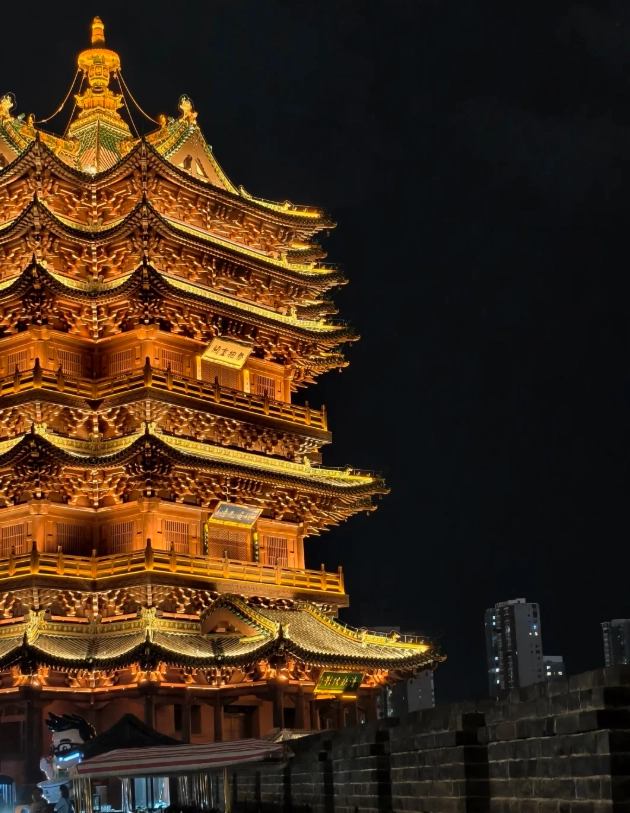
FAQ: Answering Your Datong Weekend Questions
This content has been fact-checked to ensure informational precision.







No comments yet.