 Wei Zhang
What's Inside
- What Makes These the Best Places to Visit in Tibet?
- 1. Potala Palace – The Heart of Lhasa
- 2. Jokhang Temple – The Spiritual Center
- 3. Barkhor Street – A Living Pilgrimage
- 4. Namtso Lake – The Sky Mirror
- 5. Yamdrok Lake – The Turquoise Gem
- 6. Tashilhunpo Monastery – Home of the Panchen Lama
- 7. Mount Everest Base Camp – Rooftop of the World
- How to Plan Your Trip to These Best Places in Tibet
- Frequently Asked Questions
Let me be blunt — most first-timers miss the real Tibet. They rush from Lhasa to Everest and back, ticking boxes but feeling nothing. I've been guiding here for over a decade, and I've seen it too many times. So let's slow down. Here are the best places to visit in Tibet, the ones worth every breath at 3,600 meters.
The biggest mistake? Trying to see everything in a week. You'll spend more time on the road than at the sights. So pick two or three places from this list and give them real time. Trust me — you'll leave with more than photos.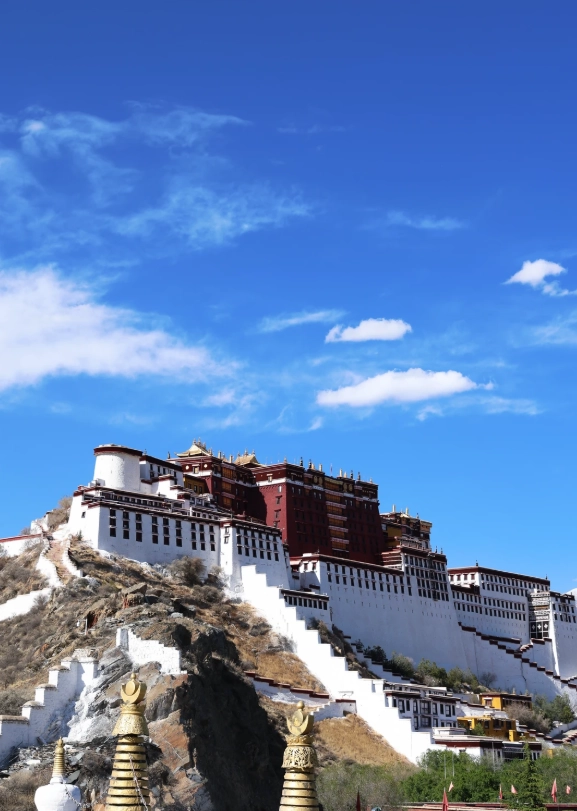
What Makes These the Best Places to Visit in Tibet?
Tibet is not a museum — it's a living, breathing landscape. Choosing where to go can be overwhelming. These seven spots offer the perfect mix of culture, nature, and spirituality. They're accessible (with the right permits) and each gives you a piece of the Tibetan experience.
Here's a quick comparison to help you plan:
| Attraction | Location | Ticket Price | Best Time to Go | Suggested Time |
|---|---|---|---|---|
| Potala Palace | Lhasa | ¥200 (summer) | Morning or 4 PM | 2-3 hours |
| Jokhang Temple | Lhasa | ¥85 | Dawn | 1-2 hours |
| Barkhor Street | Lhasa | Free | Sunset | 1-2 hours |
| Namtso Lake | ~250 km from Lhasa | ¥120 + ¥20 bus | Overnight or early | Full day |
| Yamdrok Lake | ~100 km from Lhasa | ¥60 | Morning | Half day |
| Tashilhunpo Monastery | Shigatse | ¥80 | Morning | 2 hours |
| Mount Everest Base Camp | ~400 km from Lhasa | ¥180 + vehicle fee | Late afternoon | 2-3 days |
Now let's dive into each spot. I'll share what makes them special, plus the insider nitty-gritty you won't find in most guides.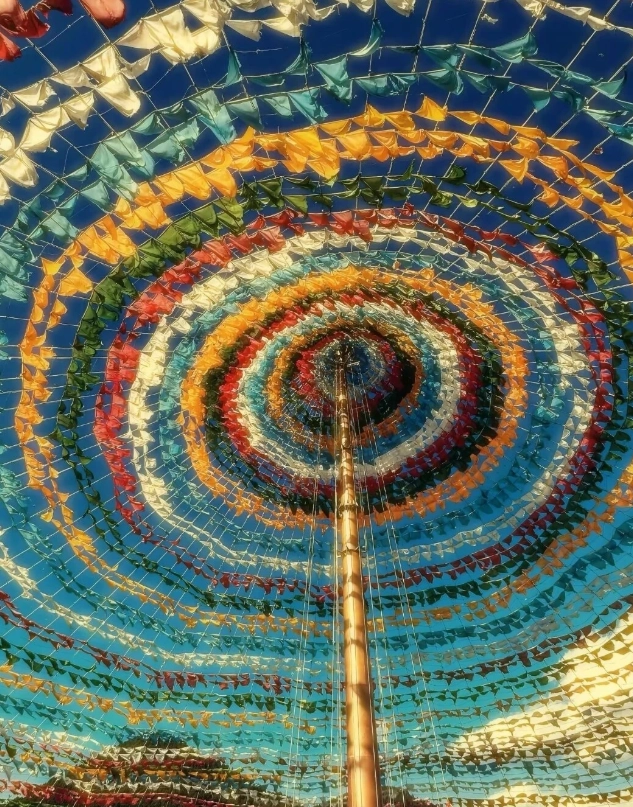
1. Potala Palace – The Heart of Lhasa
The Potala Palace is Tibet's iconic landmark, and yes, it deserves the hype. But here's the catch: getting inside is tougher than getting to Lhasa. You'll need to book your ticket a day in advance using your passport. In summer, they sometimes limit daily visitors to 5,000, so secure your slot via the official WeChat mini-program or ask your hotel to book it for you. The ticket costs ¥200 in summer, ¥100 in winter. As noted on the official UNESCO World Heritage listing, this architectural marvel took centuries to complete.
To avoid the crowds, go as early as possible — the palace opens at 9 AM. But the better trick is to go at 4 PM when the tour groups are gone. Also, the view from the west side across the Chokpori Hill is magical in the late afternoon. Bring your passport — they check it at the entrance.
Insider Tip: The toilet near the ticket office is always crowded. Use the one at the base of the hill before climbing up.
Address: 35 Beijing Middle Road, Lhasa. Take a taxi from Barkhor — it's about 10 minutes.
2. Jokhang Temple – The Spiritual Center
If the Potala is the face of Tibet, the Jokhang is its soul. This UNESCO site is constantly buzzing with pilgrims prostrating in the main courtyard. The entrance fee is ¥85, and you can buy tickets at the door — no reservation needed, though you'll be checked in by passport. The best time to visit is right after dawn, when the morning light hits the golden roof and pilgrims are deep in prayer.
The main chapel houses a statue of Jowo Shakyamuni, which is believed to be the most sacred in Tibet. You'll need to queue inside, so prepare your patience — the line can be 30 minutes even on a slow day. A pro tip: skip the ticket office queue by buying tickets online via Trip.com.
Pro Tip: If you arrive before 8 AM, you can join the pilgrims making a dawn kora around the temple. It's a powerful experience.
3. Barkhor Street – A Living Pilgrimage
Walking the Barkhor around the Jokhang is one of those experiences that stays with you. It's not a sight — it's an act. Follow the kora in a clockwise direction. You'll see monks, nomads, and kora performers. The street is free, but the real magic happens around sunset. That's when the light turns amber and the chanting seems to rise from the stones.
Don't buy anything right away — the 'vintage' items are likely made in a factory. But do look for the butter tea vendors if you need a warm break. Also, be respectful: don't point your camera directly at pilgrims without asking.
Remember: The kora circle is a living ritual. Walk slowly, keep your hands to yourself, and let the energy wash over you.
4. Namtso Lake – The Sky Mirror
Namtso Lake is one of those places that makes you question reality. At 4,700 meters, this turquoise salt lake is stunning, but it's a serious expedition from Lhasa — 4-5 hours by car each way. The best way is to hire a driver for the day (around ¥1,200-1,500 for a private car). You'll need to pay an entrance fee of ¥120 plus a ¥20 eco-bus inside.
The altitude is no joke. I've seen travelers throw up on the observation deck. Go slow, bring oxygen (it's cheap in Lhasa), and don't attempt it as a day trip if you've only been in Lhasa for 24 hours. Try the overnight stay at the simple guesthouse to catch the sunrise from the lake — that's the real winner.
Insider Advice: The last eco-bus back leaves at 6 PM. If you miss it, you'll be stuck overnight — and the temperature drops drastically. Plan accordingly.
5. Yamdrok Lake – The Turquoise Gem
Yamdrok Lake is far easier to reach — about a two-hour drive from Lhasa — and just as breathtaking. You'll cross the Kamba La pass at 4,790 meters, and the view of the turquoise lake curled between mountains is unreal. You can take a bus from Lhasa's East Bus Station (departs around 8 AM), but a shared tour is more convenient. The ticket is ¥60, and you're free to walk along the shore.
The best photo spot is at the observation deck, but it gets packed by noon. Instead, ask your driver to stop at the small farmer's tent a bit further down. It's quieter and offers a closer perspective.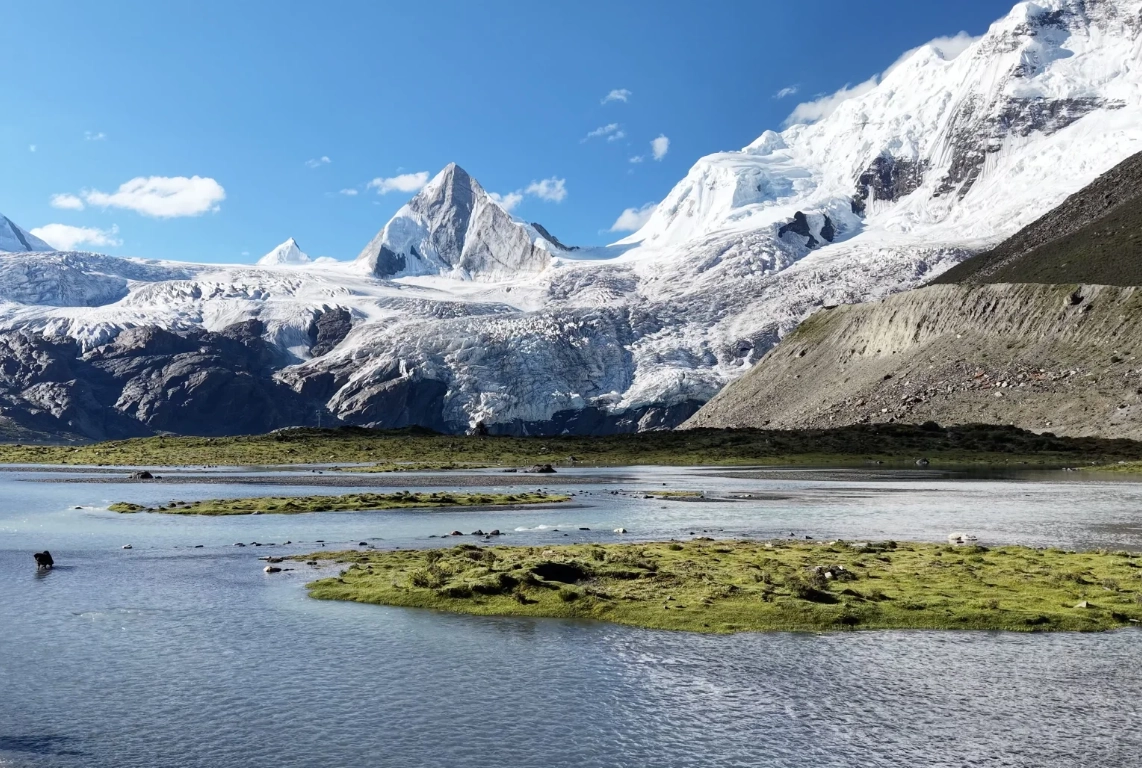
Heads-up: The road to Yamdrok is winding with hairpin turns. If you're prone to motion sickness, take medicine half an hour before the drive.
6. Tashilhunpo Monastery – Home of the Panchen Lama
Tashilhunpo is the biggest monastery in Tibet, second only to Lhasa's Potala in fame. It's in Shigatse, a 3-hour drive from Lhasa along the Friendship Highway. The entrance fee is ¥80, and the monastery opens at 9 AM. You'll need to carry your passport as the whole region is restricted.
The highlight is the huge statue of Maitreya (the Future Buddha) in the main hall — it's incredibly tall and detailed. Go early to join the pilgrims circling the kora path; it offers a stunning view of Shigatse's roofscape. Don't miss the butter sculptures in the chapels.
Good to know: Foreigners visiting Shigatse need an additional Alien Travel Permit, which your tour agency can arrange. Don't try to go without it.
7. Mount Everest Base Camp – Rooftop of the World
If you've dreamed of standing at the foot of Everest, the base camp is the ultimate payoff. This is not a day trip. The drive takes about 10 hours from Lhasa, passing through Shigatse and Tingri. You need a special permit beyond a regular Tibet travel permit — your travel agency will handle it. The entrance fee is ¥180 per person, plus ¥320 for a private car.
The base camp itself is a slab of rock and prayer flags. The real magic is at dusk, when the clouds part and the north face glows orange. Be prepared for bitter cold even in summer, and drafty tents with no heating. But the view — that's the stuff of legends.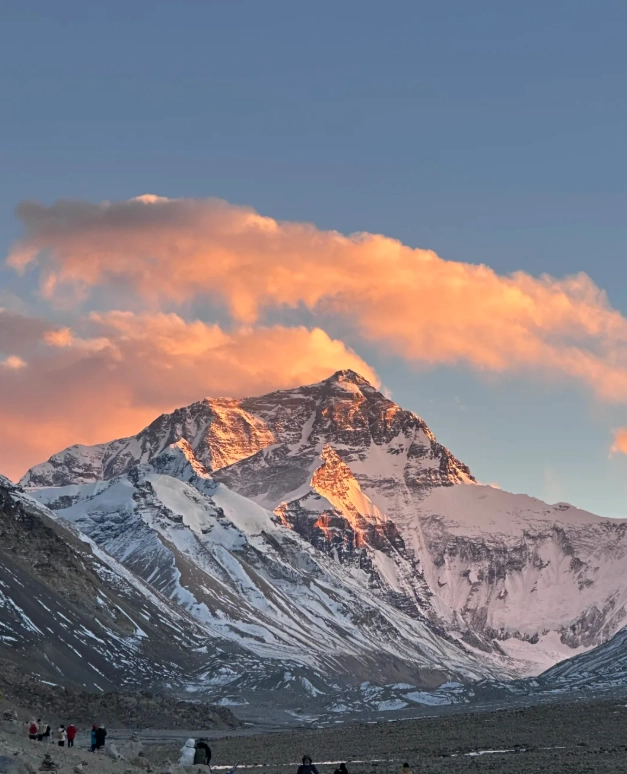
Pro Tip: Spend the night at Rongbuk Monastery guesthouse. It's the highest monastery in the world and the view from its roof is insane.
How to Plan Your Trip to These Best Places in Tibet
Now that you know the best places to visit in Tibet, let's talk logistics. First, you need a Tibet Travel Permit. For foreigners, this requires applying through a travel agency after you enter China. The process takes at least a week, so plan ahead. You can check the current visa rules on the official National Immigration Administration website.
Getting around: I recommend hiring a private driver for the Lhasa-Namtso or Lhasa-Yamdrok loops. For Everest, join a group tour or hire a 4WD. Public buses are unreliable for tourists. If you're taking a train, book tickets via the official China Railway site — it's the only reliable way to secure a berth.
Packing: Bring layers. Altitude sickness is real — drink lots of water, avoid alcohol, and carry acetazolamide (Diamox) if you can get a prescription. Don't rush. A typical acclimatization schedule is two slow days in Lhasa before heading to higher places.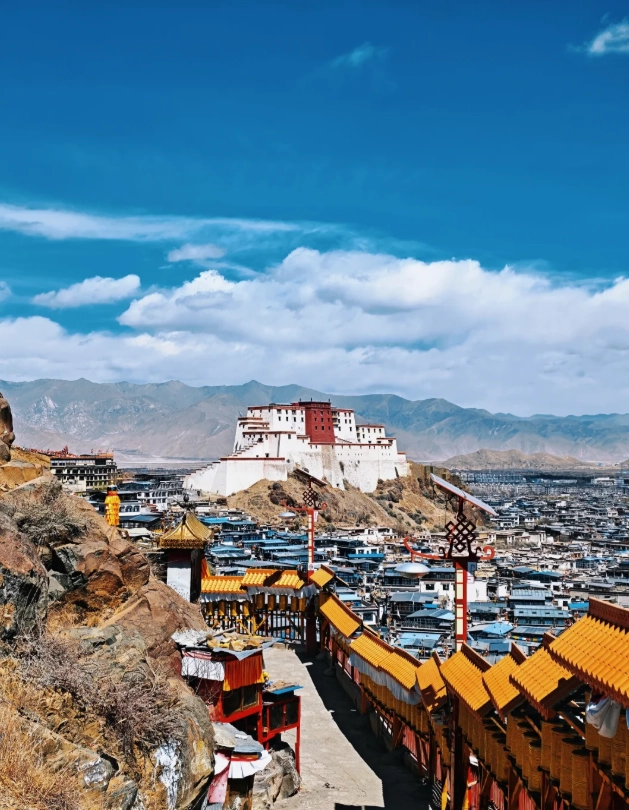
Frequently Asked Questions About Visiting Tibet
This content has been fact-checked to ensure informational precision. Verify current prices and permit rules with official sources before travel.





No comments yet.