 Yan Zhou
Quick Navigation
I missed the sunset over West Lake on my third trip. Why? Because I listened to the guidebooks and rushed there at noon. That mistake taught me what really matters when visiting Zhejiang tourist attractions.
But let's rewind. You don't need to learn the hard way. I've spent the last decade leading foreign tourists through this region, and I've seen the same misinformation wreck trip after trip. Online guides tell you to see the West Lake by day, but the real magic happens after 5 PM when tour groups vanish. They also never warn you that many places require passport booking, or that your credit card won't work at most street stalls.
So here's the raw truth: Zhejiang tourist attractions can be world-class, but only if you dodge a few tourist traps. This guide gives you my exact routes, the mistakes I've made, and the practical steps to enjoy them—without the hassle.
What Makes Zhejiang Tourist Attractions Unique?
Zhejiang is often mistaken for just Hangzhou. The province packs a punch with tea hills, ancient water towns, bamboo forest monasteries, and a coastline that most travelers ignore.
I always tell my clients to spend at least three days here. One day for West Lake, one for a water town, and one for a mountain escape. The variety means you can adapt your own pace.
The Best Zhejiang Tourist Attractions: My Personal Favorites
| Attraction | Ticket Info | Opening Hours | Best Time to Visit |
|---|---|---|---|
| West Lake | Free (boat rides extra) | Always open | After 5 PM |
| Wuzhen Water Town | Xizha: ~150 RMB; Dongzha: ~120 RMB | 9 AM - 10 PM (Xizha) | Late afternoon to night |
| Moganshan Mountain | Area free; scenic spots ~80 RMB | Daylight hours | Early morning |
Prices are approximate and can change. Confirm when booking.
West Lake: More Than a Postcard
West Lake is free, and the best way to see it is on foot or by boat after 5 PM. Most tour groups leave by then, and the willow trees catch the golden light.
Here's the catch: I've watched countless tourists get stuck at the famous Broken Bridge at 10 AM. The selfie stick sea is real. Instead, start from the southern end at Yongjin Gate. Walk north along the Su Causeway. It's the same beauty, but with 80% fewer bodies.
For boat rides, skip the big sightseeing boats that pack 50 people. Buy a one-person or four-person sampan near the Xiling Bridge. Negotiate with the boatman — about 100-150 RMB per hour. Remember to pay with Alipay, as they rarely accept cash.
Practical details: take Metro Line 1 to Longxiangqiao Station, Exit C, then walk 10 minutes. If you use a taxi, ask for the Yongjin Gate entrance — that puts you straight onto the quieter path. A bathroom stop before you walk is wise; the lake's public toilets often have queues.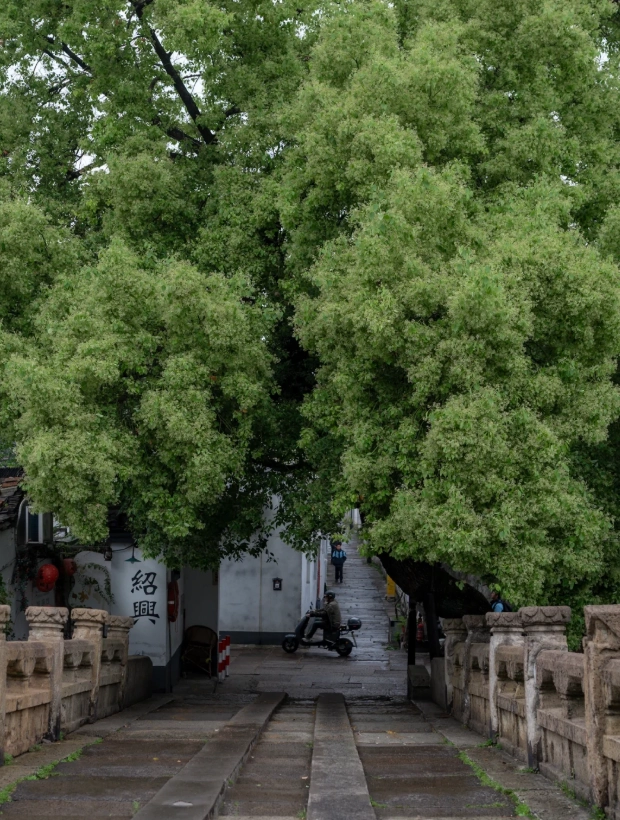
Wuzhen: A Water Town That Actually Keeps Its Charm
Wuzhen's Xizha scenic area is the one to choose, and you must book tickets online with your passport. The old streets are well-preserved, and at night the red lanterns reflect on the canals, creating a scene that feels unreal.
What most guides won't tell you: the East Gate (Dongzha) is more authentic but shuts down by 5 PM. For a first-timer, Xizha is more impressive and stays open until 10 PM. I always take my groups to Xizha, grab a window seat at a tea house near the canal, and let the evening do its magic.
Getting there: take a high-speed train from Hangzhou East Station to Tongxiang (about 20 minutes, 30-40 RMB). From Tongxiang, hop on the K282 bus or take a taxi — I usually put my clients in a taxi for the last stretch because it saves 15 minutes. Buy train tickets through the official China Railway website, and reserve Wuzhen entrance tickets on Trip.com to avoid the Chinese-only WeChat mini-program queue.
My favorite trick: enter Xizha around 3 PM. You'll have time to see the daytime canal views, then automatically stay for the night lights. Staying overnight inside the scenic area is pricey, but if your budget allows (from ~1,000 RMB in a heritage hotel), you can experience the streets after the day visitors leave. Otherwise, stay at a guesthouse outside the north gate and walk back — it's 15 minutes max.
Moganshan: The Mountain Getaway Without the Tourist Trappers
Moganshan Mountain is not a theme park — it's a raw bamboo forest retreat that rewards early risers. The air smells of tea and damp earth, and the stone villas give you a glimpse of early 20th-century summer getaways.
Here's the non-consensus advice: don't plan to see everything. Pick one trail — the one leading to Sword Pool waterfall (Jianchi) — and let yourself wander. The core scenic area costs about 80 RMB, making it a budget-friendly add-on.
Most visitors miss the sunrise because they arrive late. If you stay in a local guesthouse (which is the only option unless you're on a day trip), wake up at 6 AM. The cloud inversion over the bamboo sea is pure magic. I learned this after three visits — the morning mist lifts like a curtain.
Getting there: take high-speed rail from Hangzhou to Deqing (about 15 minutes). From Deqing, hire a taxi directly to the mountain's visitor center (ask for Moganshan Tourism Center). Then the resort shuttle takes you up the winding road — hang onto your seat, those switchbacks are no joke. If you suffer from motion sickness, take the shuttle versus a private car; it's smoother because the driver knows the road.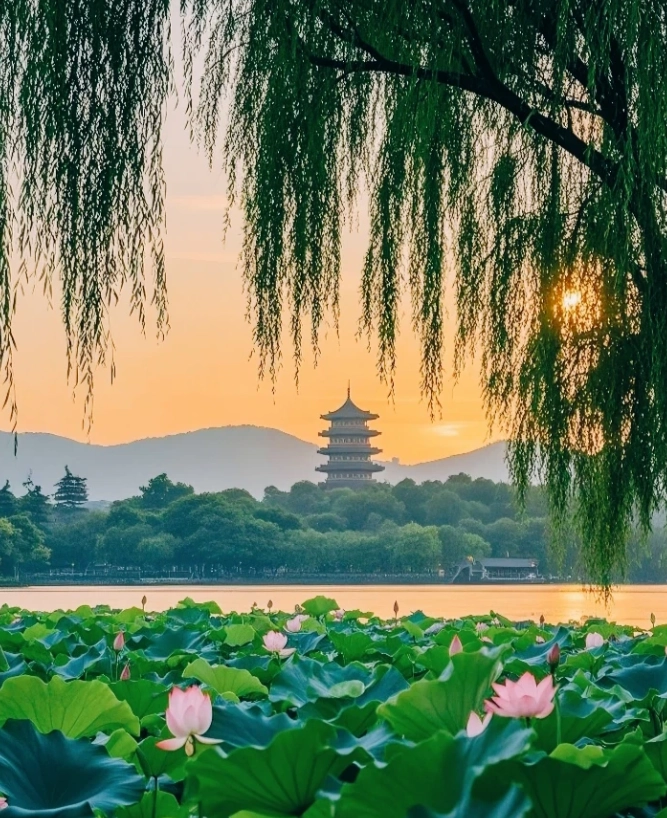
How to Plan a Trip to Zhejiang Tourist Attractions Without Stress
Let me save you the headaches I had on my first trips.
- Passport and visa: Always carry your passport. Some attractions need it for physical ticket collection, even if you booked online. Double-check visa-free or e-visa rules on the official National Immigration Administration website.
- Payment: Download Alipay and link your international credit card. WeChat Pay works too, but Alipay has a better English interface. Cash is barely accepted at visitor centers and street stalls. I always carry 100 RMB as emergency backup, but that's for taxis that don't take digital.
- Network: Your phone must work with a VPN. Apple Maps and Google Maps are unreliable due to shifting map data. Download AMap (sometimes called Gaode) and set it to the English version. When using taxi apps like Didi, it shows both English and the driver's real-time location.
- Translation: Apple Translate works offline for Chinese. Download it before you land. I also recommend installing Pleco for phrase lookups — it's saved me in many remote village restaurants.
How to Get Around: Transportation for Zhejiang Tourist Attractions
Zhejiang is compact and well-connected by high-speed rail. Use the official 12306 website or English-friendly apps like Trip.com for train tickets.
| Route | Best Transport | Duration | Cost (RMB) | Notes |
|---|---|---|---|---|
| Hangzhou to Wuzhen | High-speed rail to Tongxiang + taxi | ~50 min | ~80 | Book through 12306.cn |
| Hangzhou to Moganshan | High-speed rail to Deqing + taxi/shuttle | ~1.5 hr | ~120 | Shuttle from tourism center |
| West Lake to Lingyin Temple | Taxi/Didi | ~20 min | ~30 | Avoid rush hour |
Inside cities, the metro is your friend. Hangzhou's system is clean and signs are bilingual. For buses, always have your destination written in Chinese to show the driver or conductor.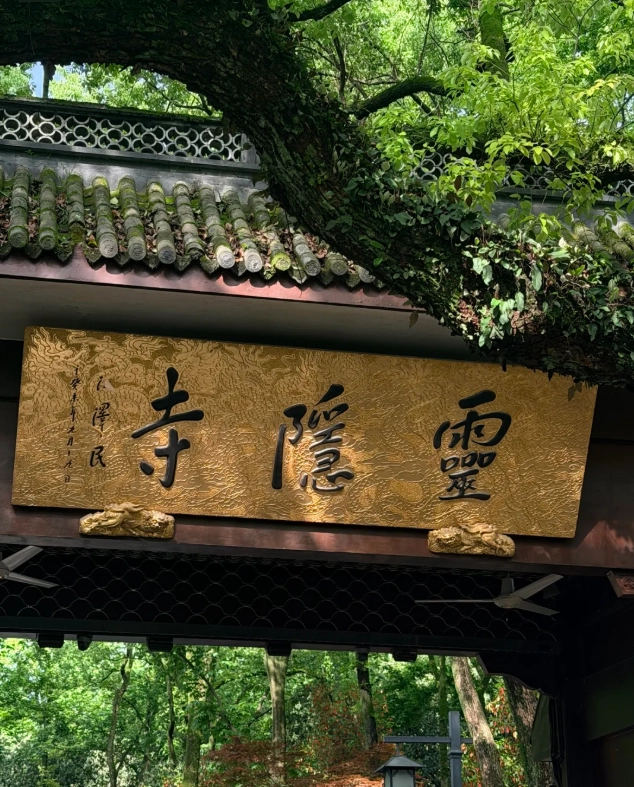
Where to Stay Near Zhejiang Tourist Attractions
Base yourself in Hangzhou for convenience, but consider one night at a water town or mountain to split the experience.
| Area | Best For | Price Range (RMB) | Key Facilities |
|---|---|---|---|
| Hangzhou (near West Lake) | First-timers, budget travelers | 150 - 600 | Metro access, Wi-Fi, some English |
| Wuzhen Xizha | Couples, photographers | 600 - 1,500 | Scenic night views, but no night-time taxis |
| Moganshan | Nature lovers, hikers | 500 - 1,200 | Spa villas, Wi-Fi may be spotty |
For Hangzhou, look for budget hotels around Hubin Road or Nanshan Road. You'll be a 10-minute walk from the lake and surrounded by 24-hour convenience stores. I often suggest the Lingyin Temple area for travelers who want morning temple visits — it's quieter, but restaurants close early.
In Wuzhen, staying inside the scenic area is magical but surprisingly calm at night. The morning wake-up with just birdsong is worth the price. Outside the north gate, you'll find guesthouses for around 300-500 RMB with easy access to the water town.
Moganshan has no big hotels. Most places are boutique villas converted from old stone houses. Some have steep stairs and no elevator — always ask about accessibility before booking.
What to Eat While Visiting Zhejiang Tourist Attractions
Hangzhou cuisine is lighter than Sichuan's spicy food, but it's not bland. Expect sweet soy-based sauces and fresh lake fish.
My dinner ritual when I'm with a group: at a local restaurant near Quyuan Fenghe (the lotus park), order West Lake vinegar fish and Dongpo Pork. The fish has a sweet-sour sauce, while the pork melts like a five-hour braise. If you're vegetarian, ask for stir-fried water spinach — it's a daily special.
For a quick bite, try jianbing near tourist hubs. It's a crispy crepe filled with egg, scallions, and chili sauce. At around 8 RMB, it's a steal. But avoid the ones right next to tourist entrances — they're double the price and half as good.
If you're in Wuzhen, go for fresh river shrimp and boat-shaped festival cakes (ding sheng cake). The cakes are available every few meters — look for one with a plant leaf wrapping; the purple yam flavor is my favorite.
Sample 24-Hour Itinerary: Hangzhou Focus
Let me take you through my ideal single-day plan. This assumes you're staying near West Lake.
- 6:30 AM — Go straight to Lingyin Temple. Yes, it's early. But the temple opens around 7 AM, and you'll have it almost to yourself. Take a Didi from downtown — about 20 minute ride. Entrance fee (including Fei Lai Feng): ~45 RMB. Bring your passport; you'll need it at the gate.
- 8:30 AM — Walk for 5 minutes to the nearby Longjing tea village. Have a tea house experience, even if it's a bit touristy. The fresh Lung Jing leaves cost 30-50 RMB per cup, which includes the show of how to brew.
- 10:30 AM — Take a taxi back to the lake area (20 minutes). Stroll from Yongjin Gate to Su Causeway for an hour. The path is flat and shaded.
- 12:00 PM — Lunch at a local restaurant near the Leifeng Pagoda. Order a bowl of braised pork rib noodles — a local breakfast that works fine for lunch.
- 1:30 PM — Explore Leifeng Pagoda. Then hop on the light ferry to Maojiabu — the western lagoon less crowded than the main lake.
- 4:00 PM — Walk through the Hefang Street shopping area. Expect many souvenirs, but the street serves excellent fried dumplings. Grab some and sit on the steps of the nearby Drum Tower.
- 6:00 PM — Dinner on Dongpo Road. I recommend the grilled fish stall at #12? Actually, better to ask your host for the local spot; I just point my clients to any restaurant with a picture menu.
- 7:30 PM — Watch the sunset at the Broken Bridge. Yes, that same bridge you saw early in the morning — now it's magical and the crowds have thinned.
If it rains, swap the outdoor parts for the Zhejiang Provincial Museum (free, reservation needed) or the China National Tea Museum. Both are indoors and quiet.
If you're tired, drop the Hefang Street section and just sit at the lake with a cup of tea. That's the real Hangzhou way.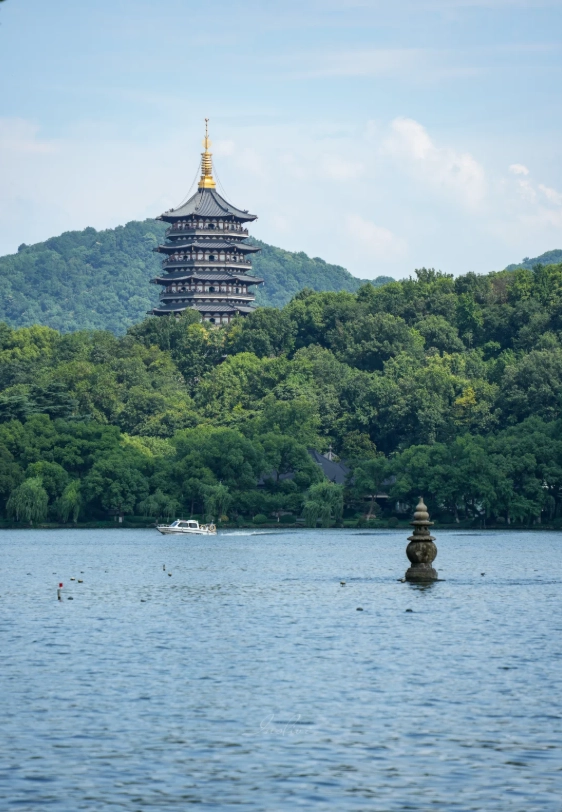
FAQ: Common Problems Solved for Zhejiang Tourist Attractions
Verified and fact-checked by the editorial team.





No comments yet.