 Hui Lin
Let me be blunt. When most foreign tourists come to China, they dash to Beijing, Xi'an, or Shanghai. Shanxi? It's the rough diamond they skip — and honestly, that's why I love it. I've been leading tours here for over a decade, and Shanxi still surprises me with its raw ancient charm, from thousand-year-old wooden pagodas to cave temples carved into golden cliffs. But here's the catch: it's also a province where your GPS goes haywire, your international card gets rejected, and the best noodles are hidden in alleys with zero English menus. So, what to do in Shanxi, really? I'll give you the unfiltered route that I take my own friends on.
First, the essential truth: Shanxi is not for lazy travelers. It demands walking, planning, and a bit of patience. But if you do it right, you'll see a China that hasn't been polished for Instagram — it's raw, powerful, and deeply spiritual. Let's get your planning started.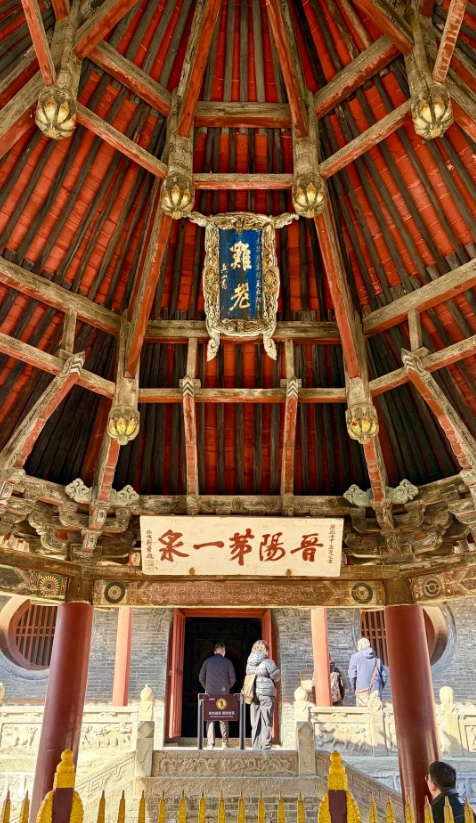
Why Shanxi Matters
Shanxi is the open-air museum of ancient China. This province holds more than 70% of China's pre-Ming dynasty wooden structures. If you're into history, you'll be in heaven. The Yungang Grottoes alone (which I'll cover below) are a UNESCO World Heritage site, boasting over 51,000 Buddha statues. But beyond the famous names, the real magic is in the details — a tattered temple painting, a hidden courtyard, a monk who'll offer you tea if you smile at him.
And let's talk about the food. Shanxi is the land of vinegar and noodles. Not the delicate soba you find in Japan — I'm talking about thick, chewy, knife-cut noodles that slap your tongue with texture. That alone is worth the trip.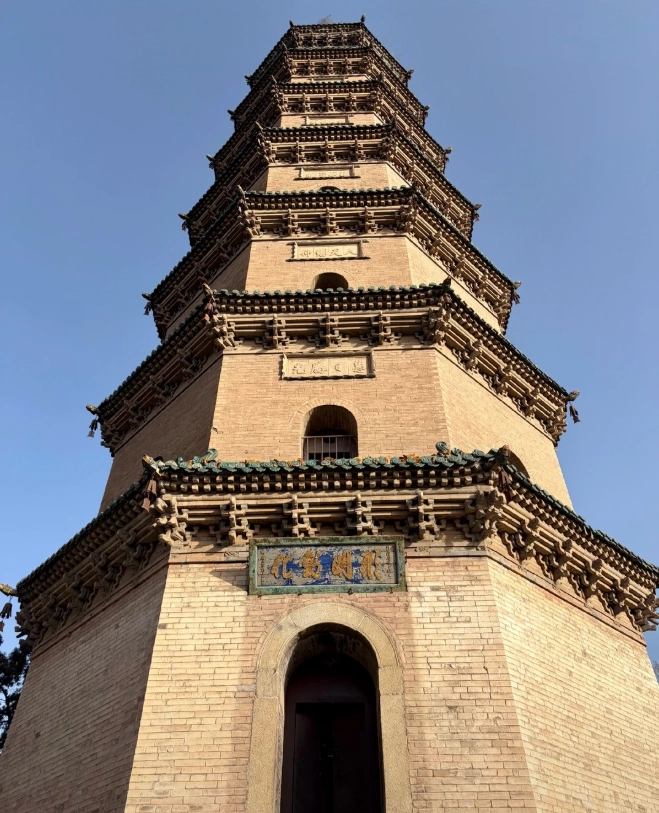
Must-See Attractions
Don't try to see everything. Shanxi is big, and the distances between sights are brutal. You need to pick wisely. Here are my top picks, ranked by wow factor.
1. Yungang Grottoes (云冈石窟)
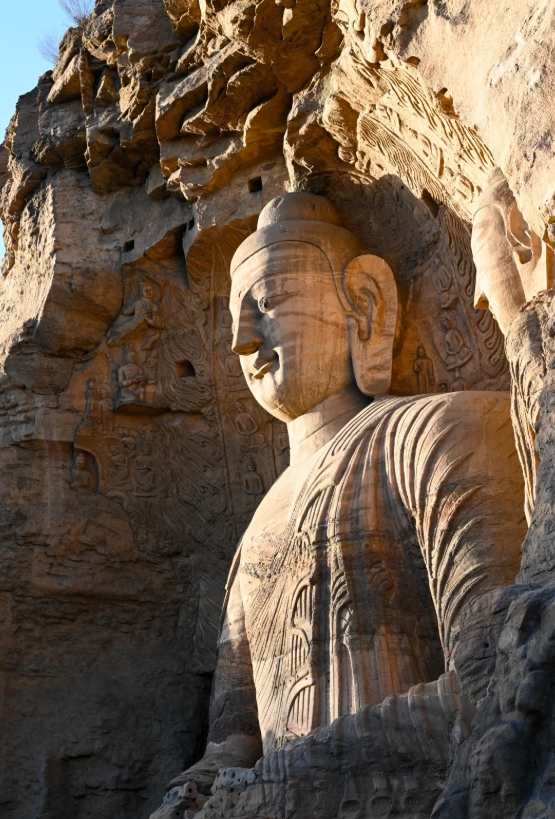
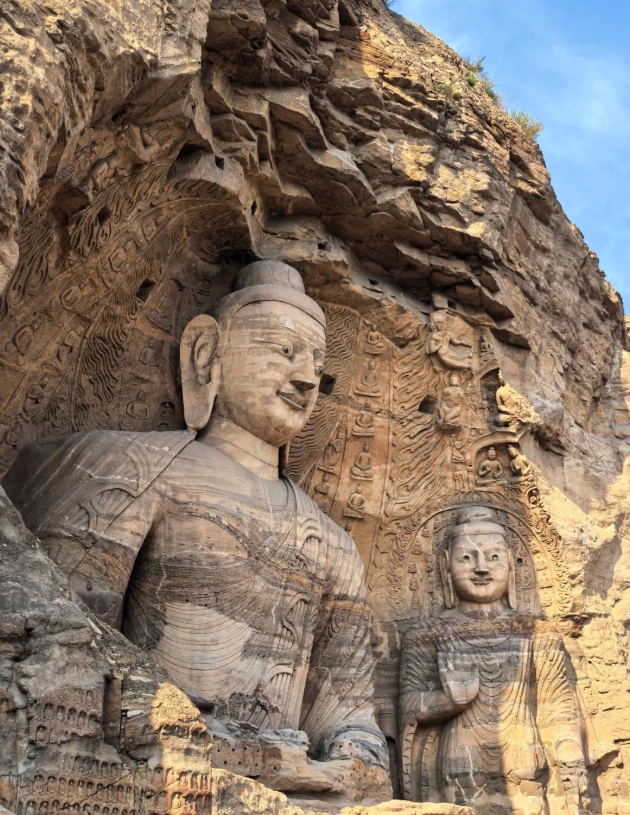
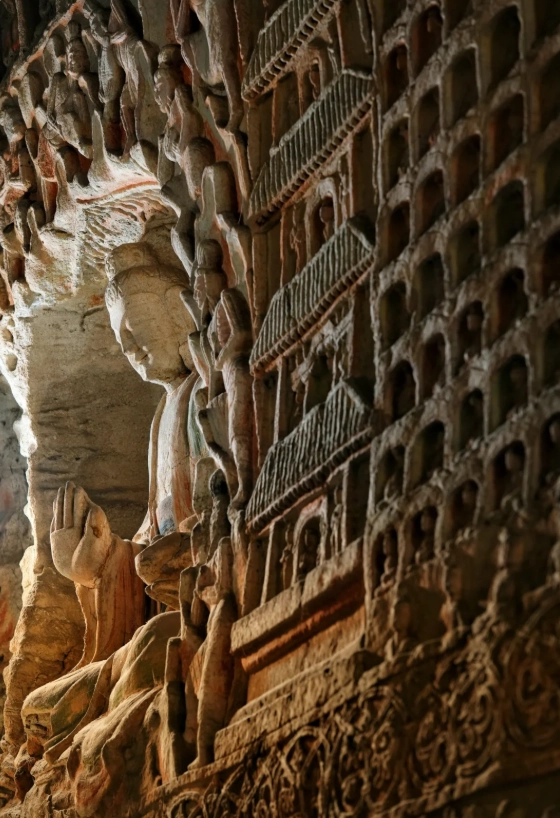
This is the single most impressive site in Shanxi, period. It's a collection of over 500 rock-cut caves and 51,000 statues, dating back to the 5th century. The sheer scale of the big Buddha (17 meters tall) might make you tear up. I've seen grouchy New Yorkers stand silent here.
- Location: About 16 km west of Datong city center.
- Ticket: Around 120 yuan (as of my last visit, but always check official WeChat or Trip.com for updates). Discounts for students/elderly.
- How to get there: Take Bus 603 or 4 from Datong Railway Station, or just take a Didi. If you take a Didi, it's roughly 15 minutes from the old city area. Insider Advice: Tell your driver to go to the west gate (西门) — it's closer to the main caves.
- Best time to go: Early morning — I mean at opening time (8:00). The tourist groups roll in around 10:00. The light is also better for photos before 10 a.m.
- Time needed: 2-3 hours. You'll walk a lot.
2. Pingyao Ancient City (平遥古城)
This is the best-preserved ancient walled city in China. It feels like stepping into a Qing dynasty film set. You can walk the entire city walls, haggle in old-timey shops, and sleep in a traditional courtyard hotel. At night, the city is eerily quiet after 10 p.m., which is exactly the charm.
- Location: About 90 km south of Taiyuan Airport. A direct train from Taiyuan takes about 30 minutes to Pingyao Railway Station, and then a 10-minute taxi to the city wall's south gate.
- Ticket: The city itself is free to enter, but for the museums inside, you'll need the combined ticket (about 125 yuan). This gets you into 22 attractions, but I honestly only recommend 2-3 of them — the Rishengchang Ticket House and the County Government Office. The rest are boring reconstructions.
- Time needed: If you're rushing, you could see the highlights in 3 hours, but I always push my clients to spend one night here. The sunset from the south gate tower is magical.

3. Mount Wutai (五台山)
One of the four sacred Buddhist mountains in China. It's not just a mountain — it's a pilgrimage site with ancient monasteries, monks walking in saffron robes, and an atmosphere you won't find anywhere else. You have to be physically fit because you'll climb a lot of stairs.
- Location: In the northeast of Shanxi, about 140 km from Datong. Allow a 3-4 hour drive over winding roads.
- Ticket: Entrance to the mountain area is 135 yuan (first visit). Note that some monasteries require extra fees (5-10 yuan).
- Accommodation: Stay in the villages inside the mountain area — there are plenty of guesthouses run by monasteries. They're basic but clean.
- Important: Bring warm clothes even in summer — it's 1,000 feet higher than Beijing, so nights are cold.
My personal ritual: Wake up at 4:30 a.m., hike up to the Nanshan Temple, and join the monks for chanting. You don't need to be religious to feel utterly moved.
4. Hukou Waterfall (壶口瀑布)
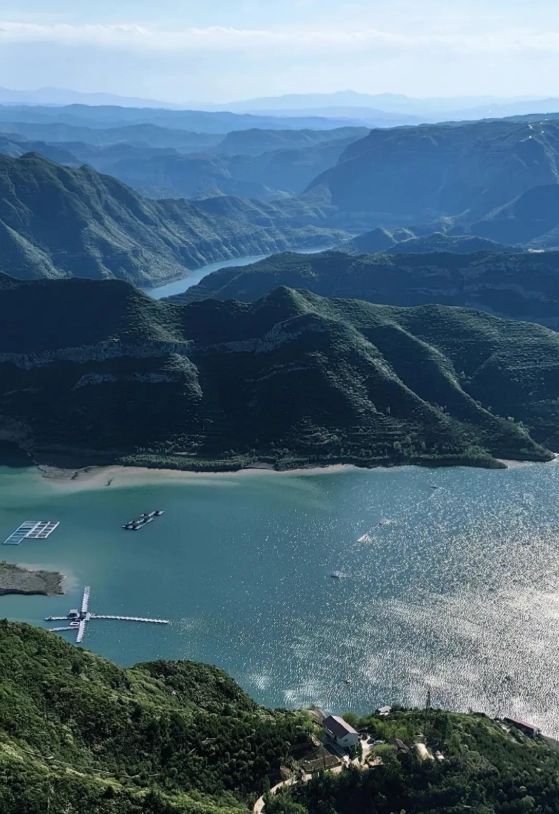
The world's largest yellow waterfall. The Yellow River narrows and thunders through a gorge, making a deafening sound. It's a weird mix of awe and a bit of a tourist trap — but the power of nature is undeniable.
- Location: On the border of Shanxi and Shaanxi, about 4 hours from Taiyuan by car. The Shanxi side entrance is at Jixian.
- Ticket: About 90 yuan plus a bus shuttle fare (20 yuan).
- Best time to visit: After heavy rain, the water volume is huge, but also overly muddy. During summer, it's boiling hot with no shade — bring a hat and water.
5. Hanging Temple (悬空寺)
This is one heck of an architectural anomaly. A wooden temple literally clinging to a cliff face, built over 1,500 years ago. It looks like it's about to fall any second, but it hasn't.
- Location: About 65 km south of Datong, near the Hengshan mountain.
- Ticket: Basement viewing is 15 yuan; to actually climb the temple is another 100 yuan. Honestly, the view from below is enough — the climb is scary and quick, not worth the money.
- Warning: Access is limited on weekends — there's a cap on daily visitors. Go on a weekday if possible.
What about the rest?
Shunxi has dozens of other sites — Qiao Family Courtyard, Wang Family Courtyard, the Ancient City of Taiyuan. But if you have limited time, stick to the ones above. I'd skip Qiao Family Courtyard — it's overcrowded and you've seen one courtyard house, you've seen them all.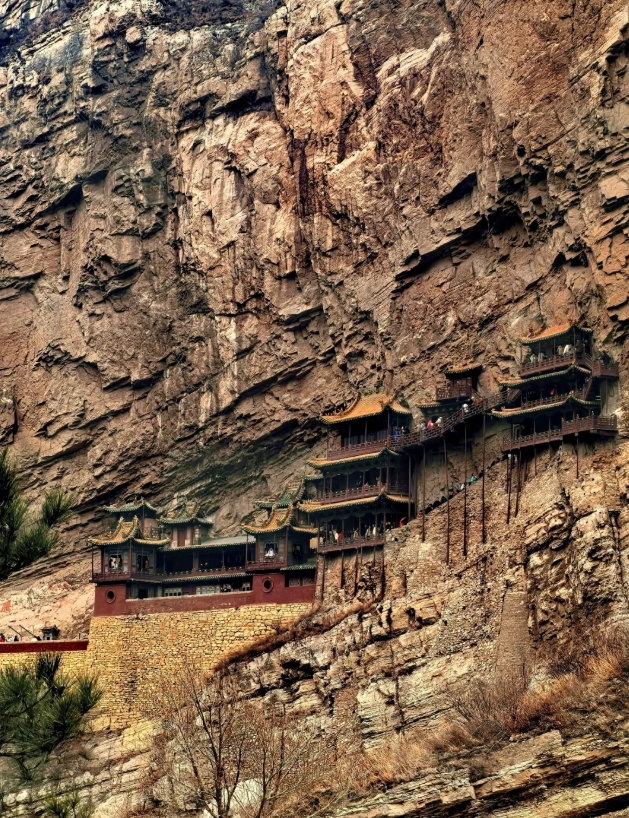
What to Eat in Shanxi
Shanxi cuisine is defined by two things: vinegar and noodles. You'll find black vinegar on every table, and it's sharp, intense, and gluggable (if you're brave). Let me guide you through the must-tries.
Knife-Cut Noodles (刀削面)
The signature dish. Noodles are shaved off a block of dough directly into boiling water. The texture is thick, soft yet chewy. Traditionally served in a beef broth or with a tomato-egg topping.
- Where: In Taiyuan, look for any shop with a huge pot in the window and a chef wielding a curved blade. One old standby is Quan Jiaozi (全饺子) near the Railway Station—they've been around for ages.
- Price: 20-30 yuan per bowl.
- Payment: Cash or mobile payment. They might not accept international cards.
Pingyao Beef (平遥牛肉)
This is the only beef I'll willingly eat in China — it's that good. It's tender, salty, and sliced thin, often served with garlic and vinegar. The most authentic place is, naturally, Pingyao.
- Where: In Pingyao, just enter any restaurant with a glass counter in front. Ask for a plate of cold beef as a starter.
- Price: About 50-60 yuan per plate.
You Mian Kao Laolao (莜面栲栳栳)
These are rolling oat noodles, steamed and served with a garlicky dipping sauce. They're gluten-free, if you're into that, and they're a specialty of the northern region.
Where to eat in Taiyuan?
Skip the touristy restaurants near the main attractions. Instead, walk to the Gulou Street food street (鼓楼街) in the old city. It's chaotic, but you'll find street stalls serving everything from candied hawthorn to spicy hotpot skewers. Just look for queues of locals — that's the universal sign for good food.
Practical Travel Tips
Payments: Don't Rely on a Credit Card
Almost everywhere in Shanxi only accepts mobile payments or cash. International cards rarely work. Seriously, I've watched travelers get stuck at a restaurant with a massive meal and no way to pay. Here's how to avoid that:
- Download Alipay (支付宝) or WeChat Pay (微信支付) before you arrive. Link your foreign credit card — it's possible now, but the setup can be frustrating. I recommend Alipay as it's more foreigner-friendly.
- Always carry 500 yuan in cash as backup. Shops that only accept mobile payments are everywhere, but cash works too.
- For small street vendors, a 5-yuan bill is perfect.
Navigation: Apple Maps is Your Friend
Google Maps is a mess in China. It doesn't work well and often shows outdated locations. I use Apple Maps or the international version of AMap (高德) with English menu. Both offer transit and walking directions that actually work.
Booking Attractions: Have Your Passport Handy
Many sites now require a real-name booking system. You can't just show up and buy a ticket, especially for Yungang Grottoes and Mount Wutai. Here's the drill:
- Use Trip.com or Klook to book tickets in advance—these English-friendly platforms work with your passport number.
- Alternatively, ask your hotel concierge to book for you. It's a bit old-school, but it saves you from the Chinese-language-only WeChat mini-program nightmare. Honestly, even I get frustrated navigating those.
- Always carry your passport—not a photocopy—because they might ask to see it at the entrance.
Language and Connectivity
You'll need a stable VPN before you come. Google services are blocked, so don't rely on your usual apps. Set up a reliable VPN and test it before you land.
For translations, I swear by Apple Translate or Baidu Translate—both work offline if you download the language pack. Also, download the Chinese phrasebook on your phone. A simple “Bú yào suàn le” (don't cheat me) can be a lifesaver.
Safety: Shanxi is Generally Safe, But Watch Your Belongings
Shanxi has a low violent crime rate. But in touristy spots like Pingyao, beware of pickpockets and overpriced shops.
Use common sense. Don't flash wads of cash. If someone offers to guide you “for free,” they'll expect a tip at the end. Politely say “xiè xiè, but no.”
Sample Itinerary: 3 Days in Shanxi
If you only have 72 hours, here's my exact plan that balances the must-sees with reasonable travel time. It's packed but doable. I've tested it with countless groups.
Day 1: Datong — Yungang Grottoes + Hanging Temple
- Morning: Fly or high-speed train to Datong. Check into a hotel near the ancient city wall.
- 9:00: Head straight to Yungang Grottoes. Spend until noon there.
- 12:00: Grab a quick lunch near the grottoes—noodle shops everywhere.
- 13:30: Drive to Hanging Temple (35-40 minutes). Spend 1-1.5 hours there.
- 15:30: Drive back to Datong. Visit the Datong old city wall and stroll around the Huayan Monastery (free after 5 p.m.)
- Evening: Try the local BBQ on Gulou Street.
Day 2: Transfer to Wutaishan — Sacred Mountain
- Morning: Take an early bus or rent a private car from Datong to Wutai (3-4 hours).
- Afternoon: Arrive, have lunch, and visit the Taihuai Temple area and the famous Shuxiang Temple.
- Evening: Stay overnight in the village, and join a group of pilgrims for evening chanting.
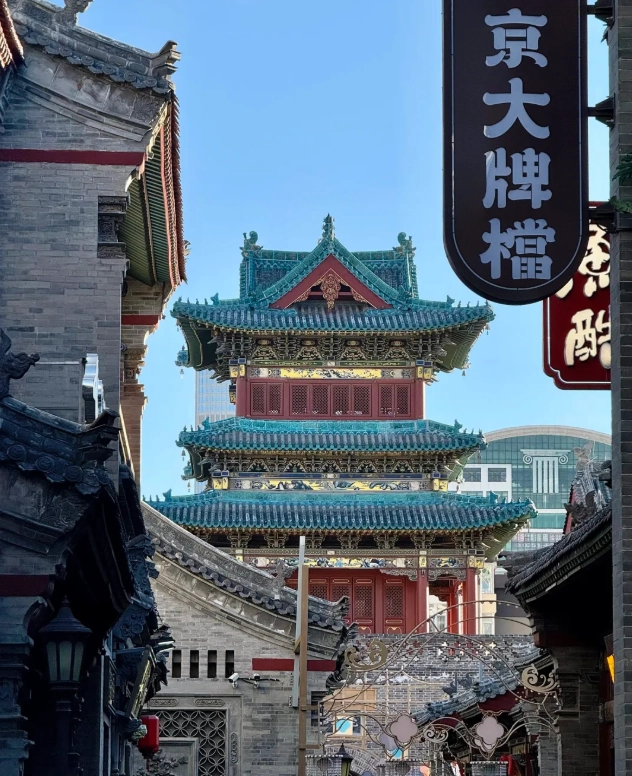
Day 3: Wutai to Pingyao — Ancient City
- Morning: Wake up for sunrise at the Nanshan Temple, have a monastery breakfast.
- 9:00: Depart for Pingyao (by car, possibly long 4-5 hours). If you prefer public transport, go back to Taiyuan via bus to the high-speed rail station, then take a train to Pingyao—slower but easier.
- Afternoon: Arrive at Pingyao, check into your courtyard hotel, walk the walls at sunset.
- Evening: Try the beef and local wine. Sleep like a baby in the quiet old city.
Alternative: If you have rainstorms or extreme heat
Plan B: Both Datong and Pingyao have good museums. Datong Museum is free and world-class. In Pingyao, visit the Pingyao Joint Stock Ticket House Museum—it's indoors and fascinating.
FAQ
This content has been fact-checked to ensure informational precision. While prices and hours are subject to change, all historical and cultural context was verified by the editorial team.





No comments yet.