 Gang Zheng
What's Inside
If you're googling "what to eat in Liaoning" and getting the same three dishes, you're missing the real flavors.
I've dragged food-hungry travelers through this northeastern province for six years. The best meals aren't in glossy magazines—they're in smoky back alleys and unmarked joints where the menu is a list of Chinese characters you can't decipher.
This guide cuts through the noise. I'll give you the dishes locals actually order, plus the exact addresses, prices, and the payment pitfalls that will save you from hunger and embarrassment.
Why Liaoning Food Is Different From the Rest of Northern China
Liaoning sits at the southern end of China's old Manchurian plains. That means it mixes spicy Korean flavors, hearty northern wheat dishes, and a coastline that supplies enough seafood to make a Japanese chef jealous. Think of it as China's original fusion food — but without the Instagram staging.
Locals don't do dainty portions. They do piles of meat, thick sauces, and bowls of soup that could warm you through a blizzard. And unlike Beijing or Chengdu, you won't find many English menus or trendy food halls. That's precisely why you need this guide.
The 8 Dishes You Should Hunt Down in Liaoning
This is my personal list. I've eaten every one of these repeatedly — often on the same day. Each one comes with the exact place I go to, the price range to expect, and the one mistake you're likely to make.
1. Laobian Dumplings (老边饺子) — Shenyang
This family-run dumpling house has been packing people in since 1829. The secret is in the broth-steamed filling, which bursts in your mouth with a smoky, savory hit. Skip the touristy shrimp version — the classic pork and cabbage (猪肉白菜) is what locals order.
Where: No. 115 Zhongjie Road, Shenhe District. Show the taxi driver "老边饺子 中街店". It's about a 15-minute walk from Shenyang Palace Museum.
Price: 50–70 RMB per person. You can barely leave without ordering three plates.
Time: 11am to 9pm. Go early for a table and avoid the daily tourist bus rush at noon.
Payment: Cash, WeChat Pay, or Alipay. Don't expect international cards.
My trick: I always ask for "hún cha" — the pan-fried version. The crispy bottom is what the menu calls 锅贴, and it's worth the extra 10 minutes.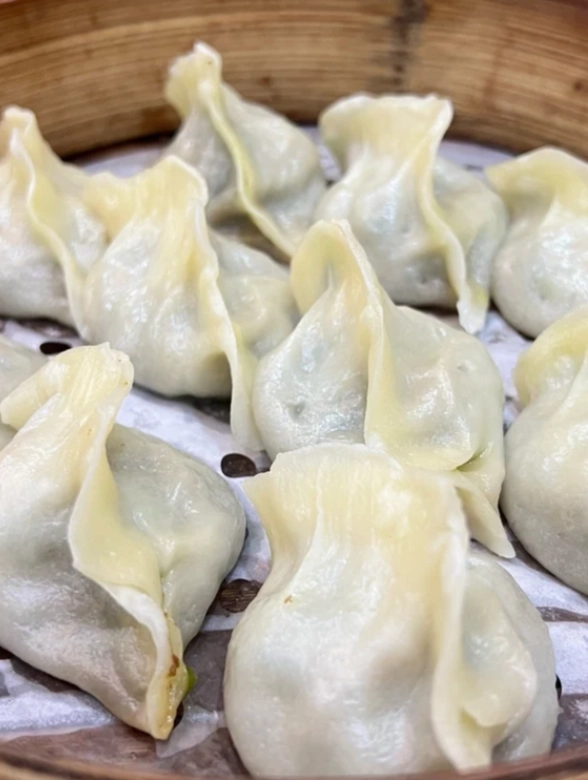
2. Smoked Chicken Rack (烟熏鸡架) — Shenyang
This is the unofficial snack of Shenyang, and you'll see it sold in street stalls and even tiny shops. It's cheap, smoky, and perfect with cold beer. The best ones are grilled over charcoal, then hand-shredded once you buy.
Where: Head to Xinglong Street Night Market (兴隆街夜市) in Shenhe District. At the entrance, look for the stall with a long queue and a big metal barrel. You'll smell the smoke three blocks before.
Price: 10–15 RMB per piece. A whole chicken rack is about 20 RMB — enough for two.
Time: Lanterns light up around 6pm. Go at 6:20 to catch the grilled batch, before they sell out at 8pm.
Payment: Cash only at most stalls — bring small bills.
Insider note: Ask for extra "là" (spice) only if you want your mouth on fire. The default is already salty-sweet with a subtle chili.
3. Jinzhou BBQ (锦州烧烤) — Jinzhou
Jinzhou is to Chinese BBQ what Memphis is to American ribs. The city has built its entire soul around open-fire grilling, and the lamb skewers with a cumin-heavy rub will rewire your brain. Forget the franchises — I always take guests to a family-run grill near the train station.
Where: From Jinzhou Railway Station, walk 300m to Nanjing Road. Look for "金城烧烤" (Jincheng BBQ). There's always a neon sign and a cloud of smoke in front.
Price: 40–80 RMB per person, depending on your ordering discipline. Skewers cost 5–15 RMB each.
Time: Open till 2am. The sweet spot is 7pm — early enough to grab a table, late enough to hear the locals singing karaoke.
Payment: WeChat/Alipay or cash. Again, no cards.
Must order: Lamb skewers (羊肉串), grilled aubergine (烤茄子), and the dipping powder that comes on every table — it's a mix of cumin and chili that you'll want to steal.
4. Panjin River Crab (盘锦河蟹) — Panjin
These crabs come from the reed fields at the mouth of the Liao River. Smaller than the hairy crabs from the south, but the crab roe is so rich it feels like salted caramel. In autumn — which is really the only season locals care about — the females (蟹黄) are the prize.
Where: Drive to Panjin's "Red Beach" area (红海滩), and you'll see seafood restaurants lining the road. I recommend "赵家海鲜馆" (Zhao Family Seafood) right by the wetland park gate.
Price: A basket of 8 steamed crabs costs 80–120 RMB. You can also buy them live from roadside stands for 30–50 RMB per kilogram, but only if you can cook them or have a restaurant do it.
Time: Crab season runs from September to November. Outside that, you'll get frozen ones — not worth it.
Payment: Cash is king in rural Panjin. Mobile payment works too, but bring cash for emergencies.
My honest advice: Eat them in a restaurant, not by the road. The locals know how to steam them with ginger vinegar that cuts the richness perfectly.
5. Dalian Seafood Platter (大连海鲜) — Dalian
Dalian's harbor restaurants offer the freshest catch you'll get without flying to a Korean island. The real treat is the sea urchin (海胆) — bright orange, briny, and almost sweet. Scallops grilled with garlic come a close second.
Where: Walk along Binhai Road (滨海路) toward Laotieshan. The cluster of open-air stalls near "渔人码头" (Fisherman's Wharf) is where I catch the fishermen pulling up their nets around 4pm.
Price: A platter of mixed seafood for two costs 150–250 RMB. The sea urchin is extra — usually 15–30 RMB each.
Time: Lunch is more expensive; dinner after 6pm is more relaxed. Avoid the national holiday weeks when prices double.
Payment: Mobile payment or cash. Some larger places accept international cards, but don't count on it.
Pro tip: Don't ask them to make it spicy. The flavor should be the ocean, not the chili oil.
6. Dandong Yellow Clams (丹东黄蚬子) — Dandong
These clams come straight from the estuary near North Korea, and they're the most unassuming dish on this list. No sauce needed — just steam them with a little ginger. The broth that pools in the shells is liquid umami.
Where: In Dandong, walk to the riverside promenade near the Broken Bridge (断桥). There's a line of small restaurants on Binjiang Road. I always sit at "江边渔家" (Riverside Fisherman) because the owner speaks a tiny bit of English and will show you which clams are alive.
Price: 30–50 RMB per plate — you'll polish off two.
Time: Clams are best eaten at lunch — that's when the daily catch arrives. Dinners can be hit-or-miss.
Payment: Cash or WeChat. Bring your passport if you want to buy anything from the duty-free shop across the street.
Warning: Don't let them soak the clams in spicy broth — it hides the freshness. Ask for "qīngzhēng" (steamed plain).
7. Benxi Goat Soup (本溪小市羊汤) — Benxi
This is the breakfast of champions in the mountains of Benxi. A bowl of milky-white goat broth, packed with tender chunks of goat meat, and a set of condiments — salt, MSG, chili oil, and coriander — that you add yourself. It sounds simple, but it's the most warming thing on this list.
Where: In Benxi city, go to "小市羊汤馆" on Dongming Road. It's a no-frills place with communal tables and a queue that starts at 8am.
Price: 20–35 RMB per bowl. Add some steamed bread (花卷) to mop up the broth.
Time: 7am to 2pm. The soup at 11am is the most flavorful, but be prepared to share a table.
Payment: Cash only at this spot — the only place on this list that hasn't caught up with mobile payments.
My routine: I always order a "double shot" of broth — ask for "gèng nóng de" to get the extra-rich bottom of the pot.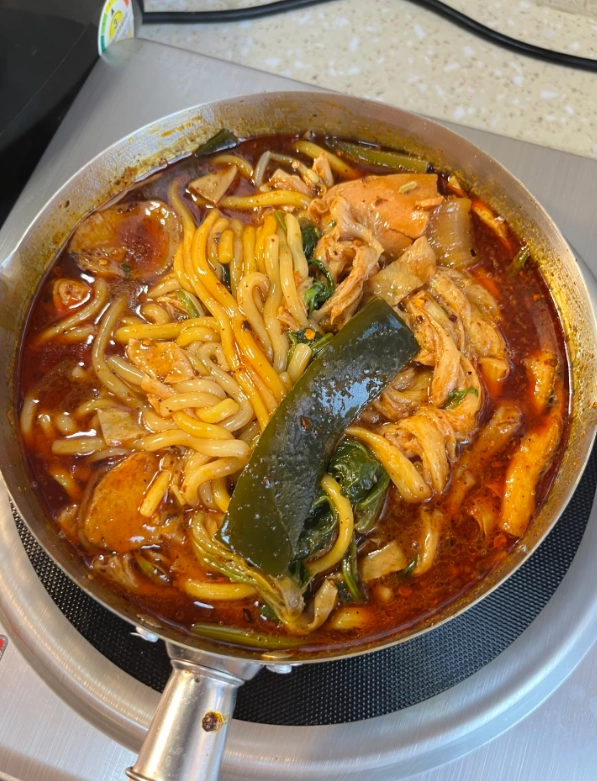
8. Fushun Spicy Mix (抚顺麻辣拌) — Fushun
This cold salad is the snack of choice for students all over Liaoning. It's a mix of instant noodles, potato slices, tofu skin, and whatever vegetables are in season — all tossed in a sweet-spicy-vinegar dressing with a serious punch of Sichuan pepper. It's both cheap and addictive.
Where: At Fushun's Wanghua Street (王华街), near the north gate of Liaoning Petroleum University. The most popular stall is called "川味麻辣拌" (Chuan Wei Spicy Mix).
Price: 8–15 RMB per bowl — you'll want two.
Time: 11am to 1pm, and again 5pm to 7pm. The university crowd keeps the turnover fast.
Payment: Mobile payment or cash.
Pro tip: Tell them "qīng là" (mild spicy) if you're not used to Sichuan pepper numbness. The default is dusty with chili.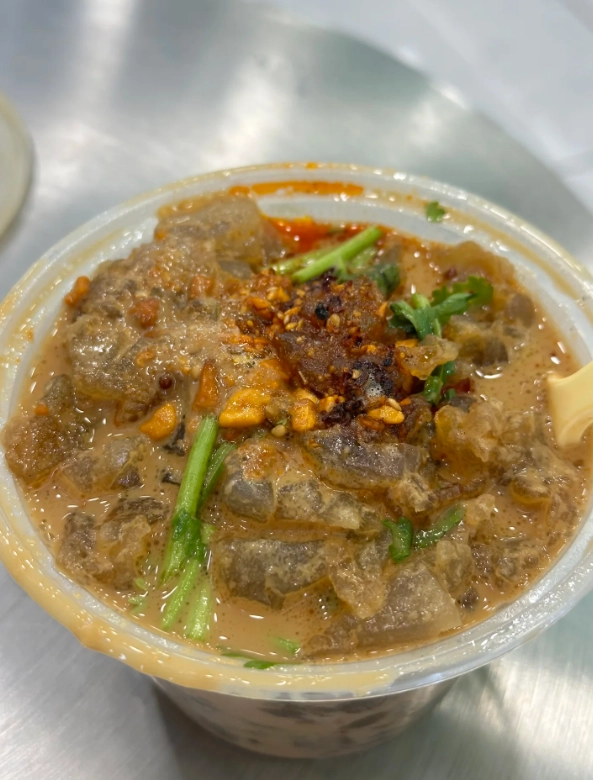
Here's a quick cheat sheet for whenever you can't remember all the details:
| Dish | City | Spice Level | Price Range | Best Time to Go |
|---|---|---|---|---|
| Laobian Dumplings | Shenyang | Mild | 50–70 RMB | 11am |
| Smoked Chicken Rack | Shenyang | Medium | 10–20 RMB | 6:30pm |
| Jinzhou BBQ | Jinzhou | Medium | 40–80 RMB | 7pm |
| Panjin River Crab | Panjin | None | 80–120 RMB | Lunch, autumn |
| Dalian Seafood | Dalian | Mild | 150–250 RMB | 4–6pm |
| Dandong Clams | Dandong | None | 30–50 RMB | 12pm |
| Benxi Goat Soup | Benxi | Strong | 20–35 RMB | 11am |
| Fushun Spicy Mix | Fushun | Hot | 8–15 RMB | 5pm |
How to Plan a Food-First Trip Around Liaoning
You can't eat all eight in one day — unless you hate your stomach. First thing I tell every guest: double-check your visa with the official National Immigration Administration site, because rules shift like a Hangzhou pond. Then read my logistics below — they'll save you hours and headaches.
Transport: Trains, Not Buses
High-speed trains are the only way to hop between cities without losing half a day. From Shenyang, you can reach Benxi in 30 minutes, Jinzhou in 1 hour, and Dalian in 1.5 to 2 hours. You don't need a car — the train stations are close to city centers. Book tickets on the official railway site (12306.cn) or through an English-friendly app like Trip.com. Bring your passport to the machine — it's the only accepted ID.
Payment: Cash Is Your Secret Weapon
Almost every stall now takes WeChat Pay or Alipay, but international cards are still rejected. Get an Alipay account linked to your foreign card before you arrive, and always withdraw some cash in two denominations — 10 and 100 RMB. The 10s are for the chicken racks and the 100s are for your seafood platter. I've seen too many tourists skip a meal because they couldn't pay.
Navigation: Forget Google Maps
Google Maps has been unreliable in mainland China for years. Use Apple Maps (which works okay in major cities) or download the free Amap Global app. It shows English names for key landmarks, and you can type the Chinese name of any restaurant I listed — that'll get you to the door. Amap also gives you taxi fare estimates, which helps you avoid being ripped off.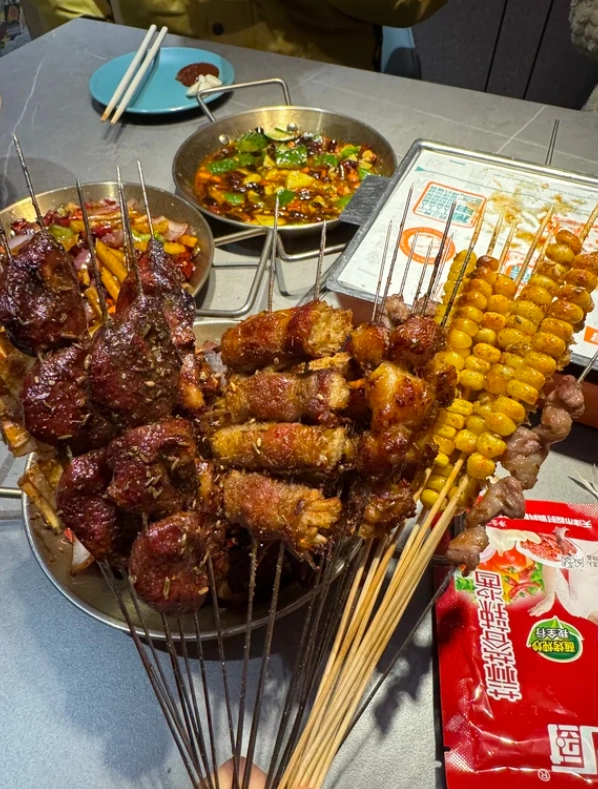
Language: Your Two Must-Have Apps
The number one mistake is thinking you can point at an English menu. Most places don't have one. Before you travel, install a translation app that has offline packs — Apple Translate or the Baidu Translate app both work offline. Also download a VPN so you can access your apps and messaging when you're out. Many cafes have Wi-Fi, but you'll still need a connection for your maps.





No comments yet.