 Hua Sun
Steam billows from a wok, and the crunch of golden pork echoes across the table. That was my first bite of Changchun’s legendary Guo Bao Rou — and honestly, it ruined every other version for me.
Figuring out what to eat in Changchun as a foreigner isn’t easy. Google Maps leads you nowhere, menus are pure Chinese, and your credit card will probably fail at small stalls. I’ve spent years guiding travelers through this city, and I know exactly where the confusion starts.
Here’s the bottom line: skip the overpriced chains near the train station. Head to Guilin Road (桂林路) and eat where the university students line up. And always carry small cash — even though mobile payment rules, some old-school vendors haven’t caught up.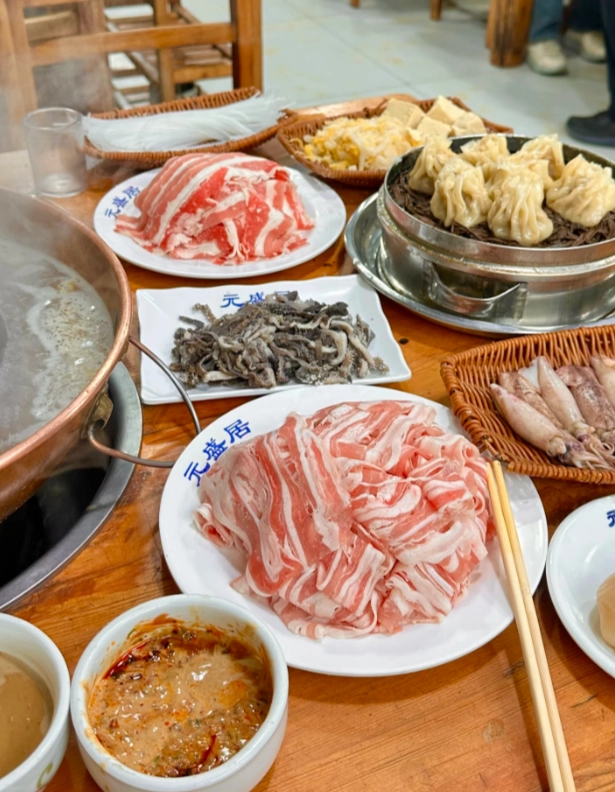
Why Changchun’s Food Scene Surprises Most Travelers
Changchun sits at the crossroads of Northeastern Chinese and Korean culinary traditions. The city’s cold winters shaped a cuisine that’s hearty, warming, and fiercely flavorful. Think pickled vegetables, slow-braised meats, and generous helpings of garlic. As a guide, I’ve seen foodies expecting bland “northern food” walk away completely stunned by the variety.
The Korean influence is especially strong, thanks to the large ethnic Korean community in nearby Yanbian. You’ll find authentic cold noodles and kimchi that rival anything in Seoul. This blend is something you simply can’t find in Beijing or Shanghai.
What Are the Must-Try Dishes in Changchun?
Before deep-diving, here’s a quick cheat sheet. I’ll get to the personal stories and textures below.
| # | Dish | Flavor Profile | Where to Try | Price |
|---|---|---|---|---|
| 1 | Guo Bao Rou | Sweet & sour, crispy | Chunfa He or any Dongbei restaurant | ¥35–50 |
| 2 | Bai Rou Xue Chang | Savory, garlicky | Jilin Restaurant, Guilin Road | ¥30–45 |
| 3 | Changchun Braised Pork | Soy-based, rich | Old-brand deli stores | ¥25–40 |
| 4 | Korean Cold Noodles | Cold, tangy, refreshing | Korean restaurants near Yanbian | ¥20–30 |
| 5 | One-Pot Stew | Hearty, savory | Family-run eateries | ¥40–60 |
| 6 | BBQ Skewers | Smoky, spicy | Night markets like Guilin Road | ¥2–5 each |
| 7 | Sticky Bean Buns | Sweet, chewy | Breakfast stalls | ¥3–5 each |
| 8 | Snow-Covered Bean Paste | Sweet, creamy | Dessert shops | ¥15–25 |
| 9 | Dried Tofu Skewers | Savory, spicy | Street vendors | ¥3–8 |
| 10 | Sauerkraut Pork | Tangy, fatty | Home-style restaurants | ¥40–60 |
Table notes: Prices per person are estimates. Check current rates on Dianping (大众点评) before you go.
1. Guo Bao Rou — The Sweet-Sour Legend
This crispy pork dish is the city’s pride. The first bite hits you with vinegar sharpness, then a candy-like sweetness follows. I’ve watched travelers’ eyes widen at the crunch. Find it at any proper Dongbei restaurant, but the locals swear by the version at Chunfa He, a historic eatery near People’s Square. Don’t expect English menus here — just point at my photo and smile. It’s plenty for two, so share it.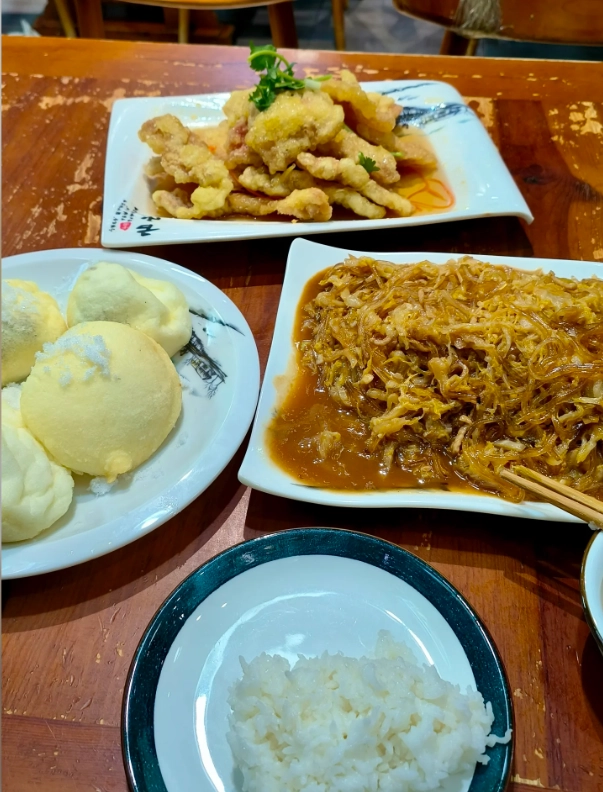
2. Bai Rou Xue Chang (白肉血肠) — A Taste of Northern Warmth
This is a dish that separates adventurers from picky eaters. Slices of boiled pork belly and blood sausage, served with a garlic-soy dipping sauce. The texture is soft, the flavor is intensely savory. Locals love it in winter. I recommend trying it at a place called Jilin Restaurant, which is across from the Guilin Road market — just look for the red sign with hanging sausages.
3. Changchun Braised Pork (长春酱肉) — The City’s Own Cured Delicacy
Changchun isn’t just about street food; it’s a city that loves its delis. This is a cold-appetizer dish where pork is braised in soy sauce and spices, then sliced thin. It’s a perfect snack with beer. Buy it from any 酱肉 (braised meat) shop along Chongqing Road. Ask for a mix of lean and fatty bits — the keeper cuts taste better.
4. Korean Cold Noodles (朝鲜冷面) — A Slurp-Worthy Surprise
These chewy buckwheat noodles are served in a chilled, tangy beef broth with sliced apple and cucumber. It’s a shock to the system after all that heavy meat, but it works. The best versions are in Korean-family-run places along the Hongqi Street. My go-to order is the soy-sauce version with a side of spicy raw crab — but only if you’re feeling bold.
5. One-Pot Stew (一锅出) — The Ultimate Comfort Food
Think of it as Chinese hotpot’s oversized cousin. Corn, potatoes, green beans, and pork ribs slow-cooked in a giant iron pan with a corn dumpling crusted on the edge. It’s rustic, wholesome, and designed to feed a crowd. Nearly every home-style eatery on Guilin Road has it on the menu. I usually tell clients to order one pot for two to three people.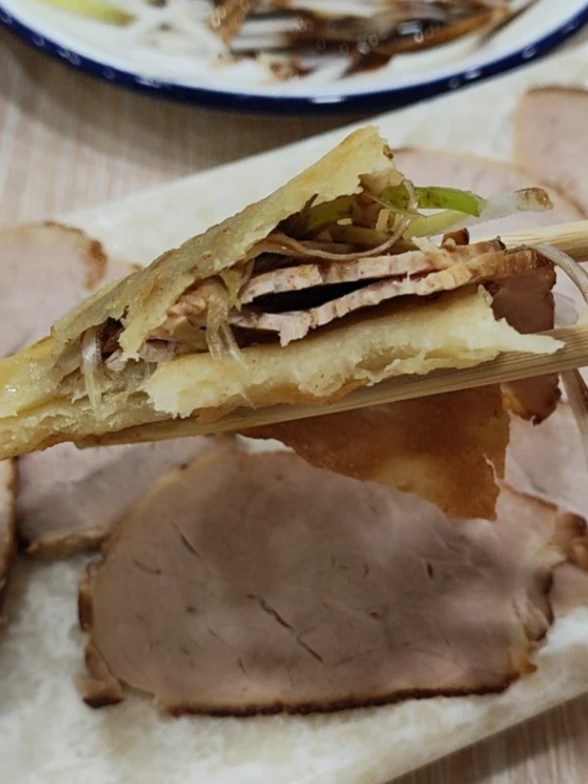
6. BBQ Skewers (烧烤串) — Where Late Nights Begin
No trip to Changchun is complete without a skewer binge. Lamb skewers, chicken wings, grilled garlic, and the mysterious “everything else” on a stick, dusted with cumin and chili powder. The night markets turn into a smoky paradise after 7pm. Go to the alley behind the Guilin Road shopping complex and follow your nose. Grilled mantou (steamed bread) is my must-order.
7. Sticky Bean Buns (粘豆包) — A Sweet Morning Staple
These are golden, chewy dumplings made from sticky rice with a sweet red-bean paste filling. Street vendors sell them from steamers on nearly every corner. They’re a little nugget of joy, especially when dusted with sugar. For breakfast, head to the morning market at Dongfang Square — you’ll see locals lining up for them.
8. Snow-Covered Bean Paste (雪衣豆沙) — A Dessert That Looks Like Snow
Despite the name, this dessert is a deep-fried treat. A ball of sweet bean paste gets wrapped in a fluffy egg-white meringue, then fried until golden — the white coating looks like snow. It’s lightly sweet and crisp on the outside, melting in the middle. Find it in old-school local restaurants that serve “Jilin-style” cuisine. It’s a great way to end a heavy meal.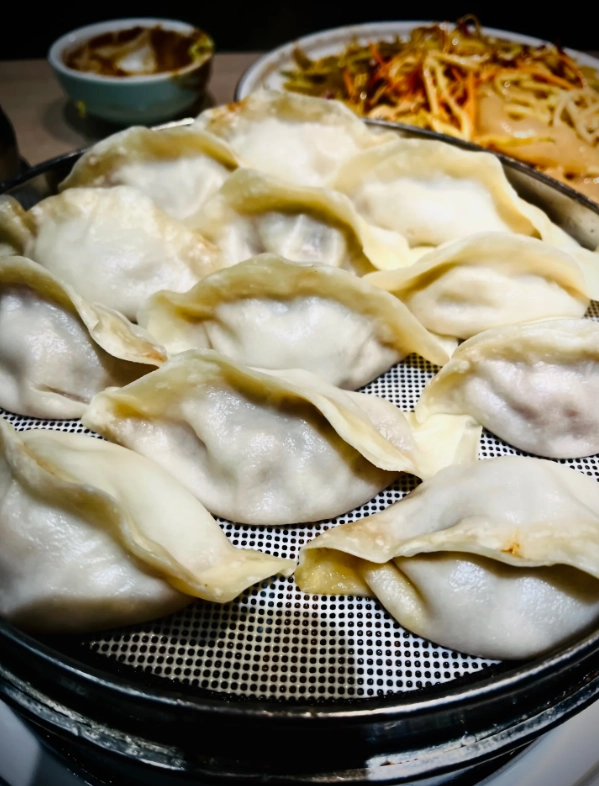
9. Dried Tofu Skewers (干豆腐串) — The Street Snack You’ll Crave
Thin sheets of firm tofu are grilled or braised in a spicy-sweet sauce and threaded onto skewers. They’re chewy, savory, and surprisingly addictive. You’ll see them sold next to BBQ stalls. Grab a handful and eat while walking along the bustling streets of Chongqing Road. At ¥2 per skewer, it’s the cheapest bite on this list.
10. Sauerkraut Pork (酸菜白肉) — A Winter Warmer
This is the dish locals crave when temperatures drop. Fermented Chinese cabbage is simmered with fatty pork slices, often served in a steaming clay pot. The tangy broth cuts through the richness, and the pork melts in your mouth. It’s best enjoyed at a restaurant with good insulation and a warm stove — my clients always thank me for this suggestion.
Where to Find These Dishes: Guilin Road & Beyond
Guilin Road (桂林路) is the undisputed king of Changchun street food. This pedestrian street buzzes with vendors selling skewers, cold noodles, and everything in between. It’s also where you’ll find the largest cluster of restaurants open late. For a more local vibe, head to Chongqing Road for braised meats and baked goods, or Hongqi Street for Korean flavors.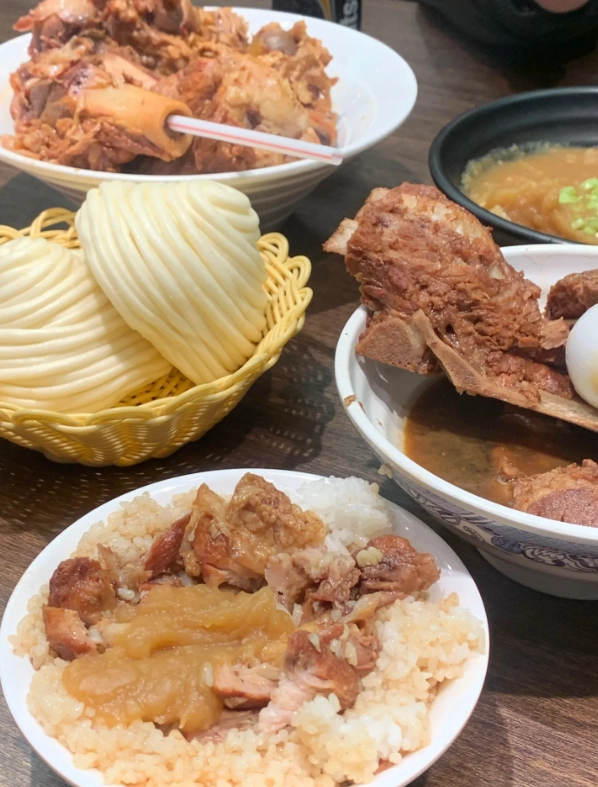
Here’s a quick comparison of the three main food streets:
| Street | Best For | Peak Hours | Payment |
|---|---|---|---|
| Guilin Road (桂林路) | Street skewers, noodles, desserts | 6pm – 11pm | Alipay/WeChat, some cash |
| Chongqing Road (重庆路) | Braised meats, deli foods, bakeries | 10am – 8pm | Alipay/WeChat, cash |
| Hongqi Street (红旗街) | Korean BBQ, cold noodles, kimchi | 11am – 10pm | Alipay/WeChat, cards accepted at larger restaurants |
Insider advice: don’t stick to just one street. Take a subway Line 1 to Guilin Road station (exit C), walk east for five minutes, and you’ll hit the main drag. For Chongqing Road, get off at the city center’s “Chongqing Road” stop (line 2) — you can’t miss the yellow arch. If you’re planning a food trip from other cities, the high-speed rail is a convenient option — check schedules and book via the official China Railway website.
How Can You Order and Pay for Food in Changchun?
The biggest headache for foreign travelers is the payment system. Nearly every vendor uses Alipay (支付宝) or WeChat Pay (微信支付). The good news is you can link your international credit card to these apps before you arrive. Download them, follow the steps to add your card, and you’re set. I always carry ¥200 in small bills as a backup, because some tiny stalls only accept cash.
Getting around is another obstacle. Google Maps is useless in China. Instead, use Apple Maps or download AMap (高德地图), which now offers an English interface. Type in the Chinese names of the places I’ve listed, or simply show the driver the characters. For public transport, the metro is clean and easy — buy a ticket at the machine using cash or your mobile payment app.
Pro Tip: Before your trip, download a VPN and a translation app like Apple Translate. You’ll need them for browsing menus and booking tickets on Chinese platforms. The official China visa policy can be checked at the National Immigration Administration website, so you stay compliant with entry requirements.
Reservations aren’t common for small eateries — you just show up and wait. But for popular places that might need a reservation, ask your hotel’s front desk to call for you. Most hotels are happy to help.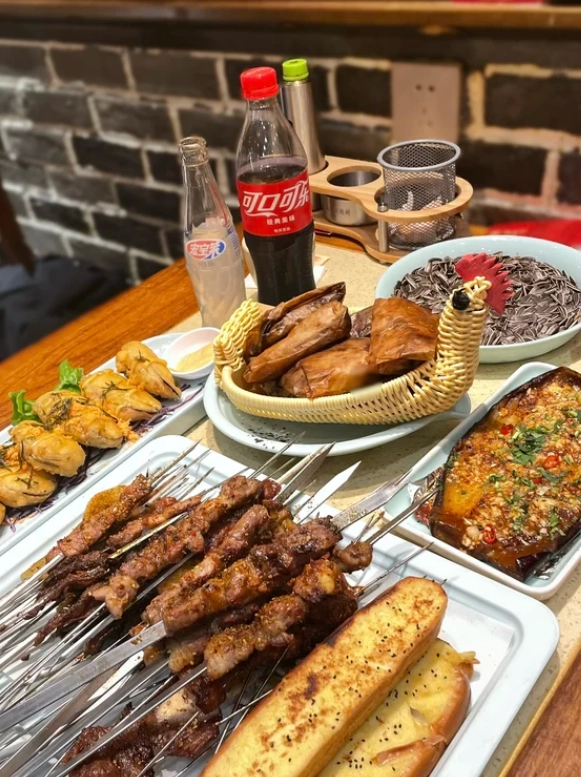
FAQ: Your Changchun Dining Questions Answered
Verified and fact-checked by the editorial team.





No comments yet.