 Wei Zhang
Quick Navigation
First bite of a pork intestine in bubbling red oil — your tongue goes numb. Then the heat hits. If you've ever wondered why locals sweat through the winter in a steamed room, this is the place.
I've led dozens of visitors through Chongqing's maze-like streets, and I still get a kick out of watching their first encounter with mala. This Chongqing mala flavor guide covers the essentials: what mala really is, which dishes you absolutely cannot miss, and how to survive a feast without ending up in the hospital.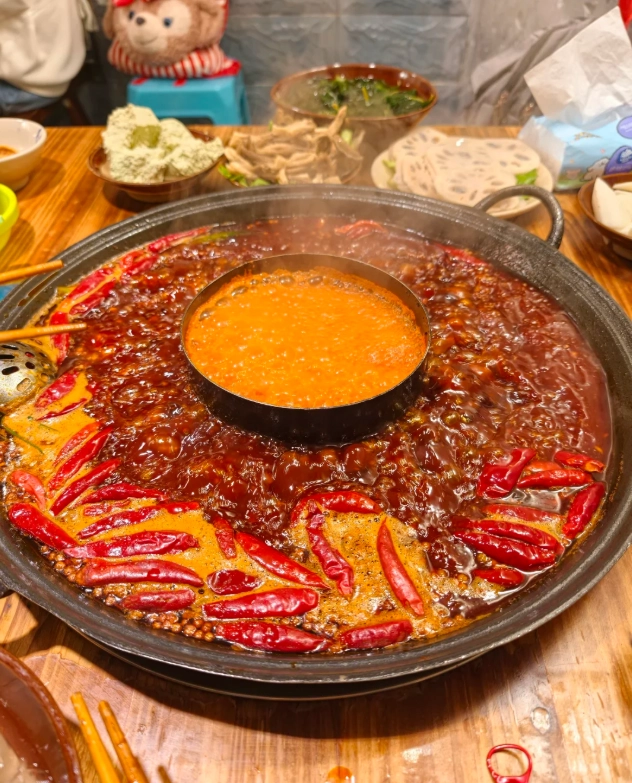
What Does Mala Actually Mean?
Mala (麻辣) is a flavor complex that combines two sensations: 麻 (má) — the tingling, numbing effect of Sichuan peppercorns — and 辣 (là) — the fiery heat from dried chilies. Unlike the blazing burn of pure chili, mala builds slowly, then sends waves of numbness through your lips and tongue. Many first-timers mistake it for a mistake; locals call it art.
The star ingredient is the Sichuan peppercorn (花椒), which isn't actually a pepper. It produces a buzzing, electric sensation that confuses your nerve endings. Add dried chilies, garlic, ginger, and fermented bean paste, and you get the soul of Chongqing cuisine.
The Numbing (Ma) and the Hot (La)
The balance between ma and la is everything. Too little peppercorn and you just feel pain. Too much, and your face goes frozen mid-bite. Chongqing chefs spend years perfecting this ratio. Locals can instantly tell if a place uses fresh peppercorns or yesterday's leftovers.
Pro Tip: If the numbness makes you panic, grab a glass of cold soy milk or a bowl of the restaurant's special yogurt. It cuts through the oil faster than water.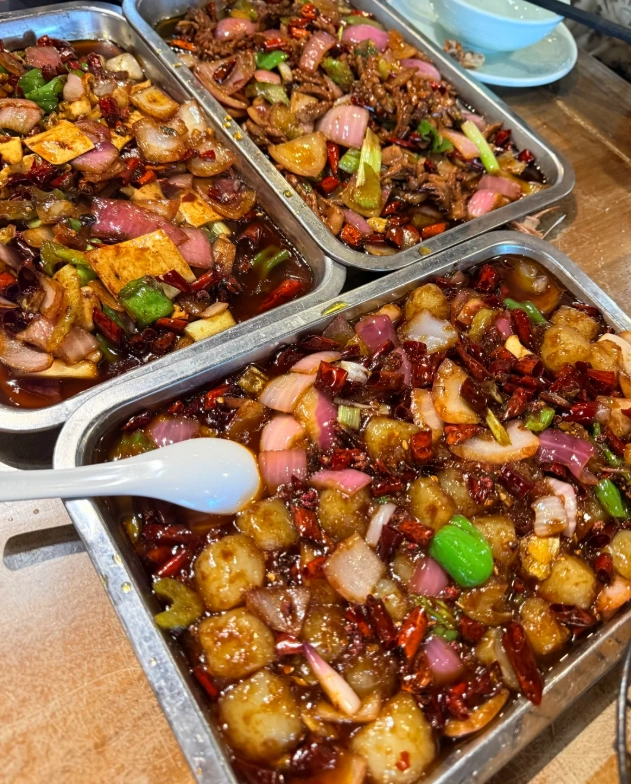
Why Chongqing Is the Mala Capital of China
Geography, climate, and history all point to one answer: the mist. Chongqing sits on the Jialing and Yangtze rivers, wrapped in a humid subtropical climate. Locals traditionally ate spicy food to sweat out the damp chill that lingers all year. The heat from chilies opens your pores and makes you feel alive.
Historically, the city was a major river port, and dock workers needed hearty, cheap meals that kept them warm. Hot pot started as a communal boil of offal and vegetables in a fiery broth — everything tasty, everything cheap. Over time, it became a cultural icon.
Today, Chongqing has around 30,000 hot pot restaurants. Yes, you read that right. The city competes with itself for the spiciest, most fragrant bowl.
The Essential Mala Dishes You Can't Miss
Beyond hot pot, these are the plates I order every single time. Each one showcases a different rhythm of mala:
| Dish | Key Ingredients | Mala Intensity | Best For |
|---|---|---|---|
| Chongqing Hot Pot (重庆火锅) | Beef tripe, ox heart, pig intestine, greens | 🔥🔥🔥🔥🔥 | Group feasts |
| Spicy Dry-Heat Chicken (辣子鸡) | Chicken, dried chilies, garlic, sesame | 🔥🔥🔥🔥 | Beer pairing |
| Water-Boiled Fish (水煮鱼) | Sliced fish, bean sprouts, dried chilies | 🔥🔥🔥🔥 | Fish lovers |
| Maoxuewang (毛血旺) | Duck blood curd, tripe, ham, bean sprouts | 🔥🔥🔥🔥🔥 | Texture explorers |
| Spicy Mung Bean Jelly (酸辣粉) | Sweet potato jelly, vinegar, chili oil | 🔥🔥🔥 | Street snack |
Note on heat levels: The chili emojis are my own estimate. A local might laugh, because even a moderate place can make your nose run. Always ask for wei wei la (微微辣) if you're nervous.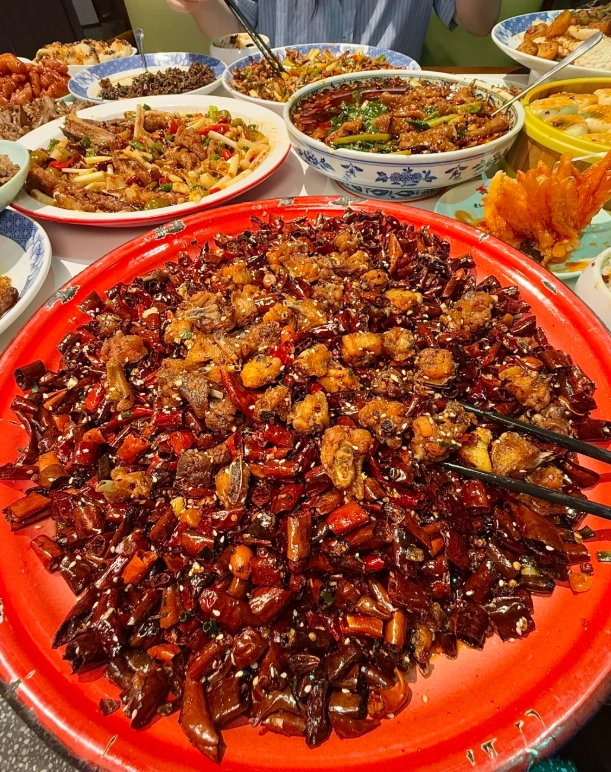
Chongqing Hot Pot: The King
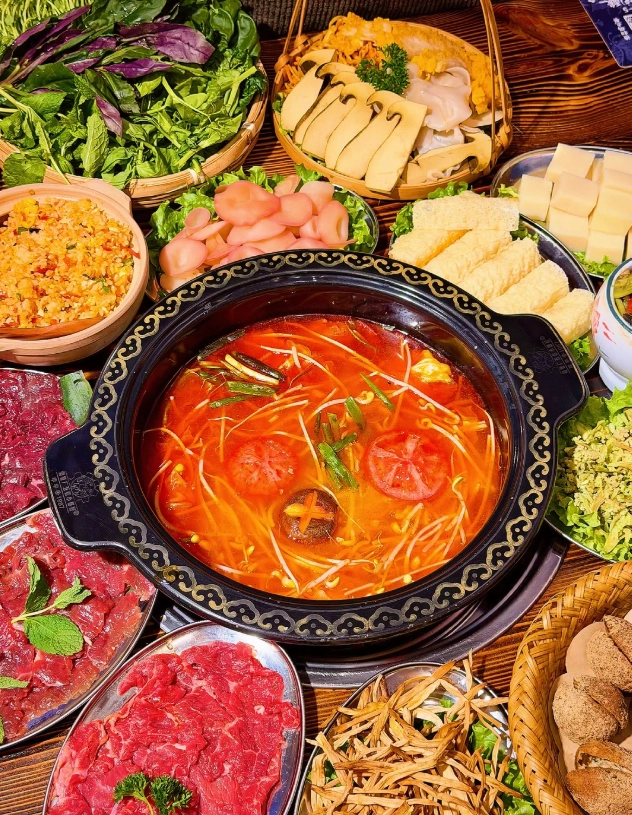
You can't talk mala in Chongqing without addressing the nine-grid iron pot. The traditional hot pot is divided into nine small compartments so different ingredients cook at different times — and still stay within reach. You'll dip, swirl, and conquer.
I always tell my clients: the real test isn't the red soup — it's surviving the first bite of tripe without flinching. Chew slowly, let the numbness bloom, and then reach for the cold beer.
Beyond Hot Pot: Street-Level Mala
If you want a quick hit, head to a maicai (烧烤) stall or a snack shop. Grilled skewers coated in cumin and chili powder, planks of tofu fried and doused in vinegar-chili sauce, or the classic suancai mifen (酸菜米粉) — rice noodles in sour-spicy broth. These are the everyday flavors locals crave.
Where to Eat: Local Hunting Grounds
Skip the tourist trap that screams for attention near Jiefangbei. The real action happens on the backstreets and in the maze of old neighborhoods.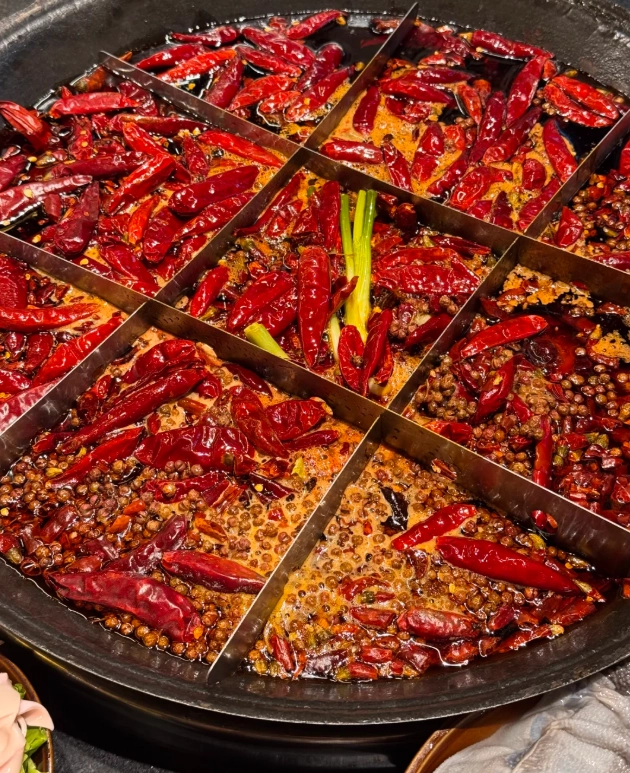
1. Jiefangbei (解放碑) Area
This is the city's beating commercial heart — and also a hot pot battlefield. You'll find everything from century-old stores to new viral outlets. My go-to advice: walk two blocks away from the main square. If you see a line of office workers at 1PM, that's where you want to be.
2. Ciqikou Ancient Town (磁器口)
Snack alley heaven. Follow the winding lanes and you'll be attacked by the mingled smells of simmering broth, grilled fragrance, and chili oil. Try the sour-spicy mung bean jelly and the crispy fried weirs (twisted dough). The crowds are dense, so go early or on a weekday.
3. Nanbin Road (南滨路)
Riverside dining with a view of the skyline. Several big hot pot chains have branches here. The outdoor terraces fill up fast during the golden hour. Go for the scenery, stay for the laoyao (old pot) broth.
Everywhere in Chongqing, look for signs showing 10-year-old brand (十年老店) or 20-year-old brand (二十年老店). They've earned their reputation by packing in locals, not by decorating the facade.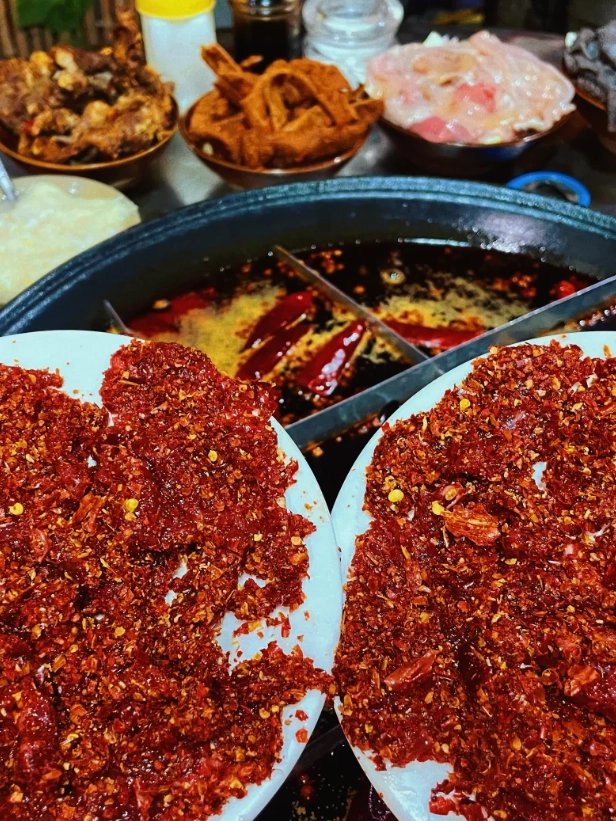
Insider Advice: Don't even think about driving down here. Discover the city through the metro system. For navigation, use Apple Maps or the AMap app (available in English). Google Maps still struggles with Chongqing's vertical streets. Download AMap and search for the district you want — then walk. And remember, cash may not be accepted everywhere — set up Alipay or WeChat Pay with your international card before arriving.
Payment isn't always cash-friendly. Most small shops and even hot pot places expect mobile payment via Alipay or WeChat Pay. If you have a foreign card, linking it to Alipay before you fly is your lifeline. When a place does accept cash, they'll often struggle to give change — bring small bills.
For popular chains, booking through Klook or Trip.com is possible, but most local diners just queue. If you're in a rush, ask your hotel concierge to reserve for you.
How to Survive a Mala Feast
Your stomach and taste buds will thank you for these tips. I've seen grown adults turn pale after too much raw garlic and chili. Don't let that be you.
- Start with the oil dish: Mix sesame paste? No, forget peanut sauce. Chongqing's dipping sauce is a bowl of sesame oil, minced garlic, and a touch of vinegar. The oil coats your stomach and cools down the heat.
- Pace yourself: Take small bites. The numbness can mask how hot something actually is. If your mouth is fully numb, you might overeat and regret it later.
- Drink smart: Cold soy milk, yogurt, or a lukewarm tea are your allies. Ice water may feel good but can solidify the chili oil and upset your stomach.
- Order a half-spicy half-mild pot (鸳鸯锅): The clear chicken broth is perfect for blanching greens and resetting your palate.
- Eat early or late: 11:30 AM and 6:30 PM are peak times. Go at 2 AM if you want true local atmosphere — and immediate seating.
Pro Tip: If the spice becomes unbearable, don't drink beer on an empty stomach. Instead, ask for a bowl of mi xian (rice noodles) or a few pieces of white rice. Carbs soak up the fire.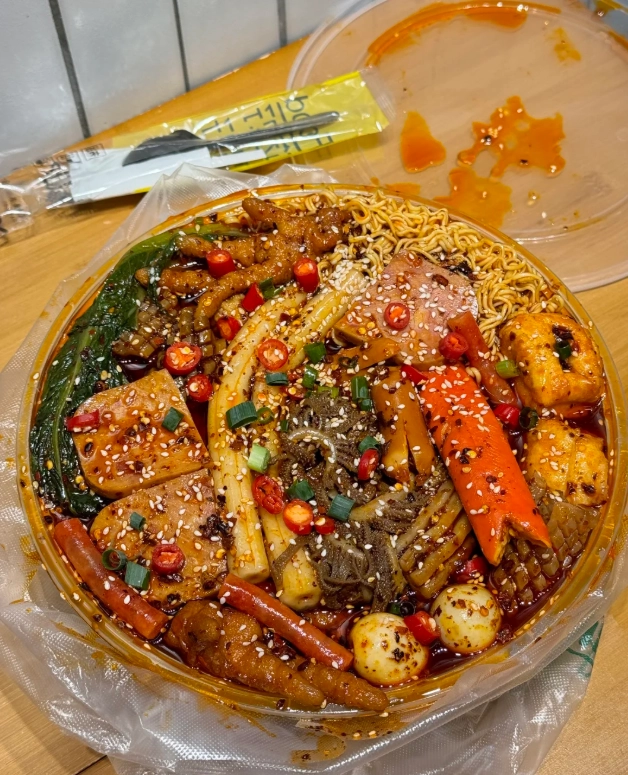
How to Order Mala Like a Local
Ordering isn't just about pointing at a menu. It's a sequence of choices that define your meal. Here's the exact process I teach my clients:
- Choose the pot: If you're new to mala, go for the yuan yang guo (鸳鸯锅) — half red, half clear. If you're brave, pick the full red pot with a jiu gong ge (nine-grid) divider.
- Order the broth base: You can specfgy the spice level all the way from bu la (不辣) to zhong la (中辣). I suggest wei la (微辣) for your first time.
- Pick your proteins: Classic hot pot choices include maodu (beef tripe), huanghou (ox tongue), ya chang (duck intestine), and shujiang rou (beef). Don't forget leafy greens and mushrooms — they balance the grease.
- Make the dip: In a small bowl, pour a generous amount of sesame oil, add minced garlic, chopped coriander, and a few drops of vinegar. Some like it with a spoonful of the spicy broth — skip that until you've mastered the first bowl.
- Cook in batches: Thinly sliced meat cooks in 10-20 seconds. Tripe takes longer — about 2-3 minutes. Use the grid to keep track of what you've thrown in.
Don't forget to ask for suancai (pickled vegetables) as a side. They cut through the oil and keep your palate fresh. And if the menu is in Chinese only, use your phone's translation app to scan it — pointing at a picture works too.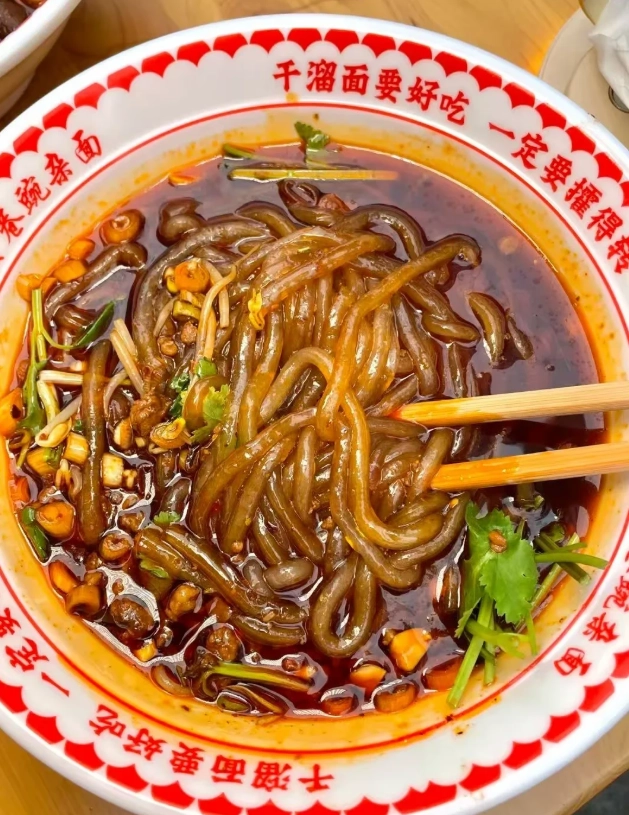
Common Mistakes Tourists Make
Even seasoned travelers trip up in these exact spots. Here are the blunders I've witnessed too many times:
- Mistaking 'less spicy' for a joke: Some restaurants don't take foreigners seriously. When you say wei wei la, show them a tiny pinch with your fingers. If you still get a volcano, add a bowl of clear broth to your dip.
- Using chopsticks to stir the pot: The communal pot has shared (public) chopsticks for a reason. Use the long-handed ones to pull food out. Folding the grid correctly keeps order.
- Ordering way too much: Chongqing portions are generous. Start with two or three dishes per person, then add more later.
- Forgetting about the sesame oil: Dipping in chili powder alone will destroy your mouth. The oil is your shield — use it.
- Skimping on the garlic: Garlic isn't just flavor; it's an antibiotic that prepares your stomach for the spice. Use at least two cloves per bowl.
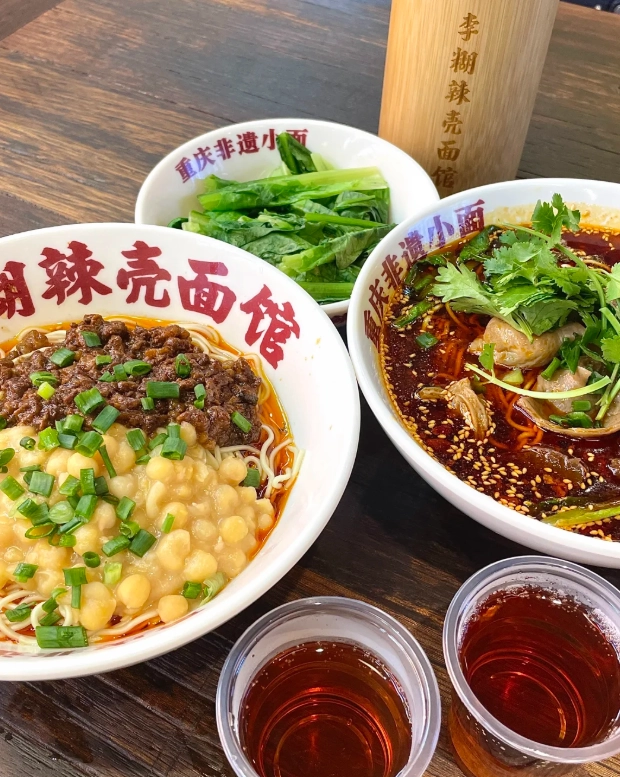
Insider Advice: If you have a sensitive stomach, take a probiotic or an antacid before the meal. And don't plan an important meeting the next morning. Mala has a way of sticking around.
FAQ: Your Mala Questions Answered
Verified and fact-checked by the editorial team.





No comments yet.