 Qiang Huang
Quick Guide — What’s Inside
I’ll be honest—my first few tea plantation tours as a guide were a mess. I had guests sweating under the midday sun, unable to pay for fresh tea because their Visa cards were rejected, and stuck on a mountain with zero phone signal. Over the years, I’ve fine-tuned every step. Now I want to share the exact itinerary and insider know-how so your China tea plantation tour is smooth, delicious, and unforgettable.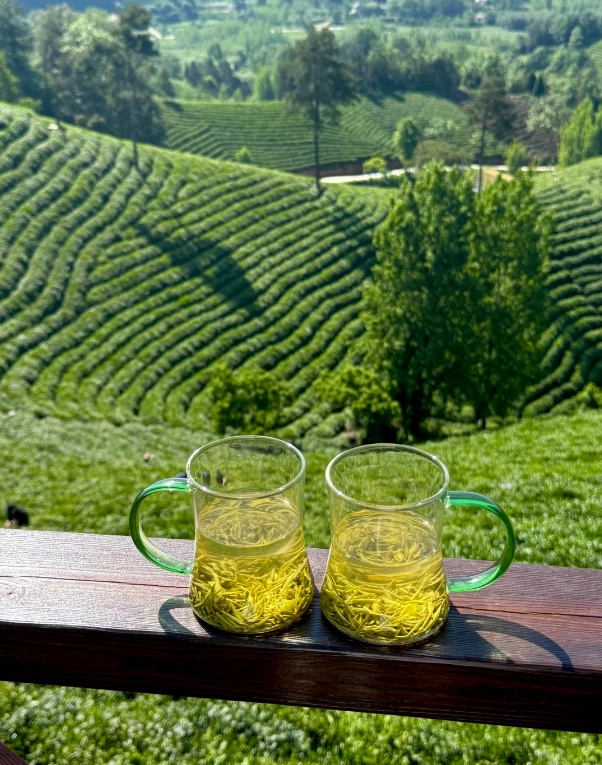
Why a Tea Plantation Tour in China?
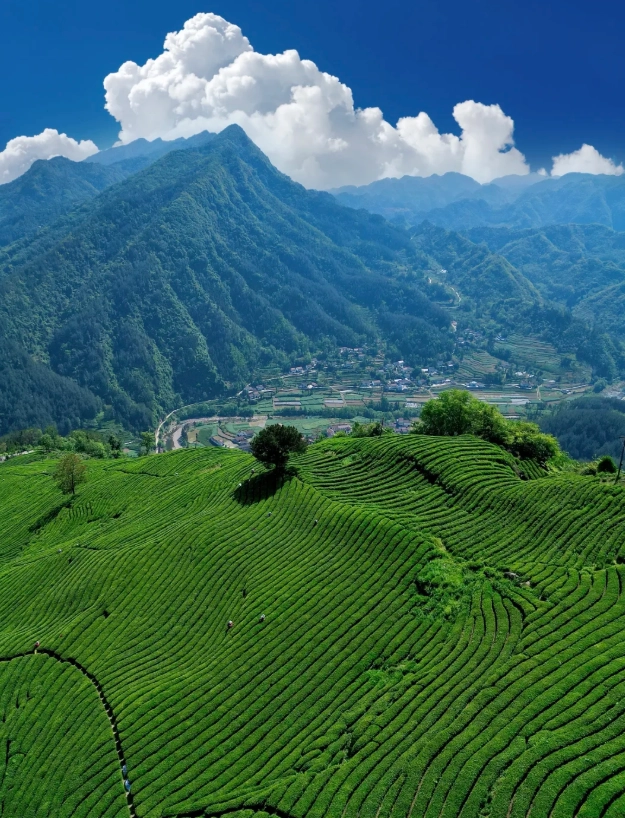
China is the birthplace of tea. Visiting a plantation isn’t just about tasting—it’s about understanding centuries of culture. You’ll walk among terraced bushes, pick leaves alongside farmers, and watch the pan-firing process that transforms green leaves into the jade-colored brew. Plus, the scenery is stunning: misty mountains, bamboo groves, and ancient villages. But here is the catch: many plantations are remote, with limited English support and tricky payment systems. That’s exactly why I wrote this guide.
Top 7 Tea Plantations You Can Visit
I’ve personally taken groups to each of these. They vary in accessibility, scenery, and experience. Below is a comparison to help you decide.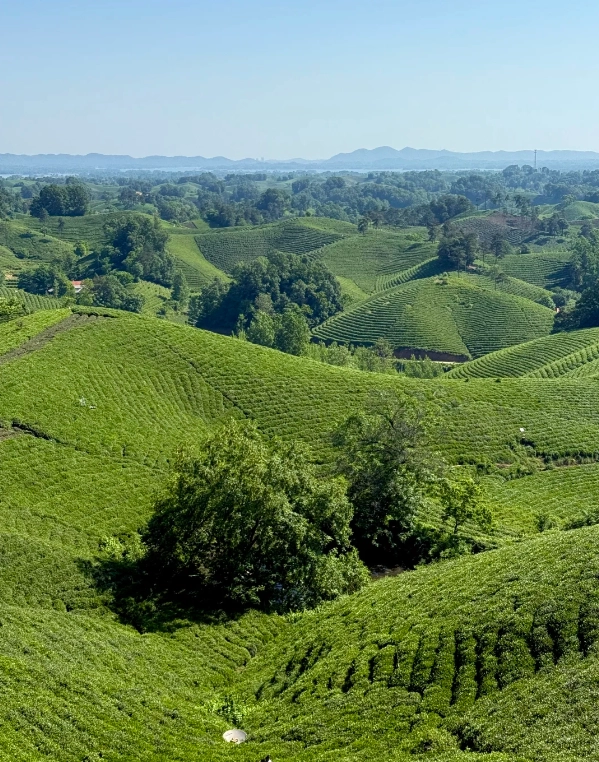
| Plantation Name | Location (Province) | Best For | English Tour? | Estimated Price (per person) | Booking Required? |
|---|---|---|---|---|---|
| Longjing Tea Village (Dragon Well) | Zhejiang | History, iconic green tea | Usually yes (with guide) | ¥80–150 (tasting + picking) | Yes, via Trip.com or local hotel |
| Meijiawu Tea Plantation | Zhejiang | Scenic drive, fewer crowds | Limited | ¥50–100 (tasting only) | Not necessary, but recommended |
| Wuyi Mountain Tea Plantations | Fujian | Rock tea (Da Hong Pao) | Yes (book ahead) | ¥200–400 (full day) | Yes, via Klook |
| Xishuangbanna Tea Mountain (Nannuo) | Yunnan | Pu-erh, ethnic minority culture | Limited | ¥150–300 (half day) | Yes, arrange with local agency |
| Huangshan Tea Gardens | Anhui | Keemun black tea, mountain views | Sometimes | ¥100–200 | Recommended |
| Hangzhou Tea Museum & Plantation | Zhejiang | Education, easy access | Yes (fixed tours) | ¥30–60 (museum only) | Required (wechat mini-program) |
| Songyang Tea Plantations | Zhejiang | Photography, off-the-beaten-path | No | Free entry, paid tours ¥100 | N/A |
Longjing Tea Village — My Top Pick for First-Timers
Longjing (Dragon Well) is the most famous green tea in China. The village sits on the outskirts of Hangzhou, surrounded by terraced fields. I always bring first-time visitors here because it’s easy to reach, has decent English signage, and you can see the entire process from picking to roasting. Address: Longjing Village, Xihu District, Hangzhou, Zhejiang. Open daily 7:00–17:30. Best time to visit: early morning (before 9 AM) to avoid busloads of tourists. Pro tip: Bring cash. Many small tea shops don’t accept international cards. Alipay works if you have it set up.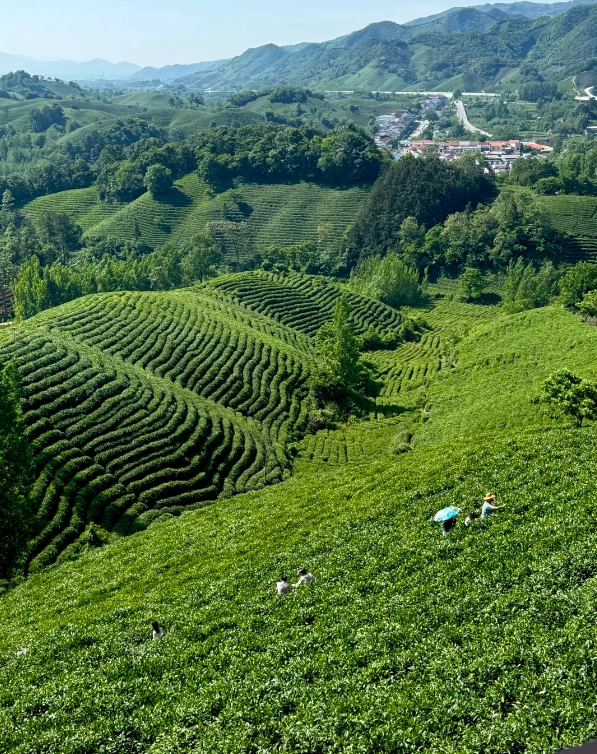
Meijiawu — Less Crowded, More Zen
Just 15 minutes drive from Longjing, Meijiawu is my secret weapon for groups that want peace. It’s a longer, winding road through bamboo groves. The tea here is also Longjing variety, but the experience feels more authentic—grandmothers drying tea leaves on bamboo trays. One problem: English is scarce. Download the Baidu Translate app (Apple Translate also works offline). I always tell my clients to prepare questions in advance on their phone.
Wuyi Mountain — For Rock Tea Lovers
If you’re after Da Hong Pao (Big Red Robe), head to Fujian. The landscape is dramatic: sheer cliffs, ancient monasteries, and tea vines clinging to rocks. The full-day tour includes a hike, lunch, and a tea ceremony. I once spent an hour with a master roasting tea over charcoal—unforgettable. Book via Klook or Trip.com at least 3 days ahead. Bring hiking shoes and sunscreen.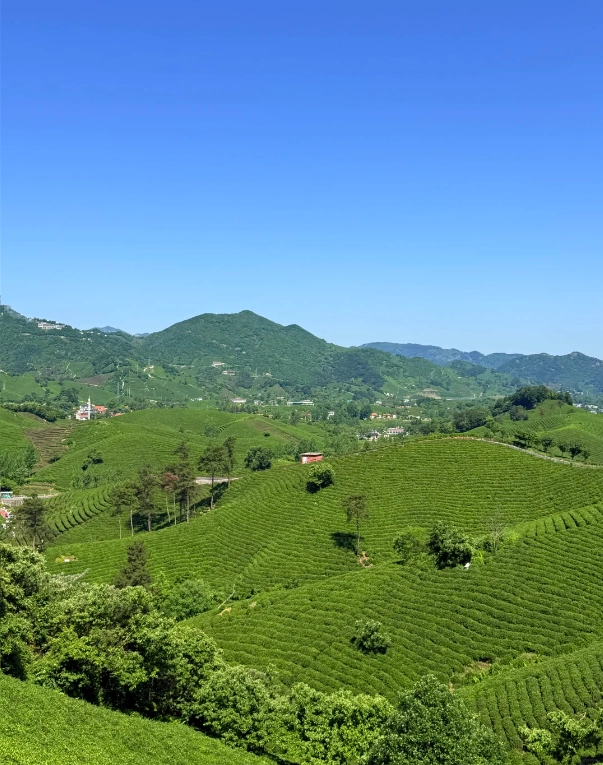
How to Choose the Right China Tea Plantation Tour
Consider your interest and time. If you only have half a day, Longjing or Meijiawu near Hangzhou are perfect. For a deeper dive, Wuyi Mountain or Xishuangbanna deserve 2 days. Ask yourself: do I want to pick leaves, just taste, or learn history? Most plantations offer tiered packages.
- Quick taste (1–2 hours): Longjing Tea Village, Hangzhou Tea Museum.
- Half-day picking & roasting (3–4 hours): Meijiawu, Huangshan gardens.
- Full cultural immersion (6+ hours): Wuyi Mountain, Xishuangbanna.
Booking & Payment Tips for Foreigners
Here’s the biggest headache: booking. Most plantations require advance reservation, and their official channels are WeChat mini-programs in Chinese. I always recommend using Trip.com or Klook for English-friendly booking. You’ll need your passport number for entry. Payment: Alipay or WeChat Pay linked to an international card works at most tourist spots, but small farmers only accept cash. I always carry ¥500 in small notes.
What to Expect: A Typical Day on a Tea Mountain
Here’s how a half-day at Longjing usually goes:
- 8:30 AM — Arrive at the village. Meet your guide (if booked). Stroll through terraces. The morning light is soft, perfect for photos.
- 9:30 AM — Picking session. You’ll wear a bamboo hat and basket. Only pick the top two leaves and a bud—the tenderest part.
- 10:30 AM — Visit a local farmer’s workshop. Watch the pan-firing at 200°C. The smell is incredible: nutty and grassy.
- 11:30 AM — Tasting. You’ll sip freshly brewed Longjing with crystal-clear water. Buy some tea directly if you like—avoid the tourist shops near the entrance; they mark up 300%.
- 12:30 PM — Lunch at a farmhouse restaurant. I always order the tea-flavored shrimp and bamboo shoots.
One thing nobody tells you: the dirt paths can be slippery after rain. I’ve seen guests in sandals struggling. Wear closed-toe shoes with grip.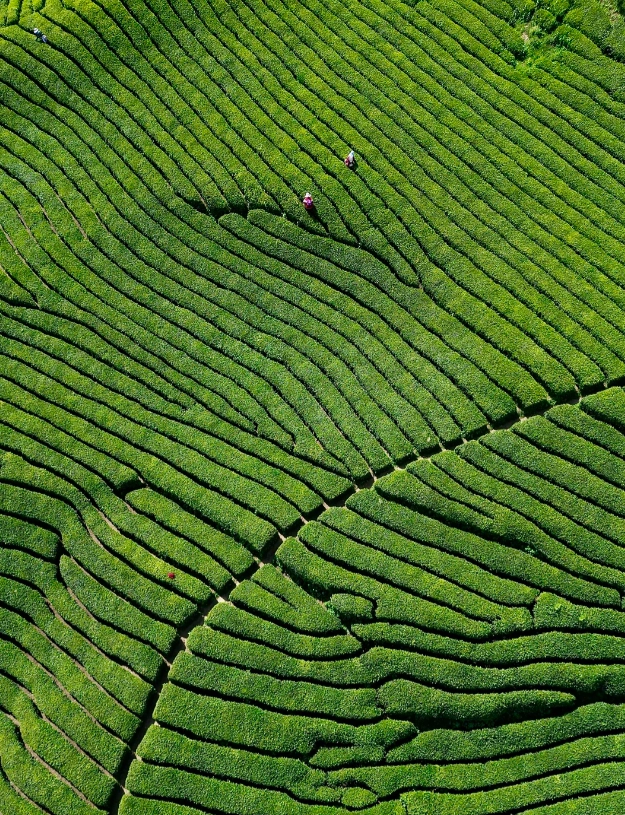
FAQs: Your Burning Questions Answered
Verified and fact-checked by the editorial team.





No comments yet.