 Yan Zhou
What You'll Find Below
- Why This Hangzhou 2-Day Itinerary Works
- Day 1: West Lake, Lingyin Temple & the Hidden Alleyways
- Day 2: Longjing Tea Village, Grand Canal & the City's Modern Side
- Where to Stay in Hangzhou: My Picks for Every Budget
- What to Eat in Hangzhou: From Beggar's Chicken to Street Snacks
- Getting Around Hangzhou: Transport Honesty You Need
- Booking Tickets and Payments: What Foreigners Need to Know
- The 24-Hour Emergency Plan: One Day in Hangzhou
- FAQ: Your Hangzhou 2-Day Questions Answered
- Final Thoughts: My Honest Take
I've lost count of how many times I've guided travelers around Hangzhou. The city's charm is real—but so is the chaos at West Lake's main piers. Most foreign visitors miss the quiet corners because they follow outdated map markers. Let me fix that.
This Hangzhou 2-day itinerary is built around what I actually do with my clients: we hit the unmissable sights, skip the tourist traps, and I'll tell you exactly where to stand for the best photo light. You'll finish the weekend feeling like you've seen the true city, not just the postcard version.
Here's the bottom line: You don't need three days. You need two perfectly planned ones. The secret is to start at 7 a.m. and use the ferry crossings that most locals don't know exist.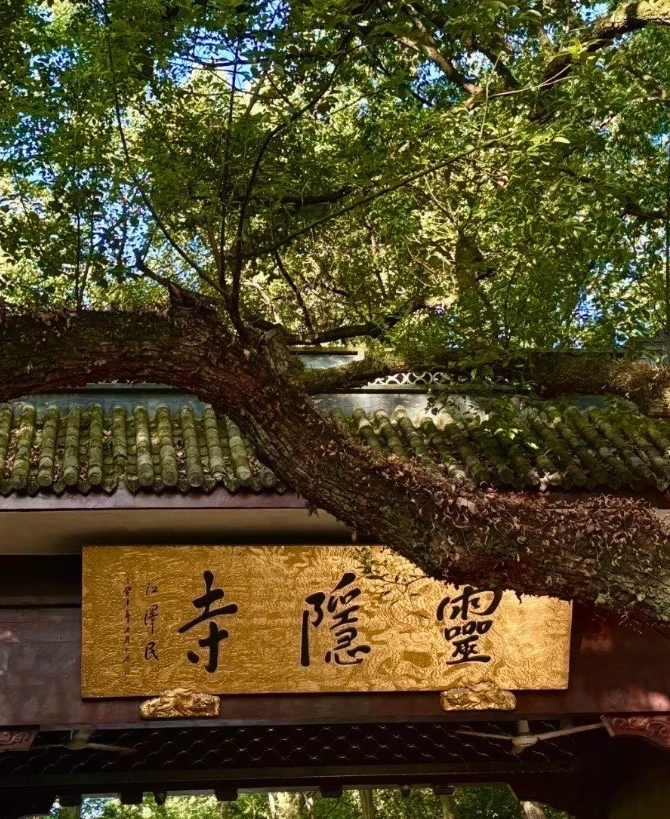
Why This Hangzhou 2-Day Itinerary Works
I've taken more than 200 groups around Hangzhou over the past decade. The typical mistake? They try to cram West Lake, the Grand Canal, tea villages, and the old town into one exhausting day. Then they end up with blisters and a blurry memory of the lake. This itinerary breaks everything into two logical halves: the classic historical side and the peaceful cultural side.
It also respects your energy. You'll start early when the air is fresh, take a proper lunch break, and finish in time for an evening stroll. No death-march backstreets, no taxi-hunting panic after dark.
Here is the part most guidebooks overlook: Hangzhou is surprisingly spread out. The spots that look close on the map can take 30 minutes to reach because the road curves around the lake. So I've built in smart transit time, not just mileage.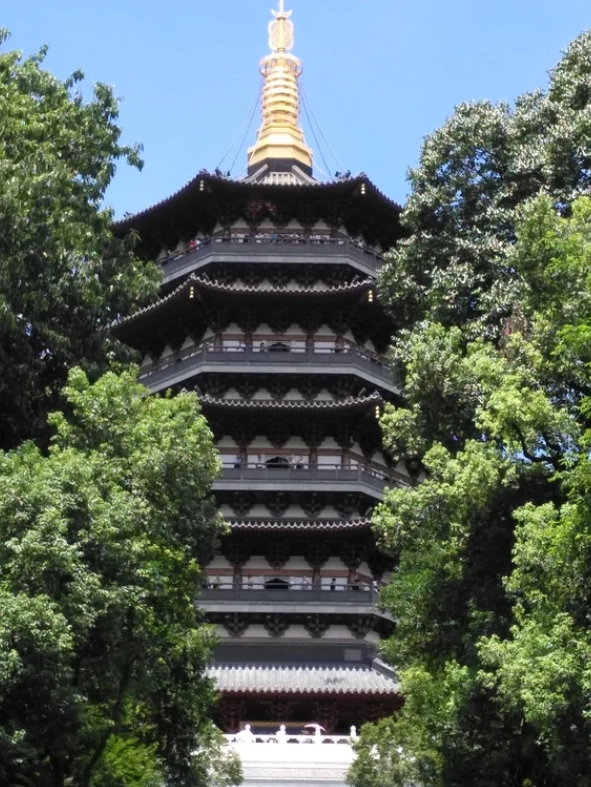
Day 1: West Lake, Lingyin Temple & the Hidden Alleyways
7:00–9:00 a.m. – West Lake Sunrise and the Broken Bridge
Start at the north end of West Lake. The Broken Bridge (断桥) is a must, but not in the midday crowds. I always tell my travelers: arrive before 7:30 so you get the soft pink light over the water. By the time the tour groups arrive, you'll have already taken the classic photo and can move on.
The bridge itself is free. You can walk across and then follow the long causeway south. If you're feeling peppy, continue to Baidi Causeway, which is lined with willows and peach trees (in spring it's absurdly pretty). This is a flat, easy walk—perfect for easing into the day.
Pro Tip: The public toilets near the Broken Bridge get crowded fast. Don't be shy—walk 300 meters further to the one by the Zhejiang Museum, which is much cleaner and usually empty.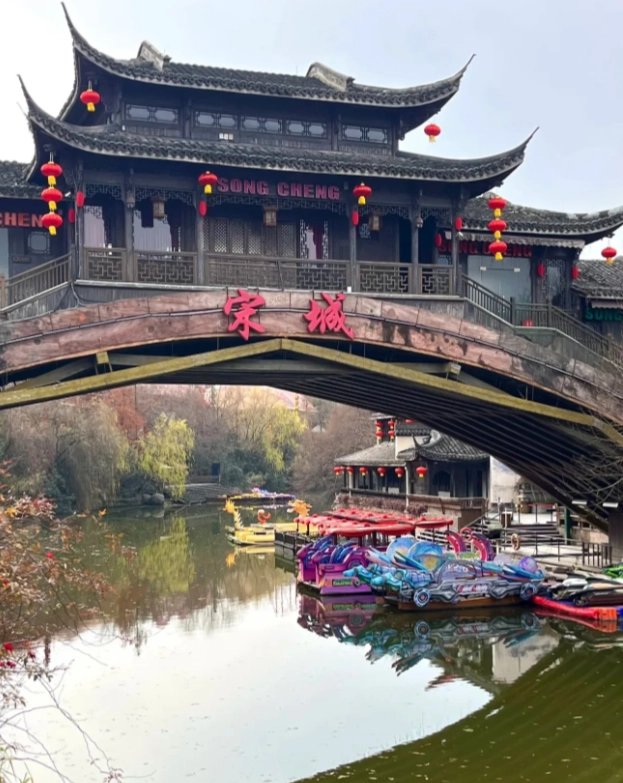
9:00–11:30 a.m. – Lingyin Temple (飞来峰)
Now hop into a taxi or Didi (Chinese Uber) to Lingyin Temple. It's about a 25-minute ride from West Lake north. Show the driver this in Chinese: “去灵隐寺” (go to Lingyin Temple).
| Detail | Info |
|---|---|
| Ticket (combined peak + temple) | Approx. 75 RMB (may change – verify at gate) |
| Opening hours | 7:00–18:00 (last entry 17:30) |
| Address | No. 1 Lingyin Road, Xihu District |
| Foreigner booking | Use Trip.com or Klook – passport required |
This is one of Hangzhou's most important Buddhist temples, tucked into the green hills. The walk through the “Flying Peak” grottoes (feilafeng) is dotted with ancient stone carvings. It's not a huge place, but the smell of incense and the thick bamboo make it feel like a world away.
I recommend spending about 90 minutes. The crowds peak around 10 a.m., so if you arrive at 9:00 you'll beat the biggest tour groups.
Why many foreigners waste time here: They stop at every single souvenir stall. The ones right after the ticket gate are overpriced. Walk to the temple courtyard, then exit via the side path into the hills—there's a hidden teahouse there with a great view.
11:30–1:00 p.m. – Lunch: Zhìwèiguān (知味观)
You can't leave Hangzhou without trying Dongpo pork and West Lake vinegar fish. Head to the local favorite You are welcome to this a chain called know-taste (知味观) in the city center—there's a branch on Renhe Road. It's clean, has photo menus, and the staff is used to foreigners pointing at pictures.
Order: the Dongpo pork (it’s sticky, sweet, and melt-in-your-mouth), the vinegar fish (slightly sour and sweet), and some xiaolongbao. Budget around 50–80 RMB per person. They accept Alipay/WeChat, and cash too, but card readers can be spotty.
I always say: this is the meal that shows you why Hangzhou is called “heaven on earth.”
1:00–4:30 p.m. – Wushan Square & the Hidden Alleys
Now you have a choice. If you're still full of energy, take the metro (Line 1, Ding'an Road station) to Hefang Street—a pedestrian shopping street. But honestly, I'd skip the first 500 meters of Hefang Street because it's packed with souvenir kitty-cats. Instead, turn onto Dahu'er Alley (大孩儿巷) to the south. This is where locals buy tea biscuits and old-fashioned snacks.
Follow this alley east until you hit the ancient city wall ruins. From there, climb Wushan Hill (城隍山). The hill is only 100 meters high, but you'll get a panoramic view over the old rooftops and West Lake in the distance. There's no entrance fee.
Insider tip: On clear days, you can see the entire pavilion-to-lake vista from the top. Locals come here at dusk to play cards and drink tea. Grab a seat at one of the open-air tea tables—a pot of Longjing tea costs about 20 RMB.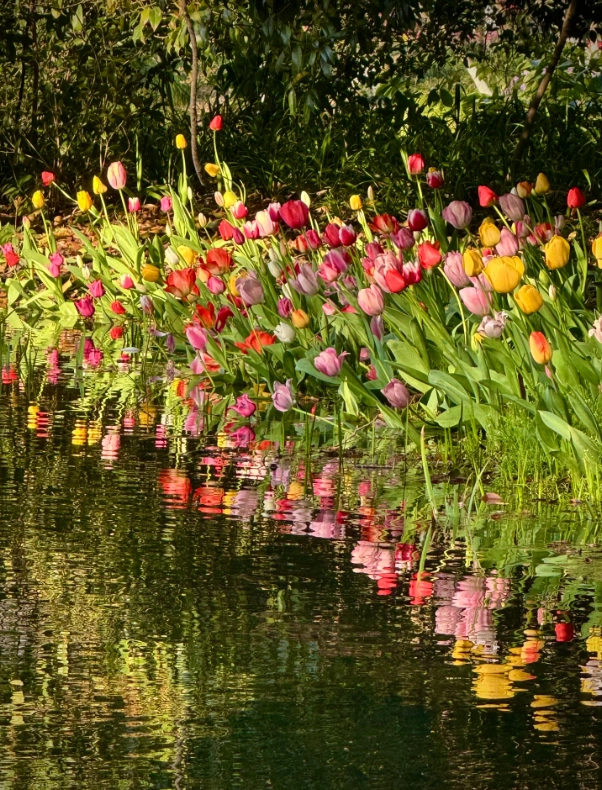
4:30–6:00 p.m. – Back to West Lake for Night Views
Take a taxi back to the lake front and stroll along Yugong Island or just sit on the “Three Pools Mirroring the Moon” viewing platform. In autumn, the sunset hits the pagoda perfectly. I recommend the Quyuan Garden (曲院风荷) area—it's normally less crowded than the main lakeside, and the lotus pond shimmering in the evening is my favorite spot to decompress.
Then, for dinner, try Grandma's Home (外婆家) near the lake. It's a chain, but the Hangzhou location serves reliable local staples. Yes, you'll probably queue for 20 minutes at peak, but it's worth it. They have a no-sugar version of the iced tea if you ask.
After dinner, enjoy the night music fountain show on the lake (free, starts at 8 p.m., but check locally).
Day 2: Longjing Tea Village, Grand Canal & the City's Modern Side
7:30–9:00 a.m. – Longjing Tea Fields at Sunrise
This is the day I get excited about. The famous Longjing (Dragon Well) tea village sits about 20 minutes from downtown by taxi. Go early, before the tour buses roll in at 10 a.m.
Start at Longjing Village (龙井村). The entire village is surrounded by terraced tea bushes. Walk up the main path until you see the “Shifeng” (狮峰) viewpoint. The morning mist makes the green hills look like a watercolor painting.
Here's a secret: the tea farmers usually start packing their fresh leaves around 8 a.m. You can watch the hand-frying process in front of their houses. They're friendly if you ask nicely, and many sell small bags of this year's tea. Expect to pay 30–50 RMB for a 50g packet—it's a real souvenir, not the tourist-trap stuff from Hefang Street.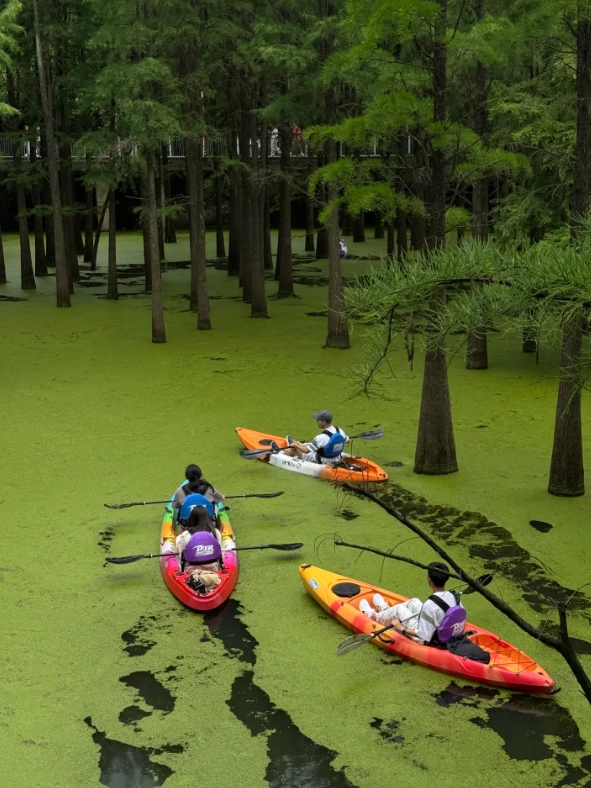
9:00–11:00 a.m. – China National Tea Museum (optional)
If tea isn't your obsession, skip this and head directly to the Grand Canal. But I love this museum because it's one of the few English-accessible spots in the village. It explains the entire history of tea in China, and the tea-tasting room is free. The address is No. 88 Longjing Road. It opens at 8:30, so you can pop in for 40 minutes before the heat builds.
11:00–1:30 p.m. – Grand Canal and the Historic Water Alley
Now cross town to the north—about a 35-minute taxi ride. The Beijing-Hangzhou Grand Canal is more than 2,000 years old, and the section around Gongchen Bridge is the prettiest. Walk across the ancient stone bridge, then duck into Small River Direct Street (小河直街). This is a preserved canal-side neighborhood with low, whitewashed houses, tiny studios, and locals hanging laundry. It feels like a living museum.
For lunch, grab a bite at Old Street Restaurant (老头儿油爆虾) just off the canal. Their signature oil-burst shrimp is savory with a subtle hit of chili—matched with a bowl of jiangnan fried rice. Prices around 40 RMB per person. They accept mobile payment; bring your passport number in case they ask for tax invoice.
1:30–4:00 p.m. – Xixi National Wetland Park (if you have the energy)
Here's the part where I tell you to be real about your stamina. Xixi is beautiful, but it's also huge (almost 11 square kilometers). If you're tired, skip it and spend more time in the canal streets. But if you still want nature, Xixi is only a 20-minute drive west from the canal. There are boat rides, reed marshes, and ancient villages. Entry is about 80 RMB, and the electric boat tour costs an extra 40. Book your ticket on Trip.com to avoid waiting.
Pro tip: Take the inner-loop boat, not the outer-loop. The outer loop is geared toward big groups; the inner one shows you silent waterways with fewer people.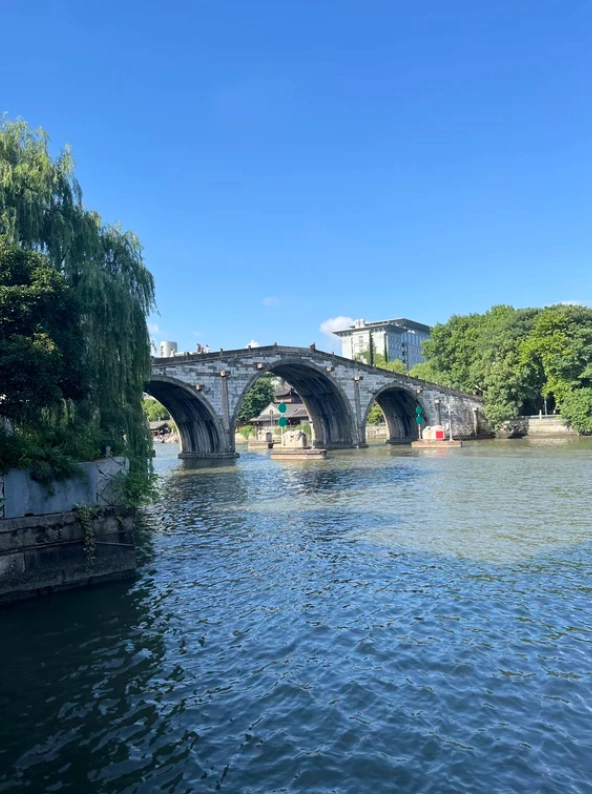
4:00–6:00 p.m. – Sunset at West Lake (yes, again)
You might be thinking, “More West Lake?” Yes. But hear me out. The light at 5 p.m. is completely different from dawn. Go to the Changqiao Park (长桥公园) on the south side of the lake. You'll see the Leifeng Pagoda across the water, and locals practicing tai chi in the plaza. It's a gentle way to close your adventure.
Late Dinner – Night Market at Wushan
If you still have appetite, stroll to the Night Market near Wushan Square (touristy but fun). Sample the sugar-fried chestnuts, stinky tofu, and grilled skewers. Just remember: bargaining is fine for souvenirs, not for food.
Where to Stay in Hangzhou: My Picks for Every Budget
| Hotel Name | Distance to 2-day route | Est. Price (night) | Best For |
|---|---|---|---|
| Zen Garden Hostel | Walk to West Lake (15 min) | 120–200 RMB | Backpackers, solo |
| Four Seasons (West Lake) | On the lake | 4000+ RMB | Luxury, honeymoon |
| Citadines Canal Hotel | Near Grand Canal | 500–700 RMB | Business, short stay |
| Jinjiang Inn (Wulin Square) | Metro to everything | 250–400 RMB | Budget families |
My personal recommendation? Stay near Wushan Square. It's connect-able to both West Lake and the canal area, and the metro station (Line 1 and 2) is right there. You'll find dozens of no-nonsense hotels from 200 RMB up.
Before booking, make sure the hotel has a 24-hour front desk (some cheap hostels lock the door at midnight). Wi-Fi in most hotels is strong, but for VPN you'll need your own—China blocks many sites. I always carry my own router.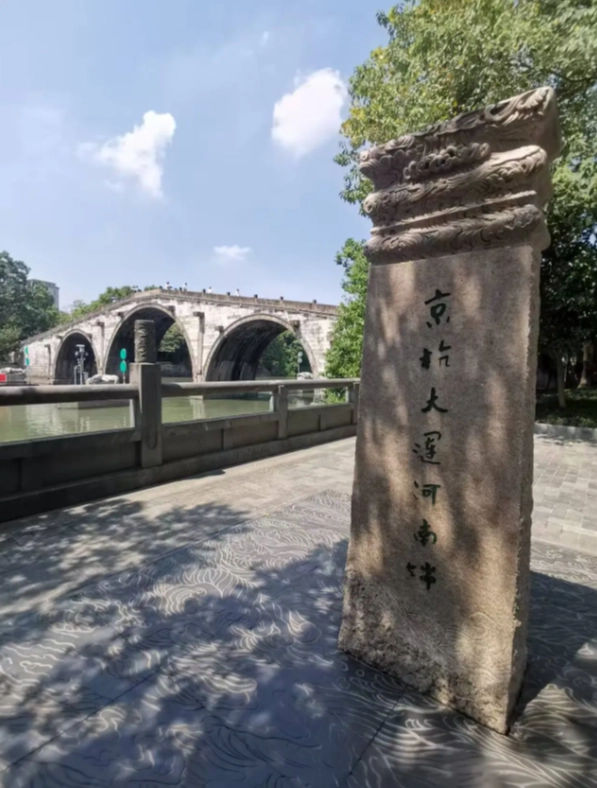
What to Eat in Hangzhou: From Beggar's Chicken to Street Snacks
- Dongpo Pork – Braised pork belly with soy sauce and sugar. It’s sweet, tender, and fatty in the best way.
- Beggar's Chicken – Chicken stuffed with herbs, wrapped in lotus leaves, and baked in clay. Crack the dirt shell yourself. Try it at Lou Wai Lou (楼外楼, 30 Gushan Road).
- West Lake Vinegar Fish – Grass carp with a sour-sweet vinegar glaze. A taste that grows on you.
- Longjing Shrimp – Stir-fried river shrimp with green tea leaves. Fragrant, fresh, and pricey (usually 80+ RMB).
- Ding Sheng Cake – A small, square rice cake sold near Wushan, filled with red bean paste.
Street snacks are easy to grab, but note: most vendors only accept mobile payment. If you only have cash, go a proper restaurant instead.
Getting Around Hangzhou: Transport Honesty You Need
First, forget the idea that Google Maps will guide you here. It's useless in China. Use Apple Maps (it surprisingly works quite well) or download AMap Global (English version of Gaode). Always have your hotel's card with Chinese characters to show taxi drivers.
- Taxis: Starting fare is 11 RMB, not expensive. But the flag-down is only for the first 3 kilometers. Havens like Hangzhou are quick, but still—stick to black-and-white taxis or Didi.
- Didi (Chinese Uber): You must have the app installed and the language set to English. Prices are usually 20–50 RMB across town. It's the only way to survive during rain.
- Metro: Clean, cheap, and signposted in English. Lines 1, 2, and 5 cover most tourist sights. A ride is 2–6 RMB.
- Buses: Confusing even for me sometimes. Avoid unless you're in crisis.
Pro Tip: If you see a black car with an amber light, that's an unlicensed taxi. They'll try to overcharge you. Walk away and call a Didi.
Booking Tickets and Payments: What Foreigners Need to Know
The days of cash-only are over. But you still can't swipe a random foreign credit card at most gates. You need Alipay or WeChat Pay. Set them up with your international credit card before you arrive. Trust me, it saves hours.
For tickets on this itinerary, here's the deal:
- West Lake: Free, no booking needed.
- Lingyin Temple: Must book in advance—use Trip.com or Klook, where you can pay with your usual card. They'll send a QR code to scan.
- Xixi Wetland: Same, book via Trip.com.
- Grand Canal area: The streets are free, but if you want to do a boat ride on the canal, buy at the dock (cash or Alipay).
A vital piece: Your passport number is essential for most bookings. Always carry it. Some places have entrance turnstiles that read your passport chip directly.
For VPN: Buy one that's reliable in China. I recommend ExpressVPN or Astrill, but test before you fly. Without it, you won't be able to use Google, Instagram, or even your email reliably.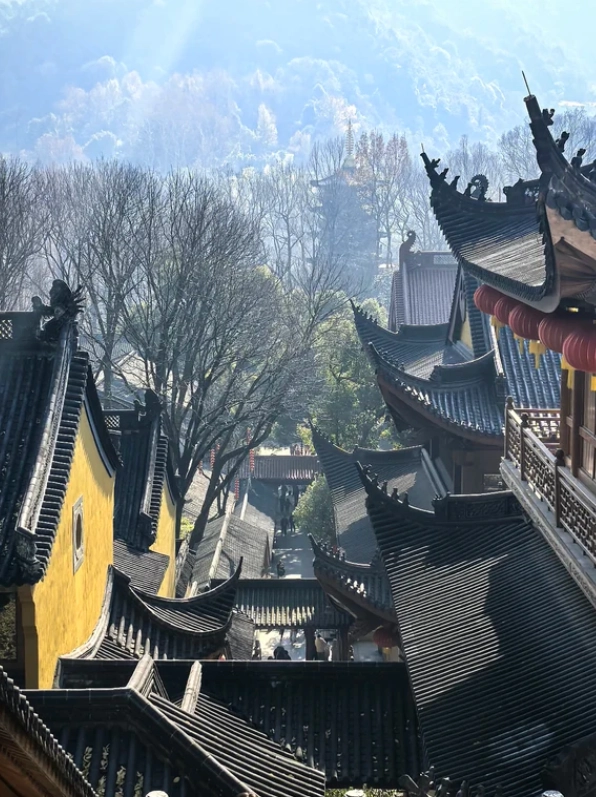
The 24-Hour Emergency Plan: One Day in Hangzhou
If your layover or work schedule means you only get one day, here's exactly what I'd do:
- 7:00–9:00 – West Lake Broken Bridge and Baidi Causeway.
- 9:00–10:30 – Lingyin Temple (book online, go straight in).
- 11:30–12:30 – Lunch at 知味观.
- 12:30–2:00 – Wushan Hill + quick Hefang Street stroll.
- 2:00–4:00 – Tea village photo stop (just snap a photo from the parking lot if time is crazy).
- 4:00–6:00 – Late-afternoon lake sail (rent electric boat at Yuhang pier, ~120 RMB/hour).
It's chaotic, but you'll have seen the essence. Obviously, the 2-day version is a million times better.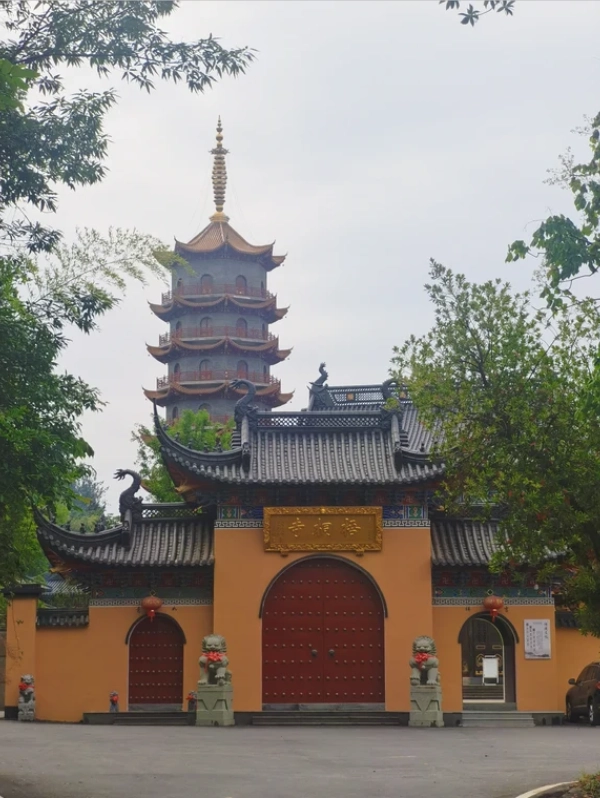
FAQ: Your Hangzhou 2-Day Questions Answered
Final Thoughts: My Honest Take
I'll level with you: Hangzhou is not a city that reveals itself if you stay inside a shuttle bus. It’s a city you need to feel—the sweat on your neck from climbing Wushan Hill, the first bite of a pork bun on a cold morning, the kind old lady who insists you taste her tea. This 2-day schedule balances the iconic with the intimate, and I genuinely believe you'll leave with more than photos.
One last piece of advice: download all your maps and translation apps before you land. Buy a local SIM card or eSIM if your phone supports it. And above all, give yourself grace when things don't go perfectly—the magical moments in China often come from the detours.
Now go catch that sunrise.





No comments yet.