 Fang Wang
Jump to:
Let me guess — you've typed "how many days in Ningbo" into Google, and you're wading through forums that can't agree on anything. Some say 24 hours is enough, others claim you need a week. I've been guiding travelers in this city for over a decade, and I can tell you from experience: the answer isn't one-size-fits-all. It depends on your pace, your interests, and how much of Zhejiang's culture you want to soak in. But after leading hundreds of tours, I've found that 3 days is the sweet spot for most visitors. In one more paragraph, I'll show you why.
How Many Days in Ningbo Should You Plan?
The short answer: plan for 3 days. Three days give you enough time to hit the city's historical heart, take a dip into nature, and still have a relaxed evening at the Old Bund. You won't feel rushed, and you'll actually taste the local cuisine without eating all your meals at Western chains.
But let me break it down further, because I know some of you are on a strict schedule.
Option 1: The 1-Day Whirlwind
One day in Ningbo is like trying to read a novel in 10 minutes — you'll get the plot, but miss all the nuances. If you're only here for a layover, hit Tianyi Pavilion (the oldest private library in China) in the morning, then walk to Moon Lake for a quick stroll. Grab lunch at South Old Street, and end your day watching the sunset over the Old Bund. Doable, but you'll cover roughly 20,000 steps and be exhausted.
Option 2: The 2-Day Overnighter
Two days lets you catch your breath and see more than just the top three names. You can add the Ningbo Museum (a cultural gem designed by Wang Shu) or take a boat ride at Dongqian Lake. I usually tell my clients that two days works if you're combining Ningbo with Hangzhou or Shanghai. But you'll still have to pick between the city's east side and west side.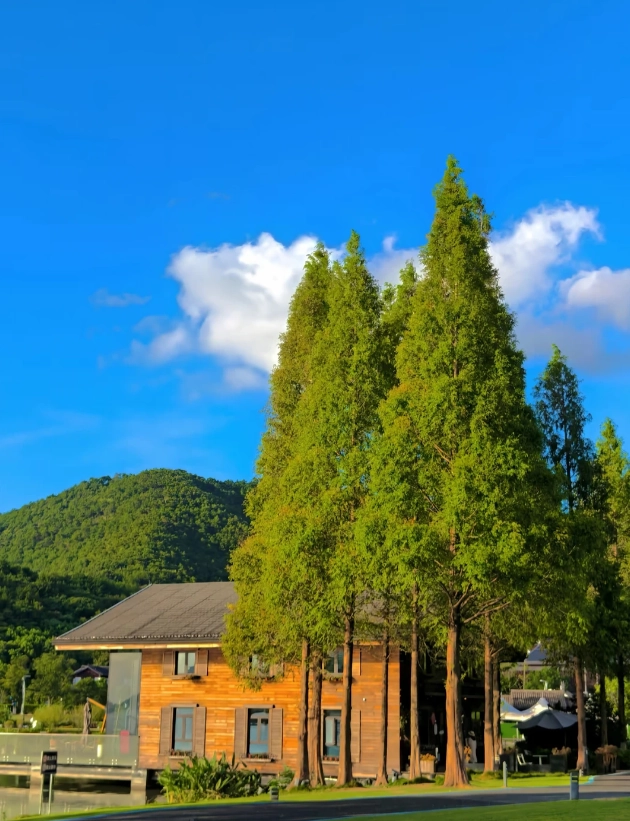
Option 3: The 3-Day Sweet Spot (Most Recommended)
Three days is what I recommend for 80% of my clients. You get a full day for history, another for nature, and a third for food, shopping, and spontaneous discoveries. You can even squeeze in a half-day trip to the ancient town of Qiantong if you're efficient. This is the sweet spot that balances sightseeing with downtime.
Option 4: The 4-Day Extended Weekend
Four days opens up the coastal opportunities. You can take a day trip to Mount Putuo, a sacred Buddhist island accessible by ferry, or explore the dramatic coastline of Xiangshan. This is perfect if you love the ocean and don't mind a ferry ride. I always suggest this to travelers who enjoy a slower pace.
Option 5: The 5-Day Slow Travel
Five days is the "live like a local" option. You can combine Ningbo with nearby ancient towns like Qiantong, or spend a full day at Dongqian Lake, picnicking and cycling. This allows you to participate in a tea ceremony or learn to make rice wine. Only choose this if you truly want to unwind.
To make it even clearer, here's a quick comparison:
| Days | Best For | Key Experiences | Pace |
|---|---|---|---|
| 1 | Transit travelers | Tianyi Pavilion, Moon Lake, Old Bund | Very fast |
| 2 | Weekend break | + Ningbo Museum or Dongqian Lake | Moderate |
| 3 | Most travelers | + Baoguo Temple & local food crawl | Relaxed |
| 4 | Nature lovers | + Mt. Putuo day trip | Leisurely |
| 5 | Slow travelers | + Qiantong Ancient Town | Very relaxed |
Now, let's talk about how to actually spend those three days.
What Does a Perfect 3-Day Ningbo Itinerary Look Like?
I've designed this itinerary after countless times walking these streets with my guests. It's tested, tweaked, and proven to cover the best of Ningbo without burning you out.
Day 1: The Historic Heart
Start your day early at Tianyi Pavilion, the gem of Ningbo. Arrive at 8:30 a.m. when the gates open, because by 10 a.m. group tours flood the narrow paths. The address is 10 West Street, Haishu District. You must book ahead with your passport — use Trip.com or the official WeChat mini-program. The entrance fee is around ¥30 (may vary). To get there, take Metro Line 1 to Gulou Station, Exit L, and walk north for about 8 minutes. Once inside, don't rush to the main library building — the garden's rockeries and ponds are the real hidden gems. I always tell my guests to spend at least 90 minutes here.
From Tianyi Pavilion, it's a 10-minute walk to Moon Lake (Yu Lake). It's free, and a great place to watch locals practice tai chi or play Chinese chess. Grab a bamboo chair and just chill for a bit.
For lunch, walk to South Old Street (Nantang Old Street) — a restored street full of snack vendors. I recommend the sautéed crab with rice cakes at a stall called "Yong's". Look for the one with the longest queue; that's always a good sign. Average lunch costs ¥40–60 per person. Be aware that most places only accept mobile payments — cash is rarely used. Your Alipay or WeChat Pay linked to an international card should work, but I suggest carrying a backup card.
In the afternoon, either visit the Ningbo Museum (free, but reserve with passport) or take a bus to Baoguo Temple. I actually favor Baoguo Temple for its 1,000-year-old wooden hall — it's one of the oldest standing structures in China. To get there, take bus 683 or 685 from the city center; the ride takes about 40 minutes. The entrance is ¥20 (again, check current price). Afterward, return to the city and rest.
Spend your evening at the Old Bund (Wai Modang). This riverside stretch mixes colonial-era buildings with trendy cafes. My favorite time is dusk — the sky turns orange and the lights of the bridge start flickering. Head to the riverfront near the New Jiangbei Bridge for the best view. For dinner, try a local seafood restaurant along Yangjiang Road. The steamed yellow croaker is a must.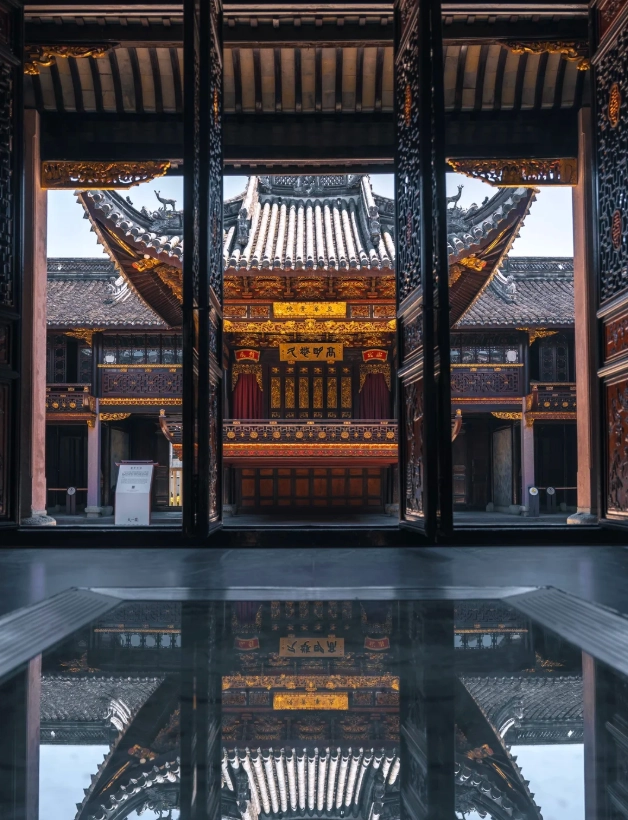
Day 2: Nature and Local Flavors
Devote this day to Dongqian Lake, Ningbo's massive lake area. It's about an hour from the city center by bus (Route 101) or a ¥60 taxi. Rent a bicycle at the northern shore (around ¥20/hour) and ride the dedicated path alongside the water. Or, if you prefer less effort, take a boat cruise for ¥50–100. The lake has multiple villages and temples; I particularly enjoy the quiet bays near the south shore. Bring a picnic — there are plenty of grassy spots. This is where you can truly slow down and enjoy nature.
In the evening, head back to the city and explore the Chenghuang Temple area for a night market. Try the Ningbo tangyuan (glutinous rice balls) — they're soft, sweet, and unlike any you've had elsewhere. My favorite spot is the old "Xiao Chang" shop, known for its sesame filling.
Day 3: Culture and Hidden Corners
Start the morning at the Ningbo Museum if you skipped it on Day 1, or visit the lively Drum Tower area. The Drum Tower is a large gate from the Tang Dynasty, and around it you'll find street food stalls and antiques. Climb to the top for a panoramic view of the old city.
For a deeper dive, I highly recommend the Qing'an Clubhouse (庆安会馆), an old guild hall along the river. It's a UNESCO-listed building that once served as a temple for maritime merchants. The intricate murals and carvings are stunning. It's less crowded than Tianyi Pavilion, and the entrance is just ¥10.
In the afternoon, take a short trip to the Ningbo Bang Customs House or simply explore the narrow alleys between Zhongshan Road and Jiangbei. This area gives you a sense of everyday life — watch mahjong games, peek into tea shops, and maybe buy some dried seafood as a souvenir.
End your day with a canal cruise along the Grand Canal or, if it's summer, join the locals at the Riverlight Plaza for a cool evening breeze.
This itinerary is flexible — you can swap Day 1 and Day 3 based on the weather. If rain is forecast, do the museum and indoor sites first.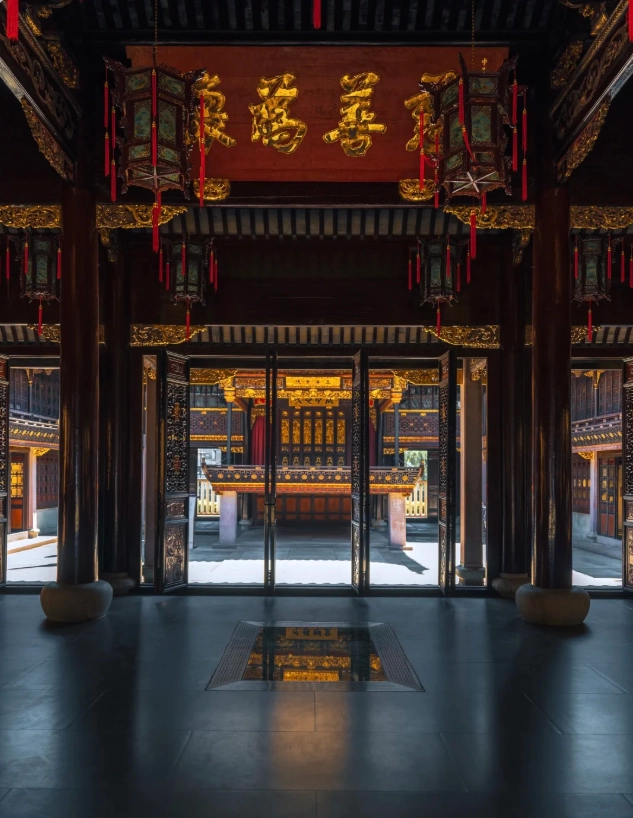
How to Extend Your Trip to 4 or 5 Days?
If you have extra time, here's how I recommend expanding your Ningbo adventure.
Day 4: Haunting Beauty at Mount Putuo
Take a ferry to Mount Putuo, one of the four sacred Buddhist mountains in China. The ferry leaves from Zhoushan Island, which you can reach by bus or boat from Ningbo. It's a full-day excursion. The island is covered in temples, sandy beaches, and cliffs. Wear comfortable shoes — you'll walk a lot. Remember to book your ferry tickets online via Trip.com or Klook.
Day 5: Ancient Town Qiantong
Qiantong Ancient Town is a hidden gem about an hour from Ningbo. It's a Ming and Qing dynasty village with traditional water systems and family homes. I love strolling through the old lanes, which are free from the overly touristy crowds. Combine it with a visit to the nearby Xikou, where Chiang Kai-shek's birthplace is located. Both are accessible by public bus, but a private car or guided tour is more comfortable.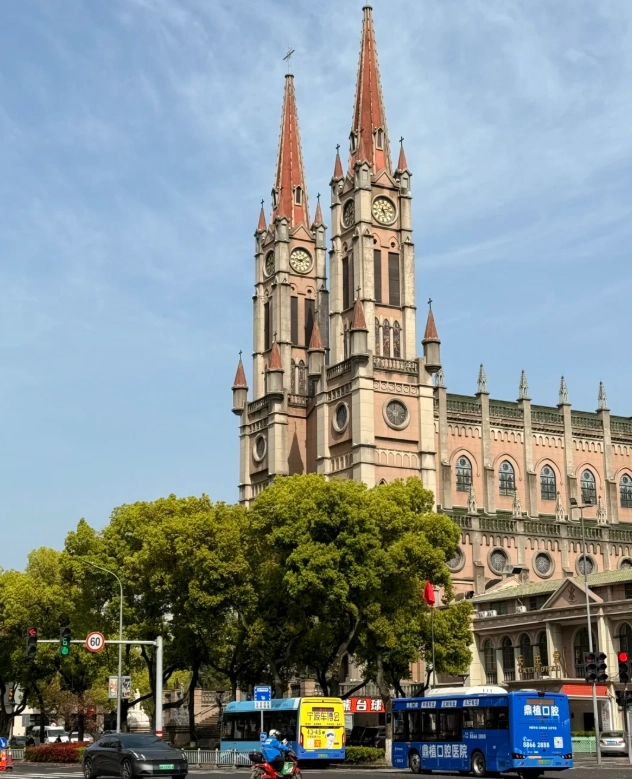
What Should Foreign Visitors Know Before Going to Ningbo?
Let's talk logistics — these tips will save you a headache. Here are the things that catch most foreigners off guard:
- Payment: Cash is rarely used, even in taxis. You must have Alipay or WeChat Pay set up with an international credit or debit card. Some independent shops may not accept cards, so keep RMB as backup.
- Navigation: Google Maps is unreliable in China. Download Apple Maps or the AMap international version. For English users, I suggest using Trip.com's in-app GPS, which offers English place names and routing.
- Bookings: All major attractions require real-name registration with your passport. Use official WeChat mini-programs, or better, English-friendly platforms like Trip.com or Klook to skip the Chinese interface.
- VPN: You'll need a reliable VPN to access Google, Facebook, and other blocked services. Set it up before you arrive. Also install a translation app like Apple Translate or Baidu Translate — they work offline too.
- Tourist Traps: Beware of taxi drivers who propose to take you to souvenir shops. Politely decline and insist on the meter or use ride-hailing apps like Didi (which you can access through Alipay).
Pro Tip: The public toilets in the older parts of the city (near the Bund) can be squatters with no paper. Always carry tissue packets.
Where to Stay in Ningbo?
Choose a hotel near Metro Line 1 or 2 for easy access to the main sights. Here are three options that I've personally recommended to my clients:
| Hotel | Area | Price Range | Best For |
|---|---|---|---|
| Novotel Ningbo City | Haishu District, near Drum Tower | $70–$100/ night | First-timers, central location |
| Ningbo Heli Howard Johnson | Jiangbei, near Old Bund | $80–$120/ night | Business travelers, riverfront views |
| Bulgarian Hotel & Spa | Yinzhou, near Dongqian Lake | $100–$150/ night | Nature escapes, weekenders |
For budget travelers, I suggest looking into hostels around South Old Street. That area has the best food and a lively atmosphere. Just remember that budget accommodations often have basic English, so be prepared with translation apps.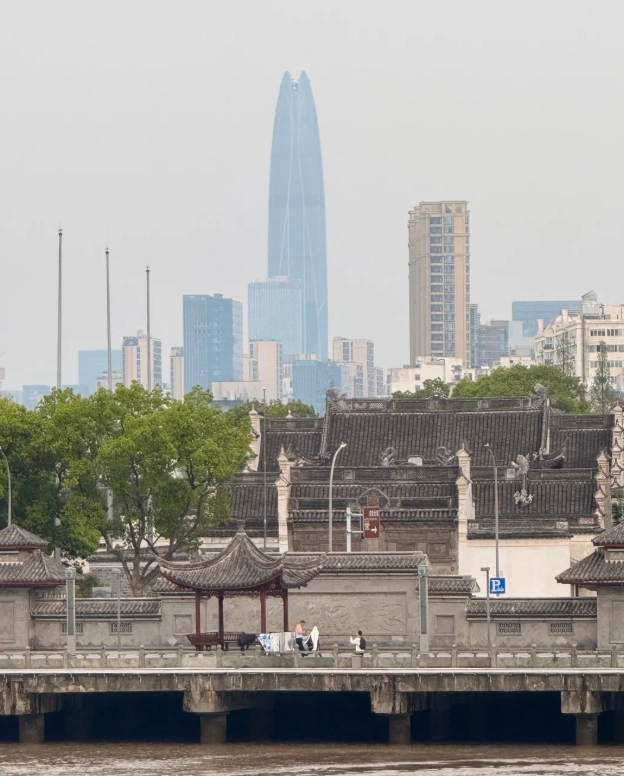
Ningbo Travel FAQ
This content has been fact-checked to ensure informational precision.






No comments yet.