 Fang Wang
Jump to the Good Stuff
Most tourists skip Ningbo. Big mistake. This coastal city in Zhejiang is a maze of canals, ancient libraries, and seafood stalls that'll make your jaw drop. I've been guiding foreigners here for years — and the ones who listen to my advice always love it.
Planning a Ningbo 4-day itinerary? Here's the thing: the online guides are full of outdated tips, like showing up without a booking at Tianyi Pavilion or trying to pay with cash. You'll waste hours. I'm here to fix that.
So here's my no-regret plan: split your time between the old town and Dongqian Lake, and pre-book every major sight using Trip.com or Klook. Do that, and you'll cruise through this trip. Now let me walk you through the details.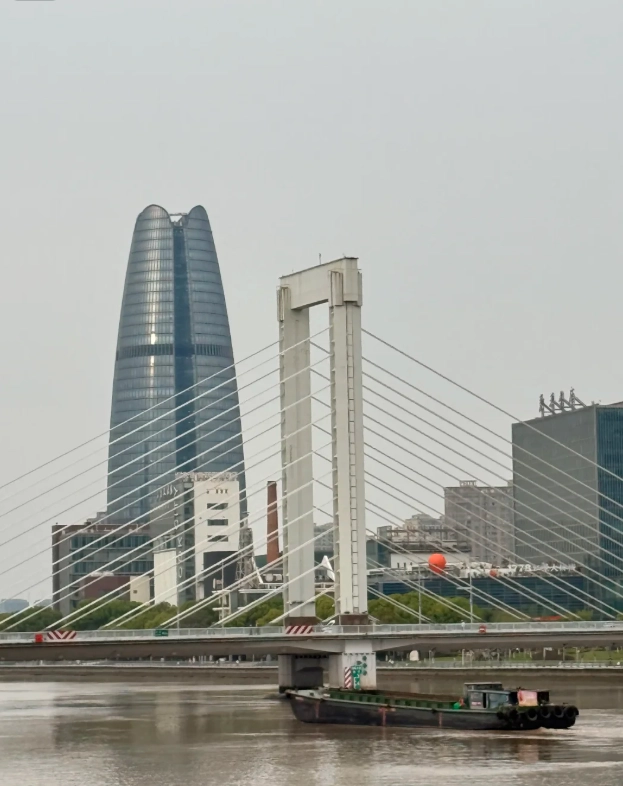
Why This Ningbo 4-Day Itinerary Works Differently
I've lost count of how many travelers tried to squeeze Ningbo into a day trip from Shanghai. They end up seeing two sights and catching a cab to the train station in panic. A 4-day plan lets you experience the city's layers — the trading history, the Zen temples, the lake life, and the modern skyline. It also fits your pace: no rushing, no burnout.
The key is to alternate busy days with relaxed ones. Day 1 is all walking in the old town. Day 2 is slow nature. Day 3 is temple hopping. Day 4 is indoor culture. See the rhythm? Good.
Day 1: Old Town & Canal History
Morning: Tianyi Pavilion & Moon Lake
Start at Tianyi Pavilion (天一阁), China's oldest private library. Address: No. 10 Tianyi Street, Haishu District. Open 8:30-17:30 (last entry 17:00). Ticket is roughly 30 RMB, but you need to book in advance with your passport. I always tell my guests to book via Trip.com to avoid the WeChat mini-program headache — it's all in Chinese and honestly a pain even for me. The pavilion's gardens are gorgeous, but the real magic happens before 9 AM, when the tour groups haven't arrived. Give yourself about 2 hours.
Then walk to Moon Lake (月湖) — it's free and right next door. The lake is a peaceful green corridor in the city. If you're lucky, you'll spot locals playing traditional instruments. I love sitting on a bench there with a coffee from a nearby kiosk.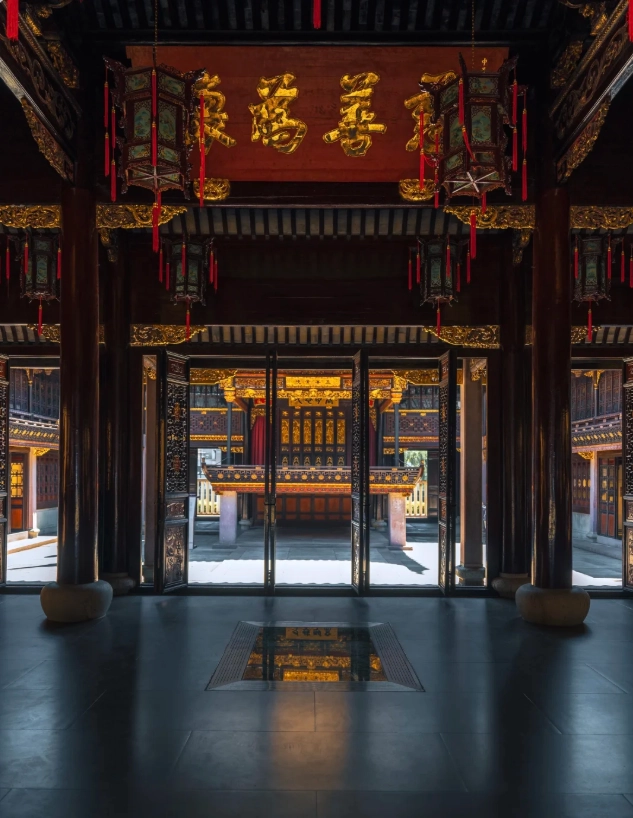
Afternoon: Drum Tower & Old Bund
For lunch, try Ningbo Tangyuan at a local joint. I like the one near the Drum Tower, but the lines can be crazy. Actually, there's a tiny shop called 'Gui Yuan' that does great tangyuan — but I'm not sure it's still there, so just ask your hotel. Alternatively, head to Dongmen Market (东门市场) for fresh seafood.
After lunch, climb the Drum Tower (鼓楼) — free entry, but you might have to queue for the elevator. It's a 200-year-old structure that gives you a view over the old quarter. Then wander to the Old Bund (老外滩) — this is the site of China's first foreign concession, so it's full of colonial buildings. It's free, and best explored on foot.
Pro Tip: The area is super crowded in the evening, but during golden hour (around 4 PM) it's perfect for photos. Go for the light, not the crowds.
Evening: Food Street Adventure
For dinner, head to Ningbo Snack Street near the Drum Tower — try the crab, drunk shrimp, and the local specialty 'red braised pork'. I always take my guests to Lao Wai Tan Night Market but honestly, it's touristy. Better: ask your hotel for the nearest 'xiaochi' street where locals eat. You'll know you're in the right place if all the signs are in Chinese and the seats are plastic.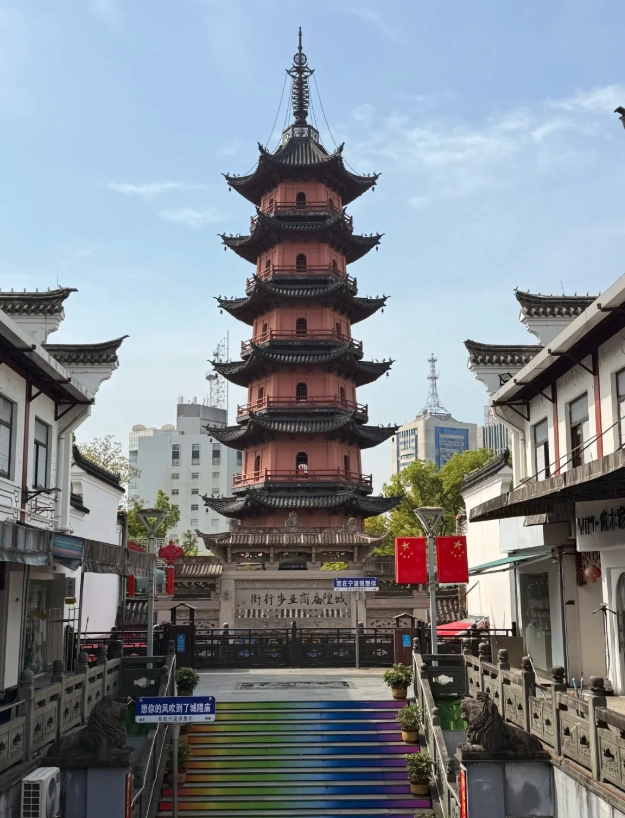
Day 2: East Lake & Nature Escape
Morning: Dongqian Lake Boat Ride
Get up early — you'll want to beat the traffic. Take Metro Line 4 to Dongqian Lake station (about 45 min from downtown). Or take a Didi for about 50 RMB. The lake is free to walk, but you'll want to rent a bike or take the boat. I recommend the electric boat tour (around 80 RMB) that loops around the lake — it's 40 minutes and gives you lovely views without the leg pain. Alternatively, rent a bicycle (usually 10-20 RMB per hour) and cycle the eastern part. The lake is huge, so don't try to circle it all in one day.
Afternoon: Lakeside Villages & Tea
The real local secret: skip the crowded lakeside and head to Hanling Village (韩岭) at the south lake. It's a restored water town with stone bridges and local shops. It's free to enter. Also, just outside the village, there's a tea plantation where you can sip Longjing tea while watching the sun set. If you're tired, take a boat back to the metro.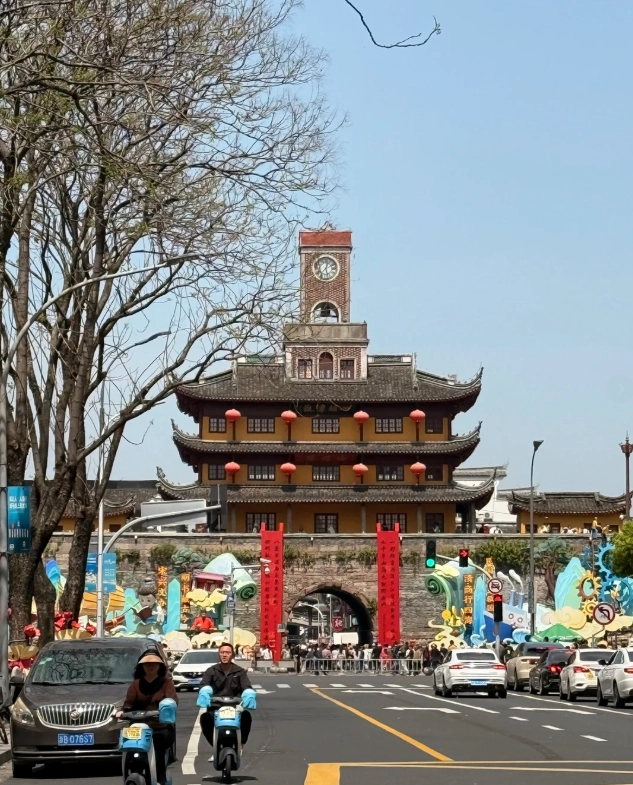
Day 3: Temples & Local Culture
Morning: Tiantong Temple
About 30 km from downtown, Tiantong Temple (天童寺) is one of China's most important Zen monasteries. Take a Didi (roughly 80 RMB) or bus 362 from the city center. Admission is free, but a park shuttle costs 20 RMB up the mountain. It's a working temple, so please be respectful — the monks are super friendly if you smile. Give it 2-3 hours.
Afternoon: Baoguo Temple
If you're into ancient architecture, Baoguo Temple (保国寺) is a must. Built in the Song Dynasty, it's one of the oldest wooden structures in Zhejiang. It's a bit off the beaten path, so either take a Didi or bus 338 from the city. Ticket price is around 20 RMB. You don't need to book in advance for this one — just show your passport at the gate.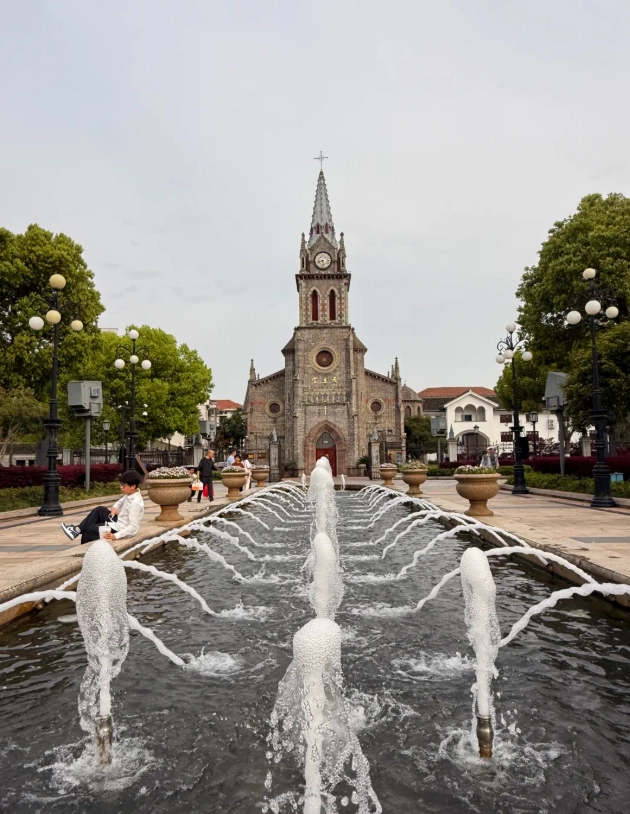
Day 4: Modern Ningbo & Shopping
Morning: Ningbo Museum
Designed by Wang Shu, the Ningbo Museum (宁波博物馆) is a masterpiece of recycled bricks. It's free, but you must reserve an entry time in advance — and don't forget your passport. Use Trip.com or the official WeChat (if you can). I always recommend the museum's top floor café for a coffee break. It's clean and quiet, which is rare.
Afternoon: Tianyi Square & Shopping
For shopping, head to Tianyi Square (天一广场), the main downtown mall area. You'll find international brands here, plus a huge cinema. If you want something more local, check out the Nanzhou Road pedestrian street — it's a bit more chaotic but more authentic. Grab a bubble tea and just people-watch — perfect end to your trip.
Getting Around Ningbo
Ningbo's public transport is efficient and cheap. Here's my go-to guide:
- Metro: Clean, safe, and signs are in English. Buy a single-ride token at the station with cash or use Alipay's metro app. NFC cards via Apple Wallet also work.
- Didi: This is your best friend for remote destinations. Download it and link Alipay. Always show the driver the Chinese address on your phone.
- Navigation: Google Maps is a disaster here. Use Apple Maps or download AMap (高德) and switch to English. Typing Chinese characters into the app gives the exact pin.
- Translation: Download Apple Translate offline for Chinese. It's saved me hundreds of times when a taxi driver didn't understand me.
For destinations like Tiantong Temple, Didi is the most convenient, but the bus network is fine if you're on a budget.
Where to Stay in Ningbo for Your 4-Day Trip
Location matters. I'd stay near the old town (Haishu District) for the first half, then move closer to the lake if you really want a nature immersion. But honestly, Ningbo is compact enough that staying anywhere near a metro line works.
Here's a comparison of tried-and-tested hotels:
| Hotel | Distance to Tianyi Pavilion | Est. Price (RMB/night) | Best For |
|---|---|---|---|
| Middle Place Hotel | 10 min walk | 400-600 | Couples |
| InterContinental Ningbo | 15 min drive | 800-1200 | Business or luxury |
| Ningbo Marriott Hotel | 20 min drive | 700-1000 | Families |
| Wanda Vista Ningbo | 10 min drive | 600-900 | Lake view |
Prices are estimates. Check Trip.com for current rates.
Budget travelers should look for hostels near Ningbo Railway Station. They often have English-speaking staff and dorm beds for 80-150 RMB per night.
What to Eat in Ningbo: A Local's List
Ningbo food is sweet, rich, and seafood-heavy. You'll want to eat your way through these classics:
- 汤圆 (Tangyuan): Sweet rice dumplings, usually filled with black sesame and pork fat. The brand Gui Yuan is legendary.
- 红膏呛蟹 (Drunk Crab): Raw crab preserved in Shaoxing wine. It's an acquired taste, but a local delicacy. I always say try at least one bite.
- 海鲜 (Seafood): Yellow croaker, jellyfish, and shrimp from the East China Sea. The best spots are in Yinzhou District, away from tourist traps.
- 年糕 (Nian Gao): Chewy rice cakes, often stir-fried with Chinese greens or crab. Comfort food at its finest.
For a guided food tour, head to the Dongmen Night Market near the old town. It's popular, so go early — around 5 PM — to avoid the crush.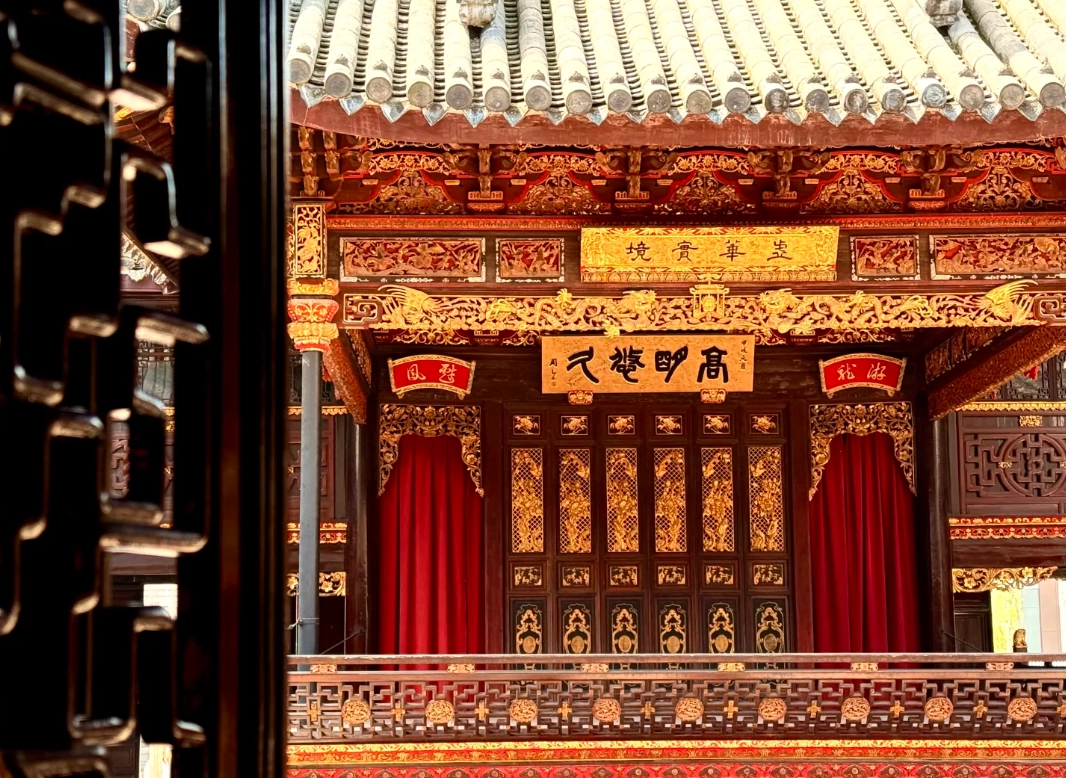
Booking & Payment Tips for Foreigners
This is where most tourists get stuck. Here's my cheat sheet:
- Payments: 90% of places accept WeChat Pay or Alipay. Link your international card to Alipay *before* you leave home. Cash is a backup, but don't rely on it — many small vendors don't carry change.
- Tickets: For Tianyi Pavilion and Ningbo Museum, always pre-book 1-3 days in advance on Trip.com or Klook. They accept international cards and show English interfaces. Arriving without a ticket means turning back.
- WeChat mini-programs: The official booking systems are in Chinese. If you don't have WeChat set up, don't bother. Use a travel agency or your hotel's front desk.
- Didi: Set up your account with Alipay. Without it, drivers may not accept your booking.
Packing & Weather Essentials
Ningbo has four distinct seasons. Summers are hot and humid — bring a hat and light clothes. Winters are grey and cold but not freezing. Spring and autumn are mild. Rain is common year-round, so pack an umbrella and waterproof shoes. You'll walk a lot, so comfortable sneakers are non-negotiable.
FAQ: Your Ningbo 4-Day Itinerary Questions Answered
Final Thoughts from a Local Guide
I've seen so many visitors fall in love with Ningbo — it's underrated, but that's what makes it special. Take the slow path. Sample the seafood. Chat with the monks. You'll thank me later.
Verified and fact-checked by the editorial team.





No comments yet.