 Qiang Huang
Let me be blunt—Dongqian Lake is not another mini West Lake. It's bigger, wilder, and far less crowded if you get the timing right. I've lost count of how many travelers dragged themselves through the lakeside trail in July, filming sweat-soaked selfies, then complained that this 'famous' lake was just a wide puddle.
Most foreign visitors plan their Ningbo trip without a clue about the lake's micro-seasons. Google Maps won't tell you that the cycling loop becomes unbearable by 10 a.m. in August or that a soft rainy day in November reveals the lake's most magical mist.
So here's the short answer: The best time to visit Dongqian Lake is from late September to early November, especially the last two weeks of October. If that window misses you, aim for mid-April to mid-May—just dodge the first-week-of-October national holiday, when every Chinese tourist decides to show up at once.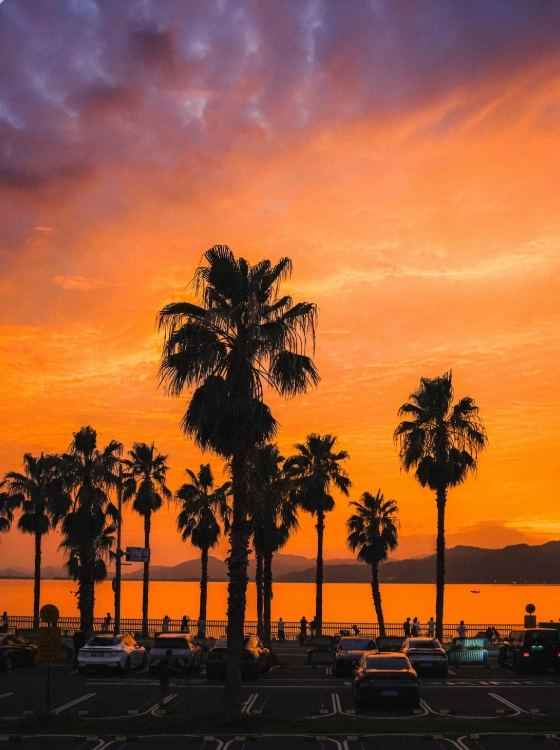
What's Inside
- Why Does the Best Time to Visit Dongqian Lake Matter?
- What Is the Best Time to Visit Dongqian Lake?
- Weather by Season: Finding the Best Time to Visit Dongqian Lake
- How to Choose the Best Time to Visit Dongqian Lake for Cycling and Flowers
- When Is the Best Time to Visit Dongqian Lake to Avoid Crowds?
- Insider Tips: Making the Most of the Best Time to Visit Dongqian Lake
- FAQ: Best Time to Visit Dongqian Lake — Your Questions Answered
Why Does the Best Time to Visit Dongqian Lake Matter?
Dongqian Lake feels like three completely different destinations depending on the calendar. I've cycled around it in the height of summer, with sweat pooling in my sunglasses, and again on a crisp autumn morning, when the air smelled like osmanthus and the lake looked like oil paint.
The lake is open year-round, but your experience hinges on three factors: weather, crowds, and seasonal scenery. Summer heat in Ningbo is a sauna with swimming pools; winter damp creeps into your bones. Meanwhile, the spring mud season can turn lakeside trails into a slippery slog.
You also have the domestic tourism factor. On weekends and national holidays, day-trippers from Shanghai and Hangzhou flood the area. Arrive at 9 a.m. on a sunny Saturday in October and you'll find the main parking lots full. Arrive at 7 a.m. on a Tuesday, and you'll have the boardwalk to yourself.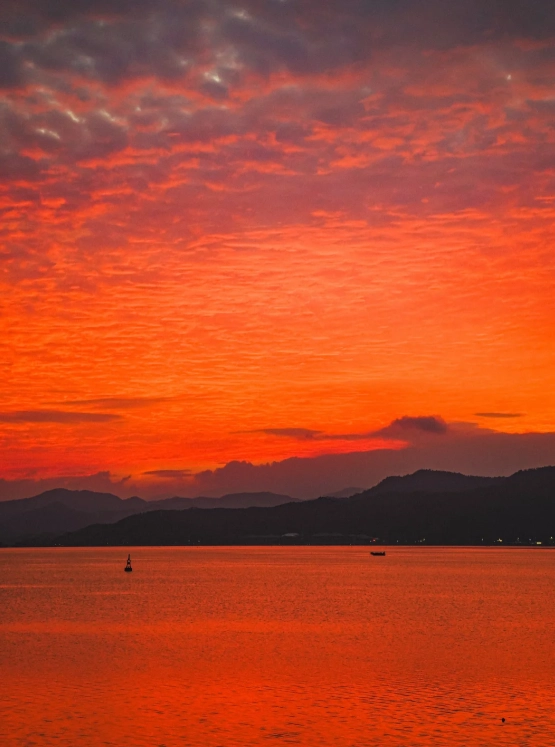
What Is the Best Time to Visit Dongqian Lake?
The absolute sweet spot is October, specifically the last two weeks of the month. Why? The brutal summer heat retreats, humidity drops, and the lakeside trees burst into shades of amber and rust. Water levels are stable, making boat tours photogenic. And critically, the domestic holidays are over—Golden Week runs from October 1-7, so the lake empties out mid-month.
If you can't make it in autumn, spring is my second call. April's flowers are lovely, and the weather is mild. But beware the Qingming Festival (early April) and Labor Day (May 1) surges.
For those who only can travel in summer or winter, don't worry—I'll break down the pros and cons below. But first, the season-by-season breakdown.
Weather by Season: Finding the Best Time to Visit Dongqian Lake
Dongqian Lake has a subtropical monsoon climate, meaning four distinct seasons and plenty of rain. Let's go month by month so you can see what each window delivers.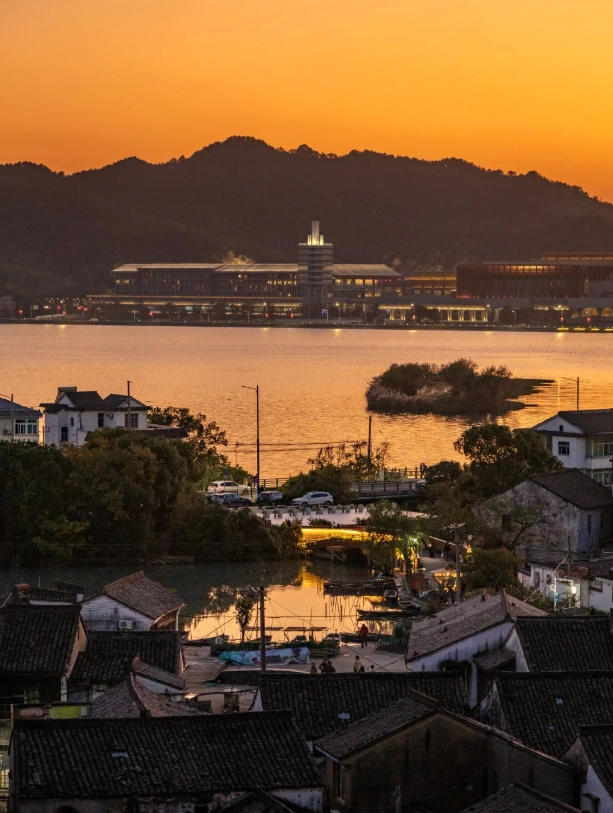
Spring (March–May)
Spring is the flower season, but also the muddiest of all. Temperatures climb from 10°C in March to around 22°C in May. Plum rains hit in late May, turning paths slippery. March to April brings cherry blossoms and tulips near the lake's south shore. I always tell my clients to visit before 8 a.m. to catch the mist lingering over the water, followed by a leisurely walk along the Baima Lake section. The downside? High chance of drizzle, especially in April, so pack a light waterproof jacket and non-slip shoes. Qingming holiday (April 4-6) is crowded; expect traffic jams near the main gates.
Summer (June–August)
Summer means heat, humidity, and afternoon thunderstorms—but also lush greenery and lotus flowers. Temperatures hover between 25°C and 35°C, with July the hottest. I recommend renting a bike or e-bike only in the early morning or after 4 p.m.; the east bank lacks shade. The lotus ponds beside the Moon Island (月岛) come into full bloom in July and August—gorgeous in the golden hour light. If you must visit at midday, stick to the air-conditioned Dongqian Lake Museum or the Xiaoputuo Temple area with its trees. Be prepared for sudden downpours; always carry an umbrella.
Autumn (September–November)
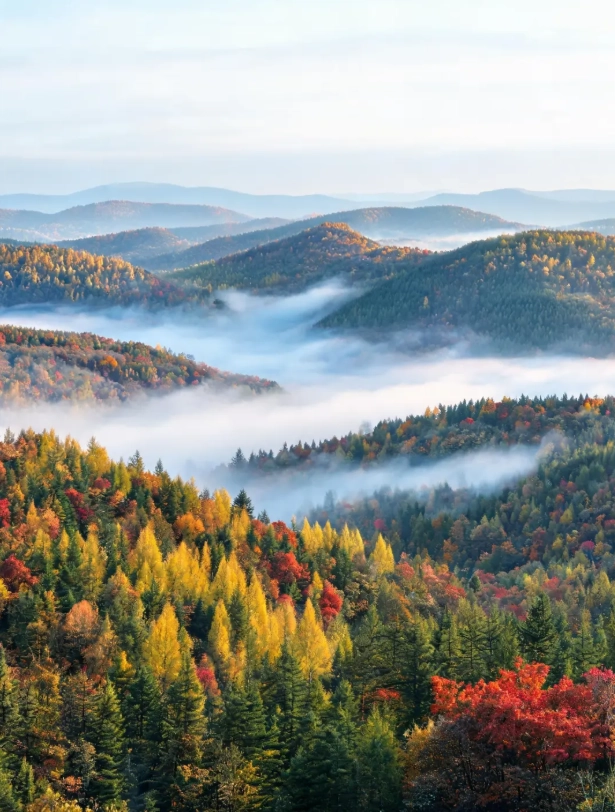
Autumn is my unequivocal favorite—I've booked my own family trips around it. September provides warm days and crisp nights, with osmanthus fragrance drifting near the north shore. October remains pleasant, and in late October, the gingko and maple leaves turn vivid. November sees temperatures drop to 10-18°C, but the crowds thin further. Bring layers: a light down jacket for the coast after sunset. For photographers, the hour after sunrise offers calm water and soft light. This season also sees the annual Dongqian Lake International Dragon Boat Race (usually in September or October—check the official tourism board dates).
Winter (December–February)
Winter is the quietest and coldest season, with daytime highs rarely above 10°C. The lake is often wrapped in a moody, romantic mist. If you're lucky enough to catch a sunny day (which often follows a cold front), the scenery is breathtaking—think traditional Chinese ink painting. On the downside, lake wind chill makes it feel even colder, so pack a windproof parka. Many lakeside restaurants and boat services reduce hours, so expect a shorter day. If you don't mind the cold, you'll have the entire waterfront almost to yourself. Just avoid Chinese New Year week, when family groups return to the area.
| Season | Temp Range | Tourist Load | Best For | Watch Out |
|---|---|---|---|---|
| Spring | 10–22°C | Medium–High | Flower viewing | Rain, holidays |
| Summer | 25–35°C | Low | Lotus, early cycling | Heat, storms |
| Autumn | 10–25°C | Medium | Cycling, hiking, photography | Golden Week crowds |
| Winter | 3–10°C | Low | Misty views, solitude | Cold, limited services |
How to Choose the Best Time to Visit Dongqian Lake for Cycling and Flowers
Your ideal month depends on what you actually want to do. Let me give you a quick decision guide.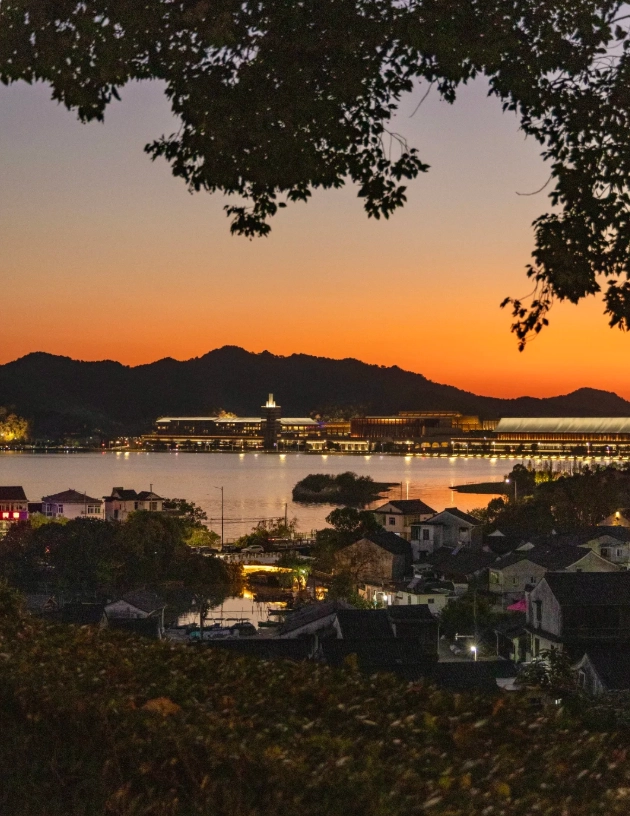
Cycling around the Lake
Ride the 8.5-kilometer east-bank cycle track between the north gate and the South Lake area. I've done this loop in every season, and the best cycling is definitely in late April and late October. Temperatures are mild, humidity low, and the scenery changes every kilometer. Avoid July and August, when the heat turns the ride into a slog, and windy winter days, when the temperature plunges. If you do ride in summer, start at dawn and bring water (there are scattered vending machines, but they run out of stock).
Catching Seasonal Blooms and Foliage
For photographers chasing specific colors, here's the cheat sheet: Cherry blossoms at the east bank burst in late March to early April. Tulips near the South Lake visitor center peak mid-April. Lotus flowers in July and August. Fragrant osmanthus from late September to early October. The show-stopping autumn colors—maple and ginkgo—hit their peak in mid-to-late November. Actually, I prefer early November, because the leaves are still fresh and the autumn sunlight is golden.
When Is the Best Time to Visit Dongqian Lake to Avoid Crowds?
The crowds here follow a predictable rhythm: weekends, public holidays, and the early morning workout wave are your biggest enemies. Weekdays from Tuesday to Thursday are generally calm. Arrive by 7:30 a.m. for the famous lakeside light, and you'll often see more fishermen than tourists. If you must come on a weekend, bypass the main South Gate Plaza and start at the West Gate's Xiaoputuo Temple instead—most tour groups skip it. And do not, I repeat, do not arrive at the main gate at 10 a.m. on a sunny weekend without a plan; you'll wait in line for boat tickets for an hour.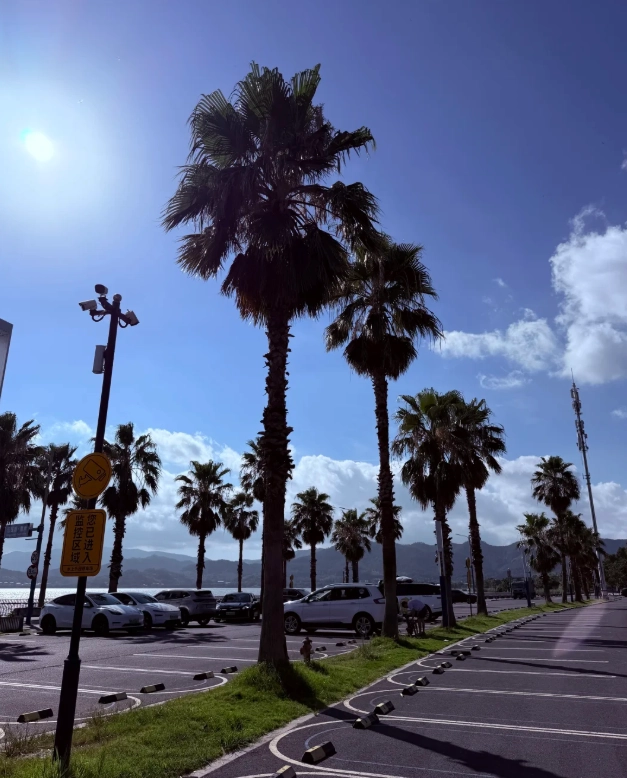
Pro Tip: If you can only manage a weekend trip, book your boat ride online via Trip.com or Klook the night before. It saves you at least 30 minutes of standing in the ticket queue, and it works with your passport. Also, use the South Lake visitor center's free parking if you drive—arrive before 8:30 a.m. to get a spot.
Insider Tips: Making the Most of the Best Time to Visit Dongqian Lake
Now, let's talk logistics—the stuff that makes or breaks your day. I've seen too many travelers get stuck with payment issues or bad directions. Here's my checklist:
- Payment: The lakeside food stalls and bike-rental kiosks do accept Alipay and WeChat Pay, but many don't handle cash well. If you only have cash, you'll need to buy a prepaid transit card or find a larger convenience store. Keep a small amount of RMB just in case.
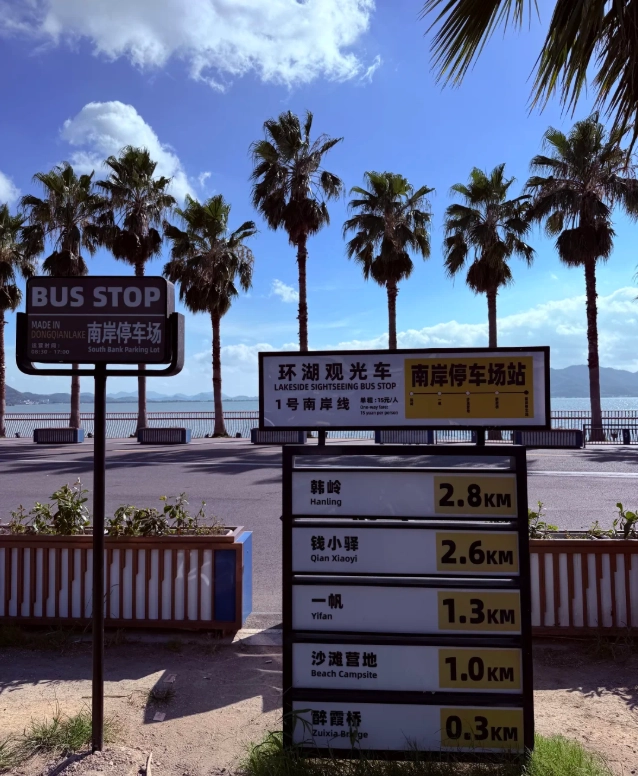
- Navigation: Google Maps is useless here. I always download AMap (高德地图) and switch to English. Plug in 'Dongqian Lake Visitor Center' (东钱湖游客集散中心) to get to the right spot. Apple Maps works, but AMap has better local data.
- Getting there: Metro line 4 goes directly to Dongqian Lake Station. Take Exit B, then hop on a taxi (about 5 km) or local bus 960 to the lake entrance. If you take a Didi, show the driver the Chinese address: 宁波市鄞州区东钱湖镇.
- Extra pro tip: The entrance area has public toilets, but they can get busy. Use the restroom at the visitor center before heading out on the lake trail.
- Food: Don't expect gourmet on the lake banks. Most restaurants near the north gate serve standard Ningbo coastal fare; try the 'Qian Hu' fish head soup, but ask about spice level. Some places are cash-only, so carry some.
- Appointments: You generally don't need a reservation to walk the lakeside, but boat tours and some temples (Xiaoputuo) might ask for passport details. I recommend booking through Trip.com or Klook a day in advance to avoid verbal hiccups.
FAQ: Best Time to Visit Dongqian Lake — Your Questions Answered
I'd still go, honestly. Summer is low season, so the crowds are thin. The trick is to plan around the heat: start at 6:30 a.m. with a lakeside stroll, take a mid-day break at the Dongqian Lake Museum or a shaded café, then return at 4 p.m. for the lotus-viewing and an evening bike ride. Bring sunscreen, a hat, and an electrolyte drink. If rain pours, switch to the museum or head to Yinzhou district's shopping malls.
For reflections, you want an early morning, just after sunrise (approximately 6:30 to 8:00 in spring and autumn). The wind is calm and the lake often mirrors the sky. The late afternoon golden hour, around 4:30 to 6 p.m., is your second best. If the forecast mentions fog—common in winter—consider shooting then; the misty layers look spectacular over the pavilions.
Yes, the May 1 holiday (Labor Day) and the first week of October (Golden Week) are absolute no-gos if you hate crowds. In September or October, the Dongqian Lake International Dragon Boat Race can attract spectators; it's fun but busy. Check the official Ningbo Tourism website for this year's event dates.
With only half a day, focus on the east bank trail from the South Lake to Xiaoputuo. That's a leisurely 2-hour walk or 30-minute bike ride. Add a short boat ride and you're done. If you have a full day, start at the Visitor Center, cycle to the Moon Island, lunch at the Korean-style food street, then explore the ceramics museum in the afternoon. Expect to walk 10-12 km total.
Yes, the lake area is open, but many restaurants and boat services close for at least the first three days. If you do go, you'll see holiday decorations and fewer tourists. Dress warmly and bring snacks, because food options are scarce. Also, the weather is cold and damp; indoors are not heated as much as you'd expect.
Verified and fact-checked by the editorial team. This content has been fact-checked to ensure informational precision.





No comments yet.