 Yan Zhou
Quick Guide — What You’ll Learn Here
- Getting to Ningbo: Trains, Planes, and Automobiles
- Where Should I Stay in Ningbo? Best Areas for First-Timers
- Top Things to Do in Ningbo: Must-See Attractions and the Ones to Skip
- Ningbo Food Guide: What to Eat and Where to Find It
- Getting Around Ningbo: Transportation Survival Guide
- Essential Ningbo Travel Tips: Payments, Apps, and Language Barriers
- Is Ningbo Safe for Tourists? What You Need to Know
- FAQ: Ningbo Travel Questions Answered
So, you’re thinking about Ningbo? Good choice — this port city packs a serious punch when it comes to history, food, and scenery. But here’s the thing: I’ve been guiding foreign tourists here for years, and most of them walk in completely clueless about how to navigate the city. They end up stuck at a ticket booth because they don’t have WeChat Pay, or they waste half a day at the wrong dock for Dongqian Lake. That’s why I put this guide together — to give you the Ningbo travel tips that actually work on the ground.
Let me cut to the chase: the single most important tip is to have your passport and a phone with Alipay or WeChat Pay set up before you even board the plane. You’ll thank me later. Ticketing, transport, even street food — almost everything runs through these apps in Ningbo. Cash is rarely accepted, and international credit cards? Good luck.
Now, let me map out the rest of your trip without the fluff. Here are the 5 common mistakes I see every first-timer make:
- Not setting up mobile payment before arrival
- Relying on Google Maps
- Falling for taxi touts at the station
- Forgetting their passport for attraction bookings
- Thinking cash will work everywhere
Getting to Ningbo: Trains, Planes, and Automobiles
I always tell my clients: arrive by high-speed train if you can. Ningbo’s train station (宁波站) is smack in the city center, and it connects to Shanghai in about 2 hours and Hangzhou in just 50 minutes. Book your ticket on Trip.com or the official 12306.cn at least three days ahead — you’ll need your passport number, and the station’s self-service machines rarely work with foreign cards. If you’re flying, Ningbo Lishe International Airport (NGB) is about 20 km from downtown. Take Metro Line 2 straight to the center — it costs around ¥5 and takes about 35 minutes. A taxi will run you ¥80-100 and takes roughly 40 minutes depending on traffic.
Now, here’s a catch that catches everyone: when you arrive at the train station, ignore the touts shouting “taxi”. They’ll charge you triple. Instead, walk to the official taxi queue outside the East Exit, or better, use Didi (China’s Uber) and set the pickup point at the West Exit — most drivers go there to avoid the crowd.
Where Should I Stay in Ningbo? Best Areas for First-Timers
For your first trip, stay around Tianyi Square (天一广场) or the Old Bund (老外滩). These areas are central, walkable, and packed with food options. Tianyi Square is the commercial heart — modern, lots of malls, and you’ll feel the buzz. The Old Bund, on the other hand, has that historic riverside charm with Western-style buildings and live music at night. I personally prefer the Old Bund for the atmosphere, but if you want easy access to metro lines, Tianyi Square wins.
Here’s a quick comparison table:
| Area | Best For | Average Nightly Rate (USD) | Metro Access | Notes |
|---|---|---|---|---|
| Tianyi Square | First-timers, shopaholics | $50-90 | Line 1, 2 (Tianyi Square Station) | Hotel options from budget to luxury |
| Old Bund | History lovers, nightlife | $60-120 | 10-min walk to Waitan Bridge Station | More boutique hotels, great river views |
| South Old Street (南塘老街) | Foodies, cultural immersion | $40-80 | Line 2 (South Tang Station) | Historic street, but farther from metro nodes |
For booking, I’d skip the Chinese-only apps and use Trip.com or Agoda. Most hotels here accept foreign guests, but always confirm they accept non-Chinese passports when booking — a few smaller guesthouses don’t have the license for that. And check the reviews for “foreigner-friendly” — look for mentions of English-speaking staff and stable Wi-Fi.
Pro Tip: If you’re arriving late at night, choose a hotel with 24-hour front desk. Many mid-range places lock their doors after midnight and don’t have security staff who can help with check-in.
Top Things to Do in Ningbo: Must-See Attractions and the Ones to Skip
1. Tianyi Tower (天一阁) — The Oldest Private Library in Asia
This UNESCO-listed gem should be your first stop. It’s a quiet maze of ancient pavilions, rockeries, and ponds that feels like stepping into a Ming Dynasty painting. The bonsai garden is especially lovely in spring, but honestly, it’s good any time.
- Address: 215 West Baizhang Road, Haishu District
- Opening hours: 8:30–17:00 (last entry 16:30), closed on Mondays (except public holidays)
- Admission: ¥30 adults; free for children under 1.2 m; but you must show your passport to buy a ticket — no exceptions.
- How to get there: Metro Line 1 to Ximenkou Station, Exit A, then walk 8 minutes. Or bus 1/518 to Tianyi Ge stop.
- Time needed: 2–3 hours. Go in the morning to avoid tour groups.
Insider tip: The entrance is on the south side, not the big gate on Baizhang Road that most maps show. That gate is actually the exit. My first time, I circled the block for 10 minutes before realizing the ticket office is tucked around the corner on Changchun Road.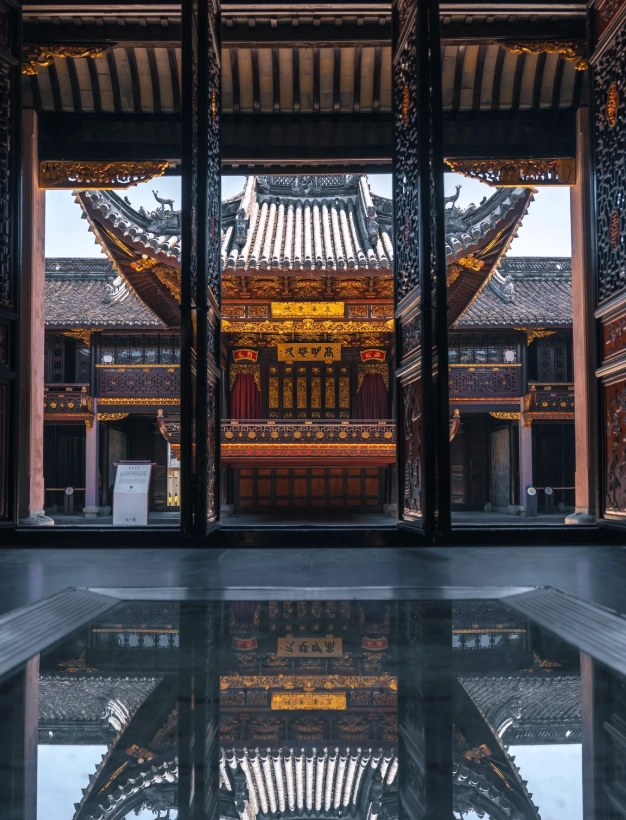
2. The Old Bund (老外滩) — Riverside Nightlife
Skip the overhyped New Bund and come here instead for an authentic mix of history and bars. The Old Bund dates back to the 1800s when Ningbo was a treaty port, and you’ll see the original consulate buildings converted into pubs and boutiques.
- Address: Waitan Road, Jiangbei District
- Opening hours: Open 24/7; bars close around 3 AM
- Admission: Free
- How to get there: Metro Line 2 to Waitan Bridge Station, Exit B, walk 5 minutes.
- Time needed: 1–2 hours during the day, or 3+ hours at night if you hit the bars.
Don’t make the same mistake I did on my first visit: the east side of the riverfront is the photogenic stretch, but the west side has fewer crowds and better coffee. Also, alcohol prices are outrageous along the main street — go one street back and you’ll find the same beer half price.
3. Dongqian Lake (东钱湖) — The City’s Backyard
This is the place to escape city life, and it’s bigger than West Lake in Hangzhou. You can easily spend a full day here cycling the 44-km loop or hiking into the surrounding hills for views of the lake. The water is calm and there are plenty of picnic spots.
- Address: Dongqian Lake Scenic Area, Yinzhou District
- Opening hours: Open 24/7; individual attractions (like the Song Dynasty stone carvings) have separate hours, usually 8:00–17:00
- Admission: Free for the lake area; some attractions charge ¥40-60 (e.g., Xiaoputuo, Moon Island)
- How to get there: Metro Line 4 to Dongqian Lake Station, Exit C, then rent a bike or take a shuttle. It’s about 40 minutes from downtown.
- Time needed: Whole day if you’re into outdoors; half day if you just want to see the lakeside pagodas.
I’m going to be brutally honest: the “Star Attraction” speedboat ride is overpriced (¥100 for 15 minutes). Skip it and instead rent a tandem bike at the side of the lake for ¥30/hour — you’ll see the same sights at your own pace. Also, check the weather forecast before you go. On hazy days, the lake looks like a gray sheet, and you won’t see the hills at all.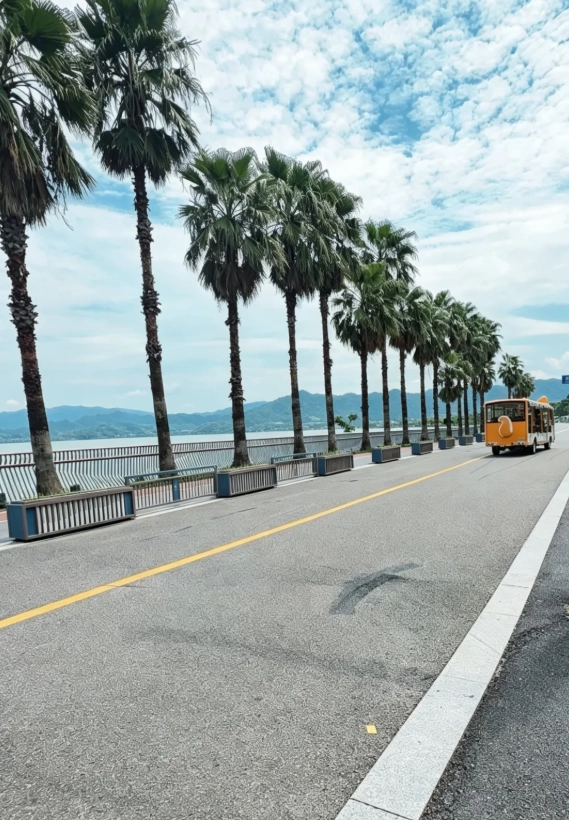
4. South Tang Old Street (南塘老街) — Food and History
This reconstructed ancient street is a foodie paradise, but it gets insanely crowded on weekends. Go on a weekday afternoon if you can. The food stalls offer everything from stinky tofu (yes, you should try it) to handmade rice cakes. The architecture is lovely, with lanes and courtyards that date back to the Qing dynasty, though most of the shops are decidedly modern.
- Address: South Tang Street, Haishu District
- Opening hours: Shops usually 9:00–21:00; restaurants later
- Admission: Free
- How to get there: Metro Line 2 to South Tang Station, Exit B, walk 3 minutes.
- Time needed: 1-2 hours, longer if you like tasting snacks.
Here’s the catch: most shops only accept WeChat Pay, and a few don’t even have paper menus. If you don’t have the app set up, bring a local friend — or aim for the larger restaurants that might take card. I usually tell tourists to come here for the atmosphere but eat at the sit-down places; the street snacks are fun but you’ll walk away still hungry.
You might also want to check out the Drum Tower and the Ningbo Museum, but I’ll save those for a separate guide. The four above are the backbone of any solid Ningbo itinerary.
Ningbo Food Guide: What to Eat and Where to Find It
Ningbo food is all about freshness — the city sits on the coast, so seafood rules. But the city’s signature dish is actually a dessert: Tangyuan (glutinous rice balls with sesame or meat). They’re best enjoyed at the long-standing shop, 汤团王 (Tang Tuan Wang) on Zhongshan Road.
- Address: 108 Zhongshan East Road, Haishu District
- Hours: 6:00–20:30
- Price: ¥8-15 per bowl – I always get the black sesame ones.
- Payment: Cash maybe accepted, but better stick to Alipay.
- English menu: Yes, they have a photo menu, so point and smile.
For seafood, head to Ningbo Restaurant (宁波状元楼) — the oldest time-honored restaurant in the city. Try the “Dongqian Lake Fish Head” (湖头鱼), which is served in a light soy-based broth. Expect to spend ¥150-200 per person. Get there by 11:30 AM or you’ll wait in line for 45 minutes. They accept international cards, and the staff can speak basic English.
If you’re on a budget, hit the food street near Tianyi Square. Look for stalls selling Niangao (rice cake) with pickled vegetables, and Snowflake Beef (雪花牛肉). Most stalls don’t have names, so just find the longest queue — that’s always a good sign.
I always tell my clients: don’t leave without trying the salted crab (咸蟹). It’s raw crab marinated in rice wine and soy. Sounds scary, but it’s a Ningbo specialty and tastes like the sea. Order it at a proper restaurant, though — street carts won’t have proper refrigeration.
Getting Around Ningbo: Transportation Survival Guide
Ningbo has five metro lines that cover most tourist sites. Tickets cost ¥2-10, and you can buy them at the station — but here’s the catch: the ticket machines accept cash, coins, and WeChat Pay, but not foreign credit cards. Some newer machines have a “Passport” option for foreigners, but it’s not always reliable. So the smartest move is to add a transit card to your Alipay or WeChat wallet before you arrive. Then you just scan your phone at the gate.
For buses, the fare is ¥2 flat, and you pay with the same QR code. But I’d rarely recommend buses for tourists unless you’re tight on budget — the routes and stops are in Chinese, and Google Maps won’t help. Instead, use Apple Maps (which works surprisingly well here) or AMap Global for English navigation. Just remember: an offline map is a lifesaver because data can be slow in some areas.
Taxis in Ningbo are plentiful and cheap (starting fare ¥11). But beware of the black touts who hang around tourist spots. They don’t use meters and will quote you three times the price. Always use the Didi app — you can connect your foreign credit card to it, and the fare is shown upfront. In fact, I’d say Didi is the most important travel tip for Ningbo after payments.
If you’re feeling adventurous, rent an e-bike from one of the many dockless apps (HelloBike, Meituan). You’ll need to download the app and register with a phone number — if you have a China SIM, it’s easy. But foreigners without a Chinese number often get stuck, so don’t count on it.
Essential Ningbo Travel Tips: Payments, Apps, and Language Barriers
Let me save you a headache: set up Alipay or WeChat Pay before you leave home. Both allow foreign Visa/Mastercard now. Link your card, and you can pay at 99% of places by scanning a QR code. I’ve seen travelers get turned away from street food stalls because they only had cash — the vendors don’t have change, and “cashless” is the norm here.
But there’s a catch: Alipay and WeChat Pay’s English versions have limited features. Some mini-programs (like attraction booking) are only in Chinese. For museum and park reservations, use Trip.com or get your hotel to book for you. Even better, many attractions in Ningbo require the passport number for the ticket, and the machines won’t accept non-Chinese IDs.
VPN is another non-negotiable. Without it, Google, WhatsApp, Facebook, and most overseas sites won’t load. Install a reliable VPN on your phone and laptop before you land. I’ve had clients panic because they couldn’t log into their email — don’t let that be you.
For translation, forget the old phrasebook. Use Apple Translate (it works offline) or Baidu Translate. The camera translation feature is a godsend for menus and signs. And always carry the Chinese address of your hotel on a card — show it to taxi drivers when your phone battery dies.
Language-wise, most young people in Ningbo can speak or understand basic English, but don’t expect everyone to. Older street vendors will gesture frantically. Just smile, use your phone, and you’ll get by.
Is Ningbo Safe for Tourists? What You Need to Know
In a word: yes. Ningbo is one of the safest big cities in China. Violent crime is virtually nonexistent, and even petty theft is rare. I’ve walked around at 2 AM and felt completely at ease. But that doesn’t mean you should throw caution to the wind — there are a few specific scams targeting foreigners that I’ve seen.
The most common one is the “tea house scam” near the Old Bund. A young woman approaches you, invites you to join her for tea, and then you get a ¥500 bill for “herbal medicine”. Just politely decline any unsolicited invitations from strangers.
Another one is the “art school student” asking you to take a photo and then demanding money. If anyone makes you feel uncomfortable, walk away firmly. The city is overwhelmingly safe, but these opportunistic folks exist everywhere.
As for health, the tap water isn’t drinkable, but bottled water is cheap. If you have allergies or dietary restrictions, be very explicit — the concept of “gluten-free” is not common, and seafood is everywhere.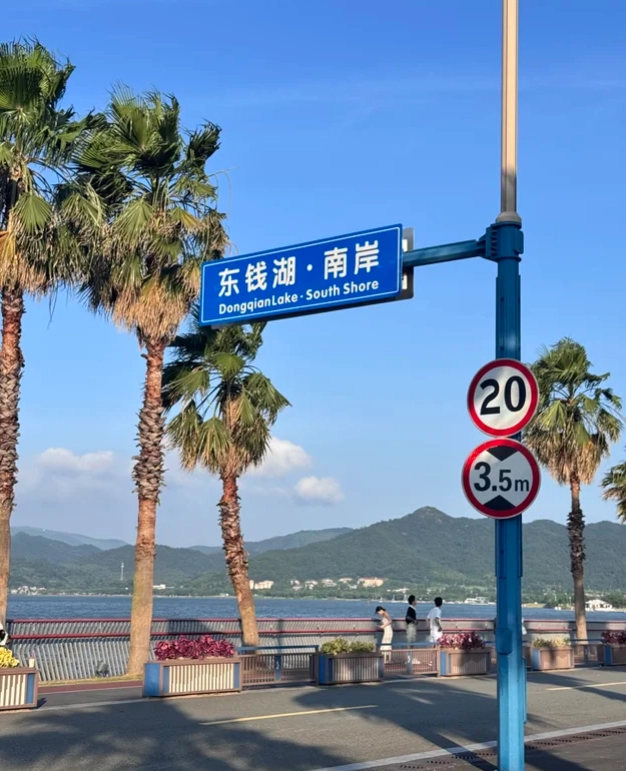
FAQ: Ningbo Travel Questions Answered
Do I need to book Ningbo attractions in advance?
Yes, and it’s stricter than you might imagine. Top spots like Tianyi Tower and Ningbo Museum require real-name registration with your passport number. You can book via Trip.com for most attractions — they handle the passport data smoothly in English. For popular weekend slots, book at least 48 hours ahead. Walk-ins are often turned away, especially during summer and public holidays.
Can I use cash in Ningbo?
Technically, cash is legal, but in reality, it’s a headache. Most small shops, food stalls, and even some taxis are cashless. They don’t carry change, and if you hand them a ¥100 bill, they’ll look at you like you have three heads. You might be able to pay cash at large hotels and high-end restaurants, but I’d strongly recommend setting up Alipay with a foreign card — it only takes 10 minutes.
Is Google Maps usable in Ningbo?
No, Google Maps is blocked in China, and even with a VPN, the location data is wildly inaccurate — it often puts you a block away. Use Apple Maps (which uses TomTom data) or AMap Global, which has English support. Before setting out, download the offline maps for Ningbo in AMap, and you’ll never get lost.
What’s the best time to visit Ningbo?
I’ll give it to you straight: October and April are gold — the weather is mild, and the sky is clear. June to August is humid with typhoon risk, but if you come then, hit the beaches at Xiangshan. Winter is cold but not freezing, and you’ll have the popular spots all to yourself. Also, avoid Chinese National Day (Oct 1-7) and May Day — the crowds are insane.
Do I need a VPN for Ningbo?
Absolutely. Without a VPN, you can’t access Google, WhatsApp, Instagram, Facebook, or even some email services. Download a reputable VPN before you leave — many work with a subscription. Some hotels provide their own, but it’s unreliable. Make sure to turn on your VPN before you need it; if you try to connect to blocked sites without it, you’ll just get error pages.
This content has been fact-checked by the editorial team to ensure informational precision.






No comments yet.