 Fang Wang
Here's What I'll Cover
Ever stepped into a Chinese museum at the wrong hour and felt like you're in a subway car at rush hour? That's exactly what happens at Tianyi Pavilion Museum every weekend. After leading tours in Ningbo for years, I've cracked the code for the best time to visit Tianyi Pavilion Museum. Here's your cheat sheet: the quietest windows are just after the 8:30 AM opening and after 3:30 PM. This isn't just about dodging crowds—it's about experiencing the tranquil atmosphere this 450-year-old library deserves. Skip to the dirty details below.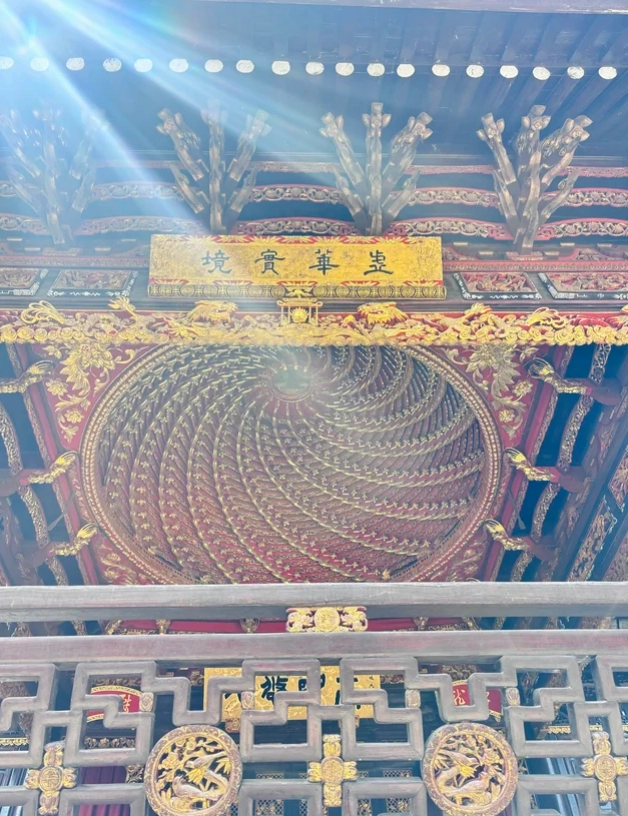
Why Timing Matters at Tianyi Pavilion Museum
Weather and the Beauty of the Garden
The garden looks dramatically different with the seasons. The museum is actually a sprawling complex of traditional Chinese gardens, koi ponds, and sculpted rockeries. In late spring, azaleas burst in fuchsia and pink. In autumn, maple leaves turn fiery crimson. Summer brings lush green, but the heat and humidity can drain you faster than a marathon. Winter is bleak yet somehow poetic—bare branches over misty water. Your physical comfort hinges on choosing a day with mild temperatures, because a lot of the site is outdoors.
Here is a nuance most guides skip: the light in the gardens changes throughout the day. The famous “dragon wall” catches golden flecks only in the late afternoon. If you're hoping for that postcard shot, you need to be there during the last hour of opening.
Crowd Patterns of the Year
Chinese public holidays are the absolute worst times to visit—period. The Labor Day holiday (May 1–5) and National Day (October 1–7) turn the museum into a sea of shoulder-to-shoulder tourists. I've seen people queueing for nearly forty minutes just to step through the iconic gate. School groups from across Zhejiang also schedule field trips in April, May, September, and October, so even weekdays in these months can feel busy. The quietest all-around period is mid-February through March, when the weather is just turning mild but most groups stay home. November is another stellar pocket before the chill truly sets in.
Weekend mornings are always busier than weekday mornings. If you have the flexibility, a Tuesday or Wednesday morning visit gives you the library mostly to yourself.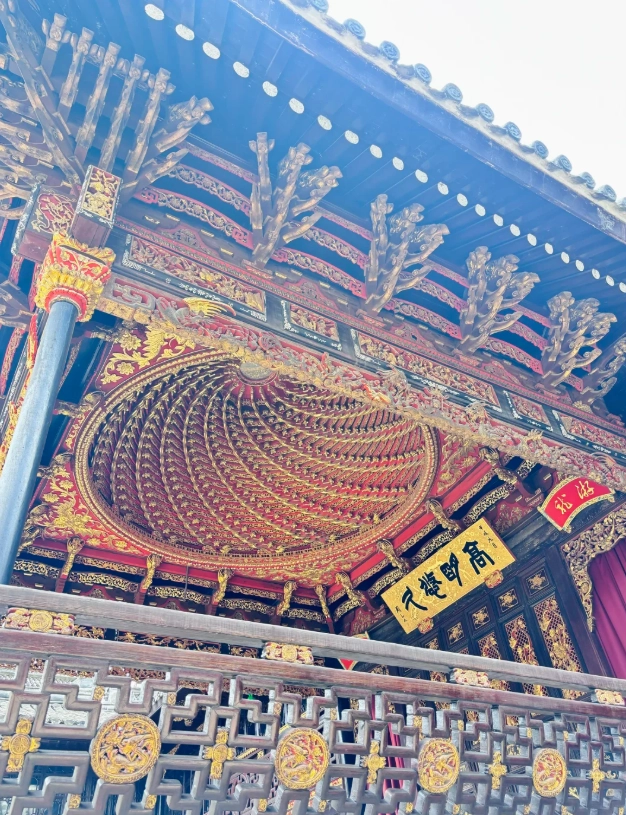
What Is the Best Time of Year to Visit Tianyi Pavilion Museum?
Spring (March to May)
Spring is one of the most beautiful seasons to visit. Temperatures hover between 10°C and 20°C, making walking around the grounds a joy. The azaleas and camellias are in full bloom, and the air smells of fresh soil and flowers. However, Ningbo has its own “plum rain” season in June, which spills into late spring—but April and early May are usually dry. Pack a light umbrella and wear shoes with good grip; stone paths get slick when damp.
My favorite trick: pair your visit with a late lunch at the nearby “Ningbo Tangyuan” shop on Gulou Street. The sweet sesame balls are a perfect warm-up after two hours of wandering.
Autumn (September to November)
Autumn is my personal favorite. The air is crisp, humidity drops to almost nothing, and the garden glows as the gingko trees turn a brilliant yellow. In late October and November, the sunlight is softer and more golden, making your photos look like they were shot in the golden hour all afternoon. Crowds are generally low except for the first week of October (National Day), so plan around that. If you can arrive by late October, you'll catch the peak colors without the holiday rush.
This season also brings special evening events, such as lantern displays during the Mid-Autumn Festival, which—if you're lucky—might let you see the museum under lantern light.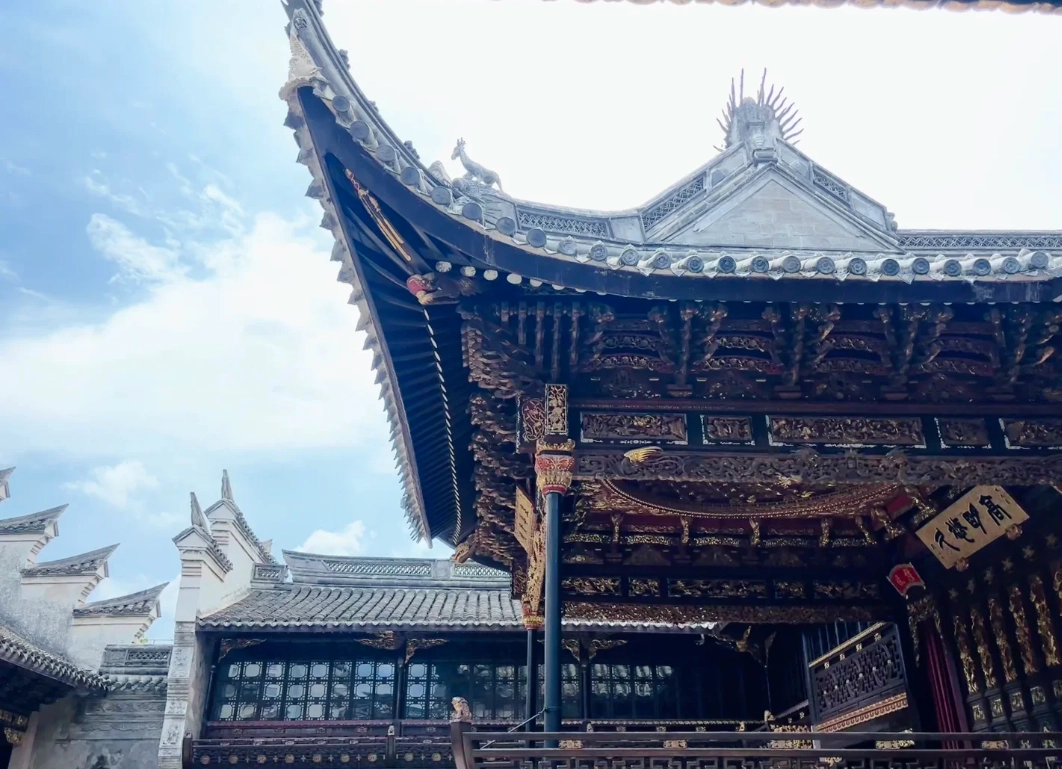
Summer and Winter – The Trade-offs
Summer brings long days but serious heat. June to August is hot, muggy, and rainy. You'll be sweating through your shirt within minutes. The upside? The museum opens as early as 8:00 AM in peak season, giving you a head start before the heat peaks. The air conditioning inside the main exhibition halls is a welcome refuge. Winter (December to February) is cold but nearly empty. If you don't mind bundling up in thermal layers, you'll have the garden practically to yourself. Just note that some of the older buildings lack effective heating—but the silence more than compensates.
Insider Advice: If you're visiting in summer, do the outdoor sections first (the north garden and the stone forest) before the sun gets high. Save the indoor halls for midday when you need to cool down.
What Is the Best Time of Day to Visit Tianyi Pavilion Museum?
Opening Hours and the Quietest Windows
The museum's first 90 minutes after opening are blissfully quiet. The gates swing open at 8:30 AM year-round (hours may adjust slightly in different seasons). If you're not a morning person, aim for after 3:30 PM. Most guided tour groups wrap up by 3 PM, and the temperature cools down. I've had afternoons where I felt like I owned the place—no one shuffling behind you, no tour-guide shouting into a headset.
But here's the catch: the museum is huge, about 7,000 square meters. Even with few people, you'll need at least two hours to do it justice. This means the earliest entry slot (8:30 AM) is the true winner—you get nearly a full hour before the first wave of tour buses rolls in at 9:30. On weekdays, the difference is striking.
Photo-Light Magic at Sunset
For vivid photos, arrive during the last hour before closing. Around 4 PM in winter and 5 PM in summer, the sun filters through the lattice windows and casts gorgeous shadows across the old brick paths. The golden hour light makes the stone lions and ancient murals pop. I always tell my clients to save the inner garden for last—it faces west, soaking up that warm evening light. If you're there in December, remember the “golden hour” starts earlier, so shift your timing slightly.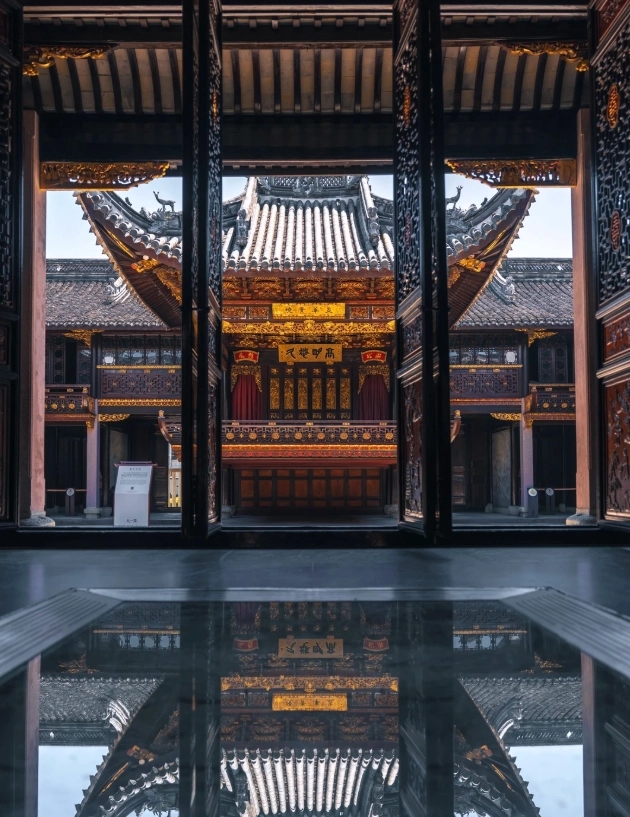
How to Avoid the Crowds at Tianyi Pavilion Museum
Book Your Ticket in the Right Time Slot
Reserving a timed entry ticket is now mandatory, and it's your best crowd-dodging tool. You can book through the official WeChat mini-program (in Chinese) or via English-friendly platforms like Trip.com or Klook. Choose the earliest slot (8:30–9:00) or the last entry slot (4:00–4:30 PM). These are the least used time slots, and you'll practically sail through the turnstile.
The booking process on WeChat is a nightmare for foreigners—I say this as someone who speaks Chinese. The interface is cluttered, the menus are mislabeled, and even the date picker glitches. Trip.com’s English interface, by contrast, takes 30 seconds. Do yourself a favor and use it.
Beat the Wave: Arrive at 8:30 AM or After 4 PM
If you can't secure a specific slot, physically show up at 8:30 or after 4 PM and wait out the queue. Security lines are shortest then, and you'll often walk right in. I always tell my clients to enter through the main gate but then head straight to the library building; tour groups usually linger at the garden entrance taking group photos, so you'll gain a solid 15-minute head start on them.
One more trick: weekdays, especially Tuesdays and Wednesdays, are noticeably emptier. The museum is packed on weekends, even outside peak seasons. If your schedule allows, rearrange your trip to land on a Wednesday morning—you'll thank me later.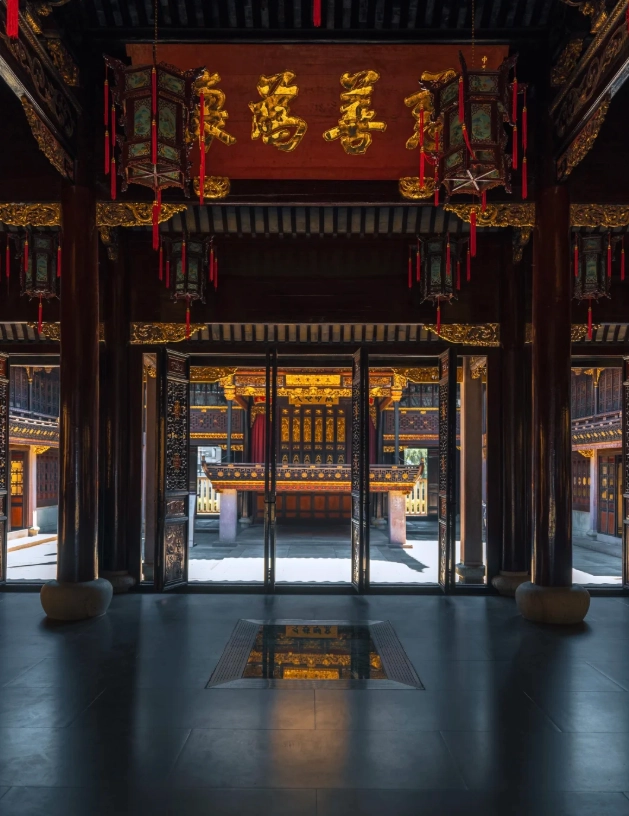
Tianyi Pavilion Museum Tickets, Hours, and Location – The Essential Sheet
| Item | Details |
|---|---|
| Address | Tianyi Pavilion Museum, 10 Tianyi Street, Haishu District, Ningbo, Zhejiang |
| Opening Hours | Daily, 8:30 AM – 5:30 PM (last entry at 5:00 PM). Hours may shorten in winter; confirm on the official notice. |
| Ticket Price | Adult: roughly ¥30 (seniors and children get discounts; bring your passport for ID) |
| Booking Requirement | Advance online reservation with your passport number is highly recommended |
| Transportation | About a 10-minute walk from Gulou (Drum Tower) Metro Station on Line 1/2 |
| Suggested Duration | 1.5 to 2.5 hours |
These details are based on my recent visits and common knowledge. Always double-check the Trip.com listing for the latest updates.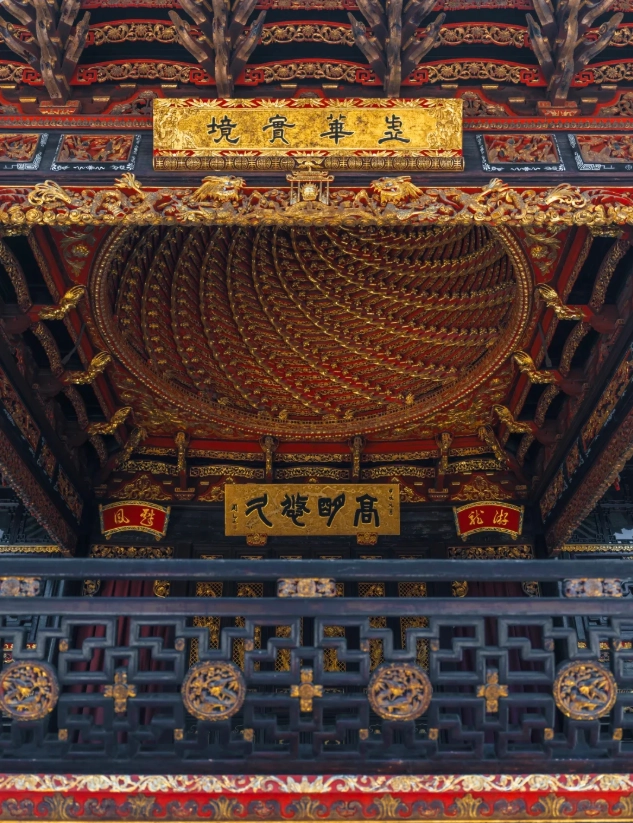
Insider Tips for a Smooth Visit
Payment, Reservations, and Digital Hurdles
Foreign cards are not accepted at the counter. You can pay by cash (rarely getting change) or, more commonly, via Alipay/WeChat Pay linked to an international card. The official WeChat mini-program is a headache even for me—it's in Chinese, and the payment flow sometimes fails for non-Chinese cards. So use Trip.com or Klook to pre-book your ticket; you'll get a QR code scanned at the gate. Always carry your passport; you'll need it for verification.
Pro Tip: Download Alipay and add your international card before you leave home. Not just for this museum—for almost every meal and taxi in Ningbo. The QR code payment is ubiquitous, and it saves you from carrying piles of cash.
Navigation, Language, and VPN
Google Maps is useless in China—install Apple Maps or AMap (called “AMap Global” in English). Enter the Chinese address for the museum: 天一阁博物院, and you'll see the exact route. The taxi driver will understand the characters. Don't forget a VPN for Google services, and download a translation app like Apple Translate for on-the-go help. Even if you don't speak a word of Chinese, showing the characters to a taxi driver works wonders.
If you'd rather walk, set your GPS to the nearby “Gulou” (Drum Tower), which is two blocks away. You'll see directional signs in both Chinese and English pointing the way.
Packing for the Weather
Ningbo's weather can be unpredictable, so even in spring bring a compact umbrella. Summer? Sunscreen, a hat, and plenty of water. Winter? Thermal layers because the stone buildings aren't heated. But here's an insider secret: the museum has a fantastic, underused gift shop on the ground floor of the south hall—a perfect place to escape a sudden downpour. It also has a small café with, surprisingly, decent coffee.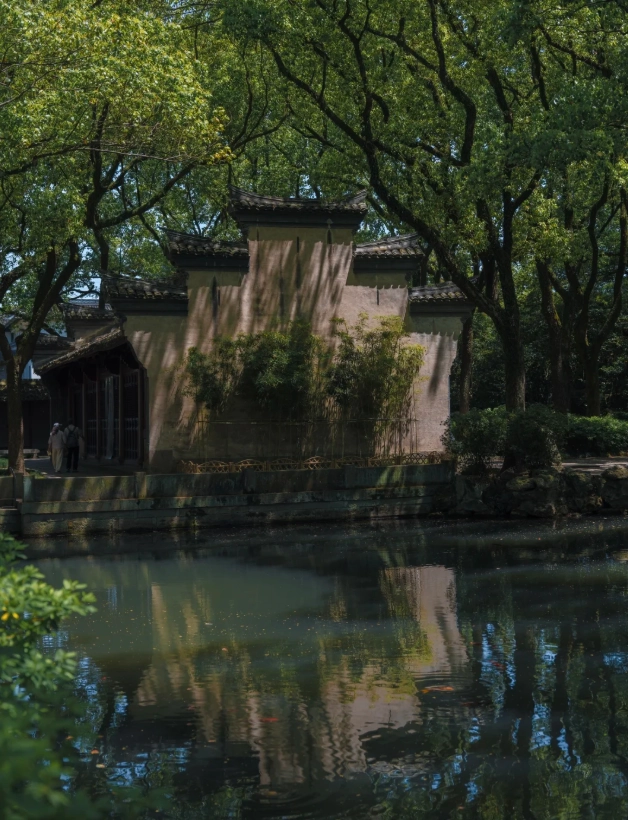
Accessibility at Tianyi Pavilion
The museum is not fully wheelchair-friendly. Traditional Chinese architecture means high stone thresholds, narrow stairways, and some uneven cobblestone paths. The main halls are accessible via ramps, but the upstairs library is only reachable by a steep stairwell. If you have mobility concerns, contact the museum in advance—they do have a wheelchair available, but it's first-come, first-served. In the garden areas, you'll be able to navigate most paths, but expect some bumpy sections.
My Experience Guiding at Tianyi Pavilion
A Mistake I Always Warn My Clients About
The biggest rookie mistake is trying to squeeze Tianyi Pavilion into the same day as the nearby Ningbo Museum. Both are fantastic, but they're on different sides of the city, and each deserves at least half a day. I once had a group insist on doing both in one rainy afternoon. We rushed through Tianyi, missed the hidden Qin family library, and arrived at the other museum drenched and exhausted. Now I always tell travelers: give Tianyi Pavilion its own morning or afternoon. The pace here is meant to be slow—that's the whole point. Take your time, sit on the stone benches, and imagine the generations of the Fan family reading under these very beams.
Another thing I've learned: the best stories hide in the corners. Most visitors rush to the main library building, but the “East Garden” at 10 AM—after the opening rush but before the tour groups—is pure magic. The morning light flashes off the koi pond, and you can hear birdsong. If you go at 10:30, it's still calm. By 11, the tour bus waves start arriving.
Insider Advice: When you visit, ask the staff where the original stone lion is. Many people miss it, but it's one of the oldest pieces in the museum's collection, tucked behind the bamboo grove.
Frequently Asked Questions: Best Time to Visit Tianyi Pavilion Museum
Fact-Check Statement
This content has been fact-checked to ensure informational precision.







No comments yet.