 Fang Wang
What You'll Find Here:
- Quick Verdict: Should You Visit Tianyi Pavilion Museum?
- What Makes Tianyi Pavilion Museum Special?
- How to Get Tianyi Pavilion Museum Tickets and Book Your Slot?
- How to Get to Tianyi Pavilion Museum?
- Best Time to Visit Tianyi Pavilion Museum to Avoid Crowds
- Self-Guided Walkthrough: What to See at Tianyi Pavilion Museum
- Tianyi Pavilion Museum for Kids, Seniors, and Mobility Impaired
- Where to Eat and Drink Near Tianyi Pavilion Museum
- How to Combine Tianyi Pavilion Museum with Other Ningbo Sights
- Insider Tips and Common Mistakes at Tianyi Pavilion Museum
- Tianyi Pavilion Museum: Your FAQs Answered
Let me paint a scene. A couple from California walks up to the ticket booth, glances at the line, and asks me, 'Is this really worth an hour?' Four hours later, they're still hunched over an ancient stone slate in the garden, trying to decode the calligraphy. I've guided this Ningbo gem dozens of times. It's not the flashiest museum in China, but it's sneaky good.
If you're wondering whether Tianyi Pavilion Museum worth visiting is a yes for your trip, here's the catch: it's not about the artifacts — it's about the atmosphere. The book collection is famous, but the whisper of old timber, the stone lions, and the unintended stillness away from Ningbo's industrial buzz are what stay with you.
My quick answer: yes, but only if you enter before 9:30 a.m. or after 2:30 p.m., and skip the overpriced 'cultural tour' offered by touts outside.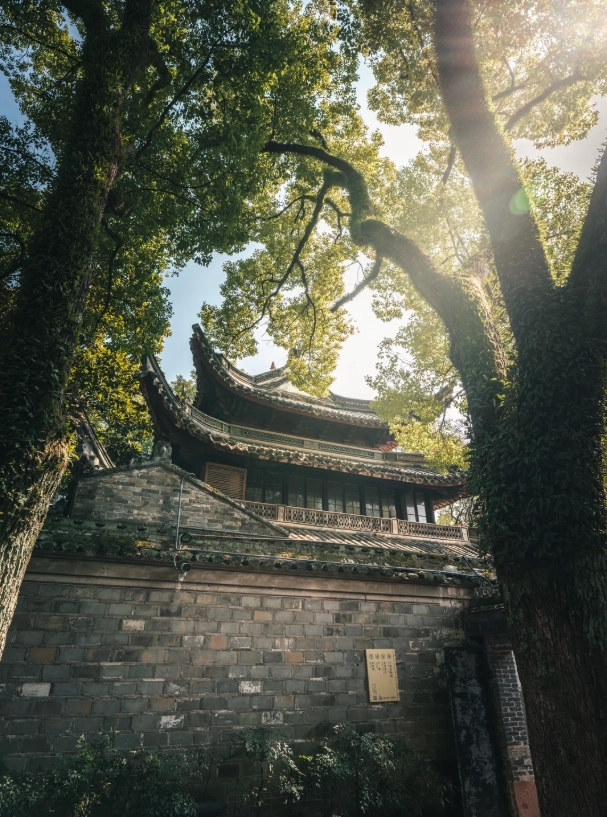
Quick Verdict: Should You Visit Tianyi Pavilion Museum?
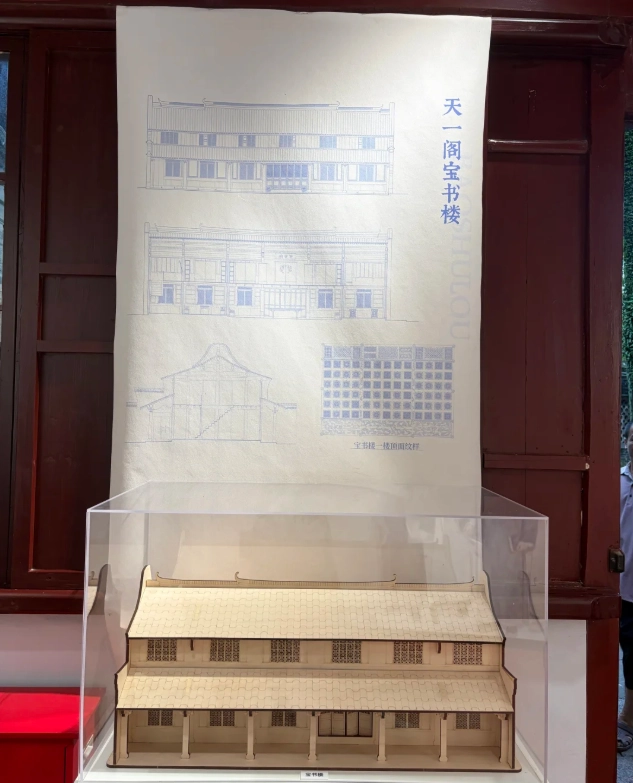
Yes, absolutely — with the right strategy. Tianyi Pavilion (meaning 'One Sky Pavilion') is China's oldest surviving private library, founded in 1561 by the Ming dynasty official Fan Qin. It's not a massive, sterile museum complex. It's a set of centuries-old wooden buildings wrapped around tranquil gardens, ponds, and stone pathways. If you love books, architecture, photography, or simply need a serene break from Chinese city sightseeing, it's a gem. However, if you're expecting grand halls full of national treasures like the Forbidden City, you'll be disappointed. The magic is subtle: a weathered stone tablet, a sliver of light through latticed windows, the sheer feeling of being inside a living piece of Ming history.
For first-time visitors to Ningbo, I'd rank it right up there with the Old Bund and the Lao Waitan as a must-see. It's just not the loudest.
What Makes Tianyi Pavilion Museum Special?
The place is a masterclass in 'less is more' Chinese aesthetics. The core of the museum is the library itself, but the exhibition halls around it weave a story of book culture, printing, and family legacy. Instead of roped-off displays, you get to walk through courtyard after courtyard, peeking into rooms that feel barely touched by time.
One thing that surprised me the first time I went: the stone lions and ancient wells are not replicas. Some date back to the original construction. The garden is particularly lovely — a mix of mossy rocks, koi ponds, and bamboo groves. In spring, the azaleas bloom so vividly you'll wonder if the color is artificial.
There's also a quirky mini-exhibit on the history of Chinese seals and stamps. It sounds niche, but the carved stone seals are genuinely intricate. Look for the large display of 'bookplates' (ownership stamps) used by old collectors — they're tiny pieces of art.
Another hidden highlight: the 'Dongming Caotang', a rebuilt study that was once the meeting spot of the famous Ningbo School of Yangming Philosophy. It's easy to breeze past, but pause here. The reconstructed desk and ink stones give you a strong sense of what a Ming scholar's workspace looked like.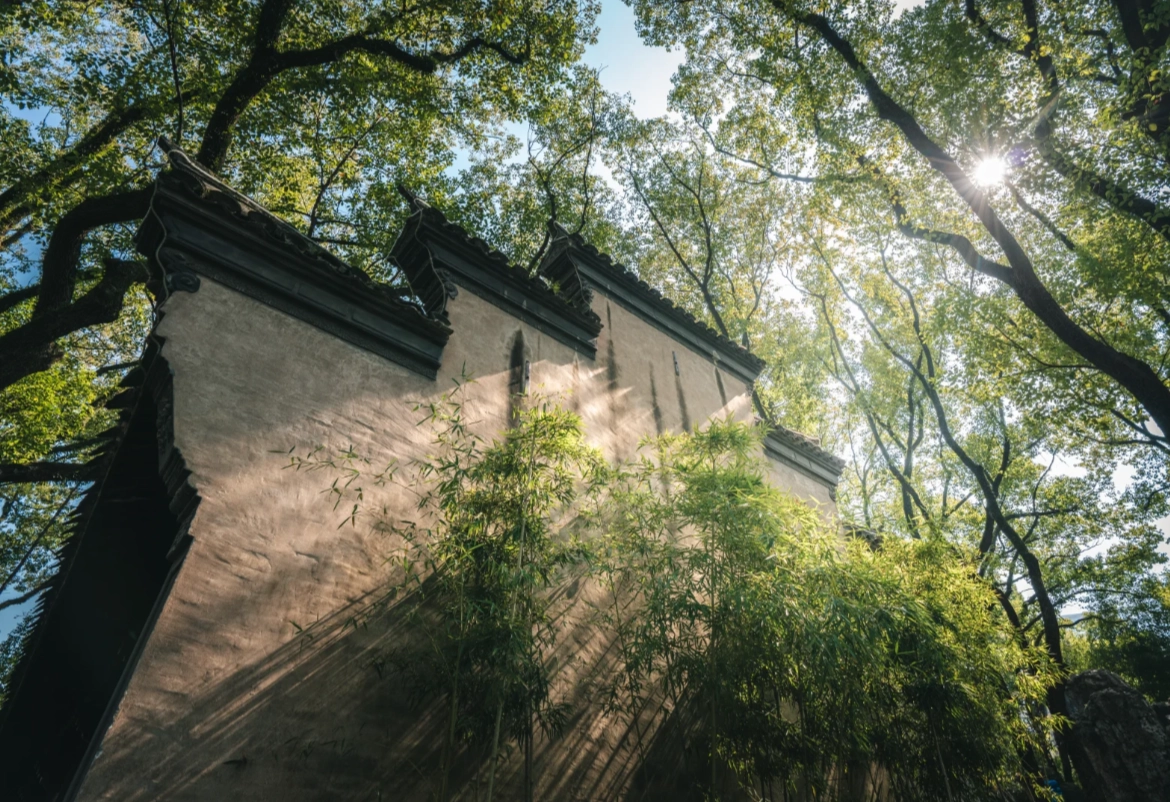
How to Get Tianyi Pavilion Museum Tickets and Book Your Slot?
Tickets are not pre-sold on a foreign-friendly online platform — at least not consistently. You can sometimes find them on Trip.com or Klook, but these third-party bookings often require you to pick up a paper voucher at the entrance. If you want the smoothest experience, just buy at the ticket counter with your passport.
- Ticket Price: Around 30 RMB per adult (roughly 4.5 USD). Kids under 1.2m are free, and students with an international student ID may get 50% off — but the discount is not guaranteed. Seniors over 60 with a passport also get free entry on weekdays.
- Payment: The ticket booth accepts cash, Alipay, and WeChat Pay, but not foreign credit cards. I've seen tourists panic when their Visa didn't work — so bring enough cash or set up Alipay beforehand.
- Booking Requirement: As of my last visit, you don't need to reserve in advance for regular entry. But on national holidays (May Day, National Day October 1-7), they cap daily visitors. In that case, your hotel concierge can help you reserve via the official WeChat mini-program (in Chinese) or you can use a local guide service like China Highlights.
- Passport: Always carry your physical passport. The ticket clerk needs it to issue a paper ticket with your name. Losing it here would be a bureaucratic headache.
How to Get to Tianyi Pavilion Museum?
The museum is tucked in the old center of Ningbo, about 800 meters from the famous Drum Tower (Gulou). Driving is a pain because the lane is narrow, so I always recommend the metro or a taxi that drops you at the south gate (the main entrance).
- Metro: Take Line 1 or Line 2 to Gulou Station. Exit A, then walk south along Jiefang North Road for about 8-10 minutes. You'll pass a few souvenir shops. When you see a white wall with gray tiles on your left, that's the back wall of the pavilion. Turn left into the small alley (Tianyi Street) and the main gate is 50 meters ahead.
- Taxi / Didi: In the app, type 'Tianyi Pavilion Museum' or 'Tianyi Ge'. The driver will know. It's a 5-10 minute ride from Ningbo Railway Station (city center station). Cost around 15 yuan. Note: Didi drivers sometimes drop you at the north side gate which is also OK, but you might not see the grand entrance. Ask to be dropped at the 'South Gate' (Nanmen).
- Bus: Bus lines 9, 10, and 38 stop at 'Tianyi Ge' station. From the stop, walk east along Zhongshan East Road for 3 minutes then turn into Tianyi Street.
Here's a warning for first-timers: do not rely on Google Maps. It's inaccurate in China. Use Apple Maps or the Amap (AMap Global) app. I always tell my guests to screenshot the Chinese address below and show it to a taxi driver:
天一阁博物馆 - 宁波市海晞区天一街10号 (Tianyi Pavilion Museum, No. 10 Tianyi Street, Haishu District, Ningbo)
Best Time to Visit Tianyi Pavilion Museum to Avoid Crowds
The golden window is before 9:30 a.m. or after 2:30 p.m., ideally on a weekday. Most Chinese tour groups hit the museum between 10 a.m. and 2 p.m., so you'll dodge the biggest waves. Also, the morning light is softer and the ponds mirror the buildings with less glare.
I personally love visiting on a light drizzle day. The stone courtyards turn glossy, and the sound of rain on the tiled roofs is almost meditative. The only issue: wooden walkways get slippery, so wear non-slip shoes.
Be prepared for the crowd on weekends. On Saturday mornings, the museum hosts local calligraphy workshops and the courtyard can fill with families. If you hate jostling, adjust your schedule. The quietest slot is likely the last hour before closing (around 4-5 p.m. in summer). Security guards start ushering people out at 4:45, but you'll have the garden almost to yourself.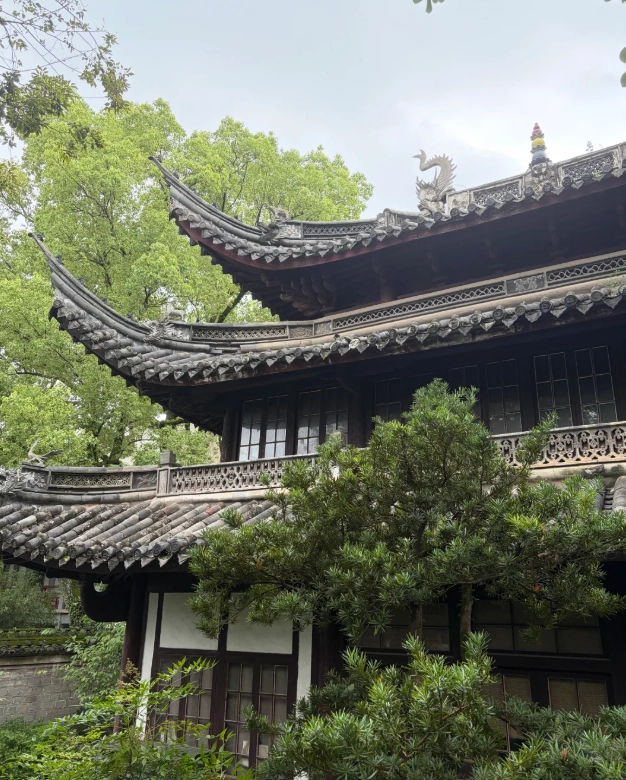
Self-Guided Walkthrough: What to See at Tianyi Pavilion Museum
Plan for at least 2 to 3 hours if you really want to savor it. Rushing through in 1 hour means you'll miss the details that make it special. Here's my recommended route, the one I've perfected over 20+ visits:
- Start at the Main Gate and the stone drum. The two massive bronze seals on either side are worth a photo. Then head straight into the first courtyard — the 'Fan House' architecture exhibit. The ornate wooden brackets (dougong) are original Ming work.
- Cross the small bridge to the library building (Dong Ming Lou). This is the actual ancient library. You can't enter, but you can peek through the lattice windows. Notice the two black lacquered bookshelves inside — they were made to be fire-resistant. The whole library was built using a philosophy of water and fire protection, which is why the pond sits right in front.
- Circle behind the library to the 'Bench' (Shui Te), the ancient well. Look at the stone carvings around the well cap. They're intricate and rarely noticed by tour groups.
- Explore the exhibition halls on the left. One hall covers the history of bookbinding, another displays rare editions of the Ming Dynasty. Don't miss the bamboo scroll case with a hidden compartment — a famous artifact.
- Exit to the second courtyard and walk toward the Stone Pavilion (Shi Yuan). This is the photo-op spot. Here, you'll find a collection of ancient stone tablets (stele) embedded in the walls. The calligraphy is mesmerizing. If you have the audio guide, it will explain the story of the 'Lanting Xu' — the famous preface to the Orchid Pavilion Collection, copied many times.
- Finish in the modern gallery at the back (Aoyun 'Pavilion of the Sea'). This newer building sometimes hosts temporary exhibitions on Ningbo's maritime history. It's a nice contrast to the ancient structures.
My personal favorite spot that most guests miss: the tiny reading room above the 'Mountain and Water Story' rockery. You have to climb a narrow stone stair. It's just a small room with a window overlooking the pond, but sitting there gives you an incredible sense of peace. I often tell clients to sit for 2 minutes and simply breathe.
Tianyi Pavilion Museum for Kids, Seniors, and Mobility Impaired
The museum is not fully wheelchair-friendly, but it's manageable. There are a few steps at almost every courtyard entrance, but staff can sometimes provide a small ramp. The main pathways are made of stone and quite smooth.
For kids, the place might get boring unless you make it a game. My trick: hand them a camera and ask them to find the 'happiest lion' among the many stone lions. The garden has hidden scarecrows, fish, and turtles that can keep them amused. There's also a kids' activity room near the exit — check if it's open.
Seniors will appreciate the many shaded benches. The loop is not too long, but I still recommend taking your time. There are public restrooms near the main gate and at the back gallery — the ones near the main gate get crowded, so use the back ones if you can.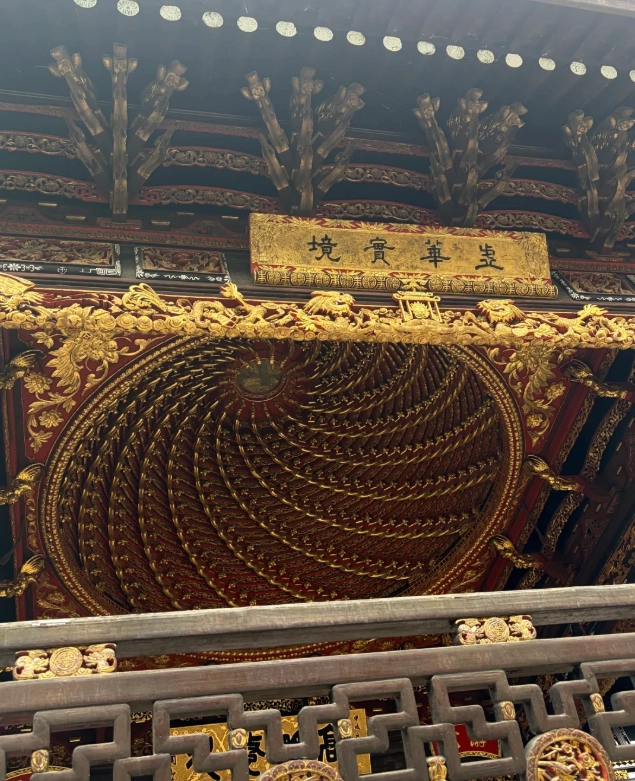
Where to Eat and Drink Near Tianyi Pavilion Museum
You can easily tie this visit to a food stop in Ningbo's old city. Just south of the museum, along Changchun Road, you'll find several local eateries that serve Ningbo's signature coastal cuisine. Here are two that I recommend wholeheartedly:
| Restaurant | Distance | Signature Dish | Price Range | Payment |
|---|---|---|---|---|
| Dongfuyuan (Old Ningbo Cuisine) | 5-min walk | Red braised pork belly, drunken crab | 60-100 RMB per person | Cash, Alipay, WeChat |
| Guanyuan Wang Xiaochi | 7-min walk | Fermented bean curd noodles, crab soup buns | 20-40 RMB per person | Cash, Alipay, WeChat |
Both places are casual and have picture menus. I usually order the red braised pork belly at Dongfuyuan — it's sticky, sweet, and melts in your mouth. The 'drunk crab' is a raw crab marinated in yellow wine; it's a delicacy but can be an acquired taste. Avoid it if you have a weak stomach.
If you fancy a coffee break, there's a small cafe inside the museum's west garden called 'Moji' (墨迹). They serve a decent latte and a matcha green tea cake. Prices are higher (around 35 RMB for coffee) but the view of the courtyard is worth it.
How to Combine Tianyi Pavilion Museum with Other Ningbo Sights
This museum sits perfectly within a half-day walking route. Here's a practical morning plan that I've used with dozens of groups:
- 8:30 a.m. - Tianyi Pavilion (arrive at opening time to beat crowds).
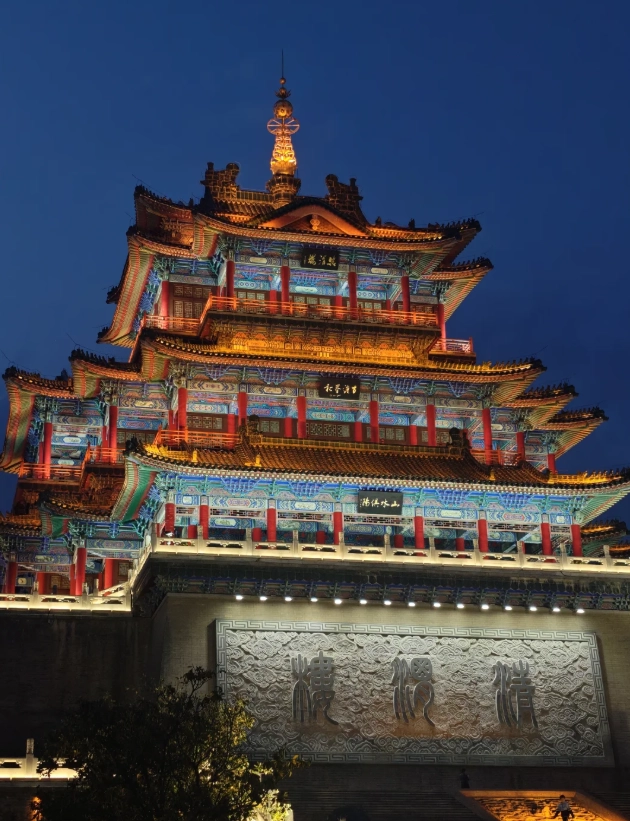
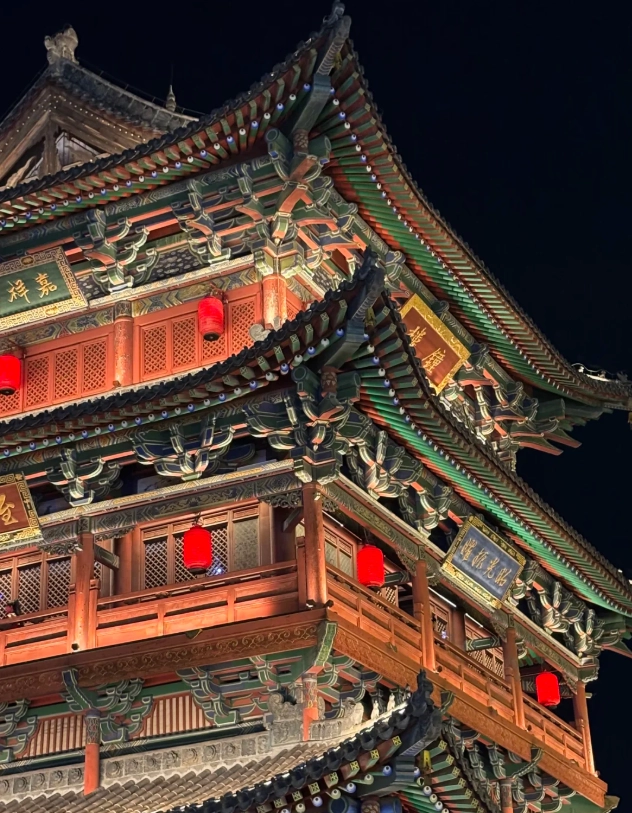
- 11:00 a.m. - Walk north to the Drum Tower (about 10 minutes). Climb the tower for a city view, and browse the small shops at its base.
- 12:00 p.m. - Lunch in the Old Bund area (take a taxi or bus, about 10 minutes). Try a local seafood hotpot.
- 1:30 p.m. - Check out the Old Bund (Lao Waitan) — a riverside strip of colonial buildings, now filled with cafes and boutique stores. Extend this if you enjoy riverside strolls.
If you prefer a slower pace, you can easily fill an entire day with the Tianyi Pavilion, Ningbo Museum (about 20 minutes away by car), and the Dongqian Lake area. For art lovers, the Ningbo Art Museum on the river is a quick visit.
Insider Tips and Common Mistakes at Tianyi Pavilion Museum
Here's the stuff that no guidebook tells you:
- The ticket counter doesn't issue a combined ticket with the Drum Tower anymore — that's only for groups. Don't be fooled by locals selling 'fast passes'.
- Photography is allowed everywhere except the special exhibitions. The low light inside ancient rooms is tricky — you'll need a camera with a wide aperture or a phone with night mode. My tip: don't use flash, it annoys the wardens who are actually quite strict about it.
- Watch out for the 'random' painting brushes and scrolls in the souvenir shop near the exit. They are decent but heavily overpriced. I buy my gifts at the smaller stall near the Stone Pavilion instead — same quality, 30% cheaper.
- The public WCs near the main gate are always busiest in the morning. There is a less-used restroom next to the modern gallery at the back.
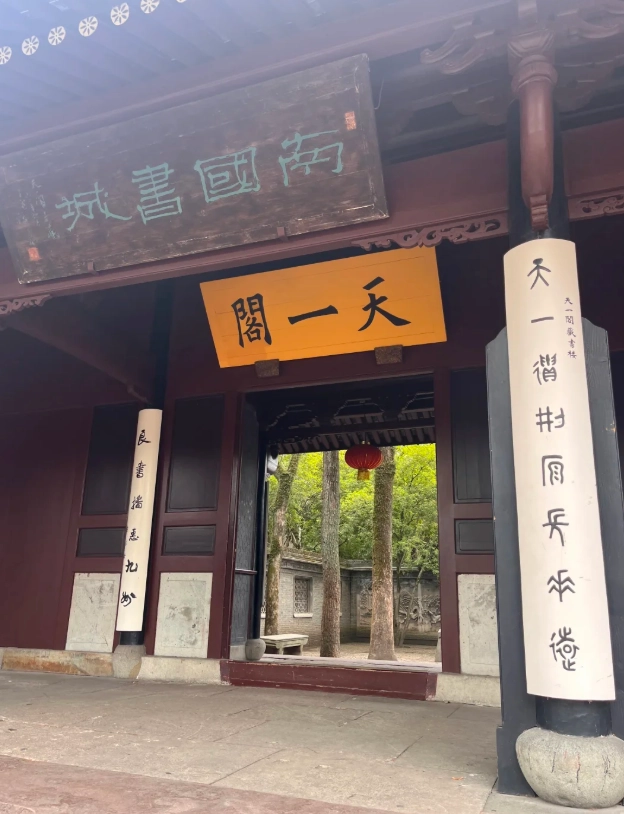
Pro Tip: On rainy days, the water drips from the eaves and can soak your shoes quickly. I always bring an extra pair of socks in my daypack for guests. Also, the stone courtyards get extremely slippery — wear shoes with good grip.






No comments yet.