 Tao Xu
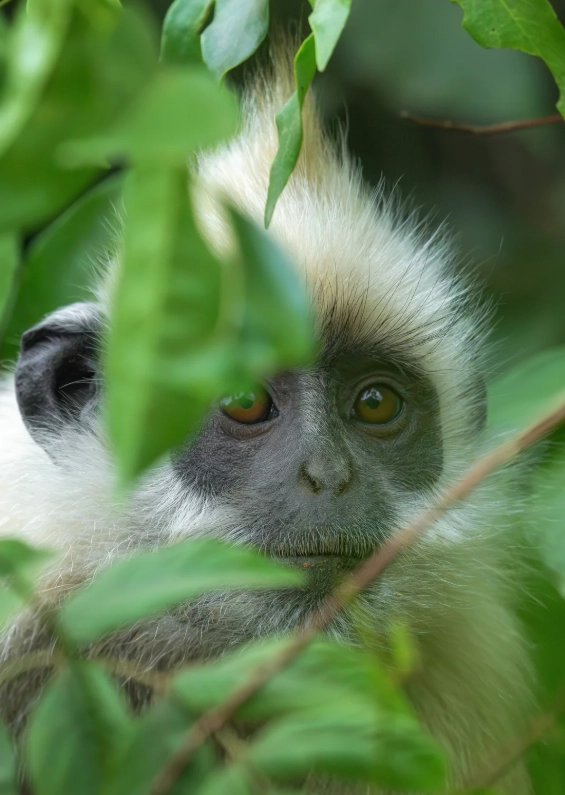
Mist. Rain. No monkeys. I've watched that exact disappointment wash over tourists after a 90-minute drive in July. The trip wasn't the issue — the timing was. Let me save you the same regret: the best time to visit White-headed Langur National Nature Reserve is from October to April, with the sweet spot landing between November and February. That's when the trails dry out, the air is crisp, and the langurs — especially the dazzling orange babies — are most active. If you want the short answer, plan an early morning visit in late November. Keep reading, because there's a lot more to nail down.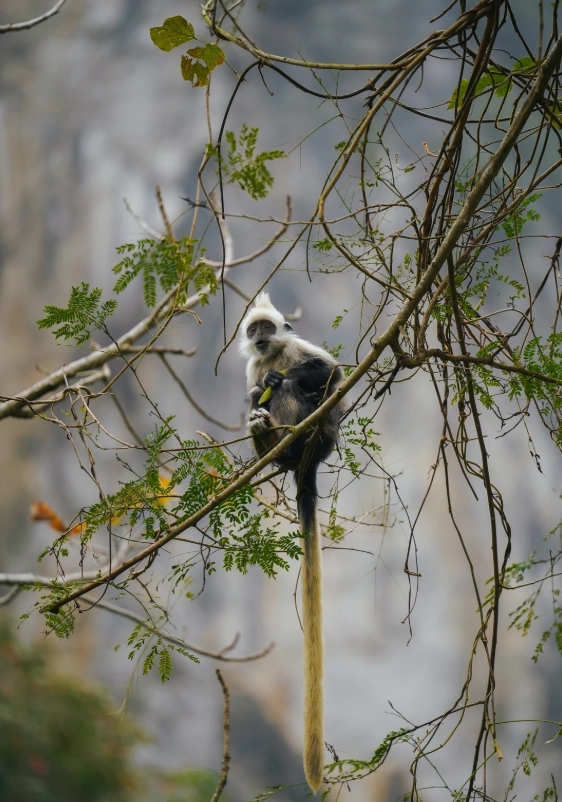
Why the Best Time to Visit White-headed Langur Reserve Depends on the Season
The reserve sits in a subtropical monsoon zone near Chongzuo, in southwest Guangxi. That means two starkly different seasons. I always tell my clients: you wouldn't hike the Grand Canyon in a monsoon, so don't do the same here. The season isn't just about comfort — it directly affects your odds of seeing the langurs.
The Climate Split: Dry vs. Wet
The dry season (October to April) is your friend. Rain is scarce, trails are firm, and the forest canopy is thinner, making the white-headed langurs easier to spot as they feed on leaves and fruit. In the wet season (May to September), heavy rain can wash out roads, obscure views, and send langurs deeper into the canopy. I've had afternoons where the only wildlife I could find was a soaked backpack.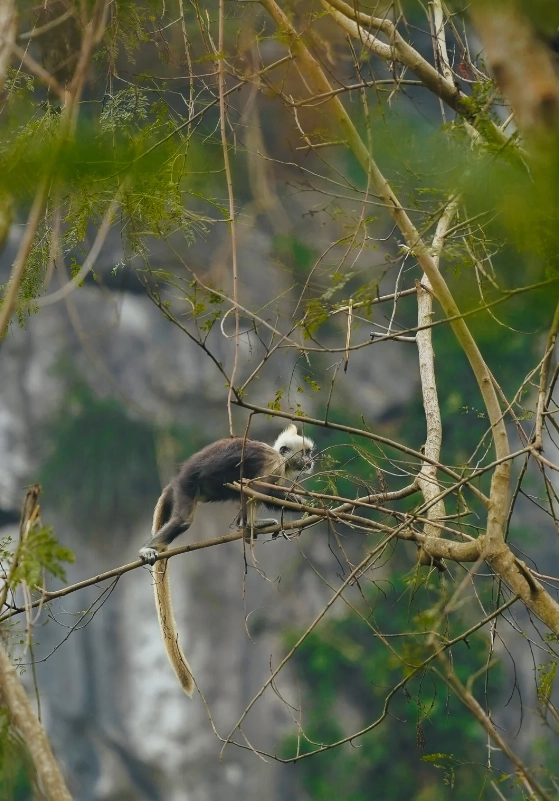
| Season | Months | Weather | Trail Conditions | Langur Sighting |
|---|---|---|---|---|
| Dry | Oct – Apr | Cool, low humidity | Firm, dry | Excellent |
| Wet | May – Sep | Hot, humid, heavy rain | Slippery, muddy | Poor to fair |
Why October to April Is More Than Just Weather
Langurs are more likely to stay near the reserve's established trails when it's dry. During the wet season, they roam wider to find fresh growth, making them unpredictable. I've also noticed that in the dry season, the langurs descend to lower slopes in the morning to drink from streams — a perfect viewing window. If you come in summer, you'll likely see just a few distant silhouettes or, in a downpour, nothing at all.
Insider Advice: The reserve's official staff often hold patrol logs. If you can, ask at the entrance about recent sightings — it's a goldmine for planning your walk.
The Best Time to Visit for Seeing Baby Langurs: October to April
Let's be honest — the orange-furred babies are the highlight. I've led dozens of tours, and the moment a baby langur peeks out from its mother's chest is pure magic. To catch this, you need to know the breeding cycle.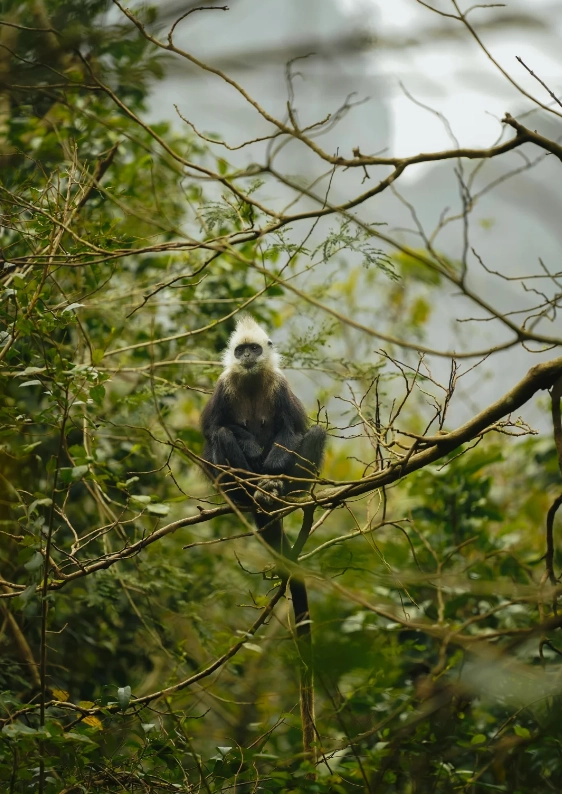
When Are Baby Langurs Born?
Most births occur between November and February, with a peak in December and January. That means October to April is your window — but late November to February gives you the highest chance of seeing newborns. The golden-orange coat of infants stands out against the gray adult fur, making them easier to spot in the bare winter trees. I've seen as many as three babies in a single morning trip.
Why This Window Also Wins on Comfort
Temperatures during this time hover around 15-22°C (59-72°F), ideal for hiking. The humidity is low, so you won't be drenched in sweat. Plus, fewer visitors come in the off-peak months, so you'll have the viewpoints almost to yourself. In contrast, the May-October rainy season brings high heat and relentless mosquitoes — I've had clients jump out of the trail after a few bites.
What Is the Best Time of Day to Visit the Reserve?
Even in the ideal season, you can ruin the experience by arriving at noon. I've seen it happen — bright sun, sleepy langurs, and empty trails. The park's opening hours are technically 8:00-18:00, but the real magic happens early and late.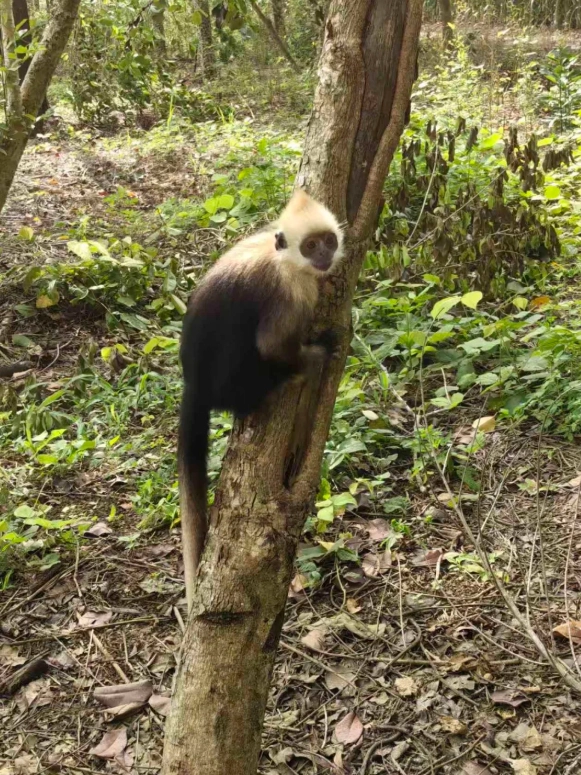
Morning vs. Afternoon: Which One Wins?
Morning wins, hands down. The langurs start foraging right after dawn, usually between 6:30 and 8:00 a.m. They move to lower elevations, giving you clearer views. By 9 a.m., they often retreat to shaded trees. Afternoon sightings are hit-or-miss — you might catch the tail end of their activity around 4 p.m., but it's less predictable. I always aim to be at the main trailhead by 7:30 a.m., and I've never regretted it.
Photography Light Tips
Early morning light is gentle and golden, perfect for capturing the langurs' expressive faces. Keep in mind that the sun rises behind the karst peaks, so there's a warm halo effect around the cliffs. By mid-morning, the light gets harsh and flat — not ideal. If you're into video, set up your tripod near the main observation point by 7 a.m. to get that wet-foliage sparkling look.
How to Plan Your Visit: Tickets, Getting There & Insider Tips
Now that you know when to go, here's the essential logistics. No fluff — just what I've learned from years of bringing travelers here.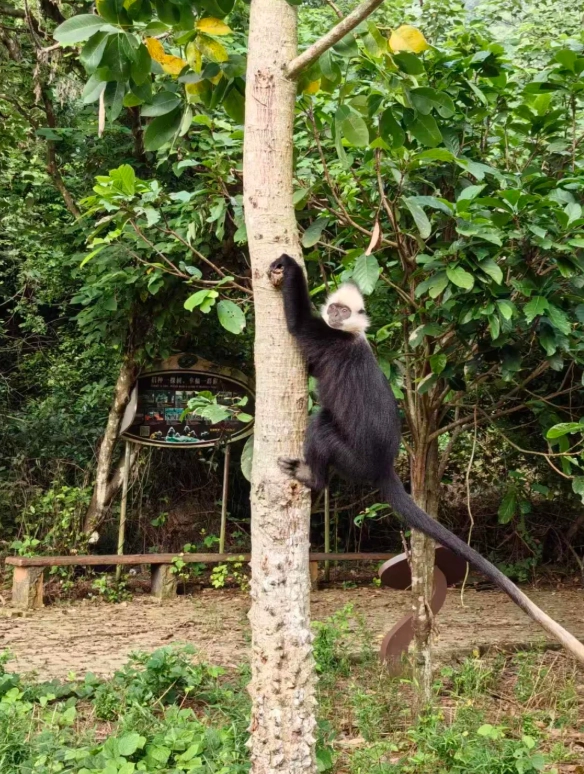
Ticket Prices and How to Book
Admission is roughly 80 RMB (about $11) for adults, with a scenic shuttle costing another 30 RMB. The park requires you to book in advance. Foreigners can book through [Trip.com](https://www.trip.com) or [Klook](https://www.klook.com) — both have English interfaces and accept international cards. You'll need your passport number for the real-name registration. If you're not savvy with apps, ask your hotel to book for you — it's a common request. Barring that, the official WeChat mini-program works, but it's in Chinese only. WeChat Pay or Alipay are required; cash and international credit cards are usually not accepted at the ticket booth, so make sure your digital wallets are set up.
Getting to the Reserve from Chongzuo City
The reserve is about 25 kilometers south of Chongzuo's city center. A taxi or private car takes 40-50 minutes and costs around 120-150 RMB one-way. Don't rely on Google Maps — it's unreliable in China. Use Apple Maps or the [AMap Global](https://www.amap.com) app, and type in the Chinese address: 广西崇左市江州区罗白乡白头叶猴国家级自然保护区. Show this to your driver if needed. If you're adventurous, there's a local bus from Chongzuo Bus Station to Luo Bai Township, but it's infrequent and drops you 6 km from the entrance — not worth it unless you're a hardcore budget traveler. I always recommend a taxi or hiring a driver for the day (around 300 RMB return with waiting time).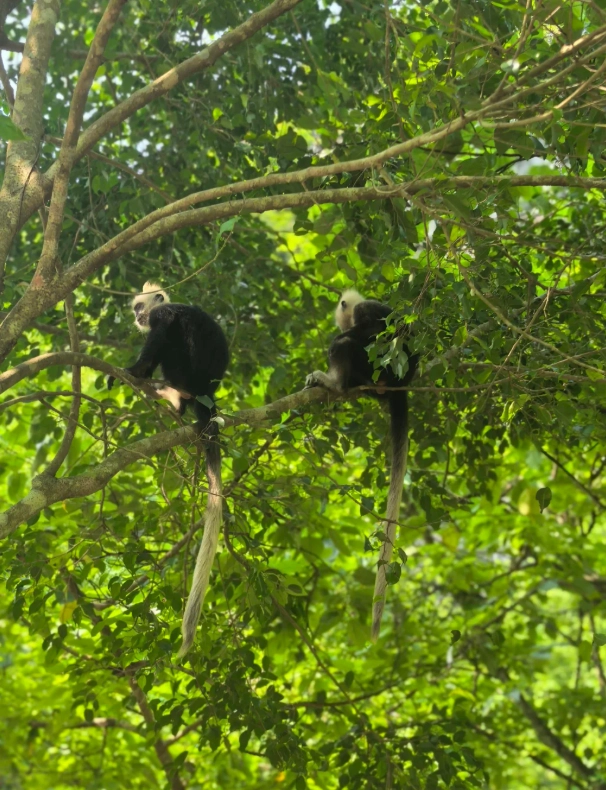
What to Bring and Wear
- Long pants and long sleeves — the forest has plenty of insects, even in winter.
- Closed-toe shoes with decent grip; trails can be uneven.
- Binoculars — essential for spotting langurs at a distance.
- Water and a light snack, but no plastic bags — they spook the langurs.
- Environmental protection — no flash photography.
- VPN and translation apps — needed for navigation and any signage.
Insider Tips to Avoid Crowds and Tour Traps
The main entrance gets busy with school groups on weekends. Go on a weekday, ideally Tuesday or Wednesday, to have the place more to yourself. Also, avoid Chinese national holidays (the first week of October, Labor Day, and Spring Festival) — the reserve can get swamped and langurs retreat even further.
Real talk: The ranger station has a toilet, but it's not the cleanest. Use the one at the visitor center before you enter the trail. It saves you a lot of awkwardness.
One more thing: don't over-plan. Some visitors try to storm the entire reserve in 2 hours and then complain they saw nothing. I usually allocate 4-5 hours, moving slowly, stopping frequently, and letting the langurs come to us. Patience is the real key.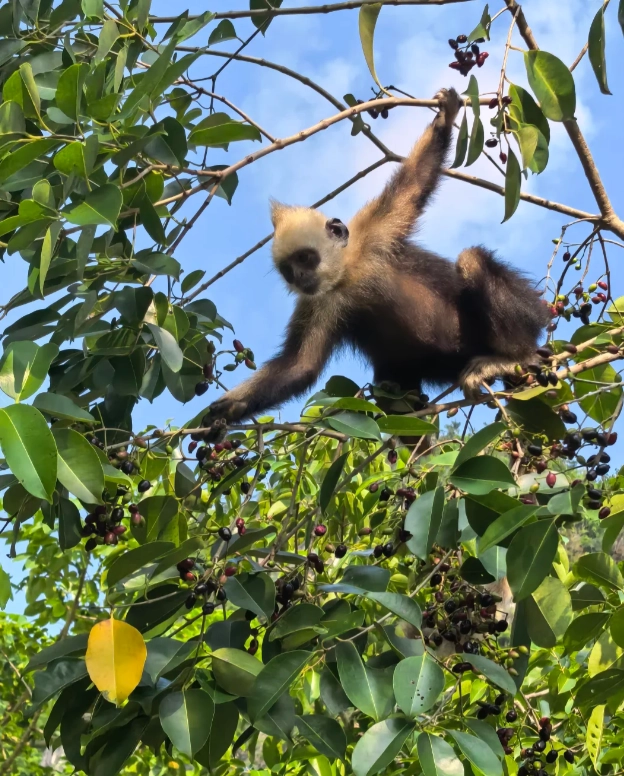






No comments yet.