 Tao Xu
I still remember the first time I brought a group to the Ban Gioc-Detian Transnational Waterfall. Everyone gasped as the water thundered across the border. But then came the hard part: where to stay. The area is remote, and bad lodging choices can ruin the trip. After guiding dozens of tours here, I know exactly which bases work best for foreign travelers.
📌 Quick Guide: Where to Sleep
Why Your Choice of Base Matters for Ban Gioc-Detian Waterfall
Unlike popular tourist spots in big cities, accommodation options near this waterfall are scattered across two countries. The waterfall sits right on the border between China and Vietnam. On the Chinese side, it's called Detian Waterfall; on the Vietnamese side, Ban Gioc Waterfall. With limited public transport and long distances between towns, your choice of base determines how early you can get to the falls, how much you spend, and even whether you need a visa for two countries.
I always tell my clients: don't treat this as a day trip from a faraway city unless you enjoy 6 hours of driving. The falls are stunning at sunrise, and staying overnight lets you beat the crowds and stay for the golden hour. So, yes, choose your base wisely.
Where to Stay Near Ban Gioc-Detian Waterfall: 3 Best Areas
After countless trips, I've narrowed down the best bases to three options, each with its own vibe and trade-offs. I'll keep it very practical.
1. Shuolong Town (Chinese Side) — Most Convenient
Shuolong (硕龙镇) is the closest town to Detian Waterfall on the Chinese side. It's a small border town with a handful of guesthouses and family-run hotels. You can walk to the waterfall entrance in about 20 minutes or take a local electric cart for 5 CNY. The town itself is nothing fancy—just a single main street with restaurants selling local Guangxi cuisine. But its location is unbeatable.
Staying here means you're only 1.5 km from the ticket gate. I usually book a simple guesthouse here for clients who want to catch the sunrise without a long ride. Prices are very kind to backpacks: expect 150–300 CNY per night for a clean room. There's no nightlife, and English is practically nonexistent, but hey, that's why I'm here. For meals, look for stalls serving 螺蛳粉 (river snail rice noodles) and 竹筒饭 (bamboo rice). They accept cash and WeChat Pay, but rarely credit cards.
Pro Tip: From Shuolong, you have to buy the park ticket at the official entrance. Foreigners need your passport for the real-name registration. Arrive before 9 AM if you want the light to be on your side.
2. Ban Gioc Village (Vietnamese Side) — Closest to the Falls
If you're entering from Vietnam, the village of Ban Gioc (also called Trung Khanh) is right at the northern edge of the falls. You can actually see the cascade from your homestay window. This is the ultimate “stay in nature” experience. There are a few rustic homestays run by local families. They offer basic rooms with mats, mosquito nets, and shared bathrooms. It's not for everyone, but the vibe is unforgettable.
I stayed at a homestay here one time, and the owner cooked a fish he caught the same morning in a canh chua (sour soup). You wake up to the sound of water and birdsong. Prices are around 150,000–250,000 VND per night ($6–10). Here's the catch: these homestays are extremely basic. Don't expect reliable hot water or WiFi. And you must carry cash in dong; card payment is unheard of.
On the flip side, you'll be the only tourists after 5 PM when the day-trippers leave. The waterfall views from the Vietnamese side are closer to the foot of the falls, so you get a different, more intimate perspective.
3. Cao Bang City (Vietnam) — Best for Comfort & Flexibility
Cao Bang is a proper city, about a 1.5-hour drive from the Vietnamese side of the falls. If you want real hotels, good restaurants, and a glimpse of local city life, this is your base. The city offers a handful of hotels with international amenities—elevators, WiFi, and staff who might speak English. Prices from 300,000 to 800,000 VND ($13–35) depending on the season.
From Cao Bang, you can rent a motorbike or hire a driver for the day. The road to Ban Gioc is scenic but winding. I suggest hiring a private car (about 1,200,000 VND round trip) if you're not comfortable riding a motorbike. There are also local minibuses from the central bus station, but they leave irregularly and fill up fast. In Cao Bang, you'll find better restaurants, including pho stalls and coffee shops. Many locals speak a bit of French, but little English. Payment by cash is king; some hotels accept credit cards, but always have dong on you.
Comparing Your Options: Which Base Should You Pick?
To help you decide quickly, I've created a comparison table based on my personal experience.
| Base Area | Distance to Falls | Price Range / Night | Best For | Transport Options |
|---|---|---|---|---|
| Shuolong (China) | ~1.5 km to main gate | $20–40 USD | First-timers, sunrise chasers | Walk, electric cart |
| Ban Gioc Village (Vietnam) | ~0.3 km (walk) | $6–10 USD | Budget backpackers, nature lovers | Walk |
| Cao Bang City (Vietnam) | ~50 km (1.5 hr drive) | $15–35 USD | Comfort seekers, longer stay | Motorbike, taxi, minibus |
Now let me save you some money. If you're on a tight bucket-list trip and only have one day, stay in Shuolong. It's the easiest, most direct option. If you want the most dramatic sunrise and don't mind roughing it, pick Ban Gioc Village. And if you're traveling with a larger budget or need decent WiFi to work, Cao Bang City is your best bet.
Top Hotel Recommendations Near Ban Gioc-Detian Waterfall
Since I can't list every property (I'd need to update this every year), I'll tell you what worked for me and my groups. For specific names, always check Booking.com or Trip.com which have a decent inventory. Filter by “guesthouse” or “homestay” for authentic experiences.
Shuolong (China) — Best for Budget & Location
- Detian Waterfall Resort — Right by the entrance, clean rooms, around $30-40. Also has a restaurant.
- Shuolong Sunshine Hotel — A reliable mid-range pick, about $25-35, with hot water and decent beds.
- Tip: Look for places along the main street; they all share the same convenience.
Ban Gioc Village (Vietnam) — Best for Homestays
- Ban Gioc Homestay — Run by a lovely family, around $7, includes breakfast. They can help you arrange boat rides.
- Trung Khanh Eco Lodge — Slightly more upscale (still cheap), with traditional stilt houses and better facilities.
Cao Bang City (Vietnam) — Best for Amenities
- Cao Bang Luxury Hotel — 3-star comfort, around $30-40, with Western-style breakfast.
- Hanoi Plaza Hotel Cao Bang — Mid-range, nice pool, close to local markets.
I always advise against booking from random websites. Use reputable platforms with verified reviews. For China, Trip.com is your friend; for Vietnam, Booking.com works well. And always confirm your passport details when booking local homestays.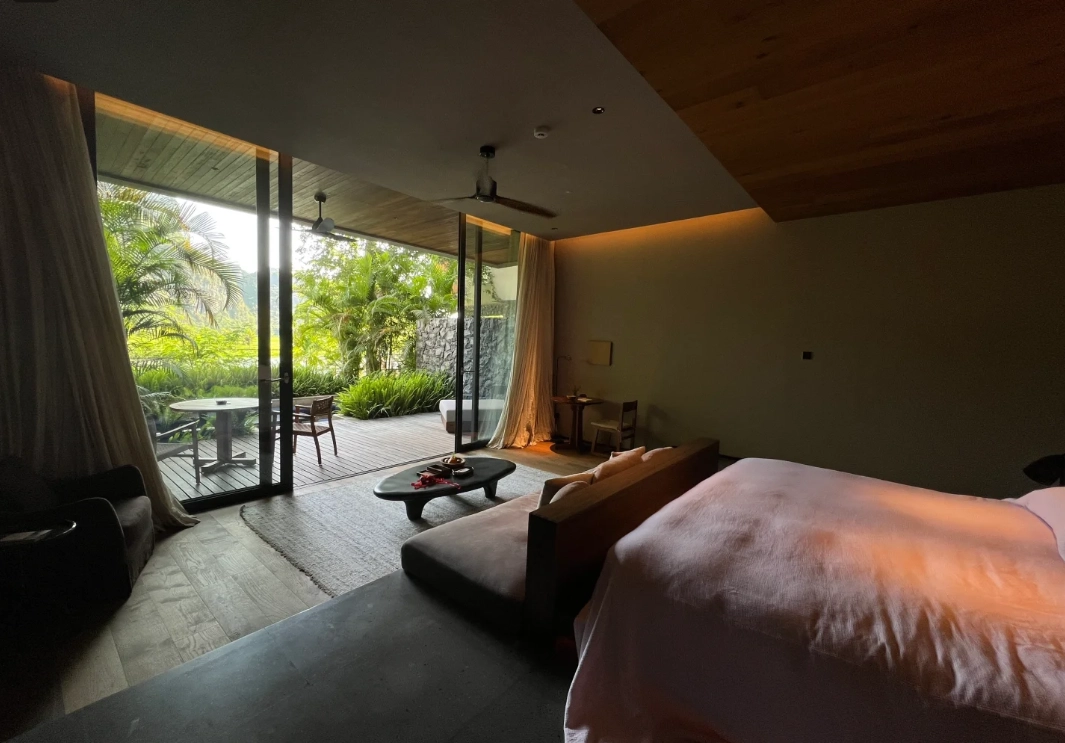
How to Get Around When Staying Near Ban Gioc-Detian Waterfall
Each base offers different transportation options, so here's the lowdown.
From Shuolong (China):
- Walk to the Detian waterfall entrance (15-20 min) or take the electric cart (5 CNY).
- Taxis and private cars are rare; most guests use the hotel's shuttle or book a driver for the day.
- To go back to Chongzuo or Nanning, there are buses from Shuolong bus stop, but schedules are limited. I recommend a private car transfer (approx. 300-400 CNY from Shuolong to Chongzuo train station).
From Ban Gioc Village (Vietnam):
- You can walk to the Vietnamese viewpoint in 5 minutes.
- To explore other nearby caves (Nguom Ngao), rent a motorbike from your homestay for 100,000 VND/day.
- To reach Cao Bang town, catch a motorbike taxi or ask your homestay to arrange a car (around 600,000 VND).
From Cao Bang City (Vietnam):
- Hire a private car for the day (1,200,000 VND) or rent a motorbike (100,000 VND/day) for more independence.
- Public minibuses to Trung Khanh leave from the central bus station daily at around 7 AM and 1 PM. The trip takes 1.5 hours and costs ~50,000 VND. But you'll have to return same day, so not ideal for sunrise.
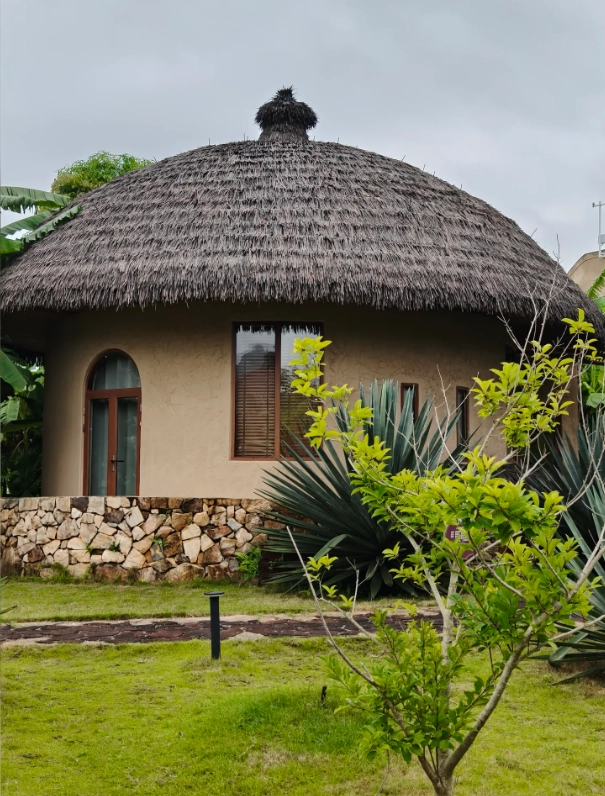
Insider Advice: Do not rely on Google Maps in China. It simply won't work well. Download the high-definition map area in Amap (高德地图), or use Apple Maps if you're on iOS. In Vietnam, Google Maps works fine.
Practical Tips for Foreigners Staying Near the Waterfall
These tips sound small, but they can make or break your stay.
- Payment: In China, everyone uses WeChat Pay or Alipay. International credit cards are rarely accepted in small towns like Shuolong. Bring RMB cash as a backup (hotels might help exchanging). In Vietnam, carry Vietnamese dong; many places don't accept cards.
- Navigation: Use Amap (China) or Google Maps (Vietnam). Save offline maps before you arrive. Always have the hotel's name written in Chinese/Vietnamese to show taxi drivers.
- Booking: For the waterfall itself, you may need to pre-book tickets. In China, use Trip.com or ask your hotel to help with the WeChat mini-program. Have your passport ready for real-name verification.
- Language: Both border regions have limited English. Download an offline translation app (like Baidu Translate or Google Translate). Learning a few basic phrases in Vietnamese (e.g., “Xin chào”) and Chinese (“你好”) will get you warm smiles.
- Internet: You absolutely need a VPN if you plan to use Google, WhatsApp, Instagram, etc., while on the Chinese side. Vietnam doesn't block these, but the speeds can be spotty. Buy a local SIM card for reliable data.
- Weather: The waterfall area is rainy from May to September. Pack a waterproof jacket and good waterproof shoes. Sunset photo spots fill up by 5 PM, so come early to secure your angle.
One thing I always tell my clients: check your hotel's check-in time. Many guesthouses in Shuolong are family-run and close their doors at 9 PM. If you're arriving late, let them know in advance with your flight/train info.
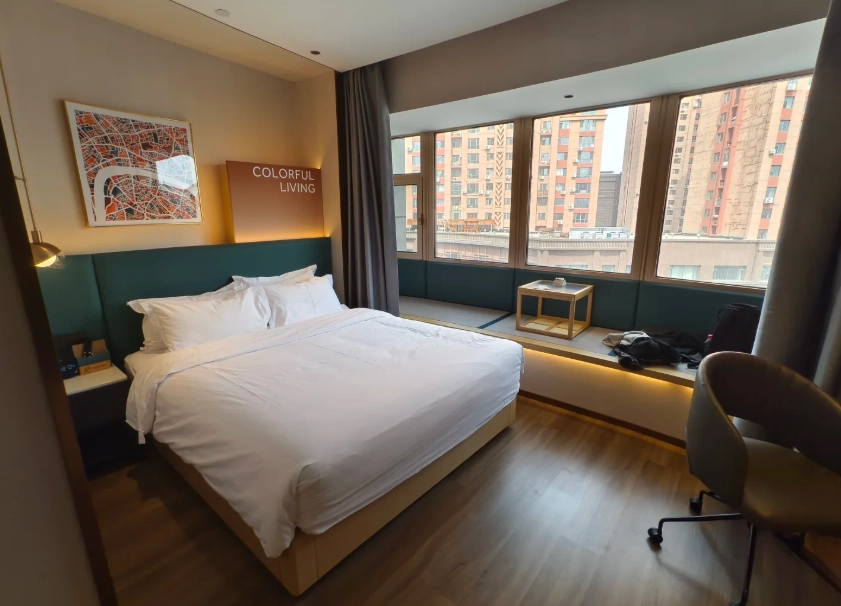
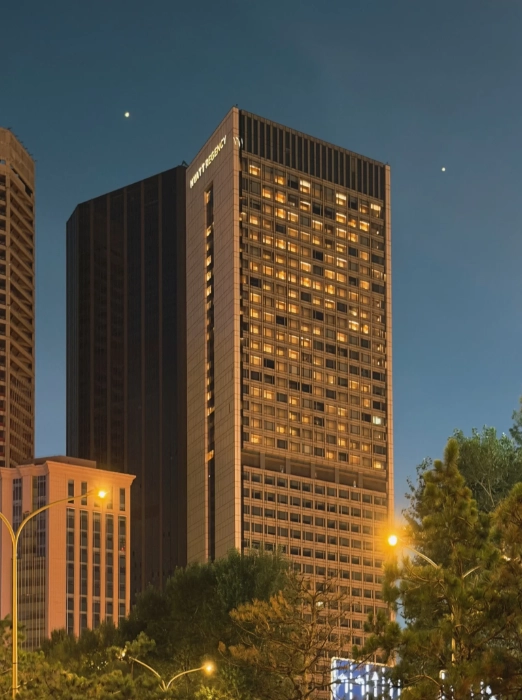





No comments yet.