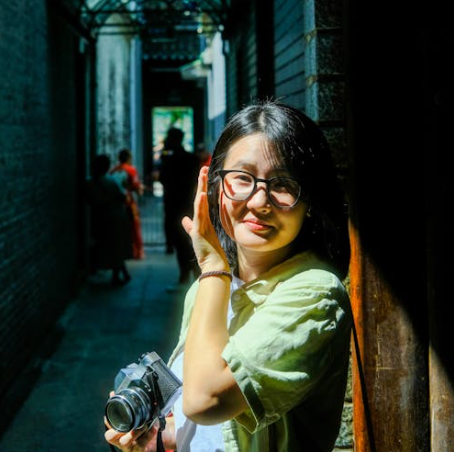
 Ting Chen
What's Inside? Tap to Jump
Your head pounds. The air's too thin to think. Then—a whiff of charred yak fat and spice. That's the moment Shangri-La decides to feed you.
I've led trips here for a decade, and I've watched tourists waste their first day on bland hotel buffets. Don't. The real Shangri-La is at the smoky street stalls of Dukezong Old Town, where grannies flip momos in oil-stained woks.
So, what to eat in Shangri-La? Nope, don't go straight for the fancy cordyceps soup. Start with a simple plate of yak momos and a cup of sweet butter tea. Then, if your stomach whispers 'more,' dive into a steaming thukpa.
Here's your ultimate quick win: head straight to Moonlight Square between 4–6 PM, when vendors fire up their charcoal grills. The queue looks chaotic, but it moves fast. Grab a skewer of grilled yak, sprinkle on the cumin-salt mix, and thank me later.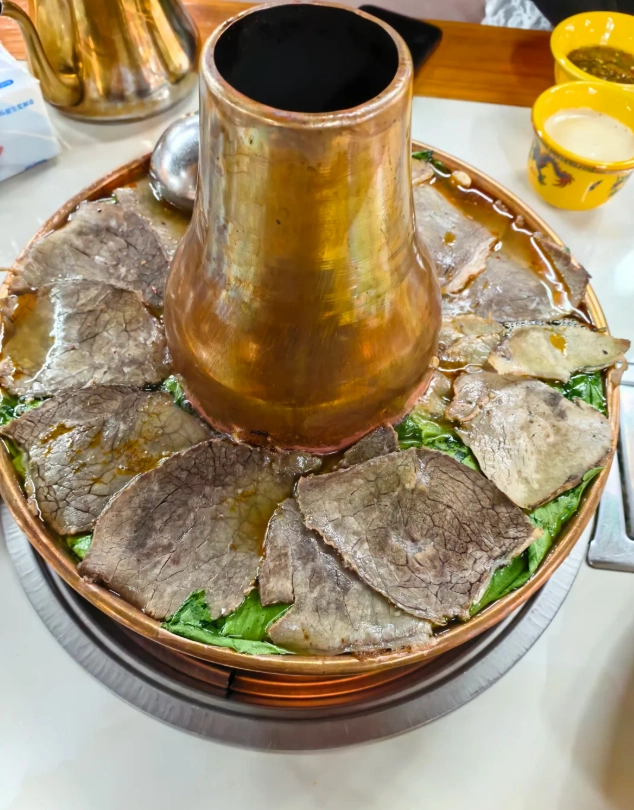
What to Eat in Shangri-La: 12 Must-Try Dishes
Let's cut through the noise. Not everything with a Tibetan label is worth your money. I've ranked these based on years of feeding tired, dizzy, altitude-sick travelers. The list goes from "find it now" to "try if you're brave."
| Dish | Flavor Profile | Est. Price (RMB) | Where to Find It |
|---|---|---|---|
| Momo (Tibetan dumplings) | Savory, juicy yak or veggie filling wrapped in soft dough. Steamed or fried. Pairs with spicy chili dip. | 15–30 per plate | Any street stall in Dukezong |
| Butter Tea (Po Cha) | Salty, creamy, and an acquired taste. Made with brick tea, yak butter, and salt. | 10–20 per cup | Most restaurants; try at a local's home if invited |
| Tsampa (Roasted Barley Flour) | Nutty, earthy. Often eaten mixed with butter tea into a paste. | 5–10 per bowl | Breakfast spots and mom-and-pop shops |
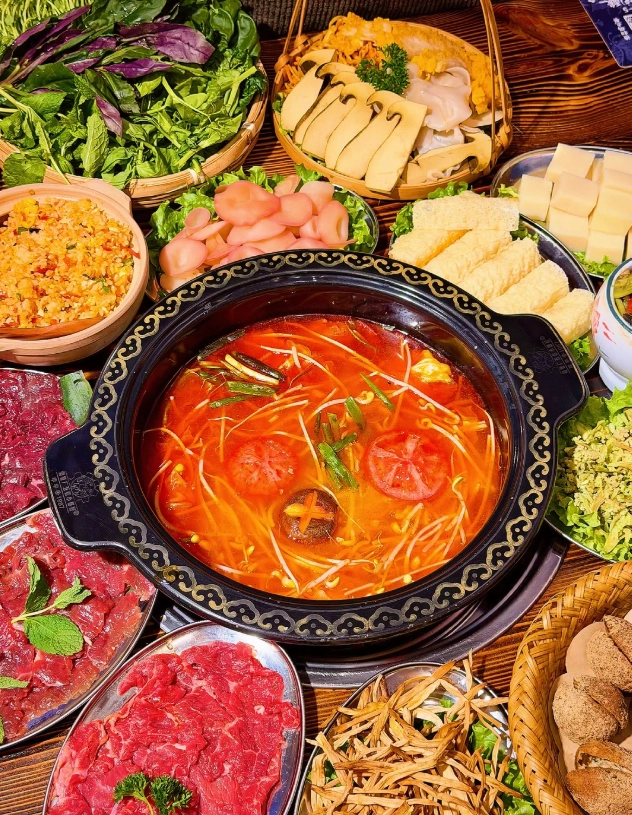
| Yak Hot Pot | Savory broth; tender yak slices, vegetables, and tofu simmered at your table. | 80–150 per person | Dedicated hot pot restaurants |
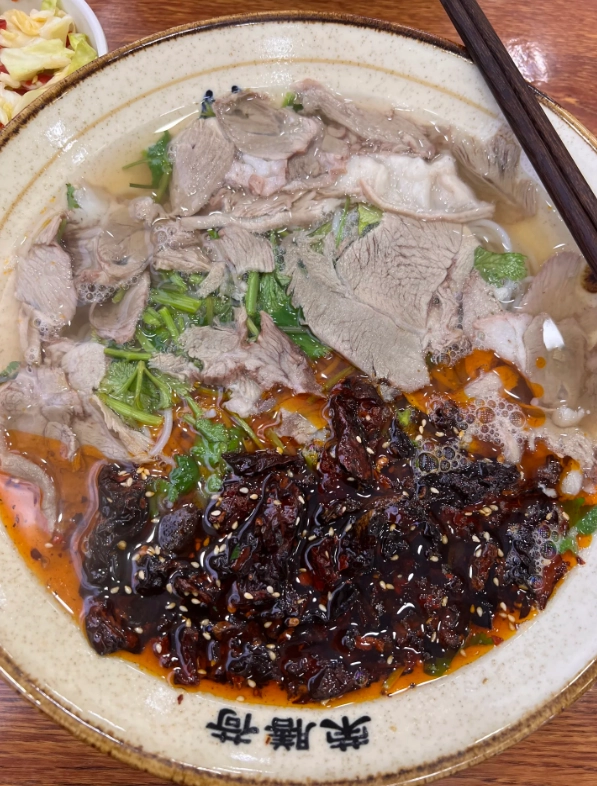
| Thukpa (Tibetan Noodle Soup) | Comforting, brothy, with hand-pulled noodles, yak meat, and greens. | 15–25 per bowl | Noodle shops inside the old town |
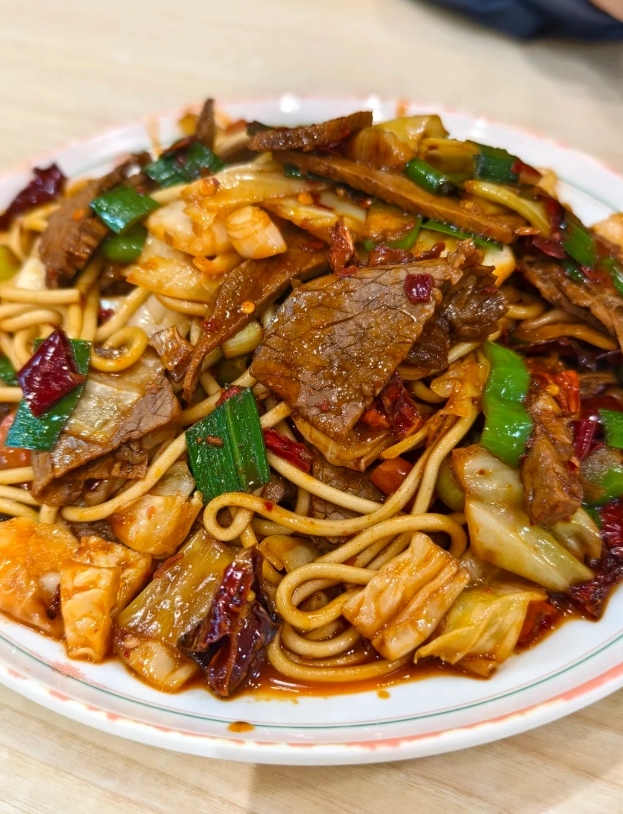
| Shapta (Fried Yak Slices) | Chewy, savory, stir-fried with onions, chilies, and cumin. | 35–50 per plate | Tibetan restaurants |
| Lepsha (Air-Dried Yak Meat) | Chewy, intensely savory jerky. High like beef jerky but denser. | 40–60 for a small plate | Street vendors |
| Tibetan Yogurt | Tangy, thick, often served with a drizzle of honey. | 10–15 per cup | Cafes in Dukezong |
| Potato Cheese Pie | Comforting, crispy pastry with creamy yak cheese inside. | 10–20 per slice | Snack stalls |
| Blood Sausage | Rich, metallic, and definitely an acquired taste. Not for the faint-hearted. | 20–30 per plate | Local markets |
| Cordyceps Chicken Soup | Earthy, herbal, expensive. A traditional Tibetan delicacy used for stamina. | 100+ per bowl | Specialty restaurants |
| Barley Wine (Chang) | Mild, milky, slightly sour fermented barley drink. Low alcohol. | 10–15 per glass | Evening eateries |
Insider Advice: The best momos aren't sold to crowds. Look for the stall where locals sit on tiny plastic stools with their backs to the wall. That's the one.
Where to Eat in Shangri-La: Dukezong, Local Markets & Hidden Gems
Dukezong Old Town is your ground zero. But not all restaurants are created equal. The main tourist drag (the one leading from the entrance to the Giant Prayer Wheel) is filled with places that serve frozen food to tour groups. Venture two blocks parallel to the main street, and you'll find where locals actually eat.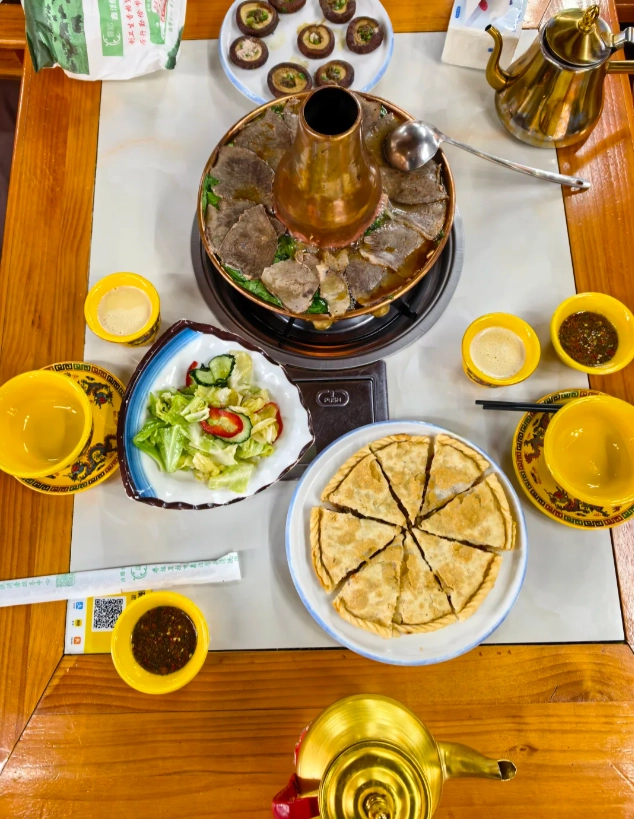
Dukezong Old Town – The Essential Area
Start at Moonlight Square (月光广场). It's the heart of the old town. In the evenings, vendors set up grills here. I always tell my clients to eat a small grilled skewer and a cup of sweet tea here before committing to a sit-down meal. It's cheap, cheerful, and gives you energy to climb to the Giant Prayer Wheel.
For a proper meal, walk up the stone path toward the Giant Prayer Wheel. On the left, you'll see a narrow alley with a yellow sign (I don't want to name it because it changes, but you can follow the smell of garlic and charred peppers). There's a family-run joint that does amazing shapta and thukpa. No English menu, but they'll point and you'll nod. That's the experience.
Outside the Old Town – Local Canteens
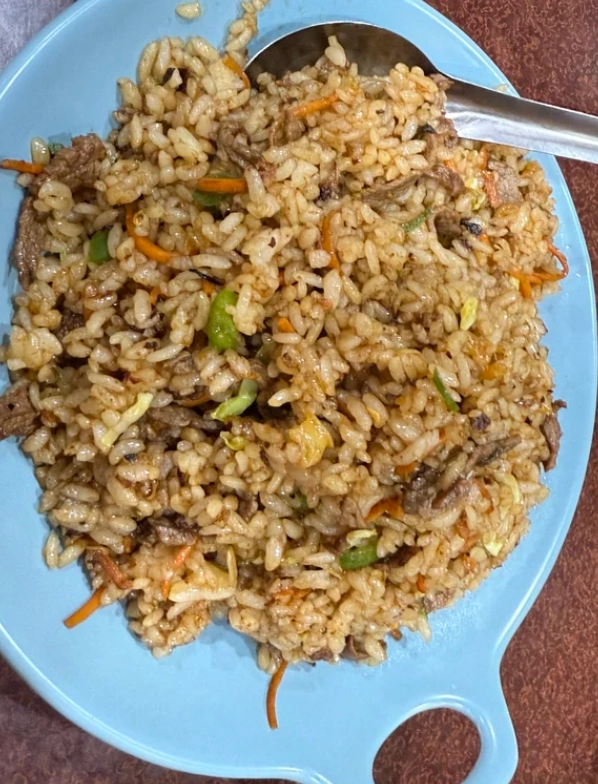
If you want even more authentic and cheaper food, walk out of the old town's south gate and cross the bridge. You'll hit a more residential area. Look for canteen-style places where construction workers eat. They serve large plates of rice with stir-fried yak and vegetables for 15-20 RMB. The trick: they often don't have English signs. Use your translation app to show '我要一份盖饭' (I want a rice bowl with topping) – or just point at what the next person is having.
Only 24 Hours? My Favorite One-Day Food Plan
Start at 8 AM with a light breakfast at a local canteen outside the old town (try tsampa with sweet tea – it sticks).
Mid-morning, wander to the old town and grab a momo snack from a stall as soon as queues start (around 11 AM).
Lunch at a family-run eatery near Moonlight Square: order shapta and a bowl of thukpa. Share if you're with someone.
Around 4 PM, hit the streets for grilled yak skewers – that's the golden hour.
At night, go for a yak hot pot dinner with friends. Don't eat too late; the high altitude can make digestion sluggish.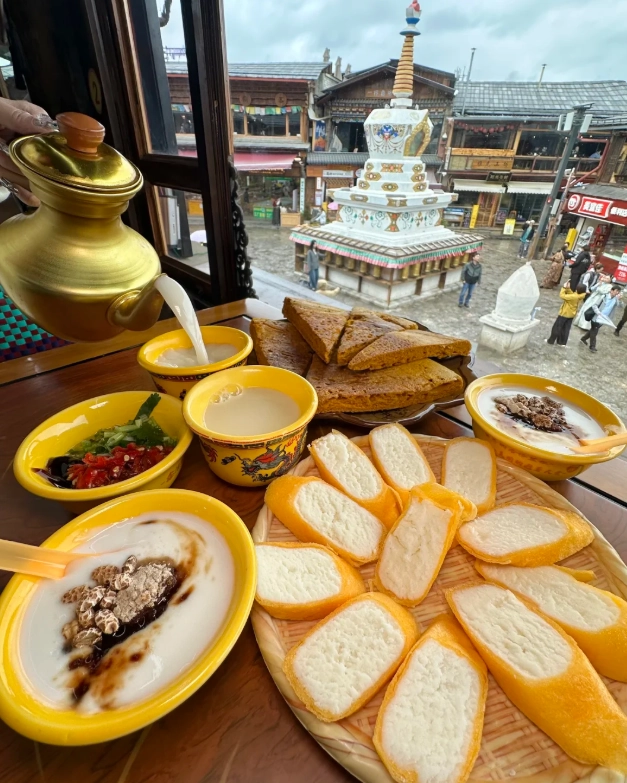
How to Order Food in Shangri-La Without Getting Ripped Off
Here's the deal: most tourists pay 20-30% more simply because they don't know how to order. I've seen it happen dozens of times. Let me save you some money.
- Always check the menu is priced. If there's no price, walk away.
- Learn these 3 Chinese phrases: 多少钱? (How much?), 好吃吗? (Is it tasty?), and 不要太多辣 (Not too spicy).
- Pay after eating. In most Chinese restaurants, you politely go to the counter to pay after the meal. This avoids the "pay up front" scam where they add extras.
- Use Alipay or WeChat Pay. Cash is still accepted in most local spots, but the exchange rate and change calculation gets messy. Ensure your Alipay is linked to an international card. I always tell travelers to download both Alipay and WeChat Pay before arriving.
- Don't accept unrequested side dishes. Some spots serve peanuts, pickles, or tea automatically, then charge you for them. If you don't want them, politely say 不需要 (I don't need it).
Also, set up a VPN before you arrive. Otherwise, Google, WhatsApp, and Instagram won't work. For translations, use Apple Translate for offline Chinese.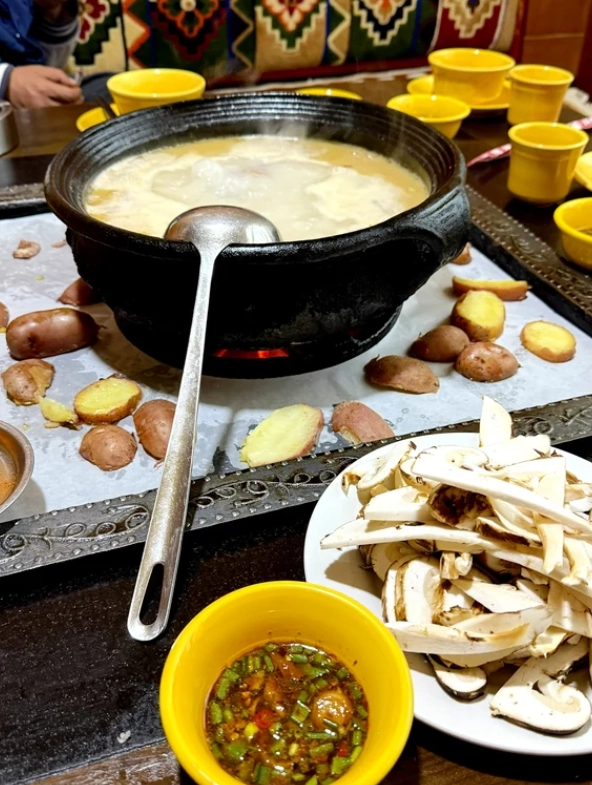
Insider Advice: If you're a solo eater, sit at the counter or share a table. Not only do you get faster service, but locals will often strike up a conversation – and occasionally share a free taste of something from their table.
What Is Butter Tea and Should You Actually Drink It?
Let's be real. Butter tea (po cha) is the most talked-about drink in Shangri-La, and it's also the most polarizing. I've had travelers spit it out after one sip; I've had others drink four cups a day. Where do you fall?
Butter tea is made from stale brick tea, yak butter, and salt. The ingredients are churned or shaken until emulsified. It tastes like a salty, oily broth with a slightly grassy note. It's not sweet at all. Locals drink it for calories and hydration in the high altitude.
My advice: Try it once, but don't force yourself to finish it if you don't like it. Instead, order sweet tea (甜茶) – it's essentially milk tea with salt, and much more approachable. Many visitors prefer it.
Pro Tip: If you're feeling altitude sick, drinking warm butter tea sometimes helps settle the stomach. I can't promise it will; but it's worth a sip. Just don't climb anything right after.
How to Enjoy Shangri-La Food on a Budget
Eating in Shangri-La doesn't have to wreck your wallet. Here's my no-nonsense budget guide:
- Street food is your friend. Momos (10-15 RMB for 6), grilled yak skewers (10 RMB), and potato cheese pies (5 RMB) can fill you up for under 30 RMB.
- Share a hot pot. A yak hot pot for two costs about 80-120 RMB total. Add noodles and vegetables, and you're stuffed.
- Buy from canteens outside the old town. A rice bowl with stir-fried yak and greens is 15-20 RMB. Find "苍蝇馆子" (fly restaurants) – a local compliment meaning cheap and good.
- Bring your own water bottle. Buy bottled water at convenience stores (3-5 RMB) instead of at tourist spots (10 RMB), and stay hydrated.
- Skip alcohol if you can. Barley wine is cheap, but at altitude, alcohol hits harder. Save the money and calories.
Food Safety, Altitude & Your Stomach: What to Know
I'm not going to sugarcoat it: Shangri-La sits at 3,400 meters. Your digestive system may rebel against the combination of altitude, fatty yak meat, and unfamiliar spices. Here's how to handle it:
- Start with moderately spiced food. Overloading on chili your first day is a mistake. Your body is already working hard to adapt to oxygen; don't add digestive stress.
- Watch out for "yak" that isn't yak. In tourist zones, some places serve beef or mutton and call it yak. Genuine yak has a slightly gamey, distinctly rich flavor and is a bit chewier. If the price seems too low, it's probably not yak.
- Bottled water is a must. Tap water isn't drinkable. For ice, ask if it's made with boiled water; most local places use safe ice, but when in doubt, skip it.
- Altitude sickness can kill your appetite. If you feel nauseous, eat light. A warm bowl of noodles or a piece of tsampa is easier to keep down than a heavy fried dish.
- Eat at busy places. High turnover means fresher ingredients. If a restaurant is half-empty at 7 PM, there's a reason.
Important: Always carry an anti-diarrheal medication (like Imodium) and a rehydration sachet from home. Local pharmacies sell them, but finding the right one in Chinese can be an adventure you don't want.
Top 5 FAQs About Eating in Shangri-La
1. Is it safe to eat street food in Shangri-La?
For the most part, yes – the altitude and cold climate suppress bacterial growth. But use your judgment. If a stall looks clean and the cook is handling food with a pair of tongs, go for it. I've eaten at hundreds of stalls without a problem. Pinpoint the stalls that are heated with charcoal rather than electrical – the heat helps kill bacteria.
2. Can I pay with international credit cards or cash in Shangri-La restaurants?
Most casual restaurants do not accept international credit cards. They accept Alipay, WeChat Pay, or cash. Cash in RMB works fine, but you'll get a better rate if you withdraw from an ATM using your international card. Keep small bills (10 and 20 yuan) for street stalls.
3. What's the #1 mistake tourists make when ordering food in Shangri-La?
Assuming that "Tibetan" food is just like other Chinese cuisines. It's not. The flavors are heavier, saltier, and more focused on yak meat. A second mistake is not specifying how spicy you want it – many restaurants default to spicy. Say 不要辣 (no spice) or 微辣 (a little spicy) at the start.
4. Are there vegetarian or halal options in Shangri-La?
Yes, but they're limited. Most restaurants can make a vegetable version of momos, and there are a few vegetarian restaurants in Dukezong. For halal, look for establishments with Arabic signage – but they're rare. It's wise to communicate "没有肉" (no meat) and "素" (vegetarian) clearly. Also, be aware that butter tea contains dairy and is not vegan.
5. How do I locate good food places without Google Maps?
Google Maps is unreliable in China. Download AMap (高德地图) and use its English version, "AMap Global." Ask your hotel for a business card in Chinese with the address. For food, you can also just follow the locals – lines are a universal signal.
That's the real Shangri-La food scene. Don't be afraid to ask for help, try something new, and listen to your body.
Verified and fact-checked by the editorial team.





No comments yet.