 Ting Chen
📚 Quick Guide to This Post
Three tourists in my group almost bailed on Dali last month. "It's just a boring old town," they grumbled. That evening, we rented e-bikes and rode along Erhai Lake. The sunset painted the sky pink and the mountains behind us turned gold. They went completely silent. For me, that's the moment Dali wins you over. So, is Dali worth visiting? The answer is complicated. It depends on how you spend your time. Here's the unvarnished truth from a guide who has been there too many times to count.
Most travelers book a tour that squeezes Dali into one rushed day. They only see the crowded south gate of the old town and a quick photo stop at the Three Pagodas. They miss the real Dali—the quiet backstreets, the local markets, and the lakeside villages. Worse, they often get stuck with unreliable payment methods and confusing navigation. I'm here to fix that.
Here's my short answer: Dali is worth visiting if you have at least two nights, and if you're willing to skip some overhyped spots. The magic isn't in the old town itself—it's in the surrounding nature and the slow-paced Bai culture. Below, I'll break down the pros, cons, practical logistics, and a sample itinerary so you can decide for yourself.
Is Dali Worth Visiting? My Verdict After 50+ Trips
I've brought dozens of groups to Dali over the years, so trust me when I say: Dali is absolutely worth visiting—but not for the reasons most guidebooks emphasize. The old town is charming, yes, but it can feel like a Disneyfied version of itself during peak season. The real magic hides in the countryside, the lake, and the mountains.
Let me lay out the highs and lows so you can see the full picture.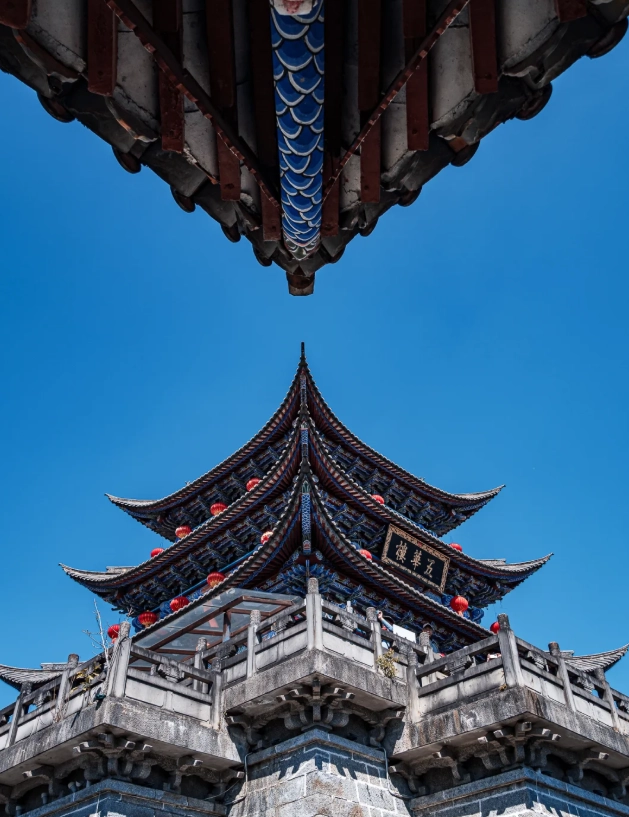
The Pros: Why Dali Deserves Your Time
Erhai Lake alone is worth the trip. You can bike or drive along its 120-kilometer shoreline, and every turn offers a postcard-worthy view. The water changes color from turquoise to deep blue depending on the light. Unlike many Chinese lakes, it's not overly commercialized—yet.
Cangshan Mountain provides a dramatic backdrop. You can take a cable car up, but I honestly prefer just hiking the lower trails. The views over the lake and the surrounding plains are spectacular, especially in the morning.
The Bai culture is genuinely fascinating. The local Bai people are some of the friendliest I've met in China. Visit during a festival like the Torch Festival in August and you'll see traditional costumes, dancing, and a fiery celebration that feels completely authentic.
The Cons: Where Dali Can Disappoint
The old town is overcrowded and commercial. During peak summer weeks, you'll be shuffling shoulder-to-shoulder with domestic tourists buying identical souvenir scarves. The charm gets buried under loudspeakers and fried snack trucks.
Weather can be unpredictable. Even in summer, a sudden rainstorm can chill you to the bone. Pack layers and a rain jacket. The sun is also intense at this altitude—you're about 1,900 meters above sea level. Sunscreen isn't optional.
Getting around requires patience. Public buses are limited, and taxis can be scarce outside the main areas. You'll often need to rely on ride-hailing apps like Didi or rent your own scooter.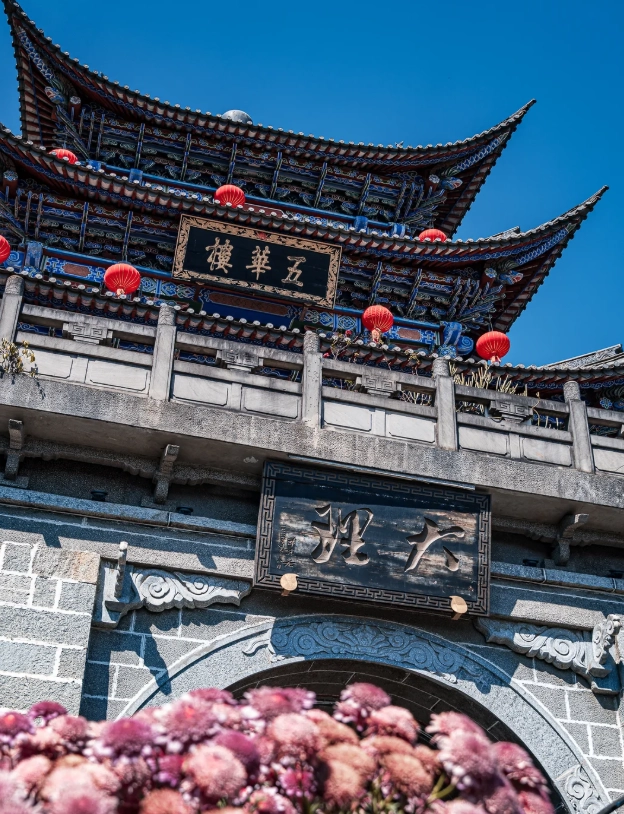
The Best Things to Do in Dali (and What to Skip)
Now let's get into the nitty-gritty. These are the experiences I consistently tell my clients are non-negotiable. Start with the lake, then venture into the mountains, and only then explore the old town.
Erhai Lake: The Heart of Dali
You cannot visit Dali and skip Erhai Lake. The lake is massive, so plan at least half a day. I recommend renting an e-bike or a car and driving along the east shore, from Dali to Xizhou. Here's the exact route:
- Start in Dali Ancient Town and head north to Caicun (才村) — about a 15-minute bike ride. This is a quiet village with lakeside views.
- Continue north to Xizhou (喜洲) — about an hour by e-bike or 30 minutes by car. The ancient Bai houses here are well-preserved, and the morning market is a feast for the senses.
- Then double back to the east coast via the Haidong Road — this route has the famous winding curves and panoramic lake views. Be sure to stop at the Xiaopu Park for a photo op.
Entry to the lake is free. Parking at lookout points costs about 5-10 RMB. I always tell people to bring water and snacks; there are fewer restaurants on the east side than you'd expect.
Cangshan Mountain: Hiking and Cable Cars
Take the Gantong Cable Car (感通索道) if you're short on time. It's the least crowded and offers stunning valley views. Round-trip costs about 85 RMB (around $12). The ride takes about 15 minutes each way. From the upper station, there are several short walking trails with excellent views of the lake.
If you're fit, hike the Jade Belt Road (玉带路). This is a flat stone path that hugs the mountain face, hovering above the lake. It's about 15 kilometers long and takes 3-4 hours. You can access it from both the Gantong and Ximatan cable cars. No extra fee besides the cable car ticket.
Pro Tip: Buy your cable car ticket online via Trip.com or the official WeChat mini-program. You'll need your passport for registration. Don't show up without a reservation on weekends—it sells out fast.
Dali Ancient Town: Worth a Stroll, Not a Stay
The old town is pleasant but not the main event. I suggest spending no more than half a day wandering its streets. Here's what to see:
- The South Gate is the photo spot, but it's always crowded. Go at 8 AM if you want an empty shot.
- Foreigner Street (洋人街) is heavily commercialized—skip the bars and cafes and explore the quiet side alleys nearby.
- Climb the City Wall near the South Gate; it's free and gives you a nice elevated view over the rooftops.
Pro Tip: The old town's narrow streets can feel like a maze. Download offline maps before you arrive (AMap Global works in English) and mark your hotel location.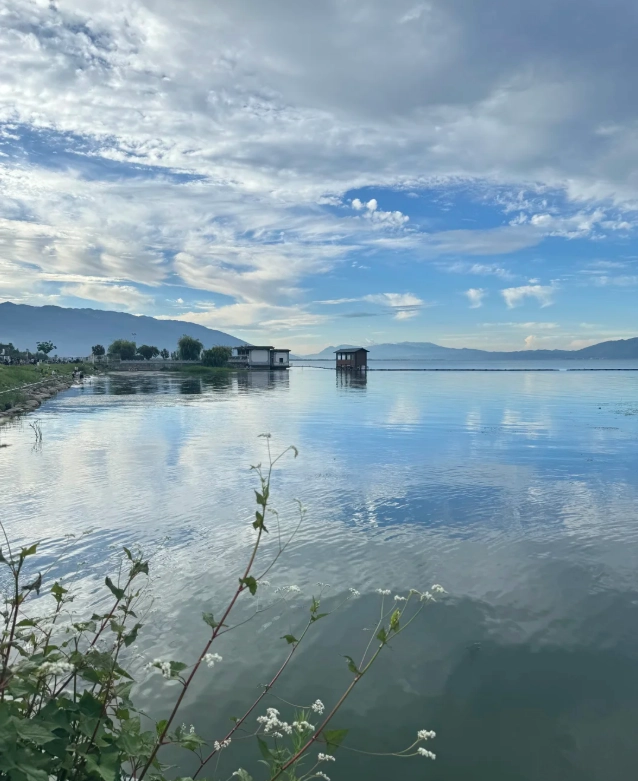
Three Pagodas of Chongsheng Temple
Yes, they're postcard-worthy, but you don't need to go inside. The entrance fee is around 75 RMB (about $10.50) for adults. If you just want the classic photo with the pagodas and Cangshan Mountain, you can get it from the road outside the south gate. The reflection pool inside is pretty, but the park itself is otherwise generic. I usually tell my group: spend that money on a nice meal instead.
Xizhou Ancient Town: A Hidden Gem
Xizhou is my favorite place in the Dali area. It's a small Bai village with well-preserved architecture, a great morning market, and the famous Xizhou baba (flatbread). The town is free to enter. If you want to see a traditional Bai courtyard house, visit the Yan Family Mansion — the ticket is about 60 RMB, but you can skip it and just wander the streets.
What to Skip in the Dali Area
Shuanglang (双廊) is increasingly overrated. It's a town on the east bank that looks great on Instagram but is now a construction zone of guesthouses and cafes with inflated prices. If you want a quiet lakeside meal, stop at Haidong (海东) instead—it's less crowded and offers the same views.
How to Plan Your Dali Trip (Transport, Tickets & Money)
Let's talk logistics. These practical details can make or break your trip. I've seen too many travelers struggle with things that are easy to avoid once you know how.
Getting Arrive in Dali
The easiest way is by high-speed train from Kunming. Dali Station is about 30 minutes from the old town. The journey takes 2-2.5 hours and costs around 145 RMB for a second-class seat. You can book tickets on Trip.com or the official Chinese railway app 12306 (available in English).
If you're flying, Dali Airport is about 45 minutes from the old town by taxi. A ride costs between 80-100 RMB. Don't let drivers charge you more; use the official taxi queue or a Didi.
| Transport Option | Time | Cost | Best For |
|---|---|---|---|
| High-speed train (from Kunming) | 2–2.5 hours | About 145 RMB | Majority of travelers |
| Flight (from major cities) | 1–3 hours | Varies (often 600–1200 RMB) | Time-sensitive travelers |
| Long-distance bus (from Lijiang) | 3–4 hours | About 80 RMB | Budget travelers linking Lijiang |
Getting Around Dali
Didi (the Chinese Uber) is the most convenient way. Make sure your account is set up with an overseas phone number and a linked credit card—it works surprisingly well in Thailand, and it's the same for China. A trip within the old town costs around 10-15 RMB. To Erhai Lake's western shore, expect 20-30 RMB.
Renting an e-bike/scooter is a great option for the lake loop. Many guesthouses offer rentals for about 50-80 RMB per day. You'll need your passport for deposit, and make sure to take a photo of the bike before start.
Public buses are not English friendly. They exist, but routes are confusing and stops are announced in Chinese. Only use them if you're adventurous.
Payment: How to Pay as a Foreigner
Cash is no longer king in Dali. Most shops, restaurants, and ticket counters accept WeChat Pay or Alipay, which you can link to international Visa or Mastercard. In practice, this means you'll need to set up Alipay before you arrive—it has a built-in translation and tourist-friendly features.
Here's the catch: some small vendors, especially in markets, still prefer cash. Always carry 100-200 RMB in small bills as a backup. International credit cards (physical) are almost never accepted outside large hotels.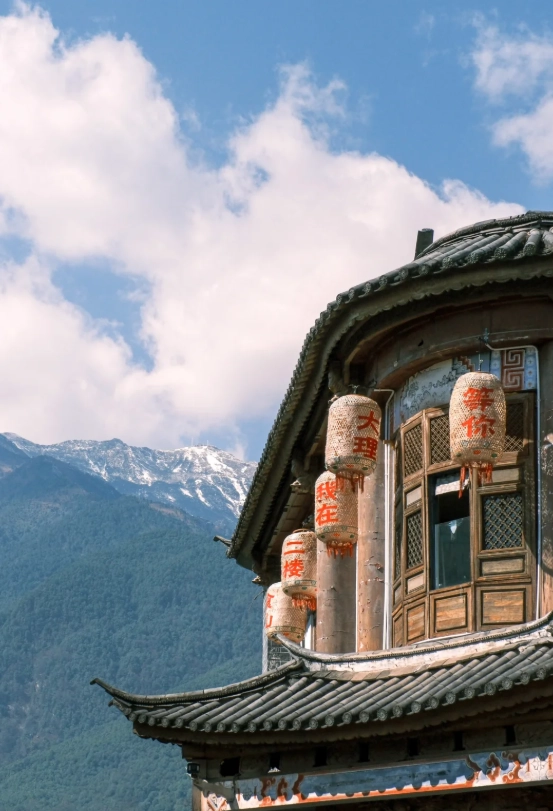
Navigation and Internet
Google Maps is completely unreliable in China. Download AMap Global (also known as Gaode) or use Apple Maps (which uses Chinese map data). Both work in English, and AMap Global even offers English navigation instructions.
You'll also need a VPN. Many Western websites and apps (Google, Instagram, Facebook) are blocked. Set up a reliable VPN on your phone and computer before you arrive. I recommend trying multiple free trials at home to see which works best in China.
Booking Tickets and Attraction Reservations
Major attractions (Cangshan cable cars, Three Pagodas) require passport-based booking. You can book in English on Trip.com or Klook up to a few days in advance. For same-day visits, use the official WeChat mini-program—but it's all in Chinese, so ask your hotel staff for help if you're not comfortable.
Pro Tip: Always bring your physical passport. Chinese attractions do not accept copies or photos—you must present the original document to enter.
Where to Stay in Dali: Best Areas for Every Budget
Your choice of base will completely change your experience. I've stayed in nearly every corner of Dali, and here's my honest breakdown.
| Area | Pros | Cons | Best For | Est. Price per Night (Double) |
|---|---|---|---|---|
| Dali Ancient Town | Restaurants, nightlife, convenience | Noisy, crowded, pricey | Solo travelers, first-timers | 200–600 RMB |
| Caicun (才村) | Quiet lakeside, sunset views | Limited dining, requires transport | Couples, nature lovers | 150–500 RMB |
| Xizhou (喜洲) | Authentic Bai village, charm | Far from Dali town, fewer amenities | Culture fans, photographers | 100–400 RMB |
| Shuanglang (双廊) | Stunning lake views, trendy cafes | Overdeveloped, expensive, noisy | Instagram-conscious travelers | 300–800 RMB |
My recommendation: stay two nights in the old town for convenience, and one night in Caicun for sunrise. That's the balance most travelers love.
Guesthouse vs. Hotel
Local guesthouses (minsu) are the way to go. They're often family-run, offer free breakfast, and can arrange scooter rentals. The downside is that some have steep stairs and poor soundproofing. Always zoom through recent Google Reviews before booking.
When you book a hotel in China, look for the "Foreigner Friendly" label or contact them directly—some budget hotels don't have a license to host foreigners, even if they appear on international sites.
What to Eat in Dali: A Local's Food Guide
Dali's food is a love-it-or-hate-it affair. This is not your typical Chinese takeout. It's earthy, sour, and sometimes spicy—but absolutely memorable.
Must-Try Dishes
- Acid Fish (Suan La Yu) — a hot pot with river fish, pickled vegetables, and spices. The sour broth is perfect for cooling down. Try it at Duoyu Village (朵渔村) in the old town; they have an English menu.
- Rushan (乳扇) — a smoked cheese that can be eaten raw or grilled on a stick. It's an acquired taste, but I always recommend trying the grilled version with honey.
- Xizhou Baba — a thick flatbread, best when eaten hot off the griddle. Look for the stalls in Xizhou market—get the sweet version with red bean paste.
- Yunnan Crossing-the-Bridge Noodles — served with a boiling bowl of broth and raw ingredients you add yourself. Plenty of shops in the old town serve it, but the best are often in small, unassuming spots.
For a cheap and authentic meal, walk down Renmin Road at lunchtime. Vendors set up stalls selling mushroom noodles and rice noodles for 10-15 RMB. Point at what you want if there's no English menu.
Payment: Most food stalls accept WeChat and Alipay, but cash is always safe. For nicer restaurants, you can pay by card through WeChat, but always have a backup.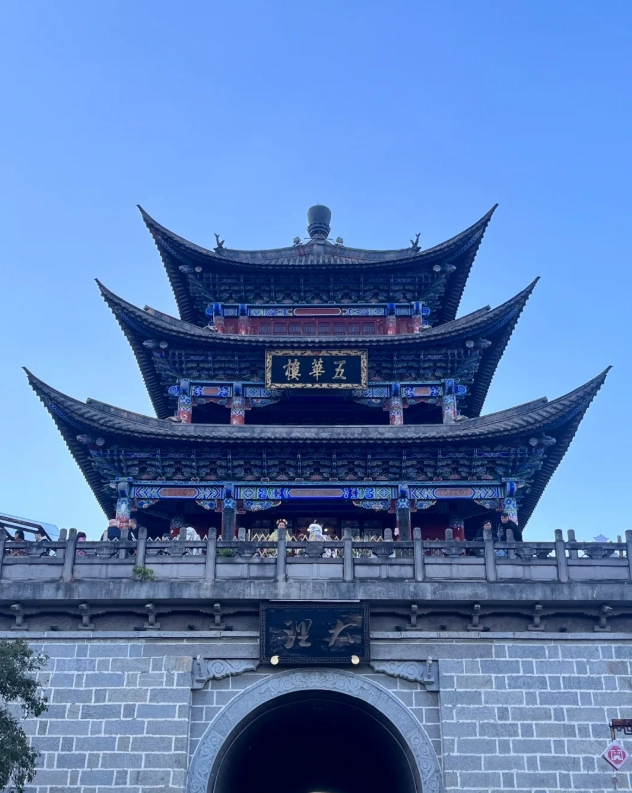
Sample 3-Day Dali Itinerary for First-Timers
If you're unsure how to structure your Dali trip, here's a realistic plan that covers the highlights without killing you. Adapt it to your energy level and interests.
Day 1: Arrive and Acclimatize
- Arrive at Dali Station or airport. Take a Didi to your guesthouse in the old town (30-45 minutes).
- Check in, then head to Xizhou Ancient Town for a late lunch. Explore the lanes and try the famous baba for midday snack.
- Return to Dali old town around 4 PM. Walk the city wall and catch sunset from the tower near the South Gate.
- Dinner at a local restaurant specializing in Bai cuisine. Try the sour fish.
Day 2: Cycling the Lake and Cangshan
- Breakfast early (7:30). Rent e-bikes and set off for Caicun—the ride takes about 20 minutes.
- Continue north to Haidong along the lakeside path. Stop for photos at the many pavilions. This section takes about 2-3 hours with breaks.
- Around 12 PM, ride back to Dali (1-1.5 hours) or take a Didi if you're tired.
- Lunch, then take a taxi to the Gantong Cable Car station. Ride up, walk a short trail, and enjoy the bird's-eye view.
- Return to the old town by late afternoon. Treat yourself to a relaxing foot massage—there are several on Renmin Road.
Day 3: Culture and Departure
- Early morning (8 AM) visit the Three Pagodas from the outside until the crowds come. Actually, the best time is before 9 AM when the park is less crowded.
- Head back to the old town and wander the quiet backstreets, or take a short hike on the Jade Belt Road if you're feeling active.
- Have a final lunch and catch your afternoon train or flight.
If it rains, swap the lake day for a visit to Dali Museum (free) or a cooking class in the old town.
Dali Travel FAQ: Answering Your Biggest Questions
Yes, but it's a stretch. The drive from Lijiang takes about 3 hours each way, leaving you only 6-7 hours in Dali. You'll have time to see the old town and maybe a quick lake visit, but you won't experience the real Dali. If you can, do an overnight to avoid the rush.
Is Dali worth visiting on a budget?
Absolutely. Dali can be very affordable if you skip the expensive cable cars. You can enjoy the lake for free, walk the old town for free, and eat at local stalls for under 100 RMB per day. Budget guesthouses start at around 100 RMB a night. The biggest expense is transportation from other cities.
What's the best month to visit Dali?
My favorite months are April–June and September–November. The weather is dry and mild, and the crowds are thinner. July-August is rainy and packed with Chinese tourists. December-February can be cold at night, but the sky is often clear and the views of snow-capped Cangshan are stunning. Avoid Chinese national holidays (Golden Week in October and May Day) at all costs.
Do I need to book tickets in advance for Dali's attractions?
For the cable cars, yes. They cap daily visitor numbers, and in peak season they sell out fast. For the Three Pagodas and museums, you can buy at the gate, but booking online via Trip.com is faster and sometimes gives you a small discount. Always bring your passport.
Is Dali safe for solo female travelers?
Yes, Dali is one of the safest cities in China. I've had many solo female clients who walked around at night without any issues. The town is small, and there are always people on the main streets. Use common sense about dark alleyways and overly pushy taxi drivers, but overall, the atmosphere is relaxed and secure.
So there you have it—my honest take on whether Dali is worth visiting. If you're looking for a place that's equal parts stunning nature and laid-back culture, Dali absolutely deserves a spot on your China itinerary. Just plan smart, expect a few crowds, and leave room for serendipity. If you have more questions, drop me a comment below or read my other China travel guides for more insider tips.







No comments yet.