 Fang Wang
- Why Dongqian Lake Should (Possibly) Be on Your Ningbo Itinerary
- How to Get to Dongqian Lake: Metro, Bus, or Taxi
- What to See at Dongqian Lake: Top Attractions (Not Just the Lake)
- How to Plan a Perfect Dongqian Lake Day Trip (Timeline)
- Where to Eat Around Dongqian Lake: Real Local Spots
- Where to Stay: Dongqian Lake Hotels and Guesthouses
- Common Mistakes Foreigners Make at Dongqian Lake (and Fixes)
- FAQ: Dongqian Lake English Guide Q&A
- Final Verdict: Is Dongqian Lake Worth It?
Stuck at the barrier with no signal? Yes, that has happened to my clients more than once. I’m a guide in Ningbo, and every week I bring travelers to Dongqian Lake — the city’s largest freshwater lake. The scenery is stunning, but the practical side often trips up foreigners. You see, Alipay works, cash often gets refused, Google Maps is useless here, and the ‘free’ lake has some paid traps. This Dongqian Lake English guide exists to fix that. I’ll walk you through exact transport numbers, the right gates, and the times we locals actually go. Skip the generic advice you’ve read elsewhere.
Here’s the quick summary: go on a weekday morning, bring your passport, and get ready to use Apple Maps instead of Google.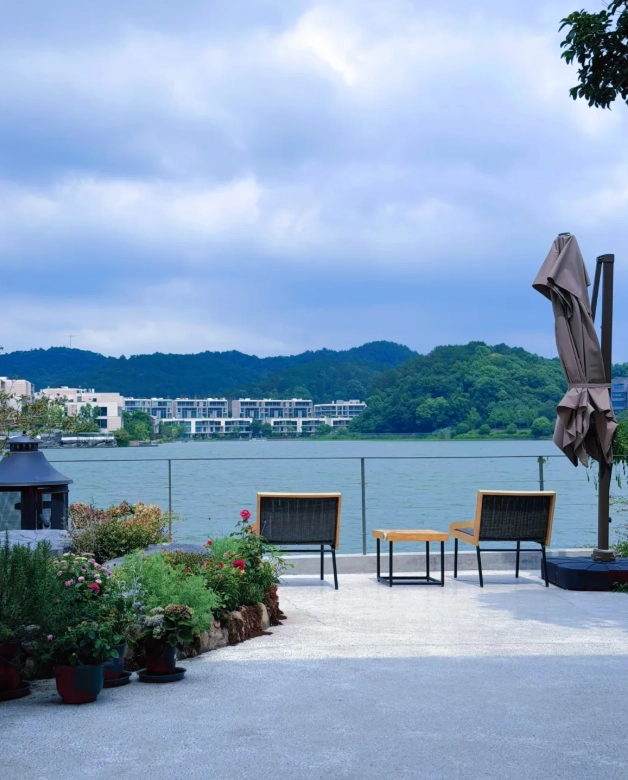
Why Dongqian Lake Should (Possibly) Be on Your Ningbo Itinerary
Dongqian Lake is often billed as the “West Lake of Ningbo.” It’s bigger, quieter, and far less touristy than Hangzhou’s famous spot. For a laid-back escape from the city, it delivers. But here’s the catch—the development around the lake is patchy. You’ll find gleaming promenades next to rough construction sites. Some years the water sports center is thriving; other years it feels neglected. If you want a perfectly polished attraction, you may find it rough around the edges at Dongqian Lake. Yet for travelers who enjoy seeing how modern Chinese leisure is really built, this lake is a fascinating afternoon.
The plus side: the lake is free to walk around. You can spend hours cycling along the 20km shoreline without paying a cent. The east side has a designated cycling path. The scenery shifts from lotus ponds to village lanes. I always tell my clients: don’t come expecting West Lake’s manicured gardens. Come expecting a working-class lake with local life.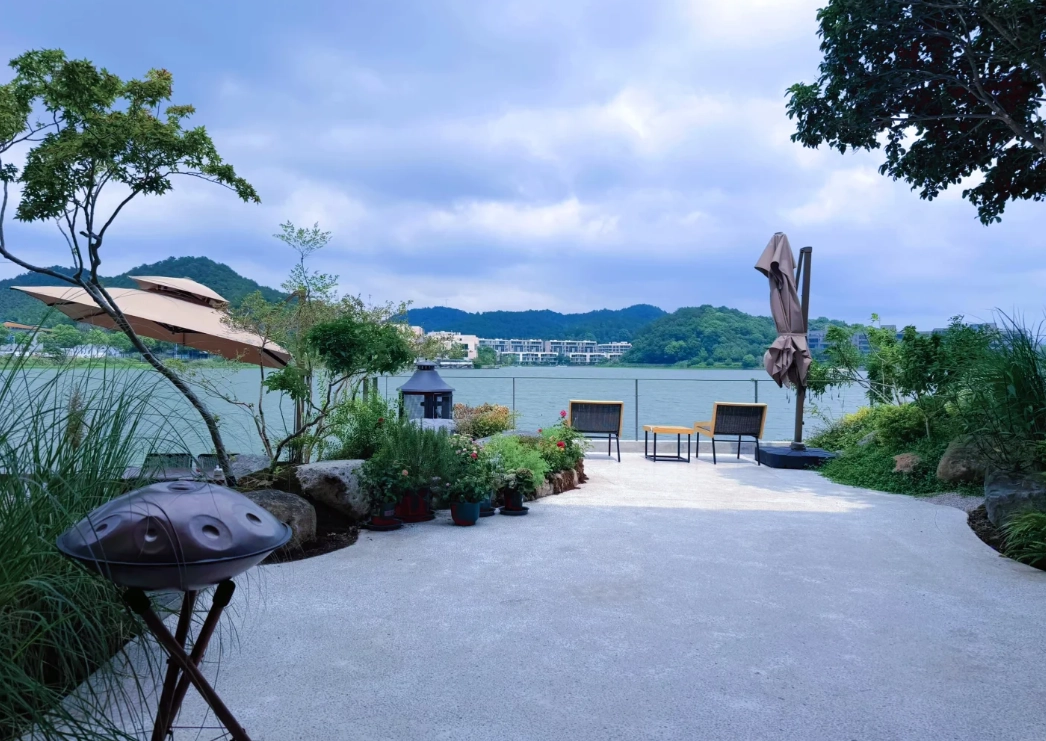
How to Get to Dongqian Lake: Metro, Bus, or Taxi
Getting to Dongqian Lake from central Ningbo is easier than you think. The metro now reaches the lake directly, which is a game-changer for foreigners. Take Metro Line 4 to Dongqian Lake Station. The ride takes about 40 minutes from Ningbo Railway Station. Once you exit, a short 10-minute walk brings you to the lakeside promenade. The station signs are in English and Chinese, so you won’t get lost. Use Apple Maps or AMap (Chinese map) for the walking route—Google Maps will lead you astray.
If you’re in a hurry or have heavy luggage, grab a taxi or DiDi (like Uber). From downtown Ningbo to the lake, it’s about 25 minutes without traffic. The fare ranges from 50 to 80 RMB, depending on where you start. Always use the App to avoid unpleasant negotiations. Have your destination written in Chinese: 东钱湖 (Dongqian Hu). Show it to the driver.
| Mode | Time from City Center | Estimated Cost | Best For |
|---|---|---|---|
| Metro Line 4 | 40 mins | 5-7 RMB | Solo travelers, budget-wise |
| Taxi / DiDi | 25-35 mins | 50-80 RMB | Groups, luggage |
| Bus (routes vary) | 50+ mins | 2-5 RMB | Adventurous, slow travel |
What to See at Dongqian Lake: Top Attractions (Not Just the Lake)
The lake itself is the main attraction, but a few spots worth your attention. I’ll break them down with practical details.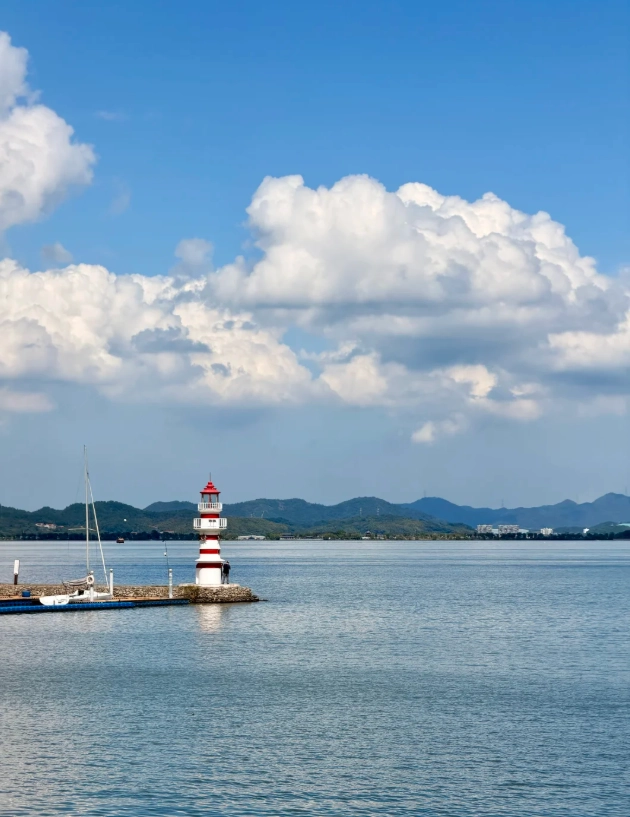
Xiaoputuo (小普陀) — The Island Temple
Xiaoputuo is a small stone island with a temple complex, accessible by causeway. It’s the most famous sight on the lake. The entrance fee is around 30 RMB (tourist price). Yes, there’s a small booth at the gate. I’ve seen tourists pay double to touts who say they can skip the queue—don’t fall for it. Just join the line; it moves quickly. The temple is Buddhist, so expect incense smoke and red ribbons. The best photo spot is the stone bridge on the west side, especially under soft morning light.
How to get there: From the metro station, it’s a 15-minute walk or a 10-RMB electric cart. Or follow the lakeside path—it’s an easy 2km.
Opening hours: 8:00 to 17:00 daily. Last entry at 16:30. If you arrive after 14:00 on weekends, you’ll find long queues at the causeway.
Pro Tip: The ticket booth at Xiaoputuo often has a long queue at 10 AM. Go at 2 PM instead. The temple is still open, and the light is better for photos.
Yuebo Ancient Ferry (岳波古渡) — Time-Battered But Photogenic
This is a small dock near the south shore, with an old stone boat and a few pavilions. It’s free to visit. Many tourists skip it because it’s not in the standard guidebooks. I love bringing clients here for sunset—the ferry silhouette against the orange sky is unforgettable. The area is quite small, so spend 20-30 minutes. It’s also a good place to sit with a coffee from nearby vending machines.
Hanling Old Street (韩岭老街) — A Village That Gets Busy
Hidden behind the lake’s east side, Hanling is a restored old village with narrow lanes, shops selling local snacks, and a small creek running through. It’s free to enter. The shops open around 10 AM, but I advise going at 8 AM to experience the local farmers setting up stalls. By 11 AM, it feels like a mall with Chinese tour groups. Try the local “dried bamboo shoots” — they’re salty and crunchy.
How to get there: From the lake center, it’s about a 20-minute taxi ride (30 RMB). Or if you’re cycling, it’s a 6km bike ride along the east bank.
Tiantong Temple (天童寺) — Worth the Extra Trip?
Tiantong Temple is a famous Buddhist monastery located about 20 minutes north of Dongqian Lake. It’s a major pilgrimage site with ancient cypress trees and impressive architecture. If you have a spare half-day, it’s worth visiting. However, it’s not on the lake itself, and you need to factor in transport. A taxi from Dongqian Lake costs about 40 RMB. The temple is free, but donations are welcome. The grounds are steep—wear comfortable shoes. I personally find the main hall quite impressive, but the hilly walk is not for everyone.
Water Sports on the Lake
During summer, you can rent a paddleboard or kayak at the water sports center on the west shore. Rates vary, typically 80 RMB per hour for a kayak. It’s a fun way to cool off. Check the weather first — the lake can get windy in July. There’s no official booking website in English, but you can book through Trip.com with a passport. Or simply show up and pay with Alipay; the staff are used to foreigners on weekends.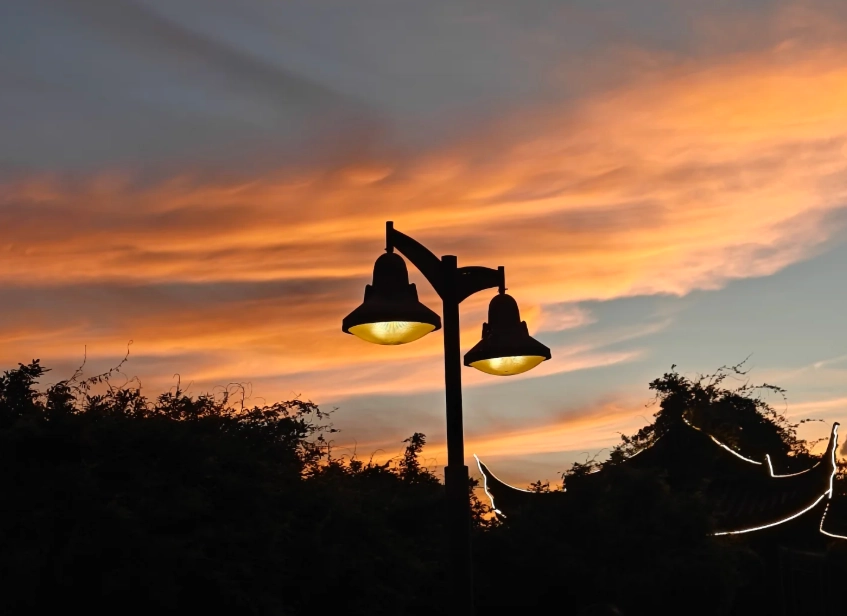
How to Plan a Perfect Dongqian Lake Day Trip (Timeline)
Here’s my go-to itinerary for a first-time visitor. Adjust based on energy and weather. It’s designed to avoid peak crowds and get the best light.
- 9:00 — Take Metro Line 4 from Ningbo Railway Station to Dongqian Lake Station. Exit A. Walk 10 minutes to the lake's west pier.
- 10:00 — Stroll along the lakeside promenade toward Xiaoputuo. Stop at the lotus pond (blooms in June-July). No hurry.
- 11:00 — Enter Xiaoputuo. The queue is usually short before noon. Spend an hour exploring the temple and causeway.
- 12:30 — Lunch at a village restaurant near the Xiaoputuo exit. Look for places with outdoor seating and picture menus. I recommend the braised fish head with noodles (about 50 RMB for two).
- 13:30 — Take a taxi (15 mins) or rent a bike to Hanling Old Street. If you've brought your own bike, cycle along the east bank—gorgeous.
- 15:00 — Explore Hanling Old Street. Try the baked rice cakes and the sweet bean soup. Avoid the touristy stores near the entrance; go deeper into the alleys.
- 16:30 — Head to Yuebo Ancient Ferry for a sunset view. It's a 10-minute taxi from Hanling. Bring snacks.
- 18:00 — Return to the city. You can catch Metro Line 4 at Dongqian Lake Station, but note the last train is around 22:00. Or take DiDi if you’re tired.
Extreme weather plan: If it rains, skip the outdoor parts and go to the Ningbo Museum (about 30 minutes northeast of the lake). It has excellent English signs and a great collection of Ningbo's maritime history. Or visit the Ningbo Ceramic Art Museum, which is actually at the lake’s south shore, beside the water sports center. It’s small but the building itself is a masterpiece.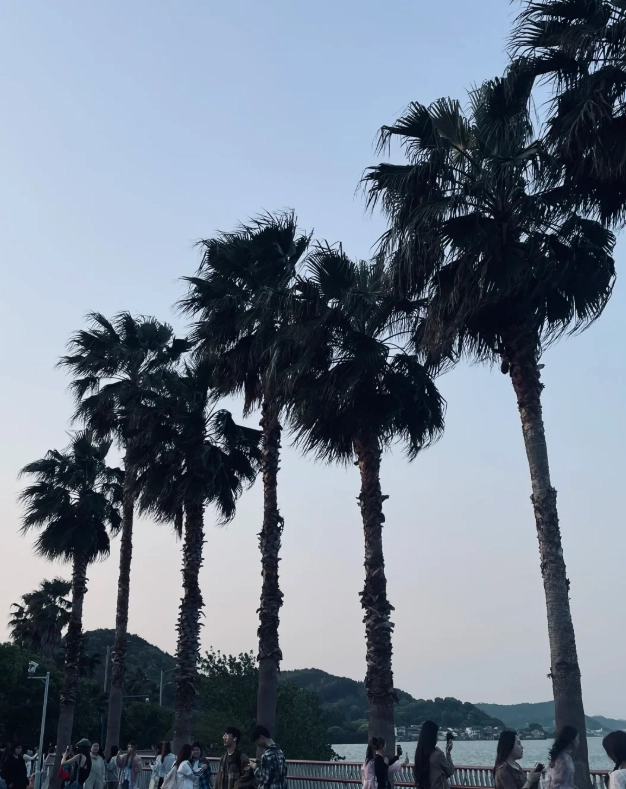
Where to Eat Around Dongqian Lake: Real Local Spots
Don’t expect fine dining. This is a lakeside area with family-run restaurants serving Ningbo’s “red braised” style. The signature dish is braised fish head, tender and spicy with lots of garlic. You’ll also find river snails, bamboo shoots, and the famous Ningbo rice wine.
My typical lunch: a small eatery along the road to Hanling Old Street. It has a yellow awning, no English name, and a tank of live fish at the entrance. Point at the fish, then hold up one finger. The staff will cook it with their special sauce. Expect to pay 50-70 RMB per person. The meal often comes with a free soup and pickled vegetables.
Payment here is 100% mobile. Bring cash as a backup, but many small vendors either can't change large bills or simply don't want to. Alipay and WeChat Pay both work. If you haven't set them up, download Alipay and link your international card before you go. This is crucial — some restaurants may not accept physical cards.
Where to Stay: Dongqian Lake Hotels and Guesthouses
You can stay right by the lake, or have the option to stay in Ningbo city and do a day trip. I recommend staying near the lake if you want to catch the very early morning mist off the water. Here are three options I've personally visited.
| Type | Hotel / Area | Price (per night) | Best For |
|---|---|---|---|
| Luxury | Ningbo Dongqian Lake Hotel | 900-1,500 RMB | Couples, honeymooners |
| Mid-range | Nanyuan Boutique Hotel | 400-700 RMB | Western travelers who need comfort |
| Budget | Guesthouses near Hanling | 150-300 RMB | Backpackers, solo travelers |
Before booking, check if the property has a lift (elevator) — many traditional village inns don’t. Also, ask for a room facing the lake if it matters to you. The staff at the luxury property speak basic English; the budget ones expect you to use a translation app. Wi-Fi is generally reliable, but I've experienced drops during peak hours. As with all Chinese hotels, you need your passport for check-in.
Common Mistakes Foreigners Make at Dongqian Lake (and Fixes)
- Relying on Google Maps: It’s inaccurate in China. Use Apple Maps, AMap, or Baidu Maps. I always tell clients to download AMap and switch the language to English — it works better.
- Bringing only credit cards: Almost no ticket booth or small snack stand accepts foreign credit cards. Set up Alipay and WeChat Pay with your international card before you fly. If you need to add money, you can do it via a linked card or use a Chinese friend.
- Not carrying your passport: You might be asked to show it for ticket purchases (especially at places with online reservations). Keep a photocopy or copy your passport number in your phone, but have the physical copy for actual purchases.
- Arriving late in the afternoon on weekends: The promenade gets packed with locals. Go on a weekday or arrive before 9 AM.
- Thinking the whole lake is accessible by foot: It’s a 45 km shoreline. Use the metro and taxis between villages, or rent a bike at the east bank.
FAQ: Dongqian Lake English Guide Q&A
Final Verdict: Is Dongqian Lake Worth It?
Yes, absolutely — if you manage your expectations. Dongqian Lake isn’t a polished attraction; it’s a slice of real Ningbo life. Come for the breeze, the village lanes, and the sense of space that’s rare so close to a Chinese metropolis. The English guides are rare, the navigation is messy, and the food is straightforward. But that’s exactly why you’ll remember it long after you leave.
I’m a guide who’s stood here dozens of times, and I still find new details every visit. Use the tips above, give yourself a full day, and you’ll leave with your own stories — not just photos.
Verified and fact-checked by the editorial team.







No comments yet.