 Fang Wang
Quick Guide: What You'll Learn Here
- Which Subway Line Goes to Tianyi Pavilion Museum?
- Step-by-Step: How to Get to Tianyi Pavilion Museum by Subway from Key Starting Points
- Don't Get Off at the Wrong Exit: Ximenkou vs. Gulou
- The 500-Meter Walk from Ximenkou Station to the Museum Gates
- Tickets & Entry Requirements: What Internationals Must Know
- Insider Tips: Timing, Crowds, and Photography Secrets
- A Realistic Half-Day Itinerary Around Tianyi Pavilion
- FAQ: Tough Questions About Tianyi Pavilion Museum by Subway
- Final Thoughts: Why the Subway Is Your Best Bet
You step out of Ningbo's Ximenkou Station and immediately see a wall of buses, bikes, and food stalls. Which way? Your phone's Google Maps is stuck loading. I've guided dozens of first-time visitors through this exact moment — and the trick is simpler than you think. For Tianyi Pavilion Museum by subway, the answer is always Exit C, then a straight 500-meter walk south on Tianyi Road. No taxis, no haggling. Most travelers panic and jump into a taxi for a ride that's shorter than the wait at a red light. Here's exactly how to do it right: take Line 1, follow the overhead signs to Exit C, and let your eyes lead you to the ancient trees of the museum complex. I'll walk you through every detail below, including what to do when you can't book tickets online with a foreign card.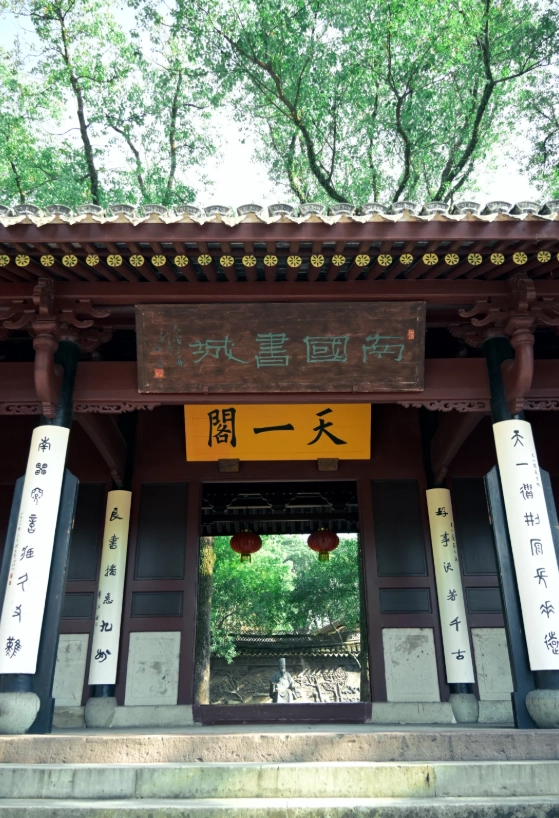
Which Subway Line Goes to Tianyi Pavilion Museum?
Line 1 is the only line you need to think about. Tianyi Pavilion Museum sits between two Line 1 stops: Ximenkou and Gulou. Ximenkou is the closest — a 5-minute stroll from the museum's south gate. Gulou is a 20-minute walk and better for combining with the ancient drum tower area. But for a dedicated museum visit, Ximenkou wins every time.
Here's a quick comparison table to help you choose:
| Metro Station | Line | Walking Distance to Tianyi Pavilion | Best For |
|---|---|---|---|
| Ximenkou (西门口) | Line 1 | ~500 m, 5 min | Direct museum access |
| Gulou (鼓楼) | Line 1 | ~1.2 km, 20 min | Ancient city sightseeing, food streets |
Both stations are on Line 1, but Ximenkou is your smarter pick. The station has four exits, and Exit C is the closest to the museum's northwest corner. You'll see the museum walls right after crossing Tianyi Street.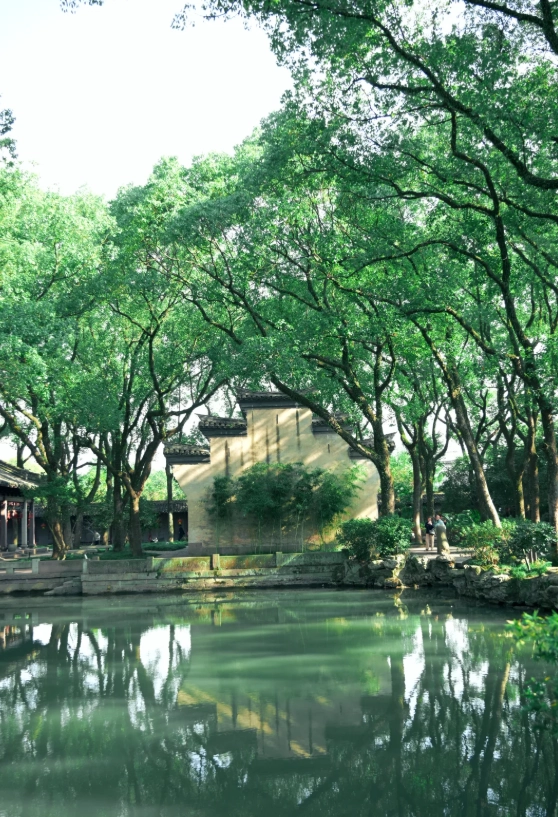
Step-by-Step: How to Get to Tianyi Pavilion Museum by Subway from Key Starting Points
From Ningbo Railway Station
Take Line 2 from Ningbo Railway Station for three stops to Gulou Station, switch to Line 1 toward Xiaxi, and ride two stops to Ximenkou. Total travel time: about 15 minutes. The transfer at Gulou is well-signposted in both Chinese and English. If you have heavy luggage, consider a metered taxi instead — it will cost about 10 RMB and take 6 minutes without traffic.
From Ningbo Lishe International Airport
Line 2 is the airport link, so you'll stay on Line 2 all the way to Gulou Station, then transfer to Line 1 for one stop to Ximenkou. From the airport terminal, follow the subway signs to the airport metro entrance. The complete journey takes about 45 minutes and costs 5 RMB. Taxi would be around 80-100 RMB and roughly 30 minutes depending on traffic.
From Downtown Ningbo (e.g., Tianyi Square)
If you're staying near Tianyi Square, walk to Dongmenkou Station (东门口) on Line 1 and travel westbound two stops to Ximenkou. This ride takes just under 5 minutes. Or simply walk west from Tianyi Square for 20 minutes — it's a pleasant stroll through the old city, but the subway saves energy for museum exploring.
Important for navigation: Google Maps is not reliable in mainland China. For subway routing, use Apple Maps or download AMap Global (高德地图) for accurate directions. Show the Chinese address below to a taxi driver if you choose to take one.
Don't Get Off at the Wrong Exit: Ximenkou vs. Gulou
Here's a mistake I see every week: travelers get off at Gulou because it sounds more "central" — then they walk 20 minutes through construction sites and food stalls, arriving sweaty and annoyed. The smarter move is to exit at Ximenkou. From Exit C, you'll be at the Tianyi Pavilion's west gate in exactly 5 minutes. I've clocked it dozens of times. The route: walk south along Tianyi Road (天一街), cross the small intersection at Changting Road, and you'll see the museum entrance on your left. Easy as that.
Another reason to avoid Gulou: the path from Gulou to the museum passes through a busy market area that's easy to get distracted in. You'll be tempted by snacks and shops, and before you know it, you've wasted an hour. Save that for the return trip.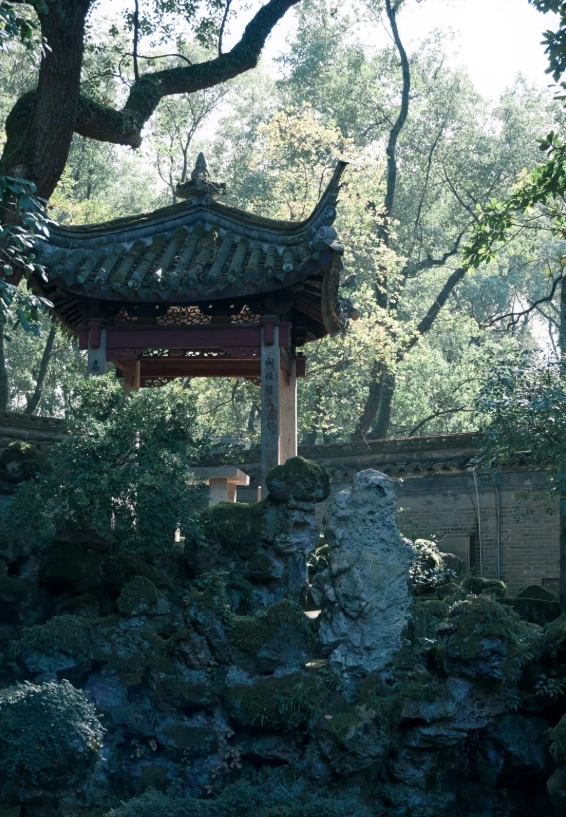
The 500-Meter Walk from Ximenkou Station to the Museum Gates
Let me walk you through the exact route so you won't even glance at your phone. Exit Ximenkou Station via Exit C. Once you're above ground, you'll see a bank on your right and a small park on your left. Walk straight ahead (south) on Tianyi Road. After about 300 meters, you'll pass a driveway for the Ningbo Second Hospital on your right. Keep going another 200 meters, and the wall of the Tianyi Pavilion complex appears on your left. The entrance gate is set back from the road, marked by a stone arch and a security booth.
- Total walking time: 5 minutes at a relaxed pace
- Direction: South on Tianyi Road (天一街) from Exit C
- Key landmark: The museum's stone plaque and the ancient camphor trees visible over the wall
The path is flat and stroller-friendly. If you're using a wheelchair, the route is fully accessible, though the cobblestone near the entrance can be a bit bumpy. You'll find a ramp at the gate.
Tickets & Entry Requirements: What Internationals Must Know
Tickets to Tianyi Pavilion Museum cost 30 RMB per adult, and you absolutely need to book online in advance. Walk-up entry is not guaranteed, especially during weekends and holidays. The official system requires a Chinese phone number for verification, which is a huge headache for foreigners. Fortunately, you can book through Trip.com or Klook, both of which accept international cards and show a QR code that you scan at the entrance.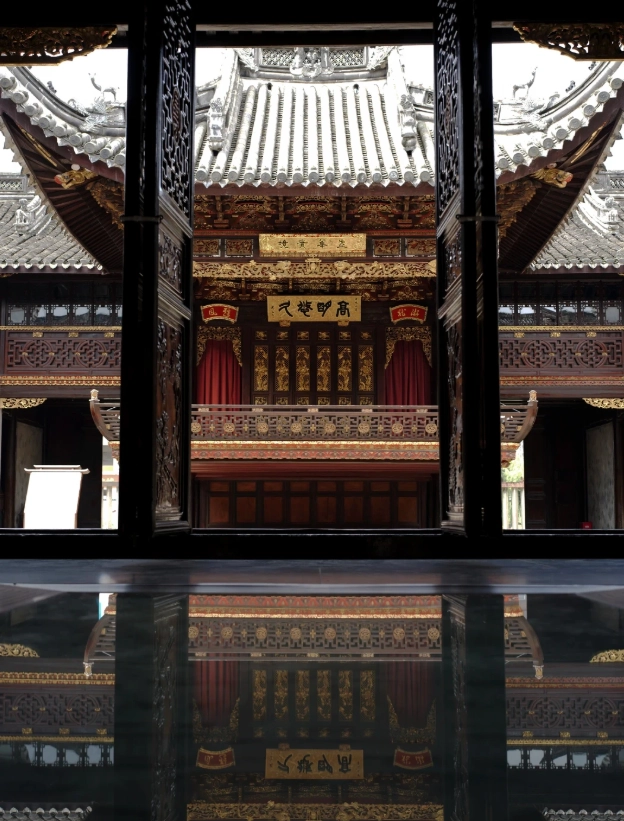
| Booking Channel | International Card Supported? | Passport Needed at Entry? | Notes |
|---|---|---|---|
| Official WeChat mini-program | Not for most foreign cards | Yes, passport for name matching | Only in Chinese, hard for non-speakers |
| Trip.com | Yes | Yes, passport matching | English interface, e-ticket |
| Klook | Yes | Yes, passport matching | English interface, often includes combo deals |
When you book, use the same passport name that you'll present at the gate. Keep your passport handy — staff do randomly check, and they will deny entry if the name doesn't match.
Opening hours: Summer (April–October) 8:30–17:30; Winter (November–March) 8:30–17:00. Last entry is typically 30 minutes before closing. The museum is closed on Mondays (except public holidays), so plan your visit accordingly. Always double-check the official website or your booking confirmation for unexpected closures.
Insider Tips: Timing, Crowds, and Photography Secrets
Your best bet for crowd-free photos is the first hour after opening at 8:30. The gardens are peaceful, the light is soft, and you'll have the famous stone pavilion almost to yourself. If you're not a morning person, aim for after 15:00 when the tour groups start thinning out. The museum closes at 17:30, so you'll still have a solid 2.5 hours.
Here are a few things I always tell my clients:
- The famous library building (Tianyi Pavilion) is more impressive from the outside. Inside, it's essentially a dark wooden room — you'll see more in the exhibition halls.
- The north garden is the best spot for reflections in the pond, especially in the early morning before the wind picks up.
- The stone pavilion and the fake mountain behind it are a great backdrop for portraits. Position yourself with the sun behind you — shooting into the sun ruins the shot.
- Wear quiet shoes. The wooden floors inside the halls creak loudly, and the staff might ask you to be quiet if you're clomping around.
Avoid bringing large umbrellas — they're not allowed in some narrow passageways. The museum provides rain cloaks at the entrance if it's raining, but they run out fast.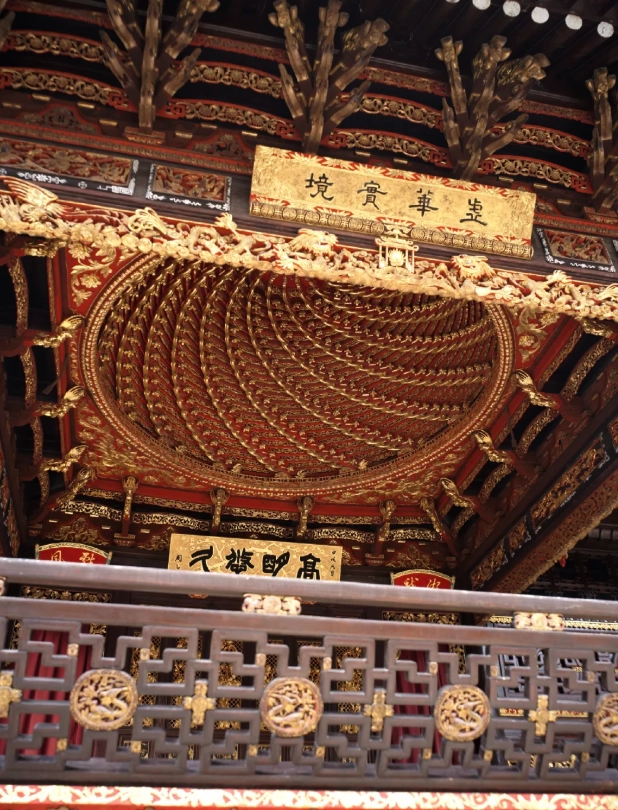
A Realistic Half-Day Itinerary Around Tianyi Pavilion
Let me lay out a practical timeline that won't exhaust you. This is the schedule I usually recommend to friends who only have a morning or afternoon to spare.
- 8:20 — Arrive at Ximenkou Station (Exit C). Stop at the C-Store kiosk inside the station for a bottle of water and some snacks — the museum's small café has limited choices and inflates prices.
- 8:35 — Enter the museum (have your QR code ready). Head straight to the main library area to beat the tour groups.
- 10:00 — Explore the east garden and the fake mountains. This is my favorite quiet corner; most visitors rush through it.
- 11:15 — Take a coffee break at the museum's teahouse inside. The jasmine tea (20 RMB) comes with a small bowl of preserved plums — a nice pick-me-up.
- 12:00 — Exit the museum and walk north to the Xingning Qiao area for lunch. You'll find a local spot called "Laomendong." Try the stinky tofu (vegetarian) or the Ningbo-style rice cake. Both are cheap (under 25 RMB) and filling.
- 13:30 — If you still have energy, hop back on Line 1 at Ximenkou and ride one stop to Gulou to climb the ancient drum tower or shop for souvenirs.
If it's raining heavily, swap the garden section for the museum's exhibition halls — they have excellent white-ware displays. Push the teahouse visit later if you're trying to dry off.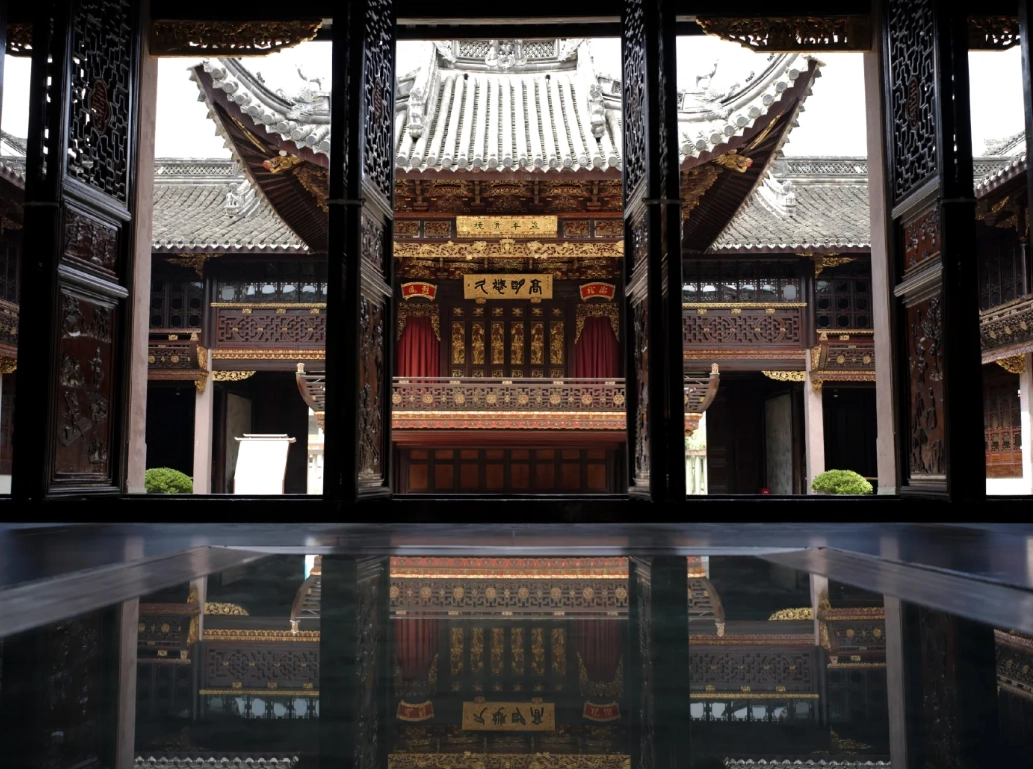
FAQ: Tough Questions About Tianyi Pavilion Museum by Subway
Final Thoughts: Why the Subway Is Your Best Bet
Taking the subway to Tianyi Pavilion Museum isn't just about avoiding traffic — it's about arriving calm, in sync with the local rhythm, and ready to absorb a place that has stood for over 450 years. The Ximenkou station drop-off is hands-down the most convenient access point, and with the ticket booking tips above, you can skip the hurdles that trip up many international visitors.
I remember the first time I took the subway there myself — I got off at Gulou and spent 20 minutes in a bustling market, missing the museum's quiet beauty. Don't make that mistake. Book your ticket, plan your exit, and let the ancient stones of Tianyi Pavilion welcome you. The journey, like the museum, is best done slowly.






No comments yet.