 Fang Wang
Your Fast-Track Guide
Lost in the visa maze? Forget the endless paperwork — I've guided dozens of travelers through Ningbo using the Zhejiang 240-hour visa-free transit, and the trick isn't complicated. It's about timing your exit. Let that sink in: you get 10 full days to explore Zhejiang without a standard visa — if you nail the entry requirements.
Here's the catch that breaks 90% of travelers: You must have an onward ticket to a third country before you land at Ningbo Lishe International Airport. No exceptions. Once that's sorted, you'll breeze through the dedicated transit lane and start your journey.
Now, forget those generic 24-hour stopover tips. I'm going to give you a step-by-step playbook — including a realistic 10-day itinerary, the exact apps to download, and the insider mistakes that can ruin your trip if you're not careful. Ready? Let's dive in.
What Is the Zhejiang 240-Hour Visa-Free Transit?
The Zhejiang 240-hour visa-free transit is a special immigration policy that allows eligible foreign nationals to enter Zhejiang province without a traditional visa and stay for up to 240 hours (10 days). It's part of China's broader visa-free transit program that now covers several provinces, but Zhejiang's version is particularly generous — it includes bustling Ningbo, historic Hangzhou, and scenic water towns like Shaoxing.
To be eligible, you must meet three core conditions:
- Hold a passport from one of the 54 approved countries (including the US, UK, Canada, Australia, and most European nations).
- Possess a confirmed connecting ticket to a third country or region — meaning your next flight out of China must go somewhere other than your home country.
- Enter and exit through a designated port. For Ningbo, that's mainly the Lishe International Airport and the Ningbo-Zhoushan Port.
Let me put it simply: you fly into Ningbo, spend a few days there, then take a train or plane to another Zhejiang city (or even Shanghai), and finally exit from a designated airport in the allowed region. As long as you leave within 240 hours, you're golden.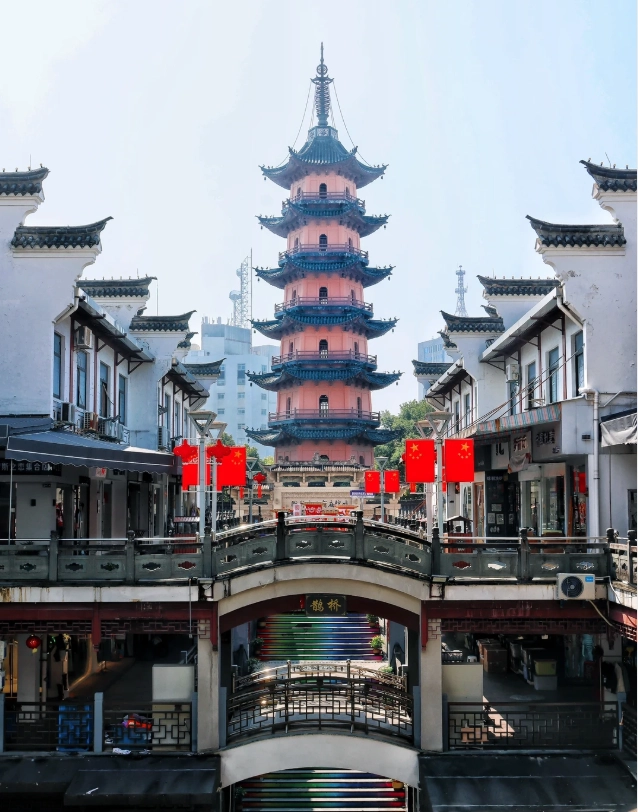
How to Use the 240-Hour Visa in Ningbo (Step-by-Step)
Step 1: Validate Your Eligibility
First, confirm your country is on the list. I always tell my clients to check the official Chinese National Immigration Administration website (English version). It updates regularly. If your passport is eligible, you're ready to plan.
Step 2: Book Your Onward Ticket
This is the non-negotiable piece. You need an international flight ticket from China to a third country — and it must be before you arrive in Ningbo. For example, if you're American, you could fly into Ningbo from Tokyo and then fly out from Shanghai to London. The ticket to London is your strong proof.
Step 3: Fill the Arrival Card
On your flight, you'll get a Chinese arrival card. Fill in the address of your first hotel in Ningbo. It's okay if you haven't booked a whole itinerary — just the first night's accommodation is enough.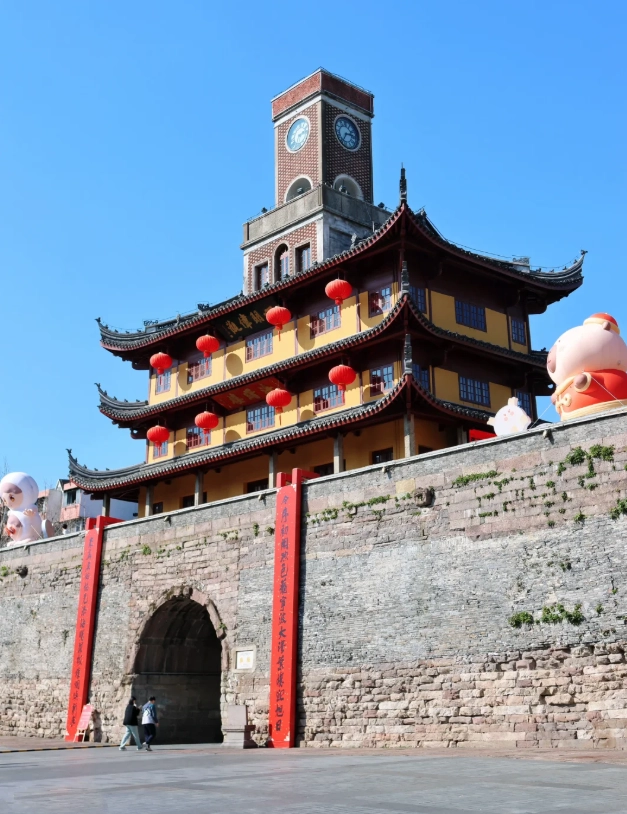
Step 4: Head to the Transit Lane
At Ningbo Lishe International Airport, don't join the regular immigration queue. Look for the sign that says “Transit Without Visa” or “240-Hour Visa-Free Transit.” Present your passport, the onward ticket, and your hotel booking. The officer will take your fingerprints, stamp your passport, and give you a stay duration of up to 10 days.
Yes, the line can take 30 minutes during peak hours, but it's straightforward. I've seen travelers overcomplicate this — it's truly just a few questions.
A Realistic 10-Day Ningbo & Zhejiang Itinerary
Here's the itinerary I personally recommend to first-time visitors. It balances city vibes, natural wonders, and ancient culture without turning into a marathon.
| Day | Base City | Highlights | Transport Time |
|---|---|---|---|
| 1 | Ningbo | Arrival, Old Bund, dinner | - |
| 2 | Ningbo | Tianyi Pavilion, Moon Lake | - |
| 3 | Ningbo | Xikou (Chiang Kai-shek's hometown) | 1h by bus |
| 4 | Hangzhou | West Lake, Hefang Street | 1h by HSR |
| 5 | Hangzhou | Lingyin Temple, Longjing tea fields | - |
| 6 | Shaoxing | Ancient water town, Lu Xun's birthplace | 45 min by train |
| 7 | Hangzhou | Back to Hangzhou, optional Grand Canal | 45 min |
| 8 | Ningbo | Return to Ningbo, Dongqian Lake | 1h by HSR |
| 9 | Ningbo | Shopping, Ningbo Museum | - |
| 10 | Ningbo | Departure | - |
This gives you plenty of breathing room. If you skip Shaoxing, you can add an extra day to Hangzhou or hop to Zhoushan island. The key is to avoid cramming too much — the 240-hour duration is generous, but your legs aren't.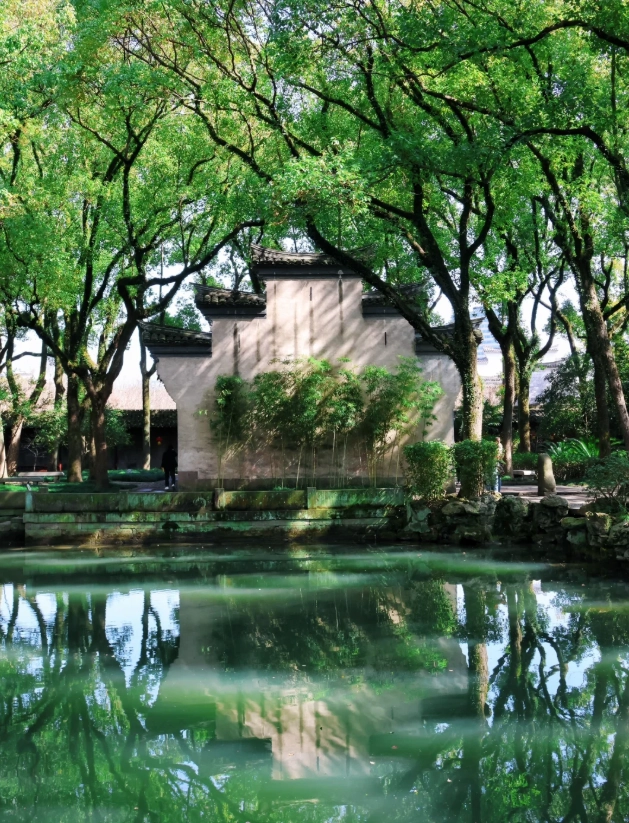
Daily Plans: Ningbo, Hangzhou, and Beyond
Days 1–3: Get Grounded in Ningbo
Start your first day slowly to beat jet lag. After landing, take a taxi or metro (Airport Metro Line 2) to your hotel in downtown Ningbo. Around 4 PM, wander over to the Old Bund (老外滩). It's a waterfront strip of colonial-era buildings now packed with cafes and bars. I love the contrast between the old warehouses and modern skyline.
For dinner, try Yongbang Cuisine at a local restaurant like Meilongmei. They do a killer “red-braised pork” and fresh crab. If you're not into heavy seafood, ask for their stir-fried greens.
On Day 2, head to Tianyi Pavilion (天一阁), China's oldest private library. It's about a 20-minute walk from Moon Lake (月湖). The entrance fee is around ¥30 — bring cash or use WeChat Pay. The library is serene, but the gardens are the real win.
Day 3: Take a local bus from Ningbo South Station to Xikou, a scenic town where Chiang Kai-shek was born. The ride takes about 70 minutes. The former residence is now a museum. Plan a half-day there and be back by 6 PM.
Days 4–6: Hangzhou & Shaoxing
Take the high-speed train from Ningbo to Hangzhou East — it's just 75 minutes. Buy your ticket the day before on Trip.com or at the station (use the passport machine). Check into a hotel near West Lake, like the Shangri-La or these days the Xixi Indigo. The lake is free to walk around, but avoid the midday sun — go at sunrise or just before sunset for those magical photos.
Lingyin Temple is another must-see. It's about 15 minutes by taxi from West Lake. The entrance is ¥45 and the temple complex is huge. I'll be honest — it can get packed, so go right at 8 AM. The giant carved Buddhas on Feilai Peak are worth the early wake-up.
For Shaoxing, take a 45-minute train from Hangzhou South. It's the hometown of writer Lu Xun, and the old streets are so unpretentiously authentic — order some yellow wine and stinky tofu while you're there.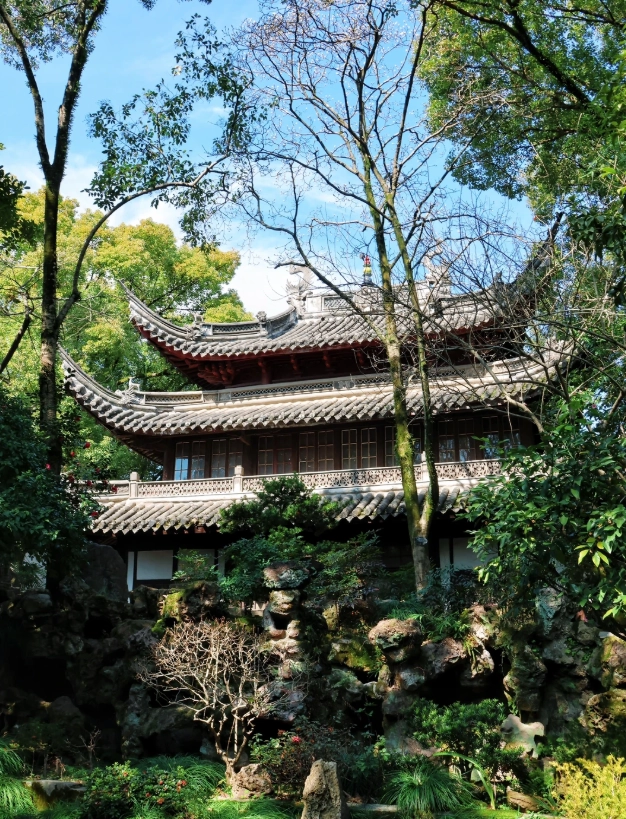
Days 7–9: Back to Ningbo and Coastal Vibes
Returning to Ningbo gives you a chance to explore areas you missed. Dongqian Lake (东钱湖) is a scenic cycle-ride or walk — rent a bike for ¥20 and explore the lake's south shore. The Ningbo Museum (宁波博物馆) is another gem, designed by architect Wang Shu. Its irregular brick façade is perfect for architecture lovers. Admission is free, but you must book at least a day ahead with your passport.
If you still have energy, do a day trip to Zhoushan Island — take the ferry from Ningbo Baoshu, about a 2-hour ride. The seafood there is legendary, but it's more for nature lovers than city slickers.
Practical Survival Tips for Foreigners (Payment, Transport, Apps)
Payment: Set Up Alipay or WeChat Pay Before You Fly
Make sure you have at least one of them linked to your international credit card. It's easy to do at home — just download Alipay, register and add your card. In China, nobody uses cash for small purchases. Even street vendors have QR codes. But keep a ¥200 emergency note — some tiny stalls might not have change.
Your international Visa or MasterCard might work in big hotels and some tourist shops, but don't rely on it — many museum ticket machines and smaller restaurants only accept WeChat/Alipay or cash.
Navigation: Google Maps Is Useless Here
Download Apple Maps or Amap (高德地图) before you arrive. Apple Maps actually works well in Ningbo and Hangzhou because it uses local map data. Amap now has an English mode (when you set your phone to English), but it can still be confusing. In a pinch, show the driver the Chinese name of your destination on your phone — that solves everything.
Booking Tickets: Use Trip.com or Klook
For high-speed rail and major attractions, Trip.com is a lifesaver. It lets you book with a passport number and sends an English e-ticket. For places like Tianyi Pavilion, you can just buy on-site with cash — but for museums like Ningbo Museum, scan the QR code at the entrance to do a free reservation with your passport.
Since 2025, some attractions have become strict about reservation times, so my habit is to book everything 48 hours in advance on Trip.com if the listing is there.
Network: VPN Is Essential
Prepare a reliable VPN before you fly. Without it, you can't use Google, WhatsApp, Instagram, or even your email. I've seen travelers pay for expensive “travel WiFi” just to bypass the firewall. Once connected, your apps work normally.
Also download Apple Translate or Baidu Translate for offline use. Most locals in Ningbo don't speak English, but they'll kindly help if you gesture. A simple “thank you” in Chinese — “xiè xiè” — goes a long way.
Where to Stay in Ningbo: Best Areas for Your Budget
Ningbo is smaller than Beijing or Shanghai, but picking the right spot saves you time. Here's my breakdown based on where I put my clients:
| Area | Atmosphere | Price Range (Night) | Best For | Distance to Top Sights |
|---|---|---|---|---|
| Old Bund (老外滩) | Hip, waterfront, nightlife | US$50–150 | Couples, solo travelers | Walkable to Tianyi Pavilion (15 min) |
| Downtown near Tianyi Square | Central, modern | US$35–100 | First-timers, families | Near Metro, shops, restaurants |
| Ningbo East New Town | Upscale, quieter | US$60–200 | Business travelers | 10-min drive to city center, 5-min walk to metro |
| Airport area | Convenient for layovers | US$30–80 | Late arrivals | Direct metro to city (20 min) |
I usually recommend the Old Bund area for tourists — you can step out at night and have the river view with a cocktail. The nearby Intercity Hotel (中国城际酒店) is practical, with decent WiFi and an English-speaking front desk.
Must-Try Local Dishes & My Favorite Eateries
Ningbo cuisine (甬菜) is all about freshness and savoury-sweet contrasts. Don't miss these three staples:
- Tangyuan (汤圆) — glutinous rice balls filled with sesame or pork. Look for the “Daiyang Shengjian” shop on the Old Bund, which has been making them for decades. Their pork tangyuan is my crutch.
- Red-braised crab (红膏炝蟹) — a cold appetizer of raw crab marinated in soy sauce and wine. It's bold, and the roe is like a burst of the ocean. Try it at Meilongmei (美龙美) near Tianyi Square — but bring a friend to share.
- Ningbo noodles (宁波汤面) — subtly slippery noodles in seafood broth. Any random aunty-run stall at breakfast will do; I always look for a big crowd.
For a nicer dinner, the Haiwang Seafood Restaurant on Zhongshan Road is a classic. It's loud and chaotic, but the fish tank selection means you know it's fresh. Ask for the “wrong” way to order — point at a fish and they'll cook it however you want. Average meal: ¥100 per person.
Note: Most local joints don't have English menus. But many have picture menus — just point and smile. Vegetarian? Ningbo isn't vegan-friendly, but you can get stir-fried seasonal veggies (清炒时蔬) at most places.
Zhejiang 240-Hour Visa FAQs
Final Tips: Make the Most of Your 10 Days
Finally, the golden rule: double-check your entry and exit dates on your passport stamp. Count 10 days from the day after arrival. If you land on the 1st, you must leave by the 11th at 23:59. I've seen someone misread the date and nearly overstay — that's the quickest way to ruin a trip.
Keep your passport with you at all times, especially when buying high-speed train tickets. Most hotels will photocopy it during check-in.
Ningbo is a city that rewards the curious. Whether you're eating dumplings at dawn or walking the ancient waterfront at sunset, the 240-hour visa gives you the rare chance to see real Zhejiang without the usual visa rush.
If you have any doubts, send me a message — I've been on the ground here for years, and happy to help you plan your exact route down to the flight.
Verified and fact-checked by the editorial team.






No comments yet.