 Fang Wang
What's Inside This Guide?
- Why Spend 4 Days in Ningbo?
- A Day-by-Day Itinerary for 4 Days in Ningbo
- How to Get Around Ningbo Without Getting Stuck?
- The Ultimate Ningbo Food Guide: What to Eat and Where
- Where to Stay in Ningbo for a 4-Day Visit
- Practical Tips for Foreigners: Payments, VPNs, and Booking
- FAQ: Your 4-Day Ningbo Questions, Answered
Let me be blunt: most 4-day Ningbo itineraries online will leave you exhausted and disappointed. I've guided dozens of foreign visitors through this port city, and the difference between a smooth trip and a chaotic one comes down to a few details nobody tells you about. — like how your international credit card won't work at 80% of local restaurants. So here's the real deal: within four days, you can see the classics, eat like a local, and still have time to breathe. The secret? Skip the packaged boat tours and dive into the old city on foot. That alone will save you half a day.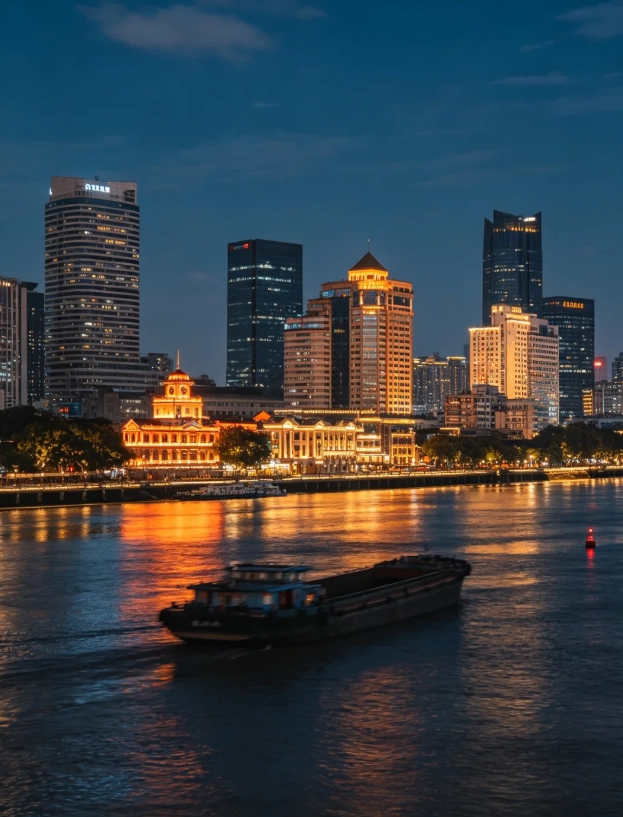
Why Spend 4 Days in Ningbo?
Ningbo is often overshadowed by Hangzhou and Shanghai. But that's precisely why it's worth a longer stay. With 4 days, you get not just the famous Tianyi Pavilion, but also the serene Dongqian Lake, the brutalist architecture of the Ningbo Museum, and a seafood culture that rivals any coastal city. I've been bringing guests here for a decade, and the ones who spend at least 3 nights always leave with a deeper appreciation. One day is a pit stop; four days is an experience.
Here's a surprise: many online guides forget that Ningbo is a major industrial port. That means two things — a constantly evolving skyline and an influx of fresh seafood from the East China Sea. You'll taste it in nearly every dish. And because fewer foreign tourists filter in, local shopkeepers are often friendlier, more curious, and eager to help.
Insider Advice: Don't try to pack in too many outside attractions. The city center itself has enough for three days, and a single day for Dongqian Lake makes a perfect balance.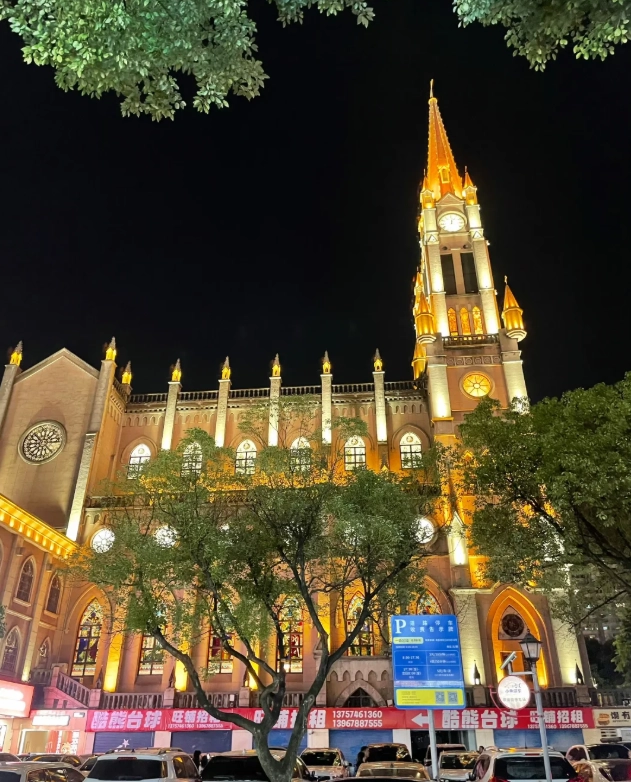
A Day-by-Day Itinerary for 4 Days in Ningbo
Below is the exact plan I use for my private guiding gigs. Stick to it as closely as you like, or mix and match. All travel times assume you're staying near downtown.
| Day | Focus | Must-See |
|---|---|---|
| 1 | History & City Vibe | Tianyi Pavilion, Moon Lake, Drum Tower, Old Bund |
| 2 | Nature & Modern Art | Dongqian Lake, Ningbo Museum |
| 3 | Culture & Food Crawl | Ningbo Museum (if missed), Chenghuang Temple, Food Night Market |
| 4 | Flexible Day Trip | Fenghua Xikou, Baoguo Temple, or downtown shopping |
Day 1: Tianyi Pavilion, Moon Lake, and the Old Bund
Start your trip at Tianyi Pavilion, one of the oldest private libraries in Asia. You'll need a ticket — about ¥30 for adults, with discounts for students and seniors. It's open from 8:30 to 17:30, but I suggest arriving by 9:00 to beat the tour groups. The location is right off Line 2 at Gulou Station, Exit F. From there, it's a 500-meter walk through a stretch of old stone houses.
You can book tickets on Trip.com in advance, which lets you skip the ticket window. Just have your passport ready for identity verification.
Pro Tip: The ticket office toilets are often crowded. Use the one at the visitor center opposite the main gate before you go in.
After two hours in the pavilion, walk across to Moon Lake Park. It's free, and the willow trees dipping into the water give you that classic Chinese painting moment. A full loop takes about 40 minutes. Don't rush it — sit on a bench and people-watch for a bit.
For lunch, I always take guests to Gangya Gou on Drum Tower Street. Their tangyuan (glutinous rice balls) are legendary, but the pork dumplings and crab tofu are equally impressive. Expect to pay around ¥40 per person. They accept Alipay, and *usually* cash too. Just don't pull out a credit card — it will fail.
After lunch, climb the Drum Tower for a short history lesson. It's free, and the view from the top gives you your bearings. Then walk west for 15 minutes to the Old Bund — the former foreign concessions area. The colonial buildings now house bars and restaurants. I like coming here right before sunset to catch the light on the Ningbo waterfront.
Dinner: pick any of the waterfront seafood spots. My go-to is Yongjiang Restaurant for their yellow croaker in sweet and sour sauce. Avoid the flashy boat restaurants — they're pricey and average.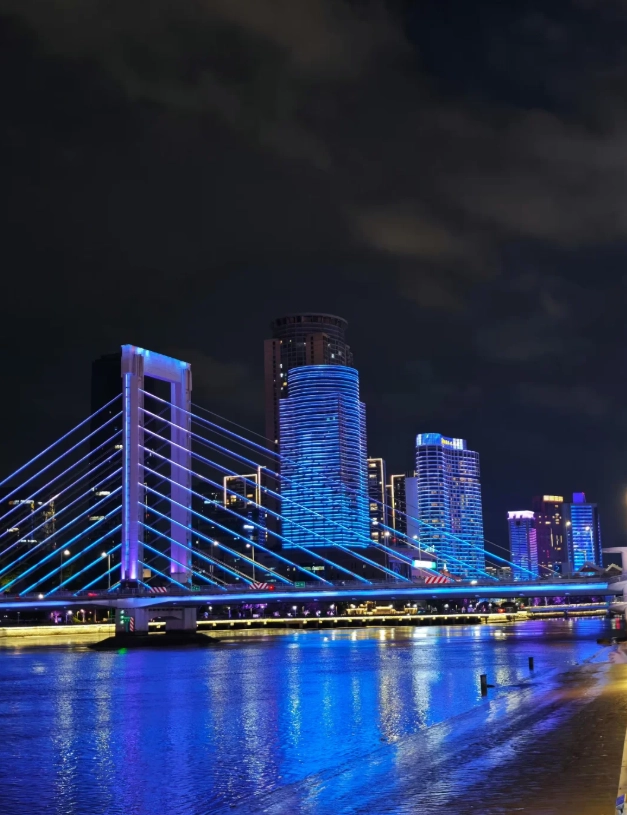
Day 2: Dongqian Lake or an Ancient Town
Today is about getting out of the city. Dongqian Lake is a 45-minute subway ride east of downtown. Hop on Line 4 and get off at Dongqian Lake Station. The one-way ride costs about ¥5 and gives you scenic wetland views before you even arrive.
Once at the lake, rent a bicycle or an e-bike to circle part of the shore. The full loop is around 30 kilometers, so don't attempt all of it unless you're a cyclist. I suggest riding from the south gate to the 800-year-old Yuewang Temple, then backtrack to the Shilin Forest and have lunch at a lakeside farmhouse restaurant.
These farm kitchens serve the freshest fish from the lake. Look for “湖鲜” (lake specialties) on the menu. Lunch runs ¥50-80 per person. Heads-up: many of these spots are cash-only or mobile-payment-only. You might want to keep a couple hundred yuan in cash for emergencies.
If you're not into cycling, take a battery-powered boat tour from the dock. It's less active but still beautiful. Afternoons are quieter than mornings, so you'll have the paths to yourself.
Back in the city, if you have energy, visit the Ningbo Museum for its mind-bending façade. It's free, but you must reserve a ticket in advance via their official WeChat mini-program. That's a hassle for foreigners — so use Trip.com or have your hotel concierge book it for you. The museum's permanent collection on Ningbo's maritime history and folk crafts is top-notch.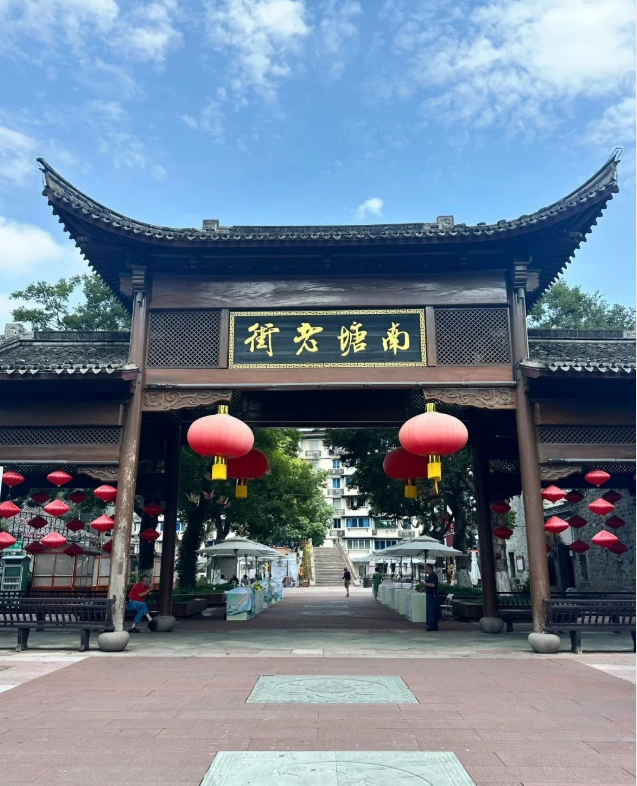
Day 3: Museums, Temples, and a Food Crawl
If you skipped the museum yesterday, start here. Otherwise, use the morning for a more off-beat visit to Baoguo Temple, one of the best-preserved wooden structures in China. It's about 30 minutes by taxi from downtown, and admission is just ¥20. There's no tourist crush, and the architecture alone is worth the trip.
Back in the city, dive into the Chenghuang Temple (City God Temple) neighborhood for a street-food crawl. This is where locals go to graze. Do not miss the fried taro dumplings and crispy rice cake with brown sugar. Vendors are scattered around, and most accept phone payments. If you're nervous about cash, you can usually find a corner shop to exchange small notes.
In the afternoon, head to the Tianyi Square shopping hub. It's not just retail — there's a huge pedestrian plaza with fountains, and nearby you'll find several old arcades. For a quirky break, duck into the Ningbo Old Bund Commercial Museum, a five-minute walk from the square. It's small and quiet, but it tells the story of the port's 19th-century boom.
As the sun sets, make your way to the Dongyu Night Market. It's a gourmet paradise with grilled squid, skewers, and jianbing. Bring your appetite. I always tell my guests to try the spicy crayfish — they're sweet and spicy, and while messy, they're a rite of passage.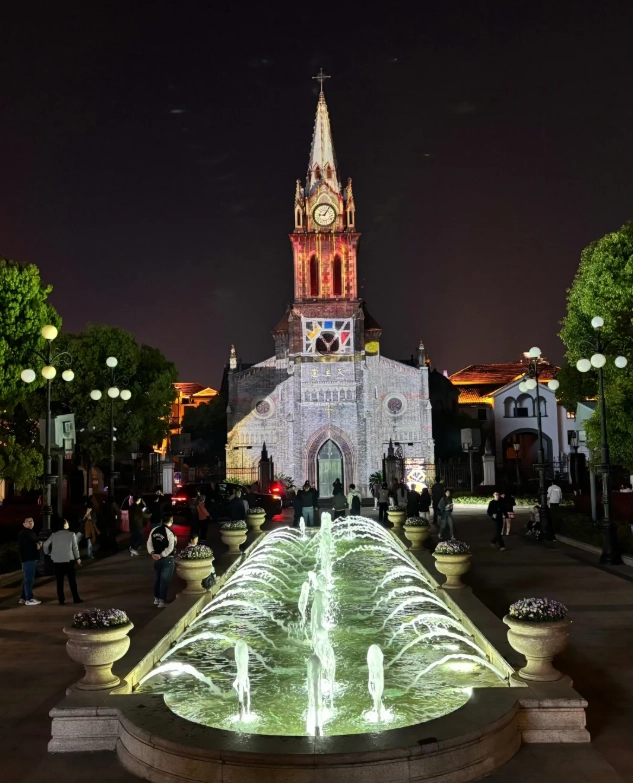
Day 4: Flexible Day Trip or City Strolling
You've seen the main sights. Now choose your farewell adventure based on your energy level:
- Option A — Fenghua Xikou: A full-day trip to Chiang Kai-shek's hometown. It's ~1 hour by bus or car. The old town and the Xikou River are atmospheric. Entrance to the main residence complex costs ¥120 (includes several spots). Go early to avoid crowds.
- Option B — Baoguo Temple again: If you missed it, do it. It's worth it.
- Option C — Stay city-side: Rent a bike and ride along the Yong River, visit the historic Jiuqu Lane, or simply sit at a modern teahouse. Sometimes the best moments are unplanned.
My personal favorite is Option A — but only if the weather cooperates. On a rainy day, stay inside and explore the underground shopping streets near Dongmenkou.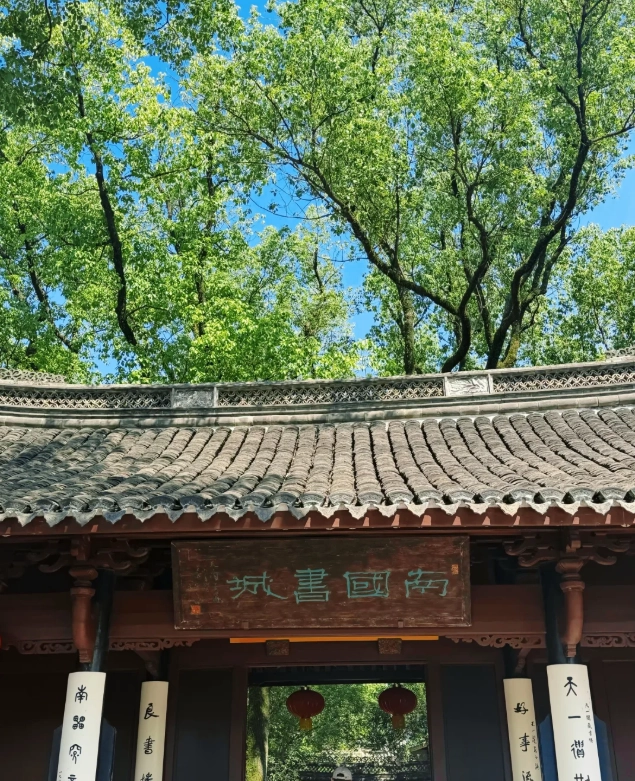
How to Get Around Ningbo Without Getting Stuck?
Ningbo's metro is your best friend. It's clean, cheap, and covers almost everything you'll visit. The four lines interlock at key stations, and each trip costs between ¥2 and ¥8. You can pay with your Alipay transit QR code — just switch your app to the “Transport” mode. Alternatively, buy a paper ticket using cash at any station's ticket machine, but note that half the machines accept only coins.
For any place the metro doesn't reach, use a ride-hailing app. DiDi is the local Uber. It works with an international Alipay account and is cheaper than taxis. Always have the four-character Chinese address of your destination ready to show the driver — Google Maps will let you down, and Apple Maps sometimes gives vague results.
If you prefer old-school taxis, you'll find plenty near hotels. Flag one down, but have your destination written down in Chinese. The meter starts at ¥10, and a cross-city ride rarely exceeds ¥30. Acknowledge that the driver might not speak a word of English — but with map in hand, you'll manage.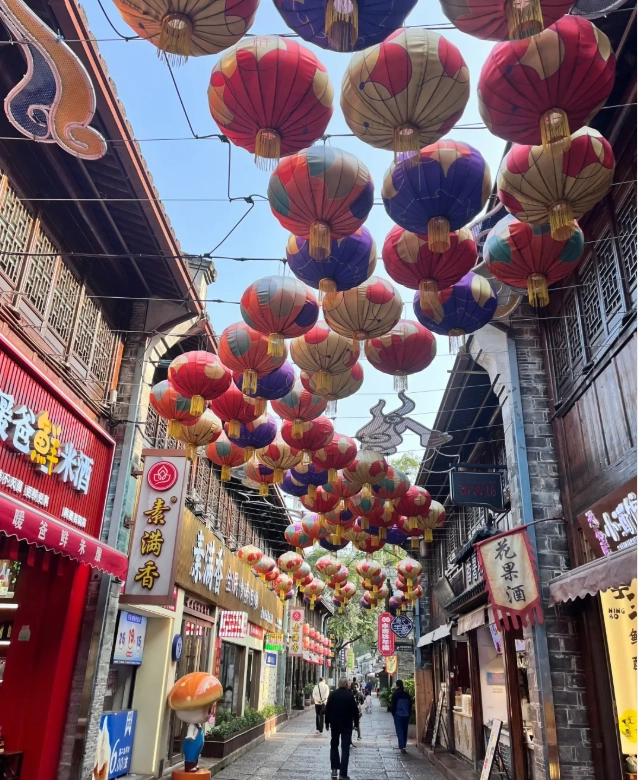
Pro Tip: The exit at Gulou Station is a labyrinth. If you're heading to Tianyi Pavilion, take Exit F and follow the crowd toward the white wall with the dragon mosaic. Don't trust your phone's GPS underground — the station is too big.
The Ultimate Ningbo Food Guide: What to Eat and Where
Ningbo food is a coastal symphony: salty, fresh, and unapologetically rich in seafood. You'll find red-cured raw crab (心艺), drunken shrimp, yellow croaker in rice wine, and the city's famous sweet rice balls. Every street corner offers a new temptation.
| Restaurant | Signature Dish | Avg. Price | Location | Payment |
|---|---|---|---|---|
| Gangya Gou (缸鸭狗) | Tangyuan, crab tofu | ¥40-60 | Drum Tower Street | Alipay, WeChat, cash |
| Shihpu Restaurant | Seafood platter, braised eel | ¥120-180 | Old Bund | All cards & mobile |
| Dongfuyuan | Steamed live fish | ¥80-120 | Tianyi Square | All |
| Chenlaowei | Yellow croaker noodles | ¥35-50 | Near Gulou | Cash / mobile |
For a real street-food experience, hit the Dongyu Night Market after 7 p.m. There, you'll find stalls selling everything from grilled squid to deep-fried taro cakes. My rule: if the line is long, it's worth it. If the stall is empty, think twice.
One warning: most mom-and-pop shops will *not* accept international credit cards. You absolutely need Alipay or WeChat Pay linked to your foreign card, or a wad of Chinese cash. I've seen stubborn tourists try to pay with a Mastercard and fail. Don't be that person.
Where to Stay in Ningbo for a 4-Day Visit
Pick a base that lets you walk to the historical sights. The Tiangyi Square area is the sweet spot: it's central, well-connected by metro, and has a range of hotels from budget to luxury. The Old Bund is more atmospheric but sometimes noisy at night. The Railway Station is convenient for day trips, but it's a bit far from the old town.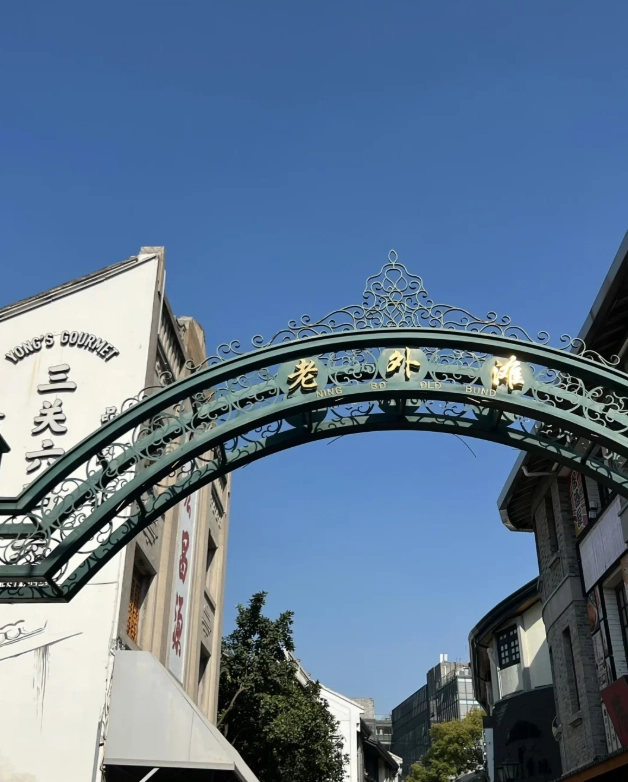
| Hotel | Range/Night | Pros | Cons |
|---|---|---|---|
| Suning Hotel Tiangyi Square | ¥300-500 | Central, English-speaking staff | Rooms a bit dated |
| Full House Hotel | ¥250-350 | Quiet, near metro | Limited breakfast options |
| Sofitel Ningbo | ¥900-1,300 | Luxury, spa, international buffet | Far from old town |
| Youth Hostel (Downtown) | ¥80-150 | Cheap, social | Shared bathrooms |
Confirm that your hotel has a working elevator — I once stayed in a “budget” hotel on the fourth floor without a lift, and it was a nightmare with luggage. Also, ask if the front desk staff can print your attraction reservation emails (they usually can).
Practical Tips for Foreigners: Payments, VPNs, and Booking
Here's the survival kit for an easy 4 days in Ningbo:
- Payments: Download Alipay and link your international Visa/Mastercard. This works for metro, taxis, most restaurants, and ticket machines. It takes 5 minutes and saves you from countless awkward moments. Keep ¥200-300 in cash as backup for tiny stalls.
- VPN: You won't be able to access Instagram, WhatsApp, or Google without it. Set up a reliable VPN before you land. Free ones often don't work — shell out for a paid service.
- Language: Get a translation app like Baidu Translate or Apple Translate. The real-time camera translation is a lifesaver for menus. Also, print or save this phrase: “我不懂中文,请用简单英文” (I don't understand Chinese, please use simple English).
- Bookings: For attractions that require reservations (like the Ningbo Museum), use Trip.com or Klook. They handle passport registration in English. The official WeChat mini-programs are all in Chinese and a pain to navigate — even I struggle with them.
- Connectivity: Most hotels have Wi-Fi, but you'll still need the VPN for certain sites. Consider getting a local eSIM with data — you can pick one up at the airport for about ¥50/day.
FAQ: Your 4-Day Ningbo Questions, Answered
This content has been fact-checked to ensure informational precision.







No comments yet.