 Yan Zhou
Let me save you the mistake. Most visitors to Zhejiang spend three days glued to Hangzhou’s West Lake and never board the 50-minute train to Ningbo. That’s a shame. I’ve led dozens of first-time visitors on a Hangzhou to Ningbo itinerary, and every single one walked away stunned by Ningbo’s ancient docks, the serene Dongqian Lake, and the fact that locals outnumber tourists 10 to 1. But here’s the catch — you need to get the logistics right. Google Maps is useless, cash is barely accepted, and ticket booths may ignore you if you don’t have a Chinese app. This article is born from my own failed attempts and many successful tours. I'll show you exactly how to book the train, which sights deserve your money, and the breakfast spot that will haunt you in a good way.
Why Choose a Hangzhou to Ningbo Itinerary?
Hangzhou gives you the picture-perfect lake, the temples and the romance — the image that ended up on ancient Chinese scrolls. Ningbo, on the other hand, is the gritty, real, working port city where seafood arrives fresh at 4 a.m. and where history layers like geological strata. I always tell my groups: Hangzhou is the postcard; Ningbo is the handshake. The two cities connect a coherent story: from silk and tea in Hangzhou to maritime trade and the world’s oldest surviving library in Ningbo. If you're open to seeing another side of Zhejiang, this route gives you a deep cultural contrast without needing a plane ticket.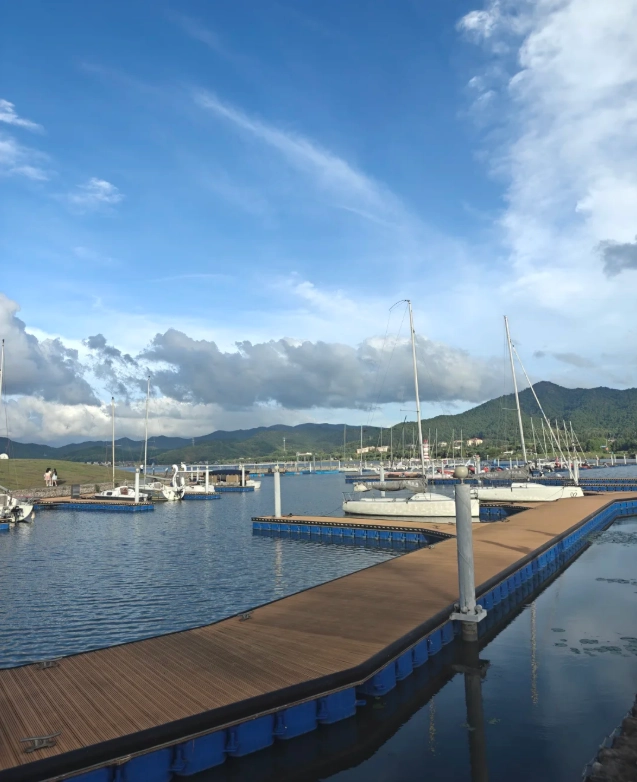
Best Way to Travel from Hangzhou to Ningbo
High-Speed Train: The Smartest Choice
The high-speed train is the fastest and most comfortable option, running every 20 to 30 minutes from Hangzhou East (Hangzhou Dong) to Ningbo Station. Journey time is about 50 to 75 minutes depending on the service, and the price for a second-class seat is around 71 CNY unless you catch a flexible fare. The ride is basically 60 minutes of staring at green tea fields and delta marsh. I personally never take the bus — you only save about 30 RMB but waste two hours.
| Mode | Duration | Cost (approx.) | Best For |
|---|---|---|---|
| High-speed train (G / D) | 50–75 min | 71–100 CNY (2nd class) | Speed, comfort, punctuality |
| Long-distance bus | 2–3 hours | 55–70 CNY | Budget travelers who have extra time |
| Driving / taxi | 1.5–2 hours | 300+ CNY (tolls included) | Groups of 3+ or flexible stops |
| Private car service | 1.5–2 hours | 500–700 CNY | Families or those with luggage |
Now, let me save you some money and stress: book your ticket on Trip.com or the official 12306 app. When I say official, I mean the app you can actually read in English. The 12306 website has an English section, and it’s safe, but if you book through Trip.com you get a small commission for me and a simpler interface. You must use your passport number to purchase — every foreigner goes through the same process. If you wait until you arrive at the station, you can get a ticket, but you risk missing the train that fits your schedule, especially during Chinese holidays. And don't bother with a paper ticket. You just scan your passport at the gate.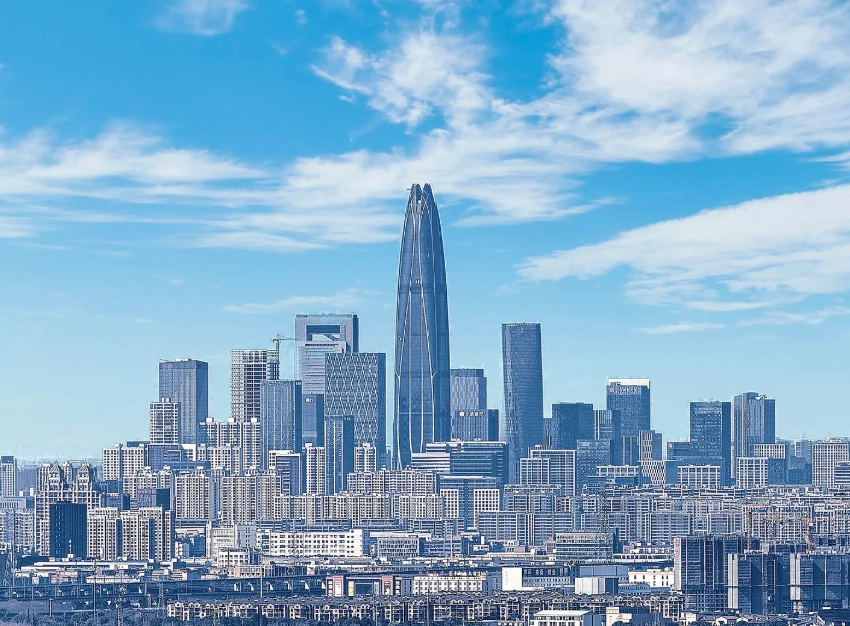
Booking tips that even my clients forget
Use the English name “Hangzhou East” when searching on Trip.com, but at the station look for the Chinese sign 杭州东. For Ningbo, it’s simply 宁波. If you use a taxi or ride-hailing app to get to the station, have the Chinese characters ready on your phone. The driver rarely speaks English. Also, the train station security line can get congested on Sundays — I recommend arriving 30 minutes early, not an hour, to avoid boredom, but during national holidays, push that to 45 minutes.
My 3-Day Hangzhou to Ningbo Itinerary
Day 1: Hangzhou West Lake & Lingyin Temple
Start your day early at West Lake, but avoid the famous Broken Bridge if you want photos without groups. I always take my guests to the opposite side, at the Confucius Temple of Hangzhou (杭州孔庙). This is a local secret. The lake here is calm, the willows are perfectly in frame, and you’ll see cormorant fishermen at sunrise. Bring 10 CNY for the temple entrance, and bring cash because the prepaid card system for the lake area doesn’t take foreign cards.
From the Confucius Temple, walk east for 10 minutes to Longxiang Island. There is no need for a tour boat, honestly. Then take a taxi (about 20 yuan) to Lingyin Temple. The temple complex is huge, and the entrance fee is 45 CNY for the flying peaks plus 30 CNY for the temple itself. Buying ticket at the gate means using the machine or window — the staff will gesture to a QR code, but your passport is needed for a paper ticket. I recommend buying through Trip.com to save the hassle. The temple grounds open at 7:00, and I swear, you should be in by 7:30 to see the stone carvings in peace. After 10 a.m., tour groups flood in. Lunch is simple: eat at the temple's vegetarian canteen, where a set meal is 25 CNY. There is no English menu, but just point at the plastic food models.
Day 2: Morning in Hangzhou + Afternoon Ningbo
Do not repeat what everyone does — skip the Beijing-style Hutongs and instead visit the Grand Canal in a small water town. Actually, for a first timer, I'd say take the ferry on the Grand Canal from Wulinmen to Gongchen Bridge. It's a humble local experience that many Chinese tourists take, but almost no foreigners know. The boat costs 3 CNY, runs every hour, and the ride shows you a slice of residential Hangzhou. Make sure to ride around 11 a.m. to avoid high sun. Then grab a quick lunch in the canal area.
Now, this is where the itinerary gets real. Catch the 13:00 high-speed train from Hangzhou East to Ningbo. In the station, buy a snack at the convenience store — the train food is fine but bland. At 13:55 you'll be in Ningbo. Drop your luggage at a hotel near the train station if your hotel is far, or use the luggage lockers at Ningbo Station (10 CNY for a large locker). Then immediately go to Ningbo Museum, designed by Wang Shu. The façade is made of recycled bricks, and the interior tells the story of Ningbo as a port. Entry is free, but you must reserve in advance online — best to book via Klook, where the English page works clearly. Spend about 2.5 hours there.
From the museum take a taxi to Tianyi Square (about 15 minutes). Walk around the square, see the old city wall fragments, and have dinner at one of the seafood alleys nearby. I'll recommend a specific restaurant in the food section below.
Day 3: Ningbo’s Hidden Gems
Today is the ultimate contrast: Dongqian Lake, the largest freshwater lake in Zhejiang, and the quiet streets of the old city. Rent a bike or take the electric shuttle at Dongqian Lake. It's 25 kilometers around. I recommend renting an e-bike near the south gate (about 60 CNY for 2 hours). You'll pass through small villages where time stands still. On a clear day, you can see the mountains of Tiantai about 30 km away. This area is very relaxed; you might see locals fishing or playing mahjong under trees. Don't plan for more than 3 hours if you're not biking the full loop.
Back in the city, visit the Old Bund (Lao Waitan) — the birthplace of Chinese commercial culture. The colonial-era warehouses have been converted into art galleries and cafes. From here, walk 10 minutes to the famous Tianyige, China's oldest existing private library. The gate is modest, but the garden is surprisingly beautiful and peaceful. Envy the ancient books inside. The entrance fee is 30 CNY, and you can get tickets at the gate, but you'll need your passport for the record. You can also buy via Trip.com. After that, walk to the Drum Tower (Gulou) area for a snack, or just sit at a tea house.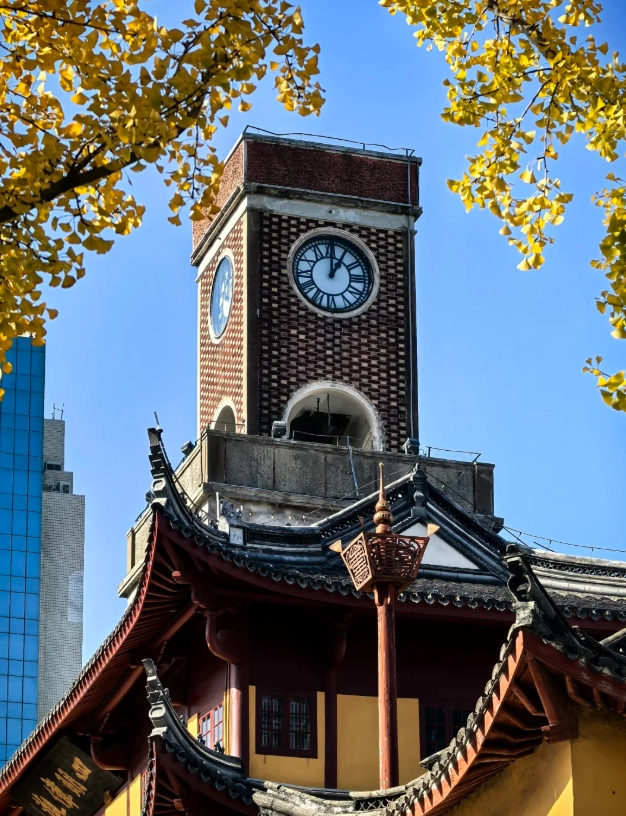
What to Eat Along the Route
Zhejiang cuisine is light, fresh and often a little sweet. In Hangzhou you must try Beggar’s Chicken and Dongpo Pork. In Ningbo, go straight for seafood noodles and tangyuan (glutinous rice balls). Here are my restaurant picks, all tested on myself and my groups.
Hangzhou: Grandma’s Kitchen (外婆家)
This chain is famous, but the West Lake branch is well-managed. The tea-scented shrimp and the black pork ribs are my must-orders. Average cost per person is 60–80 CNY. It is always crowded between 12:00–13:30, so go at 13:45. Most branches accept QR payment, but they also take cash and sometimes international credit cards. There is an English menu updated recently. I always tell people to ask for the “hot sensation” plate — it's not on the English menu, but the staff will know.
Ningbo: Dongqian Lake Smoked Fish
At Dongqian Lake, there is a small restaurant called Huming Hotel Restaurant. Locals line up for the smoked fish and the farmhouse tofu. The deep-fried river shrimp are so crispy you eat them whole. It's about 50 yuan per head. The menu is only in Chinese, but the owner is kind and will point at the fish tank. They accept Alipay and cash. No international cards. Bring your translation app and enjoy the chaos.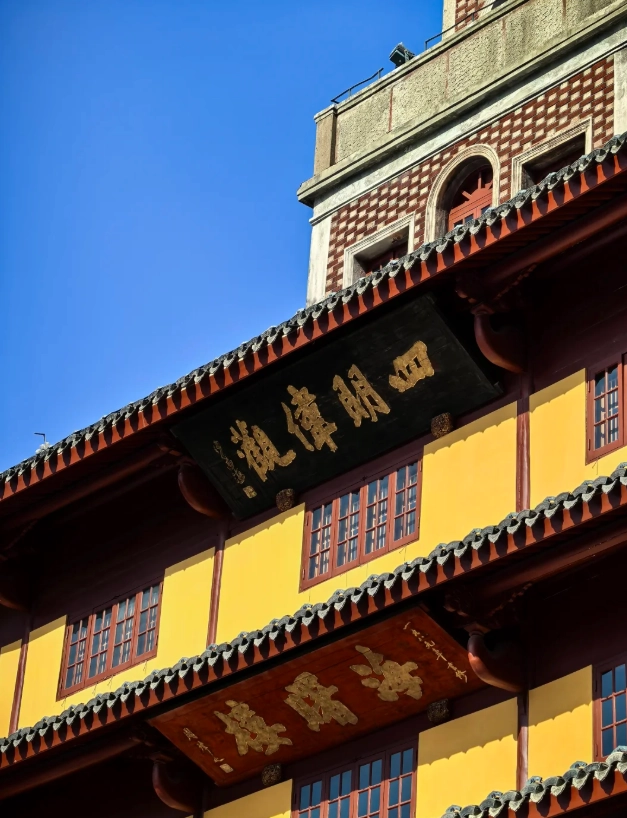
Where to Stay: Hangzhou vs Ningbo
Since you're on a two-city loop, I recommend 2 nights in Hangzhou and 1 night in Ningbo, or vice versa. This table breaks down the hotel types I often book for clients.
| Hotel Area | Price (per night) | Pros | Cons | Best For |
|---|---|---|---|---|
| West Lake (Hangzhou) | 400–800 CNY | Walking distance to lake, charming | Traffic, old buildings | Romantic trips |
| Hangzhou City Center (near Wulin Square) | 300–600 CNY | Metro, restaurants, nightlife | Not as scenic | Budget and nightlife |
| Ningbo Station area | 250–450 CNY | Convenient arrival, luggage storage | Dull area at night | Short stay, easy access |
| Ningbo Old Bund | 450–700 CNY | Historic vibe, cafes, river views | Some buildings lack elevator | Culture and photos |
For hotels, I always stress: check the Wi-Fi reliability, because many Chinese websites have strong firewalls, but hotels work hard to keep international Wi-Fi stable. Book via Trip.com or Agoda; you'll get a better refund policy than a direct booking.
Practical Tips for Foreigners (Payment, Maps, VPN)
First, set up Alipay and WeChat Pay before you leave. Link your international Visa or MasterCard. In both Hangzhou and Ningbo, even noodle stalls accept QR codes, but cash is not always accepted, especially for small amounts. The train station ticket machines accept cash, but the auto ticket gates are QR-only. Don't be the person who gets stuck at the subway turnstile.
Second, Google Maps is unreliable in China. It will show you streets that don't exist or keep sending you backwards. I use Apple Maps for walking because it works with the local GPS, and for driving / taxi, use AMap (高德地图); it has an English mode called “AMap Global.” When taking a taxi, show the driver the Chinese address on your phone. If you use DiDi (the Chinese Uber), the app has English support — be careful to set the payment option to Alipay.
Third, get a VPN installed before you arrive. Without it, Google, Gmail, WhatsApp, and many others will be blocked. I use virtual private networks myself when I travel with European guests; just make sure the VPN works while you're connected to hotel Wi-Fi. Download Apple Translate or Baidu Translate for offline use. Most Chinese taxi drivers cannot speak English, so a translation app with a text-to-speech function is a lifesaver.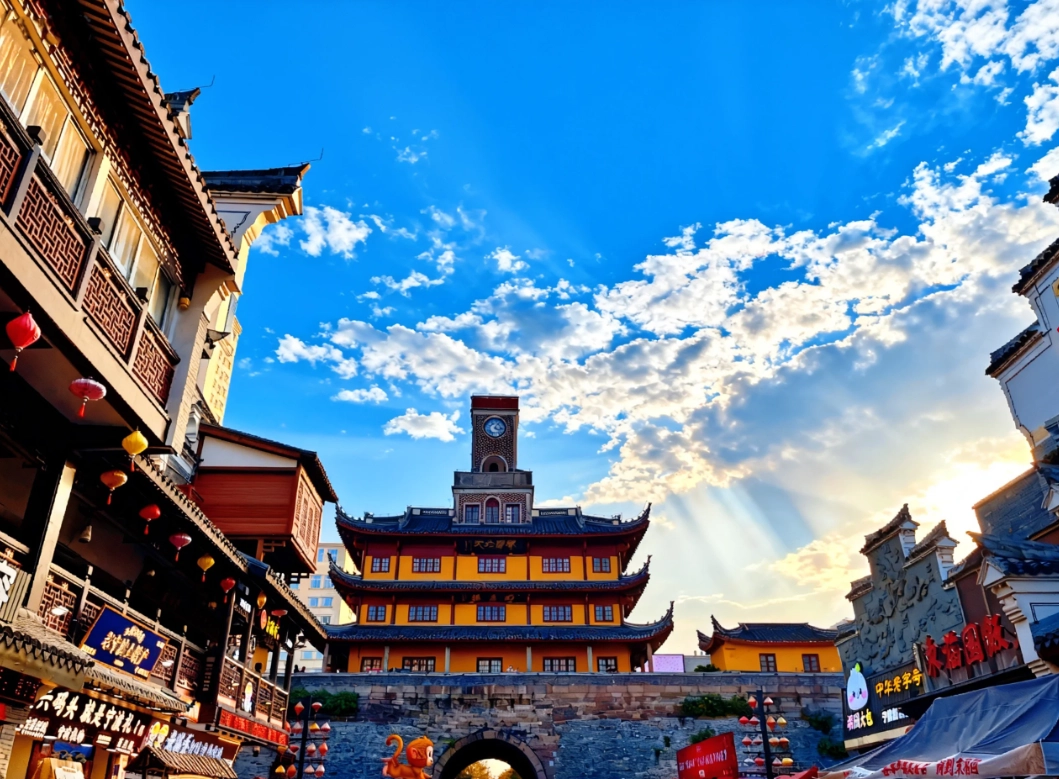
Insider Advice: Always carry a small pack of tissues or a tiny hand towel. Many public bathrooms in China don't provide toilet paper. This is my number one cultural tip that no guidebook mentions. You'll thank me later.
Fourth, attraction booking. Many sites like the Ningbo Museum or Hangzhou West Lake scenic area require real-name booking, which means passport numbers. If you prefer not to share your passport, book via Trip.com or Klook — these platforms let you enter your passport and generate a ticket quickly. Otherwise, you might be turned away at the gate because the QR code system is tied to a Chinese ID.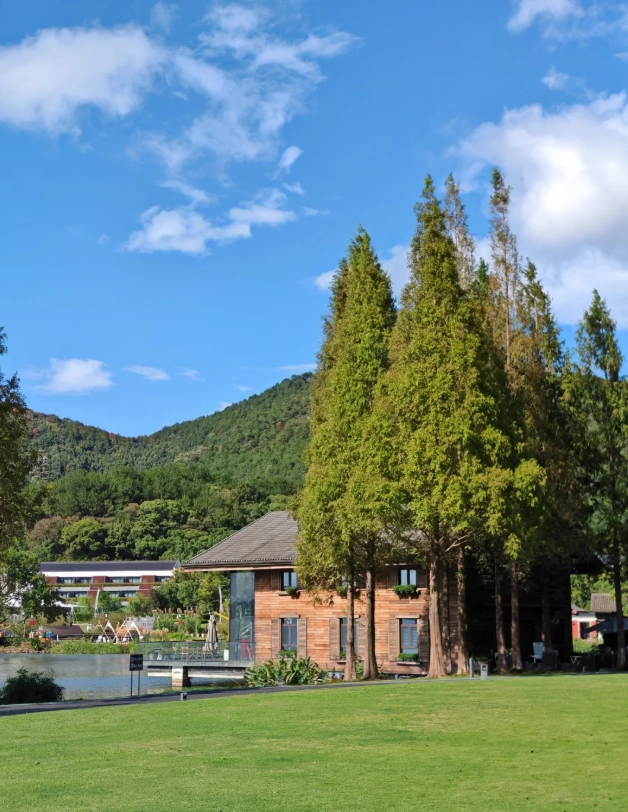
Traveler’s FAQ
Verified and fact-checked by the editorial team.





No comments yet.