 Yan Zhou
What You'll Find Below
I'll be honest: I've never been a fan of audio guides. They often feel robotic and slow. But the one at Tianyi Pavilion? It changed my mind. This place is a maze of courtyards, dark wooden halls, and hidden gardens—without audio guidance, you'll miss half the stories etched into the architecture. So let me save you the confusion I had during my first visit, and walk you through everything you need to know about the Tianyi Pavilion Museum audio guide.
Here's the thing: this museum was once the private library of Fan Qin, a Ming-dynasty official. It's considered the oldest surviving library in China, and it's packed with rare books, stone inscriptions, and beautiful landscaping. But the layout is tricky. The audio guide becomes your personal historian, pointing out details you'd never notice on your own. I always tell my clients to grab one before entering—otherwise, you'll spend three hours walking in circles.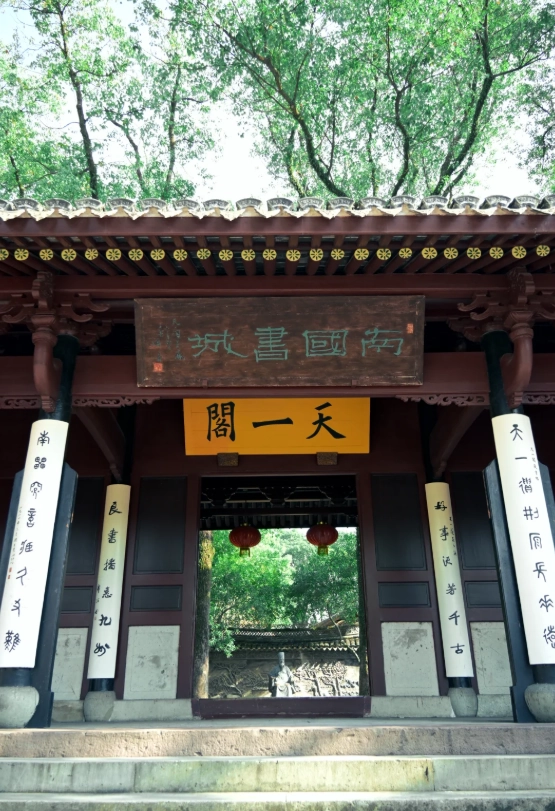
Why the Audio Guide is Worth It
The audio guide transforms a tranquil stroll into a time machine. It's not just about facts—it's about the atmosphere. The guide explains the symbolism behind the architecture, the history of the Fan family, and the stories of stolen books and fires that nearly destroyed this treasure.
I tested it myself last month. The narration is clear, and the English version is well-translated, not the usual robotic voice. It takes about 90 minutes to complete the main loop, but you can pause and skip. The device is lightweight, and you wear it around your neck like a lanyard. The best part? It's available in multiple languages—Chinese, English, Japanese, and Korean. So even if your Chinese is still at the "nǐ hǎo" level, you're covered.
What the Audio Guide Includes
The tour covers the main halls, including the Dongming Grass House, the Fan's Ancestral Hall, and the famous "Heavenly One Pavilion" that gives the museum its name. You'll also learn about the unique fire-prevention design—the word "Tianyi" literally means "one heaven," reflecting the ancient belief that the Roman numeral one is linked to water, symbolizing the wish to protect the library from fire.
But hey, the audio guide doesn't cover everything. As I'll detail later, there are a few hidden corners you'll only find if you wander off the beaten path.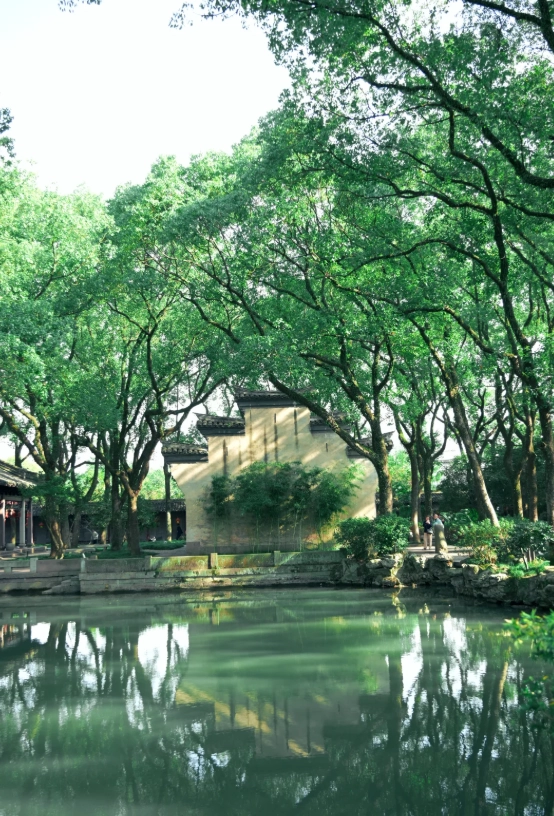
How to Get Tickets and Rent the Audio Guide
Booking your ticket in advance is a must, and you'll need your passport. The museum now requires real-name registration for all visitors. The easiest way for foreign travelers is to book through Trip.com or Klook—both have an English interface and accept international cards. Just search for "Tianyi Pavilion Museum" and select your date.
Ticket Prices and Opening Hours
| Category | Price (Approx.) | Notes |
|---|---|---|
| Adult | 30 RMB | Subject to change, check official sources |
| Student | 15 RMB | Valid international student ID required |
| Senior (60+) | Free | With valid ID/passport |
| Audio Guide Rental | 20 RMB | Deposit possibly required |
Opening hours vary by season. Generally, it's 8:30 AM to 5:30 PM from April to October, and 8:30 AM to 5:00 PM from November to March. Last admission is 30 minutes before closing. Note: the museum is closed on Monday mornings (except on public holidays). I've learned this the hard way—once I took a group there on a Monday and we stared at a locked gate for an hour. Don't repeat my mistake.
Renting the Audio Guide: Step by Step
- After you scan your passport at the entrance, walk straight to the counter on the right.
- Show your ticket and ask for an "audio guide" (or just point at the device displays).
- Pay the rental fee (cash is rarely accepted, so use Alipay, WeChat Pay, or try your international card—but don't rely on it).
- You'll receive a device with headphones. If you prefer your own earphones, bring a 3.5mm jack or ask for an adapter.
Pro tip: If you don't want to carry the device, you can scan the QR codes on plaques inside the museum to listen on your phone. However, this often requires an app or a good battery, so I still recommend the official rental.
Getting to Tianyi Pavilion: A Foreigner's Guide
Navigating to the museum is easier than you think, as long as you forget Google Maps. Google Maps is unreliable in China—it often shows wrong locations for buildings and can lead you astray. Instead, use Apple Maps (which works okay) or download AMap (高德地图) before your trip. AMap has an English mode and is extremely accurate in Ningbo.
Here's the address in English and Chinese:
Address: 10 Tianyi Street, Haishu District, Ningbo, Zhejiang, China
中文地址:中国浙江省宁波市海曙区天一街10号
Public Transportation Options
| Mode | Details | Time from City Center |
|---|---|---|
| Metro | Line 1 to Gulou Station, Exit A. Walk south for ~10 minutes. | ~20 min |
| Bus | Take bus 9, 10, or 820 to "Tianyi Ge" stop. | ~25 min |
| Taxi/Ride-hail | Use Didi (Chinese Uber) or hail a cab. Show the Chinese address to the driver. | ~15 min without traffic |
If you're using Didi, the app is available in English (download from the Apple App Store or Google Play). Set your pick-up location manually, and put the Chinese address in the "To" field. I usually tell my clients to save the Chinese address on their phone's notes app—it saves time when you're in a hurry.
Payment Apps and Connectivity
You'll need Alipay or WeChat Pay to pay for almost everything. Both accept foreign Visa and Mastercard for top-ups, but the process can be tricky. Set these up before you arrive in China, because the validation step needs your passport. Also, don't forget a VPN for your phone if you want to access Google—or better, get a local SIM card from telecom shops at the airport.
Best Time to Visit to Avoid Crowds
Arrive at 8:30 AM sharp or go after 3 PM for a peaceful experience. The museum sees its biggest crowds between 10 AM and 2 PM, especially on weekends and holidays. I've been there when the courtyards were jam-packed with tour groups, making it impossible to enjoy the serene atmosphere.
When I Recommend Going
My favorite time is the last hour before closing—around 4 PM. The light gets golden, the tour groups have left, and the gardens take on a magical glow. Plus, you can enjoy the sunset from the famous stone pavilion. Just remember that last entry is 30 minutes before closing, so aim to arrive by 3:30 at the latest.
Weekday mornings are also fantastic if you want to feel like you have the place to yourself. I once spent two hours there and only saw five other visitors. It was sublime.
What the Audio Guide Covers (and Misses)
Stick with the audio route first; then explore the gaps. The official route covers about 70% of the accessible areas. You'll see the library, the ancestral hall, and the two gardens (East Garden and South Garden). But there are some hidden gems that the guide skips entirely.
Highlights You Won't Want to Skip
- The East Garden: A classic Jiangnan-style garden with a pond, rockeries, and ancient trees. The audio guide mentions it, but I recommend sitting on the pavilion bench for a few minutes to soak in the peace.
- The Stone Steles: Embedded in the walls of some halls are carved stones with famous calligraphy. The guide points out a few, but there are dozens more.
- The Compass Room: A unique exhibition of compasses and navigation tools used by ancient sailors. It's easy to miss because it's tucked away near the exit.
Insider's Spots the Audio Guide Ignores
Behind the South Garden, there's a small door that leads to a quiet courtyard with a well and some old trees. It's not on the official map. I discovered it when I got lost looking for a bathroom. If you find it, you'll have a perfect photo spot with no one in the background.
Also, check the second floor of the "Fan's Book Collection Building" if it's open—there's a reading room that's rarely visited, and the view from above shows the beautiful symmetry of the rooftops.
Insider Tips for a Deeper Experience
Treat the audio guide as a companion, not a lecturer. Let it tell you the facts, but give yourself time to wander. Here are a few tips I've gathered from years of guiding groups.
Photographing the Gardens
Lighting is everything. The best photos are in the early morning or late afternoon. If you're there at midday, the harsh light washes out the details. Also, the pond in the East Garden reflects the sky beautifully—get low and shoot from a crouching position.
Pairing with Other Ningbo Sights
Tianyi Pavilion is located in the historic center of Ningbo. You can easily combine it with two other attractions:
- Lao Wai Tan (Old Bund): A waterfront area with European-style buildings—about 15 minutes away by car.
- Ningbo Drum Tower (Gulou): Right above the metro stop, with a lively street for snacks. You can explore it after your visit.
If you only have half a day, spend 2-3 hours at Tianyi Pavilion and then head to the Drum Tower for a late lunch. If you have more time, add a visit to Nanxi River (about an hour away) for natural scenery.
FAQ: Quick Answers Before You Go
I hope these tips help you enjoy Tianyi Pavilion without the usual hiccups. It’s one of my favorite places in Ningbo—quiet, historic, and surprisingly photogenic. If you have any more questions, drop them in the comments (if you're reading this on my blog) or as a follow-up here.
Verified and fact-checked by the editorial team.







No comments yet.