 Fang Wang
Quick Menu — What's Inside
- Why Ningbo Deserves a Spot on Your China Itinerary
- Top Things to Do in Ningbo: My Must-See List
- Getting Around Ningbo: Tips from a Local Guide
- What to Eat in Ningbo: Local Dishes You Can't Miss
- 24 Hours in Ningbo: A Realistic Itinerary
- Where to Stay in Ningbo: My Recommendations
- FAQ: Your Ningbo Questions, Answered
Let me tell you something that might sound strange. Most tourists in China skip Ningbo entirely, and that's exactly why you should go. It's not that it's hidden — it's that they're too busy rushing to Shanghai or Hangzhou. I've been taking travelers to Ningbo for years, and the reaction is always the same: 'Why didn't anyone tell me about this place?' So, if you're searching for things to do in Ningbo, you're already on the right track. The city is small enough to enjoy without a complex plan, yet big enough to surprise you. My simple answer? Focus on the old library, the lake, the riverfront, and a museum or two. That's the core of any successful Ningbo trip.
Why Ningbo Deserves a Spot on Your China Itinerary
Ningbo is often overshadowed by its flashier neighbors, but that's exactly why it's such a gem. It's a port city with over 1,200 years of history, and it's been a center of trade and culture since the Silk Road. The city has a unique blend of ancient architecture, modern design, and a laid-back pace that lets you breathe. You won't fight selfie sticks or get pushed along endless queues. Instead, you'll find quiet lanes, misty lakes, and some of the friendliest locals I've met in China. It's also a food heaven — the seafood is pulled fresh from the East China Sea every morning.
Top Things to Do in Ningbo: My Must-See List
1. Tianyi Pavilion (天一阁)
This is the oldest private library in Asia, built in 1561. It's a mini-universe of books, gardens, and stone carvings. I've been here twenty times, and I still get lost in the maze-like courtyards. The collection includes rare Ming dynasty editions, but the atmosphere is what wins you over. You'll feel like you've stumbled into a scholar's retreat from another century.
- Address: 10 Tianyi Street, Haishu District
- Admission: Around 30 RMB (student discounts available with a student card)
- Advance booking: Required — book via the official WeChat mini-program or through Trip.com. Bring your passport.
- Getting there: Metro Line 1 to Tianyi Pavilion Station, Exit B. A 5-minute walk.
- Hours: 8:30 AM – 5:30 PM (closes at 5:00 PM in winter), closed on Mondays.
- Time to allow: About 2 hours.
Pro Tip: The garden pond in the northwest corner gives the classic reflection shot. Arrive by 8:30 AM before the tour groups show up, and you'll have the place nearly to yourself.
2. Dongqian Lake (东钱湖)
If you're looking for a peaceful escape from the city, this lake is your answer. It's larger than West Lake in Hangzhou, but with barely a handful of tourists. The western shore has a dedicated bike path that winds through willow trees and ancient villages. You can rent a bicycle or an e-scooter for 20–40 RMB per hour, or just sit at a tea house and watch the mist roll in.
- Address: Dongqian Lake Scenic Area, Yinzhou District
- Admission: Free (the Hanlin Temple and Stone Carving Museum each charge about 10 RMB)
- Getting there: Metro Line 4 to Dongqian Lake Station, then a short taxi or bus 906 to the lake entrance.
- Time to allow: Half a day.
Insider Advice: Most tourists do the lake loop by car, but the best way is to bike the western shore. I always recommend going in the late afternoon — the light turns golden, and the crowds have vanished. If you're lucky, you'll see locals fishing with cormorants.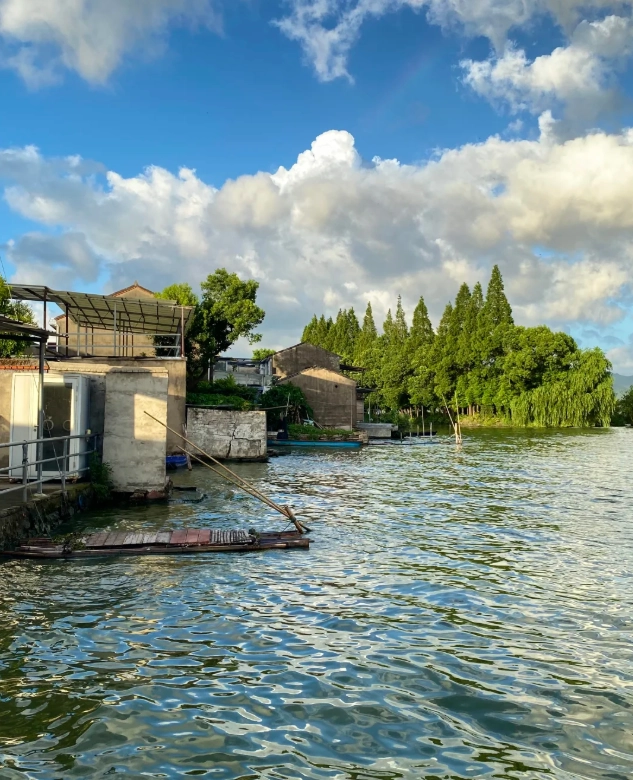
3. Old Bund (老外滩)
The Old Bund is a stretch of preserved colonial-era streets along the Yong River. Unlike Shanghai's Bund, it's low-rise and chill. By day, it's a quiet area with coffee shops and art galleries. By sunset, the bars open their terraces and the vibe picks up. It's the perfect place for a drink after a day of sightseeing.
- Address: Zhongma Road, Jiangbei District
- Admission: Free
- Getting there: A 15-minute taxi from Tianyi Pavilion, or bus 118.
- Best time: 4 PM to sunset for the river view.
Pay attention: Many bars here only accept mobile payments. If you haven't set up Alipay or WeChat Pay, do it before you come. I've seen travelers get stuck without cash-friendly options.
4. Ningbo Museum (宁波博物馆)
This museum is an architectural masterpiece by Pritzker Prize winner Wang Shu. The building's walls are made from recycled bricks and tiles from demolished local houses — a striking blend of old and new. Inside, the exhibits trace Ningbo's maritime history and its role in the Silk Road. It's a modern look at a very old city.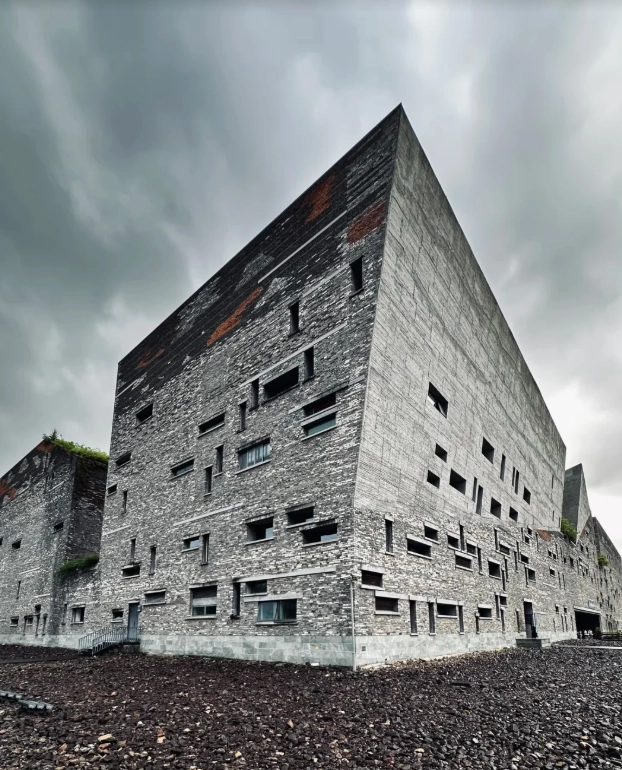
- Address: 1000 Shounan Road, Yinzhou District
- Admission: Free, but you must reserve a slot in advance. Use the official WeChat account or ask your hotel to book it for you.
- Getting there: Bus 117, 168, or 628 from the city center.
- Hours: 9 AM – 5 PM, closed on Monday.
Pro Tip: The spiral staircase on the east side is an Instagram goldmine, but the best light hits it around 3 PM. Go there first, before the sun shifts.
5. Fenghua Xikou (奉化溪口)
A 40-minute drive from downtown takes you to the hometown of Chiang Kai-shek. This is a must for history buffs. The scenic area includes Chiang's birth residence, the Tang River, and a dam. It's a bit commercial, but the mountain backdrop is stunning. If you're short on time, I'd skip this one, but if you're a history nerd, it's worth the trip.
- Address: Xikou Town, Fenghua District
- Admission: Around 120 RMB for the combined ticket (includes shuttle)
- Getting there: Direct bus from Ningbo Bus Center (1 hour, about 8 RMB) or taxi (around 150 RMB).
- Time to allow: At least 3 hours.
Honest note: The ticket price feels steep, and the tour groups can be loud. But if you have an interest in modern Chinese history, the complex offers a rare window into an era that's often glossed over.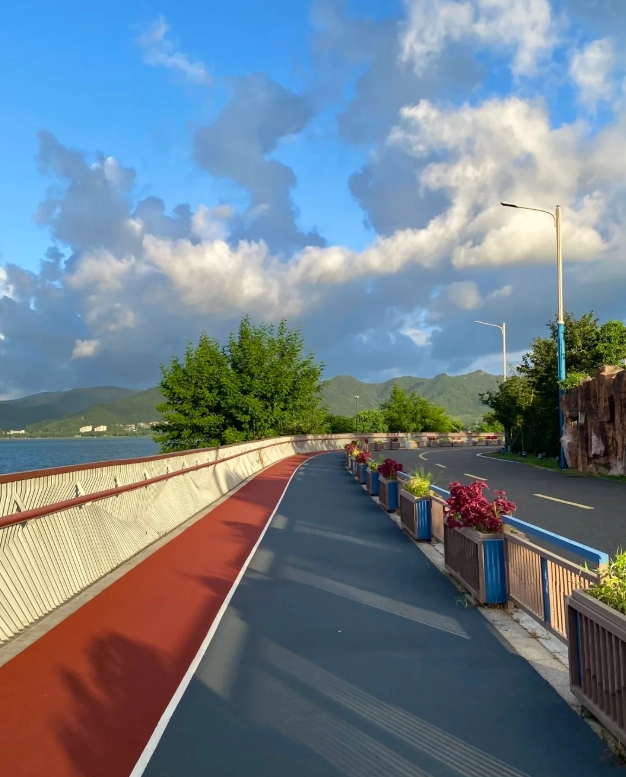
Getting Around Ningbo: Tips from a Local Guide
Ningbo is compact, but you'll still need to combine metro, buses, and taxis. The metro system is clean and easy to navigate, with signage in English. Google Maps is unreliable here, so I always tell my travelers to download Apple Maps or the AMap Global app before they arrive.
For taxis and ride-hailing, Didi is the go-to. You can call one through Alipay or WeChat, and the price is always shown upfront. Cash is rarely used, so make sure you have mobile payment set up. If you're stuck, the hotel concierge can help you get a taxi and even write your destination in Chinese.
What to Eat in Ningbo: Local Dishes You Can't Miss
Ningbo's culinary scene revolves around the sea. The signature dishes include crab cured in wine (红膏炝蟹), sticky rice dumplings (汤圆), and noodle cakes (年糕), which are made from rice flour and stir-fried with vegetables. The flavor profile is sweet and savory, with a heavy use of soy sauce and sugar.
My go-to place is the Chenghuang Temple (城隍庙) neighborhood, where you can find a huge food market. I always stop at the stall that sells 'fresh-off-the-boat' oysters — they're sweet and briny, served with a simple ginger vinegar. Expect to pay around 30–50 RMB for a filling meal.
If you're not into street food, try any of the seafood restaurants along the Old Bund. They have English menus and accept international cards, but you'll pay a bit more. Just avoid the places that have people out front waving menus — the hidden spots around the corner are usually more authentic.
24 Hours in Ningbo: A Realistic Itinerary
If you only have one day, here's how to pack everything in without exhausting yourself.
- 8:00 – 10:30 — Tianyi Pavilion. Arrive right when it opens to beat the crowds.
- 10:30 – 11:30 — Walk to the nearby Chenghuang Temple market for an early lunch. The noodle cakes there are a must.
- 11:30 – 16:00 — Hop on Metro Line 1 to Dongqian Lake. Rent a bike and explore the western shore. Stop for a tea break at a lakeside teahouse.
- 16:00 – 17:00 — Head back to the city. Take a taxi to the Ningbo Museum to catch the spiral staircase before it closes.
- 17:00 – 19:00 — Walk around the Old Bund as the sunsets. Grab a coffee or a local beer on a terrace.
- 19:00 onwards — Stay for dinner at a riverside restaurant or catch a night view of the Yong River.
That plan is ambitious but doable if you're organized. If you'd rather relax, drop the museum and spend more time at the lake.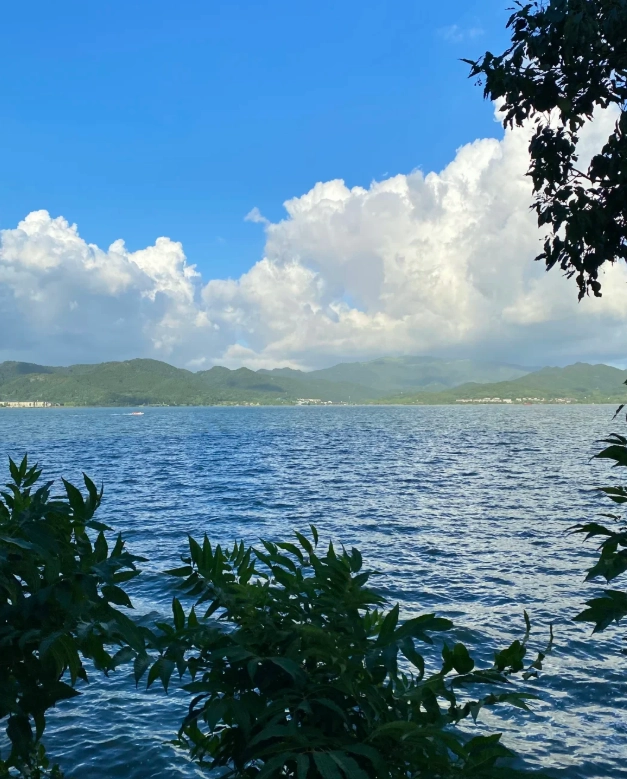
Where to Stay in Ningbo: My Recommendations
For first-timers, I suggest staying in the historic core — close to Tianyi Pavilion or the Old Bund. It'll make your sightseeing easy and let you explore on foot. Here are three options that I've personally recommended to clients:
| Hotel | Price Range | Best For | Distance to Tianyi Pavilion |
|---|---|---|---|
| Lao Wai Tan International Youth Hostel | 80–120 RMB (dorm) | Budget travelers | 15-minute walk |
| Ningbo Victory Hotel | 400–600 RMB | Mid-range comfort | Metro Line 1, 2 stops |
| The Nanyuan Hotel | 800+ RMB | Luxury seekers | 10-minute cab ride |
All three have stable Wi-Fi and staff who speak enough English. Just remember that most Chinese hotels require your passport for check-in, and some may ask for a security deposit in cash.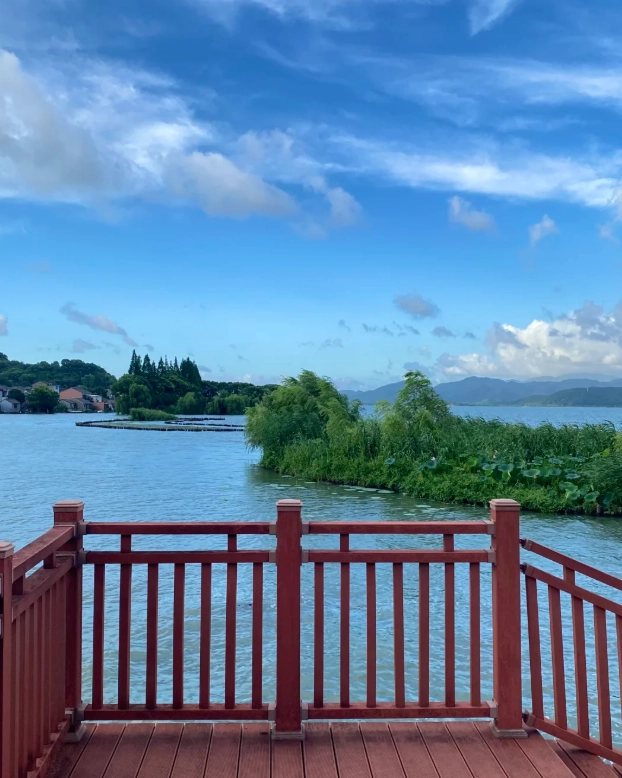
FAQ: Your Ningbo Questions, Answered
This content has been fact-checked to ensure informational precision.






No comments yet.