 Qiang Huang
Quick Navigation for the Lazy Traveler
- Why Your Ningbo Travel Itinerary Should Skip the Obvious
- How to Plan a Ningbo Travel Itinerary: 3-Day Route Breakdown
- Essential Ningbo Travel Itinerary Tips: Payments, Transport, and Reservations
- Best Restaurants for Your Ningbo Travel Itinerary
- Where to Stay: Hotels That Simplify Your Ningbo Travel Itinerary
- Ningbo Travel Itinerary FAQ: Answers to Your Top Questions
Let me paint a scene. A couple from Texas, jet-lagged and starving, standing outside Ningbo Railway Station. Their Alipay is loaded, but every taxi driver shakes their head. Why? They booked a 'Ningbo travel itinerary' that never mentioned the old city's parking ban. That's the kind of mistake I've seen too many times. This guide is my antidote. I've spent years walking Ningbo's alleyways, haggling at seafood stalls, and rescuing lost travelers. Here's the truth: your Ningbo travel itinerary should start at Moon Lake, end at Dongqian Lake, and never skip the dumpling breakfast at Old Bund. And cash — always carry a few 50-yuan notes. Digital payments fail exactly when you need them most. Now, here's everything I wish someone told me before my first trip.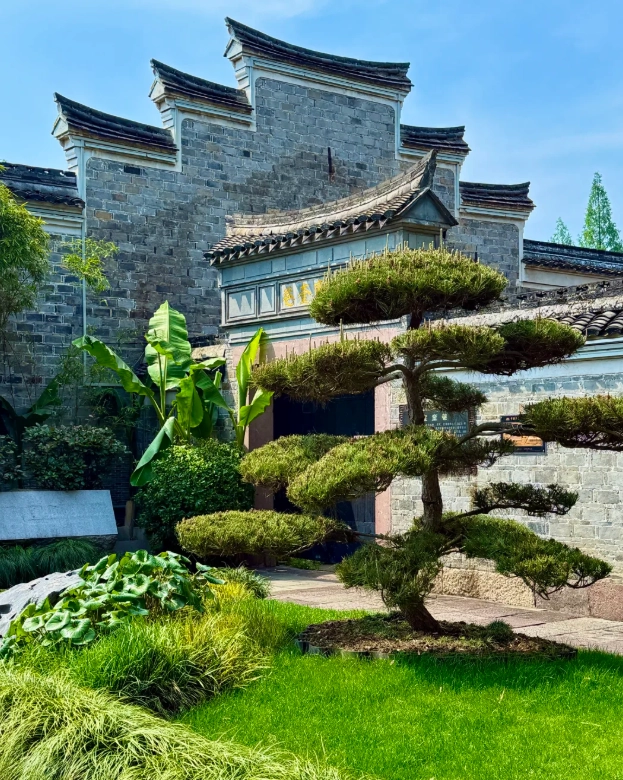
Why Your Ningbo Travel Itinerary Should Skip the Obvious
Ningbo is not a “small” city but a medium-sized one that most tourists rush through. The internet will tell you to hit Shanghai and Hangzhou, then skip Ningbo as a half-day pit stop. That’s a mistake. I lived in China for six years, and every time I bring foreigners here, they gasp at the same things — a centuries-old library that outlived dynasties, a harbor full of fishing boats, and alleys that still smell like freshly baked pastries. Ningbo is genuine China without the selfie-stick crowds of West Lake.
That said, many travel guides online are written by people who never left the hotel. They tell you to visit Tianyi Square — a concrete mall you can find anywhere. My advice? Skip it. Instead, spend that hour at Moon Lake, where locals do tai chi under willow trees. This is the Ningbo travel itinerary you won’t find on a generic app.
How to Plan a Ningbo Travel Itinerary: 3-Day Route Breakdown
If you have only 24 hours, don't panic — my private tip is to pick Day 1’s route and skip the rest. But if you can spare three days, here’s the rhythm I use.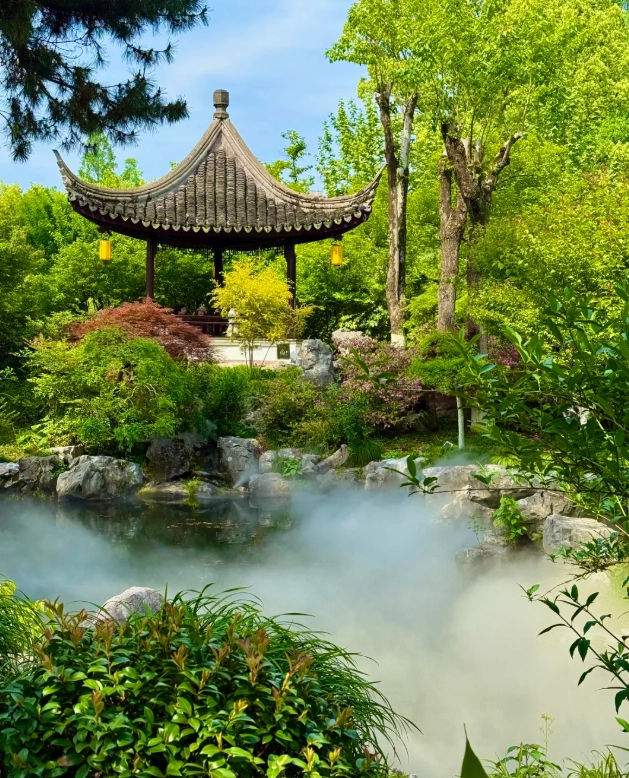
Day 1: Old City Charms — Moon Lake, Tianyi Pavilion, and the Old Bund
Start at Moon Lake (月湖) at 8:00 AM, before the tour groups arrive. It’s a free urban park with bridges and pavilions. Walk north along the eastern shore; you’ll see the afternoon karaoke crowd setting up. From the north exit, it’s a 10-minute walk to Tianyi Pavilion (天一阁), the oldest private library in Asia. Entry is about 30 RMB — bring cash in case your card fails. This is the highlight of your entire trip: wooden shelves, stone lions, and a garden that smells of osmanthus in autumn. The audio guide is worth it if you want historical context.
After Tianyi, walk 15 minutes southeast to Gulou (鼓楼), the ancient bell tower. The surrounding pedestrian street is a food heaven — try the “drum tower” rice puffs (鼓楼油赞子) but don’t fill up. You’re saving room for lunch.
For lunch, walk into any local-surnamed restaurant near Gulou. I always point my clients to a hole-in-the-wall called “Old Ningbo Braised Duck” on the south side — they don’t have English menus, but the staff will understand pictures. Order the braised duck and mochi with preserved vegetables.
After lunch, head to the Old Bund (老外滩), Ningbo’s riverside district of colonial-era buildings. This is the perfect spot for a slow afternoon. The bars open later; instead, grab a coffee at Café Zone overlooking the river. Pro Tip: The best photographs are from the northern end of the bridge at sunset — that’s when the light hits the clock tower.
For dinner, make your way to Nantang Old Street (南塘老街), a restored arcade of traditional shops. It’s a bit touristy, but the food standards are solid. I always order the crab soup dumplings (蟹粉小笼包) at the long-established Long Du Won (缸鸭狗) — you’ll need to take a number, even on weekdays. Expect to wait 20-30 minutes.
Day 2: Dongqian Lake and Eastern Buddhism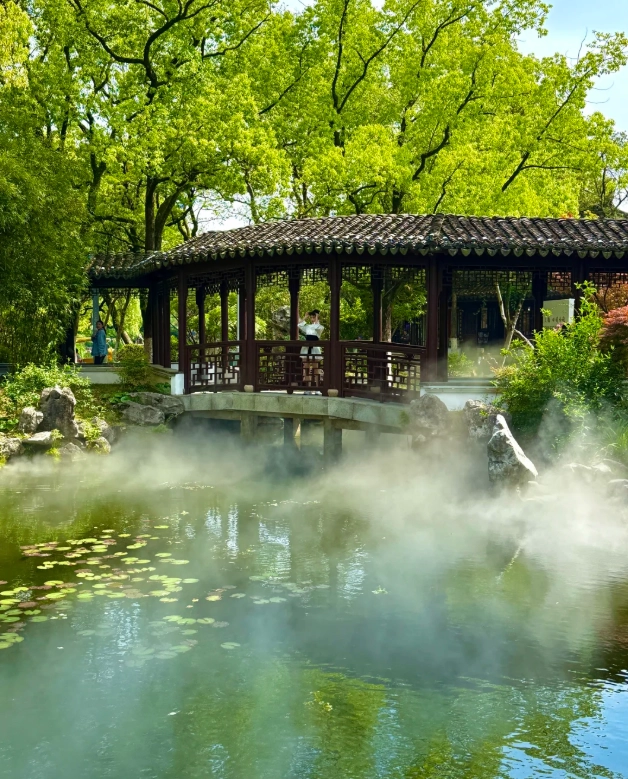
Day 2 is all about leaving the city core. Rent a car or hire a driver for the day; a taxi from downtown to Dongqian Lake takes about 45 minutes, and you’ll pay around 60-80 RMB. Head to the lake’s western shore first, where you can rent a bicycle. The loop is 30 km — perfect for a half-day ride with frequent stops at lakeside temples and flower fields. The lake is free, but bike rentals cost about 40 RMB per hour. Insider Advice: Start at Huanhu West Road, ride clockwise, and stop at Xiawaishan Pier for a fish-head lunch at one of the floating restaurants.
In the afternoon, continue to the Tiantong Temple (天童寺), a 1,700-year-old Zen temple hiding among cedar trees. The entrance is free, but bring your passport for registration. The main hall still has original Song Dynasty wooden dragons — you can’t take photos inside, so just breathe it in. From the temple, either return to the city or, if you’re adventurous, take the slow bus back. The bus takes twice as long but is cheap (2 RMB) and gives you a view of village life.
Back in the city, treat yourself to a proper “Ningbo” dinner: a seafood hotpot at Yimei Seafood Hotpot on Baizhang Road. They have an English menu with pictures, which is rare. The spicy duck blood and fresh squid are winners. Expect to pay about 100 RMB per person.
Day 3: Ports, Museums, and a Taste of Future Ningbo
Morning? Get your culture fix at the Ningbo Museum (宁波博物馆), designed by architect Wang Shu. It’s free — but you must reserve a slot on their WeChat mini-program, which is a pain for foreigners. Ask your hotel receptionist to book it for you, or simply walk in on a weekday afternoon, when slots are rarely full. The building itself is worth the trip: a canyon of recycled bricks and tiles. Inside, the archaeology collection explains why Ningbo was China’s maritime gateway.
After the museum, take a taxi to the China Port Museum in Beilun (about 1 hour, 100 RMB). This massive complex tells the story of Ningbo as a Silk Road port. Kids love the imitation cargo ship. If you’re short on time, skip this and instead walk along the new Yong River waterfront — it’s calmer and free.
For your final meal, I always send clients to the Big Deer Dumpling restaurant near the train station. Order the “Sea Urchin and Pork” dumplings — a local fusion you won’t find elsewhere. Warning: The line forms at 11:30 AM, so arrive before that or be ready to wait 30 minutes.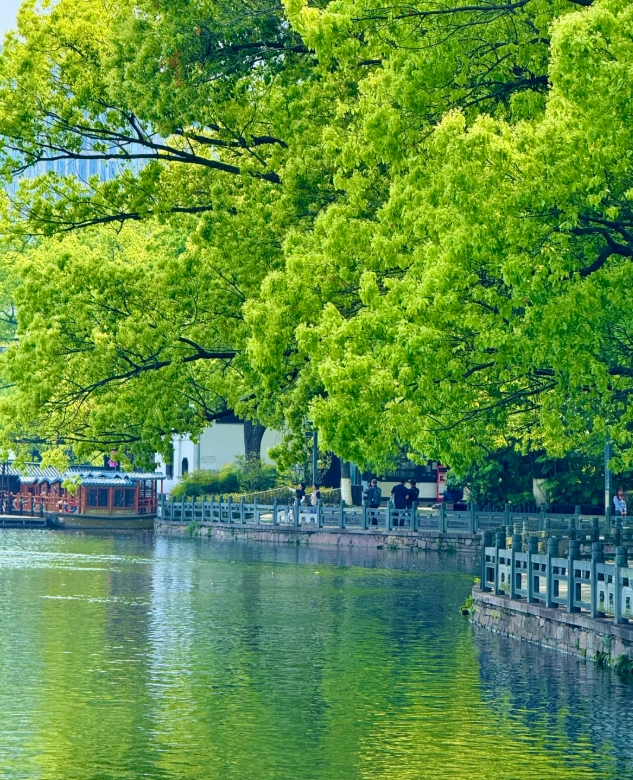
Essential Ningbo Travel Itinerary Tips: Payments, Transport, and Reservations
Let’s talk about the three most common failures foreigners experience in Ningbo — and how to never have them.
- Payments: Yes, Alipay and WeChat Pay work with international cards. But some vendors — especially at street stalls and temples — only accept QR codes tied to a Chinese bank card. So always carry at least 500 RMB in cash. Larger hotels and upscale restaurants accept Visa/Mastercard, but don’t rely on it.
- Navigation: Google Maps is useless in China. Download Apple Maps in advance — it works with English and Chinese. For hailing a taxi, use the WeChat mini-program for DiDi, but it’s in Chinese. A better trick: write your destination in Chinese on a card and hand it to the driver. If you get lost, open Baidu Maps in English mode (switch the language in settings) — it’s more accurate.
- Reservations: Tianyi Pavilion and Ningbo Museum often require real-name registration with a passport. You can book them on Trip.com in English, which charges a tiny booking fee. Don’t try the WeChat mini-program unless you read Chinese — it’s a rabbit hole. Also, for high-speed rail, always book through 12306.cn or Trip.com. Seat selection is not available on short hops, so don’t ask.
Never try to book a taxi with the Chinese version of Didi without a VPN — it’ll crash faster than you can say ‘Ningbo.’ Instead, use the English integration in Apple Maps.
One extra piece: buy a VPN before you land. Without it, Google, WhatsApp, and Instagram are all blocked. I recommend using the free version of Let’s VPN — but test it before you need it.
Best Restaurants for Your Ningbo Travel Itinerary
You can’t leave Ningbo without tasting these five things — here’s where to get them.
| Dish | Place | Price | Best For |
|---|---|---|---|
| Tangyuan (sweet rice balls) | Yonghe Tangyuan shop, Gulou | 20 RMB | Dessert |
| Crab soup dumplings | Gang Yao Gou, Nantang | 35 RMB | Snack |
| Fresh seafood hairy crab | Fenghua Seafood Market, buy and take to nearby restaurant | 80-150 RMB | Dinner |
| Ningbo-style boiled fish | Yimei Seafood Hotpot, Baizhang Rd | 100 RMB | Main meal |
| Drum tower rice crackers | Street vendors below Gulou | 15 RMB | Snack |
I always tell my clients: don’t bother with white-tablecloth restaurants during lunch. The best food is in chaotic, steamy local shops. Just remember to bring a photo of the dish on your phone — save the image beforehand and point at it. It’s saved me in dozens of situations.
Where to Stay: Hotels That Simplify Your Ningbo Travel Itinerary
Choosing the right base can turn a chaotic trip into a breeze. I’ve stayed at all three of these neighborhoods — here’s my honest breakdown.
| Neighborhood | Hotel Example | Price Range | Best For |
|---|---|---|---|
| Tianyi Square / Old City | Shangri-La Hotel, Ningbo | $150-250 | First-timers, walkers, families |
| Old Bund / River | Holiday Inn Express Ningbo Old Bund | $80-120 | Nightlife lovers, solo travelers |
| Dongqian Lake | Dongqian Lake InterContinental | $200-350 | Couples, luxury resort seekers |
Pro Tip: If you’re arriving by high-speed rail, the hotels at Dongqian Lake are pretty but inconvenient. The Old Bund location puts you within a 10-minute walk to the nightlife and a 15-minute taxi to every major sight. Also, ask for a room facing west if you want to see the river sunset.
Ningbo Travel Itinerary FAQ: Answers to Your Top Questions
Verified and fact-checked by the editorial team.






No comments yet.