 Qiang Huang
Ningbo in 3 Days: Quick Guide
Stuck at the ticket booth, fumbling with a translator app, I watched a dozen tourists give up and leave. That's not the Ningbo experience I want for you. I've been leading trips here for years, and I know exactly where things go wrong. Your 3 days in Ningbo should feel effortless — not like a scavenger hunt. From payment headaches to booking puzzles, I'll show you exactly how to avoid the traps that eat up your time and patience before you even reach the ancient streets. Here's the takeaway: skip Xikou on your first visit. Focus on Tianyi Pavilion, the Old Bund, and Dongqian Lake. That's the secret combo that gives you history, culture, river views, and nature without the tourist rush. Follow it and you'll see why locals love this city.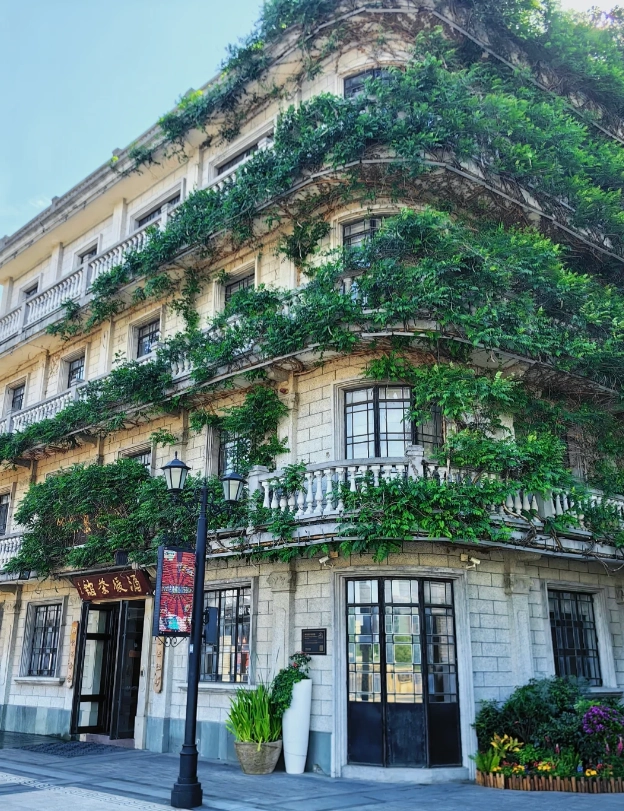
Day 1: Historical Ningbo — Tianyi Pavilion & Moon Lake
Morning: Beat the Crowds at Tianyi Pavilion Museum (天一阁博物馆)
Start your first day at the most famous cultural landmark in Ningbo — Tianyi Pavilion, one of China's oldest private libraries. This isn't just a library; it's a sprawling complex of ancient buildings, ponds, and gardens that will give you a surprising insight into the scholarly life of old China. I always tell my clients: arrive at 8:30 a.m. when the gates open. By 10 a.m., tour groups flood in and you'll be shuffling behind a sea of selfie sticks. The morning light also makes the brick carvings and water reflections look magical.
- Address: 10 Tianyi Lane, Haishu District (海曙区天一街10号)
- Tickets: About 40 RMB per adult. Discounts for seniors and children, but always bring your passport to get them. Buy at the gate or via Trip.com to skip the ticket line.
- Opening Hours: Typically 8:30 a.m. to 5:30 p.m. (last entry at 4:30 p.m.). Closed on Mondays — don't risk it.
- Getting There: Take Metro Line 6 to Tianyi Pavilion Station (Exit A), then walk about 10 minutes. A taxi from the city center costs around 15 RMB, but traffic can be bad during peak hours.
One pro tip: the restroom near the entrance is surprisingly small and gets packed. Use the one at the nearby Moon Lake Park before coming in.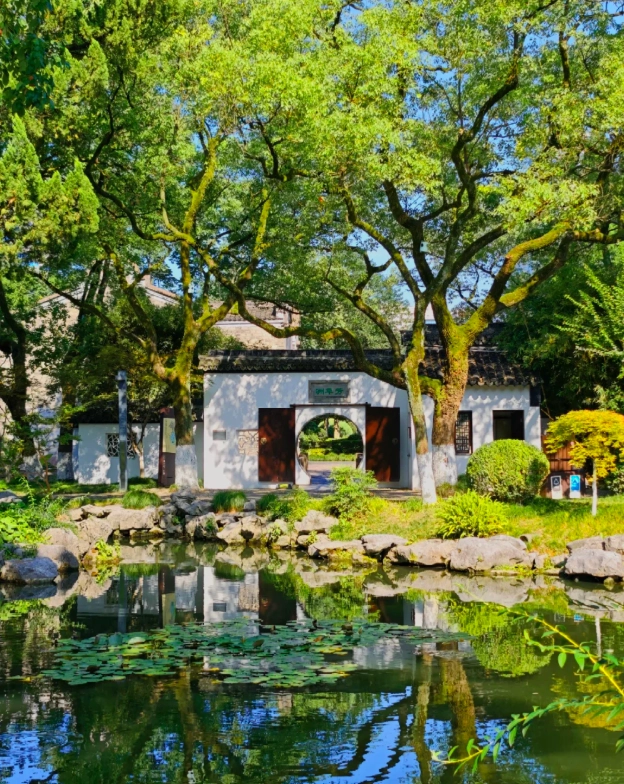
Midday: Lunch at a Local Eatery
Ningbo cuisine (甬菜) is bold and salty, but tangyuan — sweet glutinous rice balls — are the local comfort food. For lunch, skip tourist-packed spots and find a small “xiǎoguǎn” (small restaurant) at the edge of Moon Lake. I recommend looking for a place that serves “sipping crab” and “red steamed hairy crab” — though these are seasonal. My personal go-to is a tiny noodle shop on Xiaowen Street, where they make hand-pulled noodles with pickled bamboo shoots. The price is around 25 RMB per bowl. Payment is usually Alipay/WeChat only — cash often gets hard stares. Also, don't count on English menus; use your phone's photo translator.
Afternoon: Stroll Around the Picturesque Moon Lake (月湖公园)
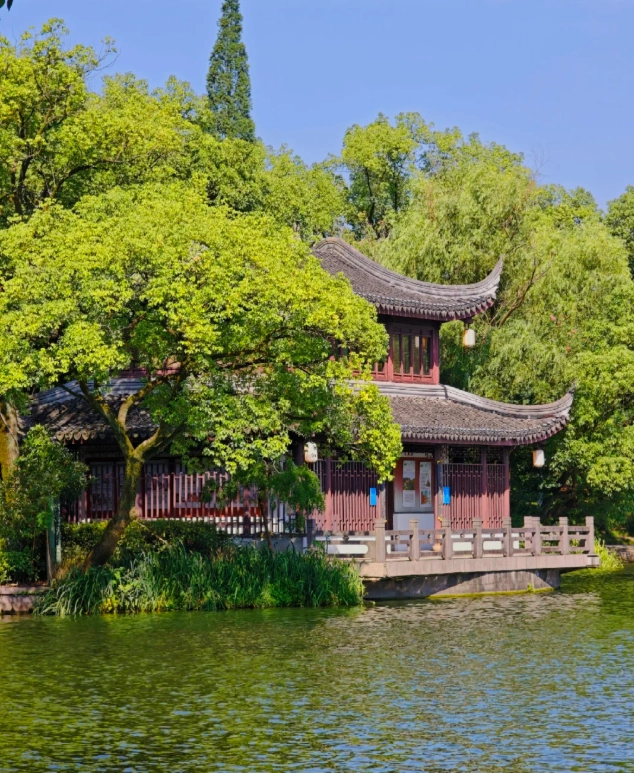
After lunch, walk directly to Moon Lake Park — it's free and blissfully quiet in the early afternoon. You'll see local elders playing chess, children flying kites, and old bridges reflecting in the calm water. The park is essentially a series of small islands connected by stone bridges. Visit the Guomintang Memorial and the ancient Shuiyue Pavilion, which offers the best photo spot on the west side of the lake. I suggest walking clockwise, so you end up at the southern end with a nice view of the city skyline. Budget at least 2 hours to explore it properly.
Evening: Night Market at Drum Tower (鼓楼)
End the day with a street food crawl at the Drum Tower, a 1100-year-old city gate that now houses a lively pedestrian market. Try the stinky tofu — it's milder than elsewhere — and the classic “tangyuan” filled with black sesame. This area is super chaotic after 7 p.m., so I recommend going at 5:30 p.m., right when the stalls open. There's a famous dessert shop called “Yinzhou Tangyuan” (you'll see the line). Remember: most stalls only accept mobile payments. Bring a backup of small bills just in case, but you'll be lucky if they accept them.
Day 2: The Old Bund & Modern Ningbo
Morning: Qing'an Guildhall (庆安会馆) — A Maritime History Gem
This former shipping-guild warehouse is a rarity in China, blending the architecture of a temple with the business of shipping. It's right by the Sanjiang River, and you can easily spend an hour here admiring the exquisite wood carvings and learning about the ancient Silk Road by sea. Tickets are about 15 RMB — bring your passport for the reduced rate. It opens at 9 a.m., and since most tour groups skip it, you'll have the place almost to yourself. From Tianyi Pavilion, it's a 10-minute taxi ride (about 20 RMB) or a 20-minute walk if you enjoy strolling.
Afternoon: The Old Bund (老外滩) — Walk by the River
Ningbo's riverside promenade is the perfect place for a laid-back afternoon. It's called the “Old Bund” because it was one of the first cities in China to open to Western trade. You'll find rows of colonial buildings that now house chic cafés, galleries, and boutique shops. Most spots open around noon, so go after lunch. The best stretch is between the Yongfeng Bridge and the Ningbo Art Museum — a 1.5-kilometer walk with benches and shade. I always tell my clients to bring a light jacket; the wind picks up around 4 p.m. even in summer.
Evening: Dinner with a View at Sanjiang Kou
Watch the sunset over the meeting point of three rivers — then head to a rooftop restaurant or bar for dinner. The view is free, but dinner can get pricey. For an authentic experience, try a local seafood spot called “Yongjiang Hotel” (noticeable by the neon sign) — they serve the famous Ningbo crab soup. Expect to pay about 100 RMB per person. Reserve ahead via Trip.com or ask your hotel to book. If the weather is bad, the Ningbo Art Museum stays open until 19:00 and is a good Plan B.
Day 3: Dongqian Lake Nature Escape
Morning: Rent a Bike and Circle the Lake (东钱湖)
Dongqian Lake is the largest freshwater lake in Zhejiang Province, and cycling around it is a must for nature lovers. It's about 35 kilometers in circumference, so you don't need to ride the entire lake. I recommend renting a bike at the lakeside visitor center (near the subway station) and following the eastbound route to Hanyuling Old Street — that's a 15-kilometer ride with stunning views and few cars. The terrain is flat, so it's perfect for beginners. Bring sunscreen and water, because there are few shops upon leaving the visitor center.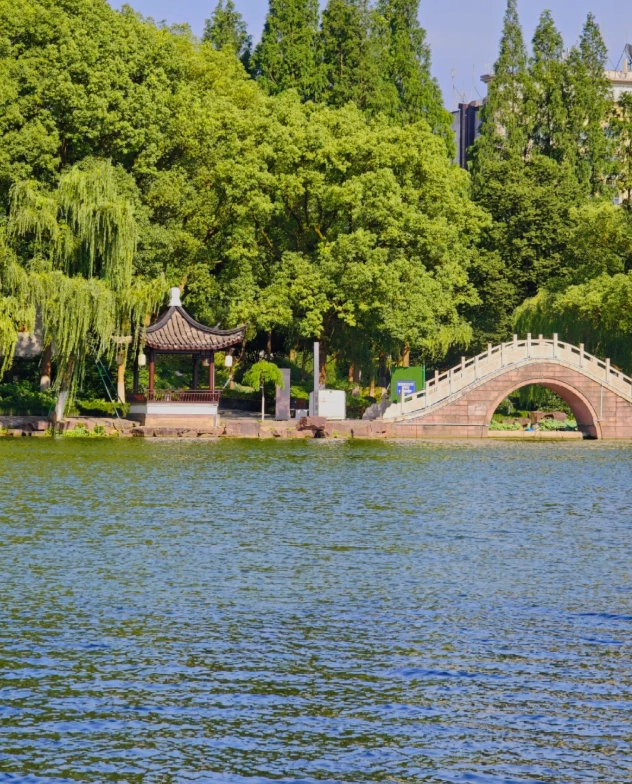
Midday: Lunch at Hanyuling Old Street (韩岭老街)
This thousand-year-old fishing village has become a hip spot with restored stone houses, art galleries, and waterfront cafés. Stop here for lunch. I highly recommend the “auwa” (烤菜年糕) — sticky rice cakes stewed with vegetables — for less than 20 RMB. The area is also great for photos, especially the old temple overlook. After lunch, either continue clockwise for another 10 kilometers or loop back — the return ride is equally gorgeous.
Afternoon: Optional Add-ons
If you have an early dinner or want to do something else, consider these alternatives:
- Take a bamboo raft ride on the lake (available near the visitor center) — about 50 RMB per person.
- Visit the Southern Song Dynasty Stone Carvings at Shili Meilan (a bit of a drive, but worth it for history buffs).
- Head to the Xikou (溪口) if you're a fan of modern Chinese history; it's the birthplace of Chiang Kai-shek, but note it's an hour away by car. You'd need to leave Dongqian Lake early.
Where to Stay in Ningbo
For first-timers, stay near the Old Bund or Tianyi Pavilion area. These neighborhoods offer easy access to the top sights and have the liveliest food scenes. If you prefer luxury, the Sino-Ocean Hotel (东方大饭店) has a great river view and is a 5-minute walk to the Old Bund. For a boutique feel, try the Fenghua Ancient Town homestays — they're quieter but a bit farther out. Budget travelers can find decent hostels around the railway station. Use Trip.com or Booking.com to compare; always filter for “free Wi-Fi” and “air conditioning” — these are non-negotiable in summer.
| Area | Vibe | Price Range (per night) | Best For |
|---|---|---|---|
| Old Bund / Sanjiang | Historic & riverside | 400–800 RMB | History lovers, couples |
| Tianyi Pavilion | Quiet & cultural | 300–600 RMB | Cultural travelers |
| Railway Station | Convenient & busy | 150–350 RMB | Budget backpackers |
Getting Around Ningbo: Transport Tips
Ningbo has a modern metro system with two lines, which most tourists overlook. It runs from around 6:20 a.m. to 10:30 p.m., and tickets cost 2–10 RMB depending on travel distance. The metro is your best bet for moving across the city quickly, especially during rush hour. Download the “AMap” app (high-quality maps for drivers) and see which lines or buses serve your destination. Didi (the Chinese Uber) is widely available and cheap — a 15-minute ride usually costs 20 RMB. Always pay via Alipay or WeChat — the driver may not have change for cash. And remember: your international Google Maps will likely fail, so download the AMap or Apple Maps before arrival.
Practical Tips for Foreign Tourists
Before flying to Ningbo, prepare for a few unique challenges that Chinese domestic travelers rarely face. Let's sort out the big three: payments, internet, and language.
- Payments: Use Alipay or WeChat Pay linked to your international card. Cash is still legal, but many small vendors will make a face at you. If you need to exchange cash, do it at a bank ATM — avoid street vendors.
- Internet & VPN: The Great Firewall will block Google, Facebook, Instagram, and WhatsApp. A reliable VPN (e.g., ExpressVPN or NordVPN) is essential. Also, download a translation app like Apple Translate or Baidu Translate — the latter often works better offline.
- Language: Signage in attractions is now bilingual, but menu and street food usually aren't. Keep a printed card with “no spicy” (不吃辣) and “allergic to” (过敏) written in Chinese.
Booking famous sites like Tianyi Pavilion? Use their official WeChat account or Trip.com — they accept foreign IDs. For smaller venues, having your hotel call to reserve is the easiest workaround.
FAQ: Ningbo Trip Questions Answered
Verified and fact-checked by the editorial team.







No comments yet.