 Yan Zhou
What’s Inside
Rain soaked the pavement as a couple from Berlin stared at their phone, stranded on the opposite side of the river. I tapped the driver’s shoulder and redirected my hire car to pick them up — they were trying to use Google Maps to cross the Yong River. It hit me again: even a beautifully crafted 2‑day Ningbo itinerary fails if you don’t solve the navigation puzzle. That’s why I’m writing the plan I actually use with my clients.
I’ve guided travelers through Ningbo for over a decade, and I know where the pitfalls hide. This isn’t a rehash of glossy brochures. It’s a honest, step‑by‑step 48‑hour plan that covers old city gems, realistic transport, digital payment traps, and the perfect balance of culture and food.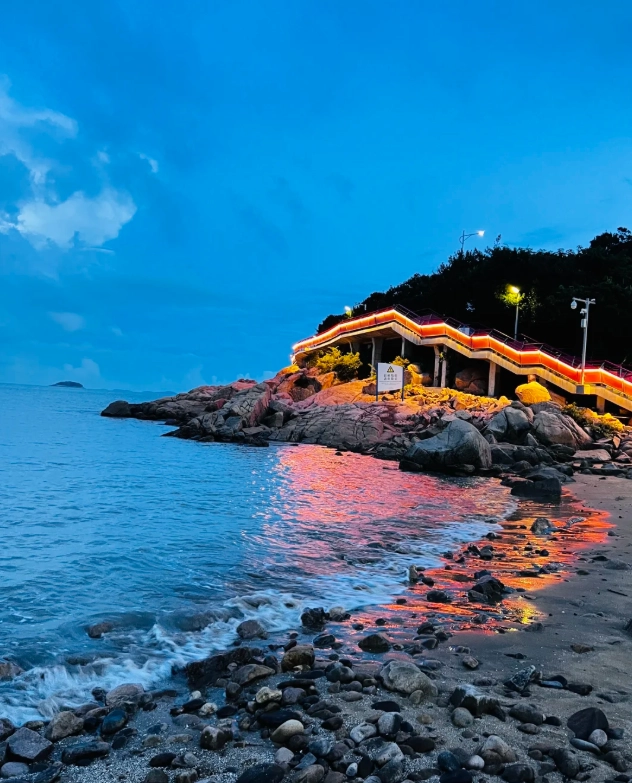
Why Ningbo in Two Days?
Ningbo is the underdog of Chinese port cities. It’s only a two‑hour bullet train ride from Shanghai, yet it draws a fraction of the tourists Hangzhou gets. You get Ming‑era architecture, a trendy riverfront, and giant Buddhist temples without the oppressive crowds. Two days gives you just enough time to soak in the city’s core and take a meaningful detour to the outskirts, whether you choose Chiang Kai‑shek’s hometown at Xikou or the lakeside calm of Dongqian Lake.
Day one is built for walkers — old lanes, lake breeze, historic towers. Day two is your reward: choose your adventure based on energy and interest. Both are doable with a single hotel base, so you won’t waste time packing and unpacking.
Pro Tip: Avoid Sundays. Domestic tourists swarm the popular spots on weekends. I usually start my 2‑day tours on a Tuesday or Wednesday — the difference is night and day.
Day 1: The Old City Loop
Morning: Tianyi Pavilion & Moon Lake
Start your day at Tianyi Pavilion, the oldest family library in China. It’s not just a library — it’s a mini‑city of gardens, pavilions, and stone carvings. The entrance fee is ¥30, and you must show your passport. You can buy a ticket at the counter (cash is accepted, but change is tricky), or better, pre‑book through Trip.com. Try to arrive by 8:30 AM when the doors open. By 10:00 the tour groups flood in, and the narrow pathways become a bottleneck.
Exit the main gate and walk straight across the street to Moon Lake (Yuehu). It’s free, and the shaded walking path is a serene escape. Follow the lake south toward the old city wall; that’s where you’ll find the best photo of the pagoda reflected in water. Morning light is forgiving — come back at noon and the harsh sun ruins every shot.
- Tianyi Pavilion: ¥30, 8:30–17:30, passport required.
- Moon Lake: free, 24/7.
- Wear comfortable shoes — the stone paths are uneven.
Lunch: Seafood Noodles Near Drum Tower
Grab a bowl of “sea silk noodles” (海鲜面) — it’s Ningbo’s comfort food. Locals line up at small shops near Drum Tower; look for the one with the longest queue, it’s usually the best. A bowl costs ¥25–35 and comes loaded with clams, shrimp, and vermicelli in a rich broth. Ask for “La” if you want it spicy, but the original flavor is where the freshness shines.
Payment waring: These tiny shops often only accept Alipay or WeChat Pay. If you haven’t set them up yet, carry ¥100 in cash as backup — one out of every four places will still take it.
Afternoon: Old Bund & Riverside Walk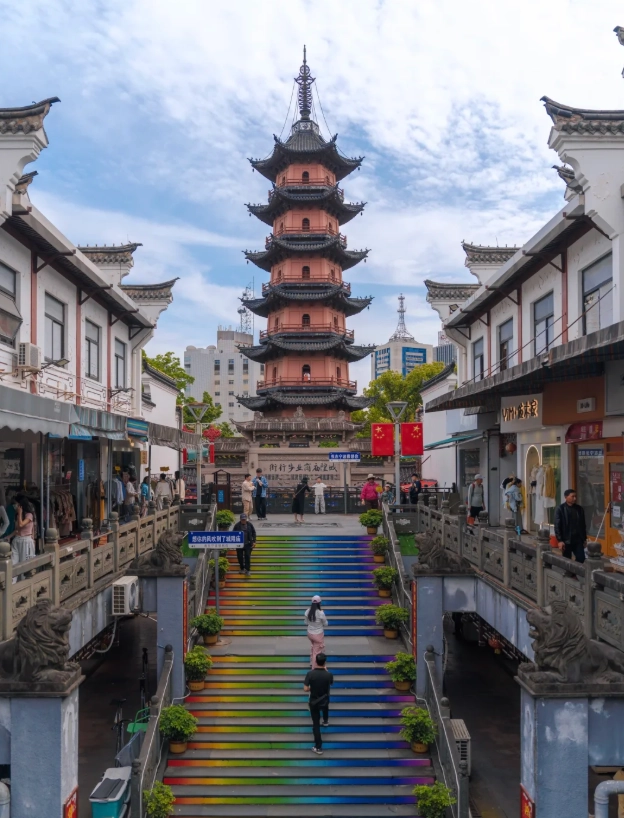
The Old Bund is to Ningbo what the Bund is to Shanghai — but with a more laid‑back vibe. The European buildings along the river host galleries, cafés, and micro‑breweries. Spend an hour strolling from the plaza to the Jiangbei Bridge. The vintage trams and stone statues are perfect for photos, and the lack of crowds means you can frame a clean shot most afternoons.
For a quick sugar boost, grab a “soup ball” (汤圆) at a shop along the pedestrian street. The classic black sesame filling is sweet and nutty, served in sweet osmanthus soup — it’s a Ningbo specialty that you’ll remember.
Evening: Night Lights & Dinner
When the sun sets, the Old Bund transforms. The riverside promenade glows with neon reflections, and the crowds thin out. For dinner, try “red crab” (红膏蟹) — a raw, marinated crab dish that’s a local delicacy. It’s salty and bold; if you order it, make sure the restaurant is reputable.
I always book a table at “Shipu Fishing Port” restaurant near the Foreign Ships Club. The menu has pictures, and the staff has seen tourists before. Expect to pay ¥150–200 per head for a feast. Ask for the “crab with rice wine” — the alcohol will kill any bacteria and make the texture silky.
Day 2: Pick Your Suburban Adventure
Option A: Xikou — Chiang Kai‑shek’s Hometown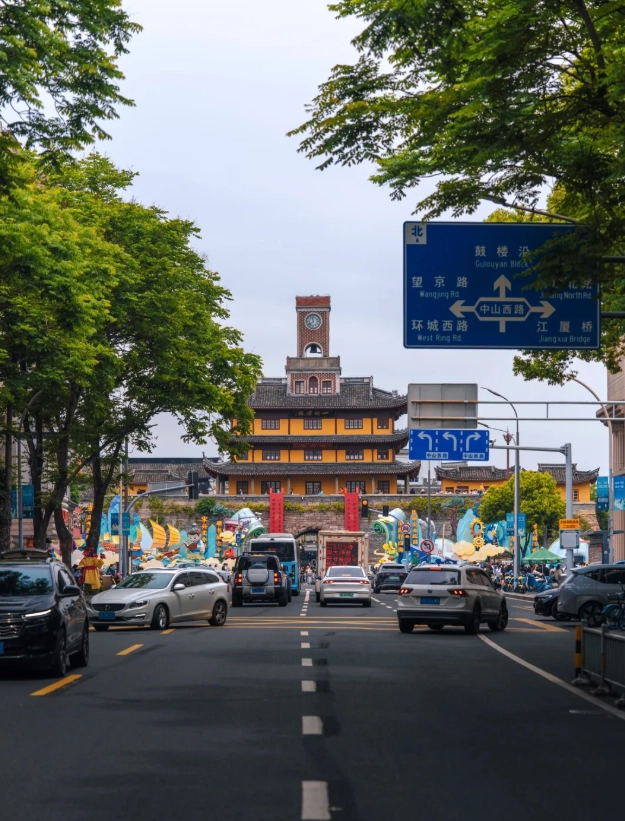
Xikou is a water town loaded with Republican‑era history, about 90 minutes from downtown Ningbo. Take the metro “2” line to South Station, then hop on a direct tour bus (¥25). The combined ticket is ¥120, which covers the former residence, Wenchang Pavilion, and the scenic Snow Dou Mountain cable car.
Most of my clients enjoy the 4–5 hours here. Walk through the old alleys, watch steam rise from stinky tofu stalls, and climb to the Wenchang Pagoda for a view of the river valley. The mountain top gets windy — even in summer, a light jacket helps.
Option B: Dongqian Lake — Cycling & Lake Breeze
If you prefer nature over history, Dongqian Lake offers a refreshing 25‑km cycle loop. Take metro Line 4 to Dongqian Lake Station (30+ minutes). Rent a bike at the lake’s south entrance for ¥30/hour. The flat, dedicated bike path circles the lake, passing plum groves, temples, and coffee carts.
I’d start riding by 2 PM — the afternoon sun is warm, but the lake breeze keeps things comfortable. A full loop takes about 2 hours with stops. For dinner, eat at a lake‑edge farmhouse; most have farm‑pulled vegetables and braised river fish. Return the bike by 6 PM and take the metro back.
| Comparison | Xikou | Dongqian Lake |
|---|---|---|
| Best for | History, architecture | Nature, cycling |
| Travel time (from center) | ~90 mins | ~45 mins |
| Ideal time | 5–6 hours | 3–4 hours |
| Cost | ¥120 tickets + ¥25 bus | Bike rental ¥30/hr |
| Food options | Local snacks and tea houses | Farmhouse dinner |
If the weather turns bad, opt for Xikou’s museums and indoor halls over wet cycling. A rain day in Dongqian is muddy — I’ve seen too many guests slip on the wooden bridges.
Where to Stay in Ningbo
Choose your base based on your nightlife tolerance. The Old Bund area has the best river views and evening energy, but rooms can be noisy on weekends. The area around Tianyi Pavilion keeps you close to cultural sites in a quiet, traditional lane. Train station hotels are convenient for early departures but unattractive for evening strolls.
| Area | Style | Price (per night) | Best for |
|---|---|---|---|
| Old Bund | Boutique & international chains | ¥500–1,000 | Couples, nightlife lovers |
| Tianyi Pavilion | Courtyard hotels & guesthouses | ¥350–800 | Culture fans, families |
| Downtown (Drum Tower) | Business hotels | ¥300–600 | First‑timers, budget travelers |
I’ve had great stays at the Shangri‑La Ningbo for river views and the Le Méridien for its location near the old town. Both have English‑speaking staff, stable Wi‑Fi, and easy access to taxis. For a budget pick, search “Crowne Plaza” on Trip.com — it’s off the main strip but a 10‑minute walk to the Old Bund.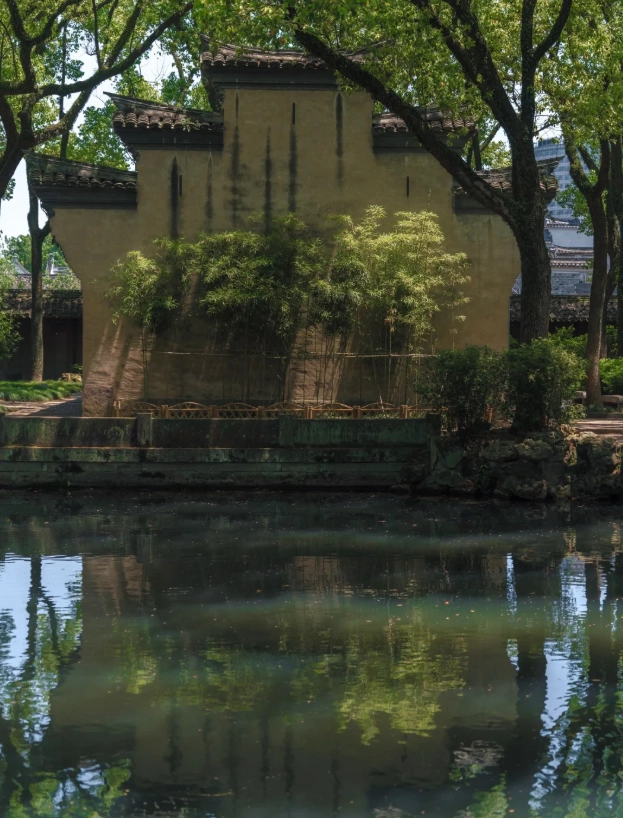
What to Eat in Ningbo
Ningbo’s cuisine is both delicate and bold, balancing sweet, salty, and umami. Apart from the sea‑silk noodles and tangyuan I already mentioned, you must try the region’s celebrated “Ningbo young rice cake” (年糕) — stir‑fried with leafy greens and slivers of pork. It’s chewy and comfortingly simple.
- Tangyuan (汤圆): The classic sesame soup balls, served at any old‑style dessert shop.
- Red Crab (红膏蟹): Salted and fermented raw crab — an acquired taste, but memorable.
- Stinky Tofu (臭豆腐): Deep‑fried and served with pickled peppers; find it at the night market.
- Rice Cake (年糕): Stir‑fried with bamboo shoots and greens; the texture is springy.
For a sit‑down meal, “Laowaitan Noodle House” on Zhongshan Road serves an excellent sliced rice cake. I always order it with a side of braised pork. The restaurant has English menus and WeChat Pay; they accept cash but rarely change large bills.
Navigating Without Google Maps
Here’s the hard truth: Google Maps is unreliable in mainland China. On my first visit, I watched a couple miss their train because Google thought the metro line didn’t exist. Instead, download AMap Global (the English version of Gaode) or use Apple Maps — they both use official Chinese map data. Apple Maps works natively with English search terms; AMap Global gives you turn‑by‑turn navigation.
For taxis, use the “Didi” app integrated into Alipay or WeChat Pay. You can set your pickup point easily, and the fare is shown upfront in yuan. Have your hotel write down your destination in Chinese characters — showing the driver a printed note is faster than typing in pinyin and getting confused.
Payment & Booking in Ningbo
Most places in Ningbo expect you to pay with a smartphone — but international cards are now accepted by AliPay and WeChat Pay when pre‑loaded. Before you arrive, bind your Visa/Mastercard to AliPay and set up WeChat Pay. You can also add cash to your wallet at any convenience store. This is non‑negotiable: vendors will rarely accept foreign credit cards, and some won’t take cash.
When booking attractions like Tianyi Pavilion or Xikou, use Trip.com or Klook — both have English interfaces and accept foreign cards. Many scenic spots require your passport number for the reservation system. You don’t need to print the ticket; the QR code sent to your email works at the gate.
Insider Tips from a Local Guide
Don’t let the low hotel prices fool you — location matters more than star rating. I’ve rescued clients from a “bargain” hotel that was 30 minutes by taxi from the Old Bund. An extra ¥50 per night can save you a crying two‑hour metro detour.
Now, save yourself some pain:
“When you see a taxi queue at Dongqian Lake, don’t take it. Walk 200 meters to the main road and hail a passing cab — the queue is for tourists who don’t know the meter is running before you sit down.”
Also, check the weather forecast before you finalize your Day 2 plan. Xikou gets foggy and slippery, while Dongqian Lake is a nightmare in the rain. Have a Plan B — Ningbo Museum is surprisingly good and air‑conditioned, so it’s my go‑to on rough days.
2‑Day Itinerary At a Glance
| Time | Day 1 | Day 2 |
|---|---|---|
| 8:30 AM | Tianyi Pavilion | Head to Xikou / Dongqian |
| 11:00 AM | Moon Lake walk | Explore main attraction |
| 1:00 PM | Seafood noodles near Drum Tower | Lunch at site |
| 2:30 PM | Drum Tower & old streets | Continue sightseeing |
| 5:00 PM | Old Bund river walk | Return to Ningbo |
| 7:30 PM | Red crab dinner | Night market / rest |
This is a marathon, but you can swap Day 2 for a slower museum day if your feet object — the city rewards flexible travelers.
Ningbo Travel FAQ
Verified and fact-checked by the editorial team. This content has been fact-checked to ensure informational precision.







No comments yet.