 Qiang Huang
- Why a Ningbo 3-Day Itinerary Beats a Day-Trip Dash
- How to Plan Your Ningbo 3-Day Itinerary Before You Land
- Day 1: How to Start Your Ningbo 3-Day Itinerary in the Old City
- Day 2: How to Mix Lake Time and Architecture in Your Ningbo 3-Day Itinerary
- Day 3: How to Wrap Up a Ningbo 3-Day Itinerary with Food and Slow Mornings
- Ningbo 3-Day Itinerary Essentials: Payment, Transport, and Booking Hacks
- Where to Stay During Your Ningbo 3-Day Itinerary
- What to Eat on a Ningbo 3-Day Itinerary
- FAQ: Your Ningbo 3-Day Itinerary Questions, Answered
Most foreign visitors treat Ningbo as a one-day stop between Shanghai and Putuoshan. They also leave with sore heels and a vague memory of temple roofs. I used to guide those rushed trips — until I wised up. If you only follow one piece of advice, book three nights. My favorite Ningbo 3-day itinerary spends the first day on old streets, the second on lake breezes and museum air conditioning, and the third on food and slow mornings. It is built around routes I have run with real travelers, not a map copied from a hotel brochure. Here is what I have learned the hard way: skip the guided tour that leaves at 7 a.m., and keep a rain jacket in your backpack — Ningbo likes sudden showers.
Why a Ningbo 3-Day Itinerary Beats a Day-Trip Dash
Ningbo sits on the southern edge of the Yangtze River Delta, three hours by bullet train from Shanghai. Most group tours use it as a ferry stop to Putuoshan Island. That is a mistake. Ningbo has its own set of world-class sights: a 450-year-old private library, a lake that takes an entire morning to circle, and some of the strongest coffee culture in Zhejiang. Three days give you time to breathe. One day only lets you take a picture of a gate, sweat through your shirt, and mispronounce 'Tianyi' for six hours.
I always tell my clients to think of Ningbo as a city that rewards slow walking. The compact old center is best seen on foot. The lake area needs a half day. The food scene wants multiple meals. A three-day structure lets you wake up without an alarm and still see everything that matters.
How to Plan Your Ningbo 3-Day Itinerary Before You Land
Here is the catch: many online guides tell you to book everything on WeChat mini-programs in Chinese. That is a nightmare for most foreigners. On my recent trips, I now take the easier route — Trip.com for museum tickets and train tickets, and Klook for a few add-ons. Both are in English, accept international cards, and store your passport number automatically. The trade-off is a small service fee, but it saves you from decoding a phone screen at 7 a.m.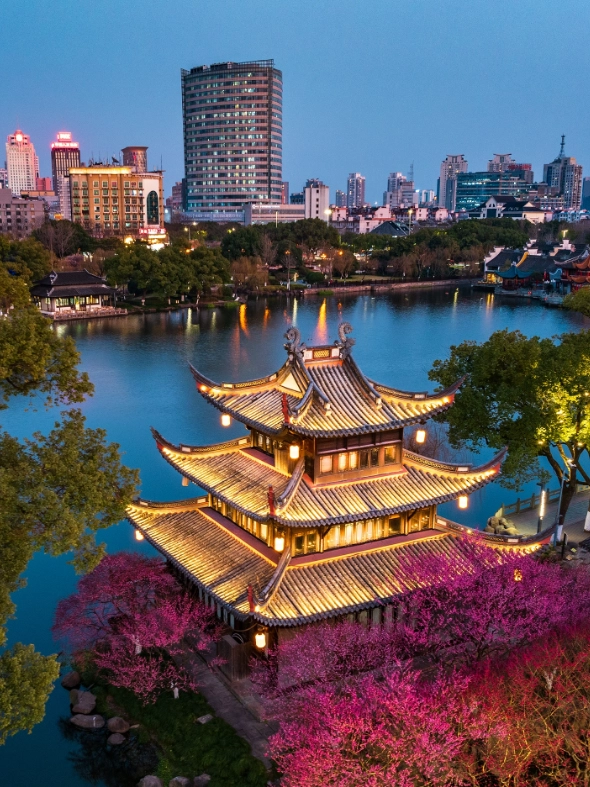
| Day | Focus Area | Evening Vibe |
|---|---|---|
| Day 1 | Tianyi Pavilion, Drum Tower, Old Bund | Riverside bars and dim street lights |
| Day 2 | Dongqian Lake, Ningbo Museum, Nantang Old Street | Snack-heavy food street |
| Day 3 | Baoguo Temple or City God Temple, shopping, slow departure | Early rest before your train |
Plan your train arrival before lunch on Day 1. If you land at Lishe International Airport, the metro line 2 goes directly to the city center in about 25 minutes. Ride-hailing apps are cheap here — a typical trip inside the core costs 15 to 25 RMB. Apple Maps works better than Google Maps in China; download AMap Global as a backup and keep the English interface open.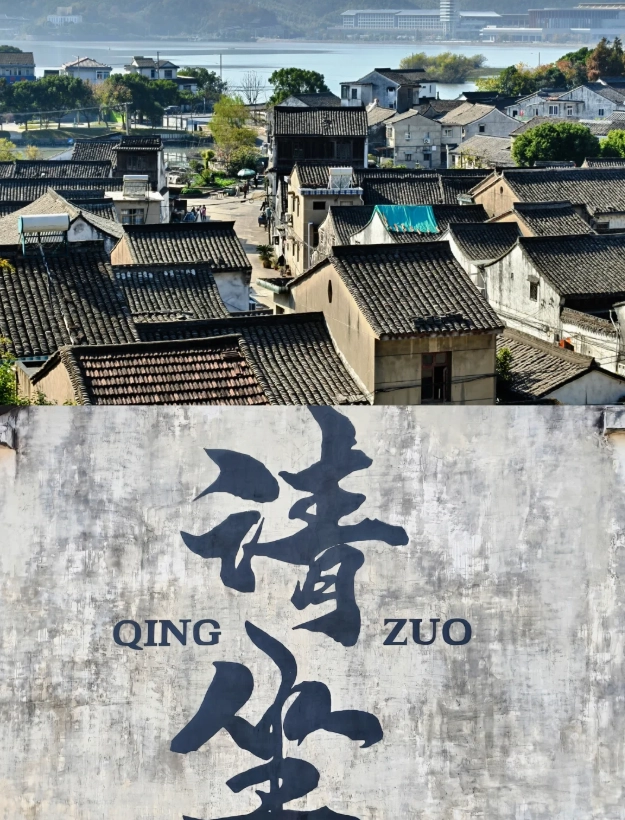
Pro Tip: Book all timed-entry tickets on Trip.com while you are still in the airport. The Tianyi Pavilion reservation window often sells out by 10 a.m., especially on weekends.
Day 1: How to Start Your Ningbo 3-Day Itinerary in the Old City
Morning: Tianyi Pavilion, the Library That Started a Trend
Tianyi Pavilion is the oldest private library in Asia, built in 1561 by the Ming official Fan Qin. The architecture — dark wood, carved beams, fish ponds — feels more like a wealthy scholar's mansion than a library. The collection itself is mostly for display now, but the garden is the real star. Expect carved stone lions, bamboo groves, and a small pond that reflects the main hall.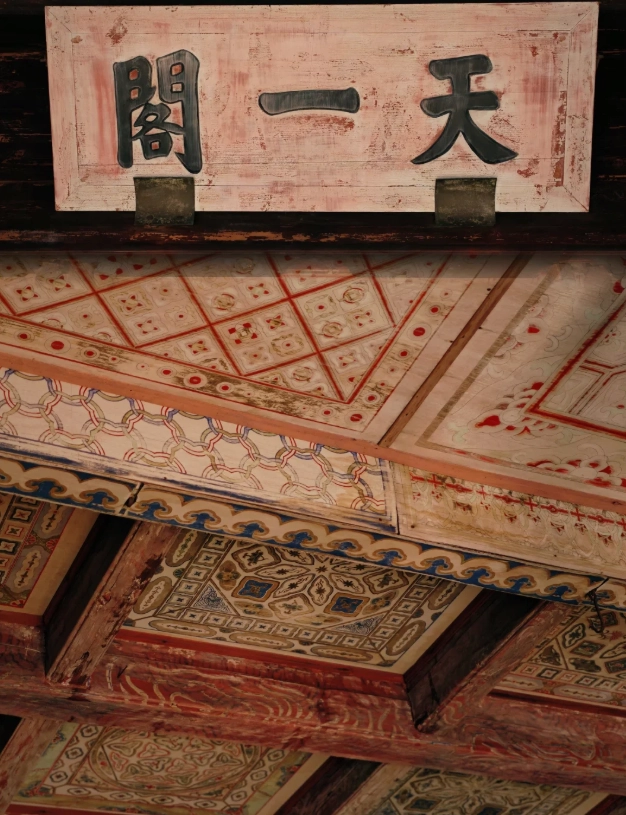
- Address: No. 10 Tianyi Street, Haishu District (天一阁博物馆)
- Open: 8:30 to 17:30, last entry around 16:30
- Ticket: about 30 RMB for adults; students and seniors pay less with your passport
- Booking: easiest through Trip.com; walk-in window accepts passports but can be slow
- Metro: Line 1 to Ximenkou Station, Exit A, then an 8-minute walk; or taxi from city center, about 15 minutes
I have been to Tianyi Pavilion at least twenty times. The best light happens between 9 and 10:30 a.m., when the sun hits the east courtyard and the crowds are thin. After 11 a.m., tour groups flood the narrow corridors. Do not skip the small exhibition at the back gate that explains how the Fan family protected the books during wars — it adds a human layer to the architecture.
Insider Advice: The toilet line near the main ticket hall is usually long. Use the one inside the garden, next to the study room. It is cleaner and rarely packed.
Lunch: Drum Tower Rice Noodle Shops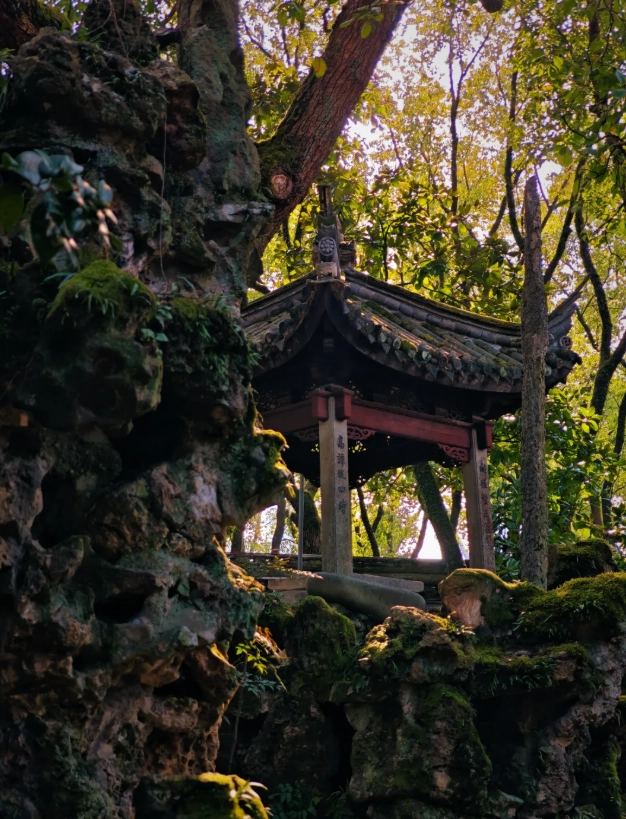
From Tianyi Pavilion, take a taxi for 8 minutes or walk 20 minutes to Drum Tower (鼓楼), the ancient gateway in the middle of the old city. Under the stone arch and along the adjacent alleys, you will find dozens of canteen-style restaurants. My usual move: find a place that serves fanqie rice noodles — tomato and beef broth with thin noodles. I skip the places with English menus and follow the plastic food displays. The red lantern stall on the east side, near the bell tower, does a perfect bowl for around 18 RMB. Payment is Alipay or WeChat; cash works too, but do not expect international cards.
Afternoon: Drum Tower Views and Old Bund Stroll
Climb the tower itself — it is free, and the view from the top shows the city grid spreading toward the river. Then walk or taxi to the Old Bund (老外滩), about 20 minutes on foot along Yangjiang Road. The Old Bund is one of the original open-port areas in China, with colonnaded European buildings that now house wine bars and fusion restaurants. Unlike Shanghai's Bund, it is refreshingly low-key. Go early, around 4 p.m., when the light turns the facades golden and the crowds are just a couple of students with coffee.
Evening: Riverside Beer and Street Snacks
By 7 p.m., the riverside path near the Old Bund fills with families. Join them. There is a string of casual BBQ stalls that set up after dark near the Jiangdong Bridge. I recommend the grilled squid and the whole fish skewers — spicy, slightly sweet, perfect with a chilled beer. If you want a cocktail, the bars on Waitan Road are tourist-friendly but prices double compared to local spots.
Pro Tip: From 8 p.m. onwards, the Old Bund becomes a different crowd — loud groups and live music. If you prefer quiet, sit on the outdoor benches by the Yongjiang River and watch the ferries instead.
Day 2: How to Mix Lake Time and Architecture in Your Ningbo 3-Day Itinerary
Morning: Dongqian Lake Without the Tourist Bus Hype
Dongqian Lake (东钱湖) is 20 kilometers from the city center, and it is the best place to reset your legs. Take Metro Line 4 to Dongqianhu station, then a 5-minute taxi to the lakeside boardwalk. The lake is roughly 30 kilometers around — do not try to walk the whole thing. Rent a bike or an e-bike at the northern shore and ride the scenic southern section, where ancient camphor trees line the path.
- Address: Dongqian Lake Scenic Area, Yinzhou District
- Access: Metro Line 4 to Dongqianhu, then taxi or shared bike
- Best time: 9 a.m. to noon, before the summer heat and afternoon tour groups
- Free entry to the main lakeside area; individual temples around the lake charge 20-40 RMB
If you want a cultural stop, Tiantong Temple is a 20-minute taxi from the lake. It is a massive, peaceful Chan Buddhist temple complex with a 700-year-old ginkgo tree. Tourists rarely make it there, which is exactly why I like it.
Lunch: Stay on the Lake
Most lakeside restaurants are deliberately overpriced. My rule: eat at the canteen-style place near the metro exit, called Hubin Renjia, which serves braised river fish and stir-fried wild rice stem. A meal there costs about 50 RMB per person. The menus have pictures, and the staff understands passable English for basic orders.
Afternoon: Ningbo Museum — Architecture Worth the Trip
Ningbo Museum (宁波博物馆) is not a history snoozefest. The building itself by Wang Shu is a sculpture made of recycled bricks and tiles from demolished houses. The permanent exhibitions walk you through Ningbo's coastal trade and traditional customs. The free entrance is a steal, but you must reserve — bring your passport. Mondays it is closed.
- Address: 1000 Shounan Middle Road, Yinzhou District (宁波博物馆)
- Open: 9:00 to 17:00, last entry 16:00; closed Mondays
- Ticket: free, but reserve on Trip.com with passport details
- Time: about 2 hours
From Dongqian Lake, taxi to the museum takes 20 minutes. Wait, here is the catch: the taxi queue outside the lake can be long on weekends. Use Didi Global and ask the driver to pick you up at the southwest gate, away from the main taxi stand.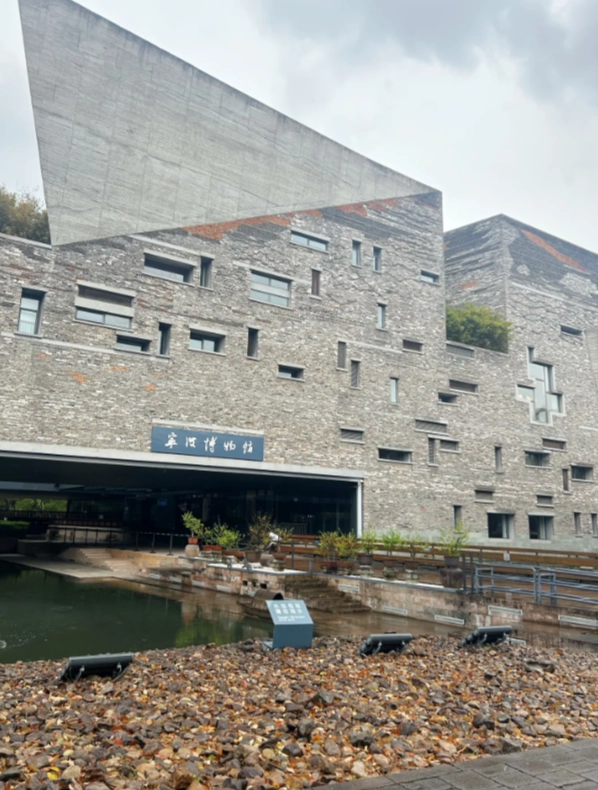
Evening: Nantang Old Street Food Crawl
Nantang Old Street (南塘老街) is my default answer when someone asks where to eat in Ningbo on Day 2. The architecture is a restored Qing-dynasty shopping street — think black tiles, red lanterns, and tiny windows billowing steam. The main lane is packed with food stalls and sit-down restaurants. Get there around 5:30 p.m., before the after-work crowd. Follow the smell and eat in this order: stinky tofu, sesame-filled tangyuan, a stuffed pancake, and a cup of osmanthus tea to finish.
Day 3: How to Wrap Up a Ningbo 3-Day Itinerary with Food and Slow Mornings
Morning Option A: Baoguo Temple — The Local Hidden Gem
If you still have energy, take a taxi north to Baoguo Temple (保国寺), a Buddhist temple that holds one of the oldest surviving wooden structures in southern China. Unlike the tourist-packed temples, Baoguo is quiet, contemplative, and surrounded by forest. The main hall dates back over a thousand years and was built without a single nail. Address: No. 1 Baoguo Temple Road, Jiangbei District. Open 8:30 to 16:30, ticket about 20 RMB. Taxi from downtown takes 30 to 40 minutes and costs around 60 RMB.
Morning Option B: City God Temple Snack Street
For a slower morning, walk through Chenghuang Temple (城隍庙) area near Tianyi Square. It is a food market and shopping maze where I always lose my sense of direction. Perfect for buying sealed boxes of glutinous rice balls to take home. The lanes open around 10 a.m.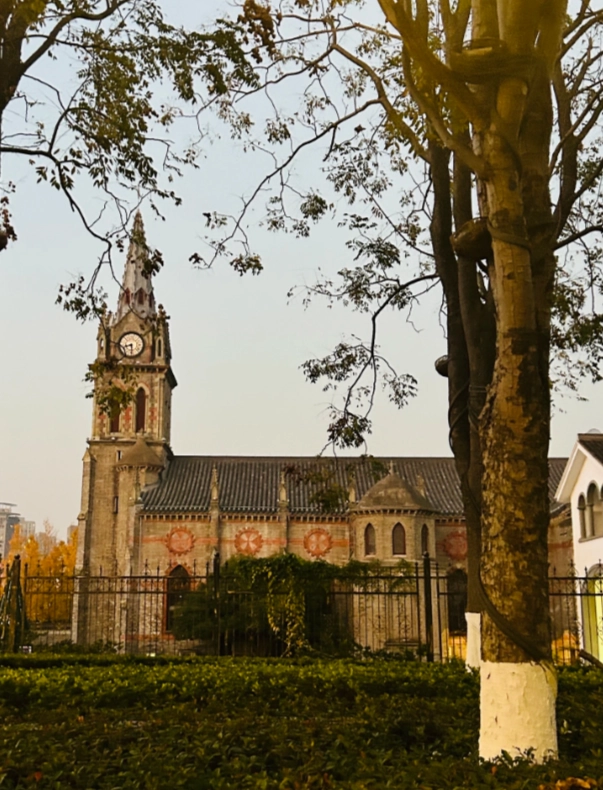
Midday: Last-Minute Shopping and Lunch
Use your last lunch to go back to a place you loved — my repeat favorite is the tomato noodle shop from Day 1. Then, buy dried bamboo shoots, yellow wine, and paper-wrapped mochi from Nantang Old Street if you missed it. The drawers behind the street vendors accept cash if you are running low on Alipay balance.
Afternoon: Flexible Departure
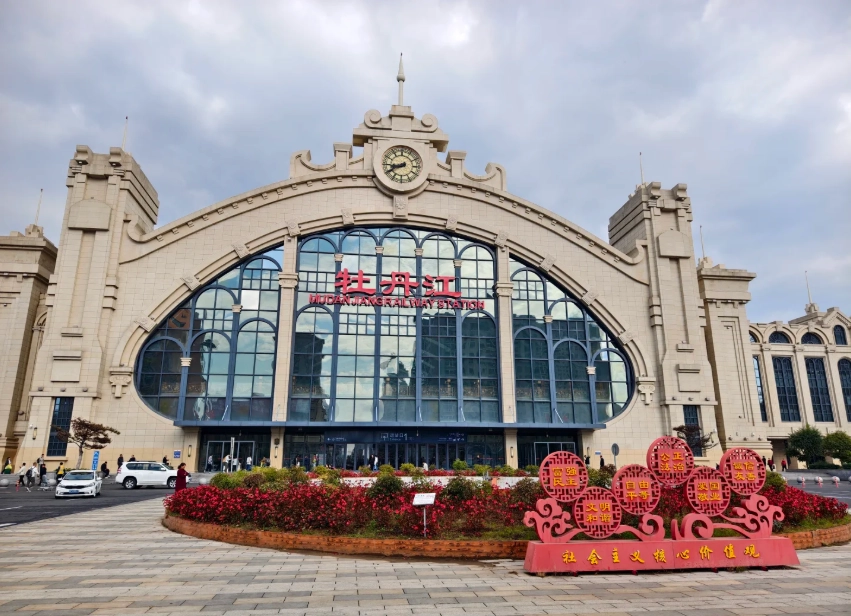
Ningbo Railway Station is only 20 minutes from the old city by taxi, and Lishe International Airport is 30 to 40 minutes from downtown. I recommend booking an evening train if you are going to Shanghai or Hangzhou, giving you a final relaxed hour by the river.
Ningbo 3-Day Itinerary Essentials: Payment, Transport, and Booking Hacks
| Hassle | What I Do |
|---|---|
| Payment | Use Alipay or WeChat Pay linked to your international card. Physical cash is still accepted at almost every stall, but keep small bills. International credit cards almost never work at street shops. |
| Navigation | Apple Maps is reliable in Ningbo. AMap Global is the local expert. Google Maps is accurate only for major roads, but its walking directions are often wrong. |
| Booking | For timed museums like Tianyi and Ningbo Museum, book on Trip.com or Klook. Do not use Chinese-only mini-programs unless you have a local friend. |
| Language | Download the Chinese offline pack for Apple Translate. Most younger people in Ningbo speak some English, but taxi drivers and market sellers do not. |
| VPN | Install and test your VPN before you land. In China, access to Google, WhatsApp, and Instagram is blocked. A reliable VPN works 95% of the time. |
Here is the thing most guides do not mention: ride-hailing in Ningbo is cheap and safe, but you need a phone number or Alipay to verify your identity. If you cannot verify a Didi account, use the Foreigner-friendly ride option inside the DiDi Global app, or ask your hotel to write the destination in Chinese and take a taxi on the street. Taxis are metered and generally honest.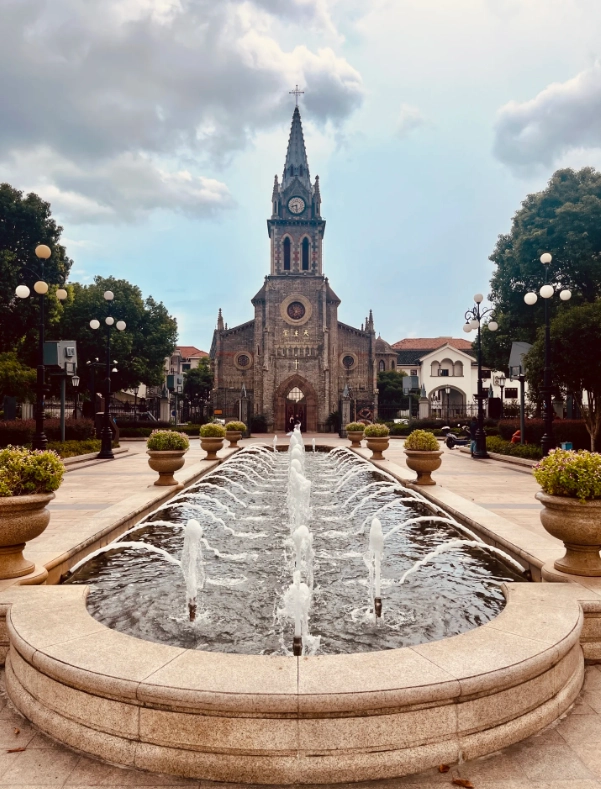
Where to Stay During Your Ningbo 3-Day Itinerary
For a 3-day itinerary, choose your neighborhood based on how much you like walking. I have stayed in all these areas and the key is not the brand name but the surrounding convenience. Here is a quick comparison table based on my last visits, using approximate nightly costs.
| Hotel Name | Area | Distance to Day 1 Route | Est. Price (RMB) | Best For |
|---|---|---|---|---|
| JW Marriott Hotel Ningbo | Haishu, riverfront | 5-minute taxi to Tianyi; walk to Old Bund | 800-1200 | Travelers who want reliable Wi-Fi, proper elevators, and a concierge who speaks English. |
| Sofitel Ningbo | Jiangbei, near Old Bund | 10-minute walk to Old Bund; 15-minute taxi to Tianyi | 600-900 | Couples who like evening river views and bar hopping. |
| Dongqian Lake Resort Area | Yinzhou, lake resort | 40-minute taxi to city center; 20-minute taxi to Ningbo Museum | 700-1000 | Nature lovers who prefer calm mornings and lake walks. |
If you are on a mid-range budget, look for the many home-stay apartments around Tianyi Square. I tell my clients to search for 'Tianyi Square' on Booking.com and check if the building has an elevator and 24-hour reception. Most do, but Chinese apartment-type hotels vary — avoid anything without a front desk if you plan to arrive late.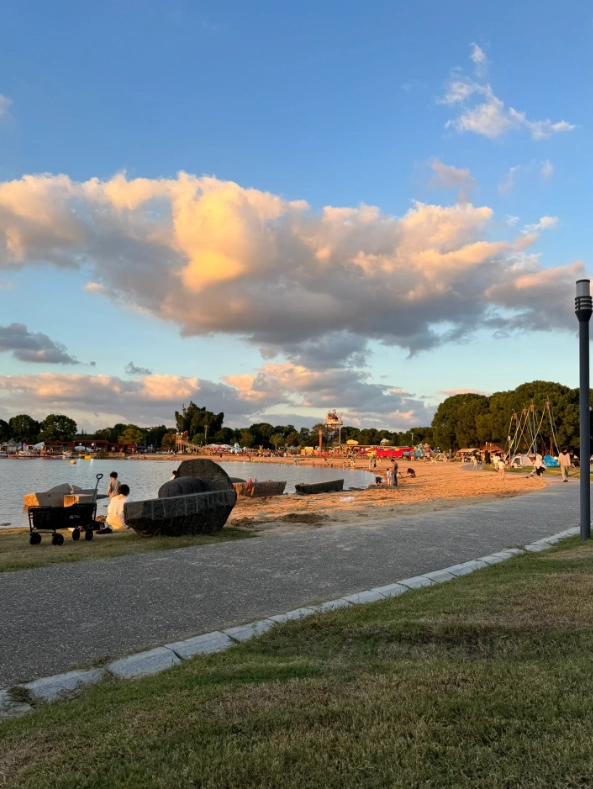
What to Eat on a Ningbo 3-Day Itinerary
Ningbo food is sweet, coastal, and deeply rooted in home cooking. Here is what I order again and again, and where to find it if you are not on a food tour.
- Tangyuan (glutinous rice balls) — Ningbo is the home of this dessert. The best known brand is Dai Jie; look for their branch inside Nantang Old Street. The black sesame filling is roasted and slightly gritty, served in a clear, lightly sweetened broth. My usual order: a small bowl of four, plus a cup of osmanthus tea to balance the sweetness.
- Stinky tofu — The version here is simply fried, amber-coloured, and served with a garlicky soy sauce. Sour, earthy, addictive. Any stall on Nantang Old Street is safe. Choose the one with the longest line — locals know.
- Rice cake with preserved mustard — Ningbo rice cakes are chewy and mildly sweet. The dish is stir-fried with picked mustard greens and sometimes pork. I always recommend it as a side to a heavy braised dish.
- Drunken crab — This is for adventurous eaters. Raw crab marinated in Chinese wine and soy for days. Serve it chilled, over fresh rice. It tastes like the ocean mixed with perfume. Only choose busy restaurants where turnover is high.
- Yellow wine — The local rice wine is slightly syrupy and usually served warm in winter. If you are on the Old Bund at night, a glass of warm yellow wine with a lamb skewer is a memory you will carry home.
Payment and language tip: most food stalls accept Alipay, but it is good to carry 100 RMB in cash for the tiny stalls that are not digital. The stall owners will often hand you a bowl and then point to a QR code; do not panic if your Alipay only works with a VPN disabled. Force-close the app and try again — sometimes the bug is just the international connection.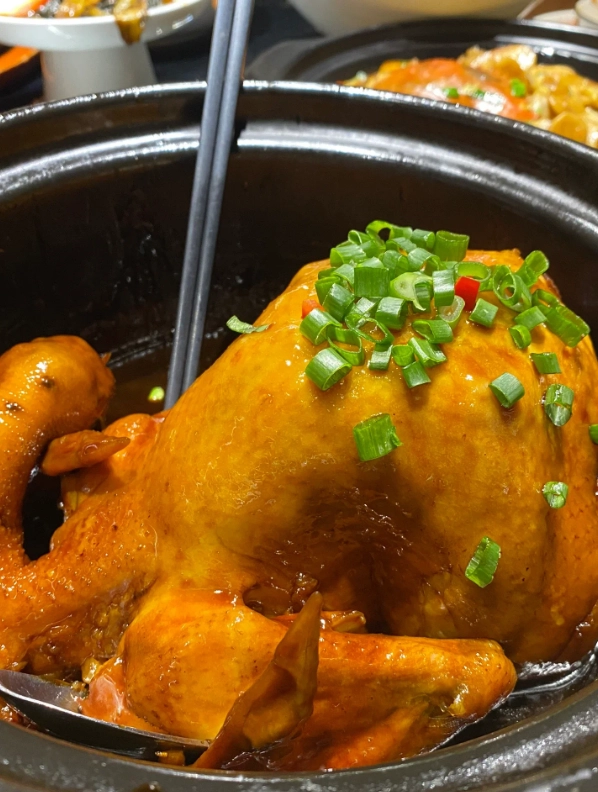
FAQ: Your Ningbo 3-Day Itinerary Questions, Answered
Verified and fact-checked by the editorial team. This content has been fact-checked to ensure informational precision.







No comments yet.