 Qiang Huang
What You’ll Find Below
Okay, let’s be real. The first time I brought a group of American tourists to Ningbo, their phones died on landing — no VPN, no Alipay, no idea where to find an ATM. They were stuck, and I was sweating. You don’t want that.
So here’s the truth about how to travel to Ningbo: it’s not hard, but the digital infrastructure will trip you up if you’re not prepared. Book a hotel that accepts international guests, install Alipay and link your foreign card (yes, it works), and download a VPN before you fly. Do that, and you’ve already won half the battle. The other half? Knowing that Ningbo’s high-speed rail station is a 15-minute metro ride from the airport, and that the metro’s English signs are your best friend.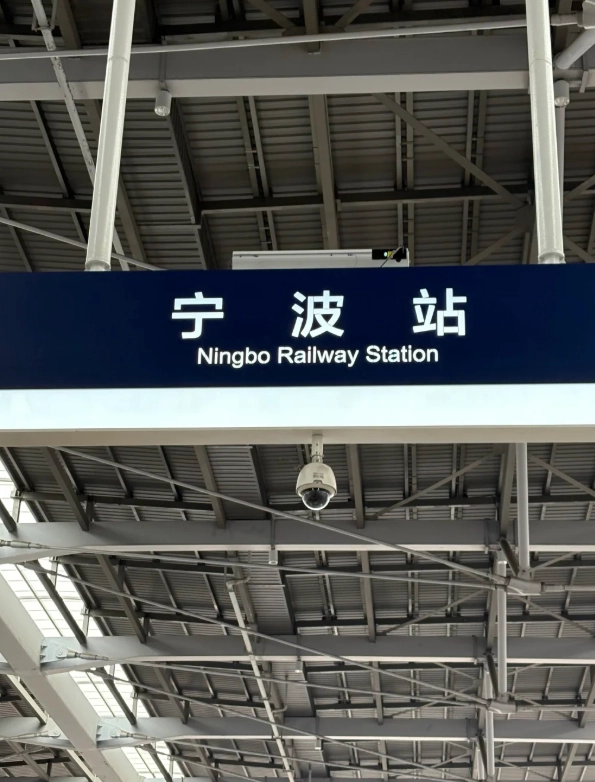
How to Get to Ningbo: Airport, Train, and More
Flying into Ningbo Lishe International Airport
Ningbo’s airport (NGB) is compact and handles both domestic and international flights. The easiest way into the city is the metro — Line 2 runs directly from the airport to downtown. It takes about 30 minutes to reach Gulou (Drum Tower), the historic heart. You can pay with Alipay’s transport QR code or buy a single-journey ticket from the machine (cash accepted).
However, the airport’s free Wi-Fi requires a Chinese phone number for login. My advice: get a local SIM card or activate an international roaming plan before you land. Also, if you arrive late, taxis are available but more expensive — about 80-100 RMB to the city center. You can also book a private transfer on Trip.com in advance.
Taking High-Speed Rail to Ningbo
The high-speed rail is your best bet if you’re coming from Shanghai, Hangzhou, or other Chinese cities. From Shanghai Hongqiao, the trip takes about 1 hour 40 minutes; from Hangzhou East, just 45 minutes. Trains arrive at Ningbo Railway Station, which is right in the center and connected to two metro lines (Lines 1 and 2).
Book tickets on Trip.com or via the official 12306 app — both accept foreign passports. Don’t worry if you miss your train; you can rebook using your passport at the station. Just remember to arrive at the station at least 30 minutes early for security checks.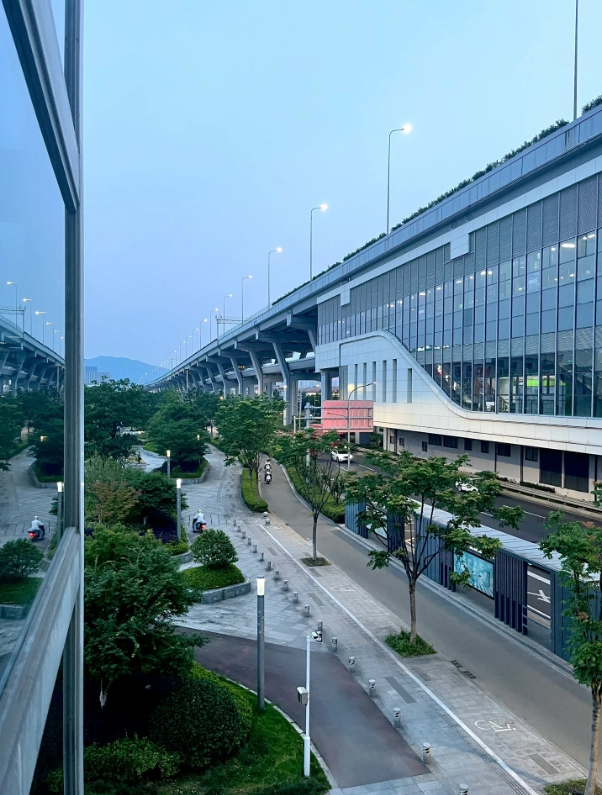
Long-Distance Buses and Self-Driving
Buses are cheaper than trains but slower and less comfortable. They work if you’re on a tight budget, but with such good rail connections, I’d skip them. Self-driving is an option only if you’re used to Chinese traffic — parking in downtown Ningbo is a nightmare. My advice: use the metro and taxis instead.
How to Navigate Ningbo: Metro, Taxis, and Payment
How to Use Alipay and WeChat Pay Without a Chinese Bank Card?
Yes, you can link your international credit card (Visa, Mastercard, Amex) to Alipay and WeChat Pay. Here’s the catch: not all foreign cards work smoothly. I’ve seen Amex fail, but Visa and Mastercard generally fine. Set it up at home before you travel, and add the cards before you go. In China, you’ll use these apps for everything — buying metro tickets, paying at restaurants, even street vendors with QR codes.
If you don’t have these apps, cash is still legal but increasingly problematic. Small shops may not have change for large bills. I always tell my clients to carry 500 RMB in small bills as a backup, just in case.
The Metro System: Your English-Friendly Savior
Ningbo’s metro has clear English signs on every station and inside trains. You can buy a ticket from the machines (they accept coins and small bills) or use Alipay’s “Transport” QR code. The network covers most attractions: Line 1 goes east-west, Line 2 north-south, and Line 3 connects to some suburbs. Google Maps is unreliable here — use Apple Maps or the free alternative, AMap Global, which has an English interface.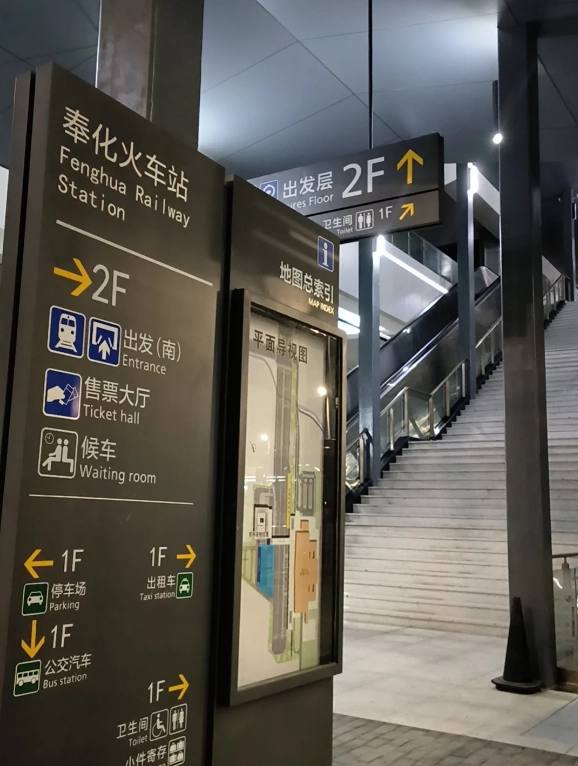
Taxis and Ride-Hailing: What You Must Know
Taxis are metered but some drivers may refuse short trips. The starting fare is around 11 RMB (about $1.5). To avoid misunderstandings, show the driver your destination in Chinese characters — I save screenshots of addresses. For a better experience, download the Didi app (it has English mode) or use the Didi mini-program inside Alipay. It’s like Uber and usually cheaper and more reliable.
What to See in Ningbo: Top Attractions That Are Worth It
Tianyi Pavilion: The Oldest Private Library in China
Tianyi Pavilion (天一阁) is a must-see for history lovers. Built in 1561, it’s the oldest private library in China, containing over 300,000 ancient books. The gardens are serene, but the highlight is the original library building. Entry is about 30 RMB, and it’s open from 8:30 to 17:00 (closed on Mondays). You should book tickets in advance via Trip.com or the official WeChat mini-program — walk-ins might be turned away during peak season. Bring your passport for registration. I recommend spending 2-3 hours here, and yes, the toilet near the entrance often has a queue — use the one by the exit instead.
The Old Bund (Lao Waitan): A Riverside Stroll
This waterfront area is free to explore and open all day. It’s a mix of colonial-era buildings, cafes, and bars. Come in the late afternoon to watch the sunset over the Yong River, then stay for dinner. The atmosphere is lively but not overwhelming. The area is safe, well-lit, and popular with both locals and tourists.
Ningbo Drum Tower and the City God Temple
These two landmarks sit right next to each other, forming the old city’s historic core. The Drum Tower (鼓楼) itself is free to climb, offering a nice view of the surrounding streets. The City God Temple (城隍庙) area has a bustling food market and shops. I’d allocate 1-2 hours here, mostly for eating and people-watching. The temples and towers are more interesting from the outside — inside, they’re heavily commercialized.
Day Trip to Dongqian Lake or Xikou (Chiang Kai-shek’s Hometown)
If you have a full extra day, choose one of these. Dongqian Lake is a scenic spot 20 km east of the city, perfect for cycling and picnicking. It’s free, and you can rent bikes near the lake. Xikou, on the other hand, is a historic town 40 km west, famous as Chiang Kai-shek’s birthplace. The ticket costs around 120 RMB, covering several old residences and a waterfall. Both require at least 4-5 hours including travel. I’d pick Dongqian Lake for a laid-back day, but Xikou is more culturally significant.
How to Plan a 1 or 2-Day Ningbo Itinerary
The Classic One-Day Route
Start your day at Tianyi Pavilion. Arrive right when it opens at 8:30 to beat the crowds. Spend 2 hours, then walk 15 minutes to the Drum Tower and the City God Temple. Grab a quick lunch in the food stalls there — try the “cicai” (紫菜) soup dumplings. In the afternoon, head to the Old Bund and walk along the river. Consider visiting the Ningbo Museum of Art (free) if you like contemporary art. End the day with a seafood dinner at a restaurant in the Old Bund area.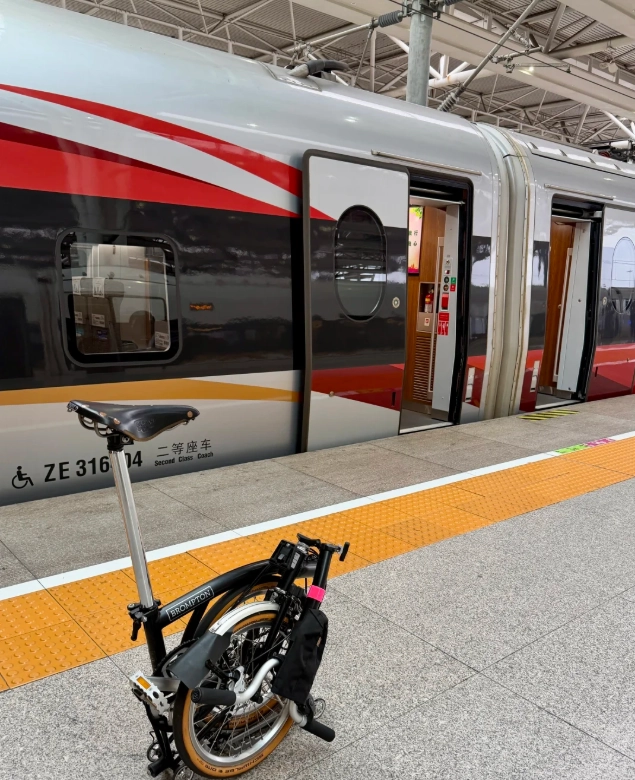
Two-Day Deep Dive with a Night Stay
Day 1: Follow the one-day route above, but linger longer. Stay overnight at a hotel near the Old Bund. Day 2: Take a day trip to either Dongqian Lake or Xikou. For Dongqian Lake, take a taxi or Didi from downtown (about 40 minutes, 60-80 RMB). For Xikou, there are direct buses from Ningbo Railway Station (about 1.5 hours). Return in the evening and, if you’re not exhausted, sample the nightlife at a bar on the Old Bund.
What and Where to Eat in Ningbo: Local Favorites
Must-Try Ningbo Dishes
Ningbo cuisine is all about seafood and fermented flavors. Start with the famous Ningbo tangyuan (汤圆) — sweet glutinous rice balls filled with black sesame and lard. They’re served in a light soup and are surprisingly addictive. Another classic is *honggao qiangxie* (红膏炝蟹) — raw crab marinated in soy sauce and liquor. It’s an acquired taste, but very local. Don’t miss *haimian* (海鲜面) — a noodle soup loaded with fresh seafood.
Restaurants I Personally Recommend
For tangyuan, look for “Gang Ya Gou” (缸鸭狗) — a century-old chain. There’s a branch in the Tianyi Square mall area. It’s tourist-friendly, with picture menus. For seafood, wander the streets near the Old Bund and pick a place with a queue of locals. My rule: if the menu is only in Chinese, you’re probably in the right spot. Ask the waiter for the day’s catch — they’ll likely suggest something that doesn’t translate well, and that’s exactly what you want. Prices vary, but a full meal for two generally costs 150-300 RMB.
Where to Stay in Ningbo: Best Neighborhoods for Travelers
You want a hotel that’s close to metro lines and accepts international guests. That’s easier than you think — most mid-range and up hotels do. Here’s a quick comparison:
| Area | Best For | Approx. Price/Night | Metro Access |
|---|---|---|---|
| Old Bund | Nightlife, views, walking | 400-800 RMB | Line 2 (Waitan Bridge) |
| Tianyi Square | Shopping, central, convenience | 300-600 RMB | Lines 1 and 2 |
| Railway Station | Early departures, budget | 200-400 RMB | Lines 1 and 2 |
For booking, use Booking.com or Trip.com — both handle foreign passports. Check reviews for “foreigner friendly” and mention any special needs (like an elevator and good Wi-Fi) when booking.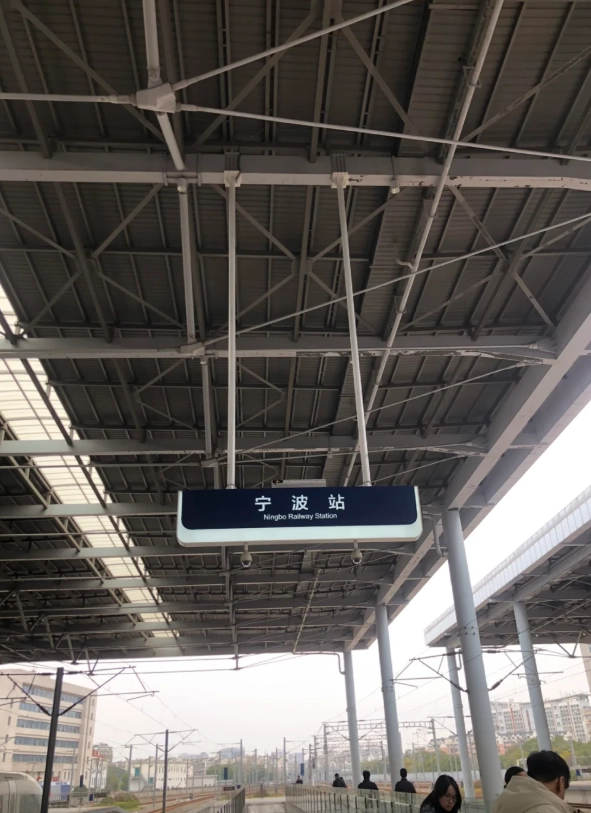
Practical Ningbo Travel Tips: Payment, VPN, and Booking
How to Book Attractions and Hotels Without a Chinese ID?
Use platforms that accept passports — Trip.com, Klook, and the official WeChat mini-programs (they allow passport numbers). Not every attraction is on these platforms, but major ones like Tianyi Pavilion are. If you run into trouble, your hotel’s front desk can usually help you book tickets for a small fee or even for free. Don’t be shy to ask.
VPN and Translation Apps: Your Digital Lifeline
Install a reliable VPN on all your devices before arriving in China. Without it, Google, WhatsApp, and most social media are blocked. I recommend Astrill or ExpressVPN. For translation, Apple’s built-in Translate app works offline if you download the Chinese pack. Baidu Translate is excellent for text but requires internet. Always have a phrasebook or a screenshot of key phrases like “我是外国人” (I’m a foreigner) handy.
The Cashless Society Survival Guide
Beyond Alipay/WeChat, you need to know how to get cash. ATMs at major banks (Bank of China, ICBC) accept foreign cards and have English interfaces. You’ll need your passport to exchange currency at a bank counter. Carry 300-500 RMB in small notes as emergency money. Vendors often don’t have change for 50 or 100 RMB notes.
Frequently Asked Questions
Verified and fact-checked by the editorial team.






No comments yet.