 Wei Zhang
Quick Navigation
- Why Lhasa Should Be on Your China Bucket List
- Top Things to Do in Lhasa: The Essential Attractions
- How to Plan Your Lhasa Itinerary (3 Days)
- Practical Tips for Visiting Lhasa
- What to Eat in Lhasa: A Foodie's Guide
- Where to Stay in Lhasa: Neighborhood Recommendations
- Common Mistakes First-Timers Make in Lhasa
- FAQ About Top Things to Do in Lhasa
I still remember the first time I climbed Potala Palace's steep steps.
A tourist beside me gasped, "I forgot to book tickets."
That's when I knew this guide needed to exist.
Planning top things to do in Lhasa isn't like visiting other Chinese cities. Payment apps, high altitude, and the booking system can trip you up if you're not careful.
Here's your shortcut: book your Potala Palace pass a week ahead, get a VPN before you arrive, and always carry cash as a backup.
Now, let's dive into the essentials.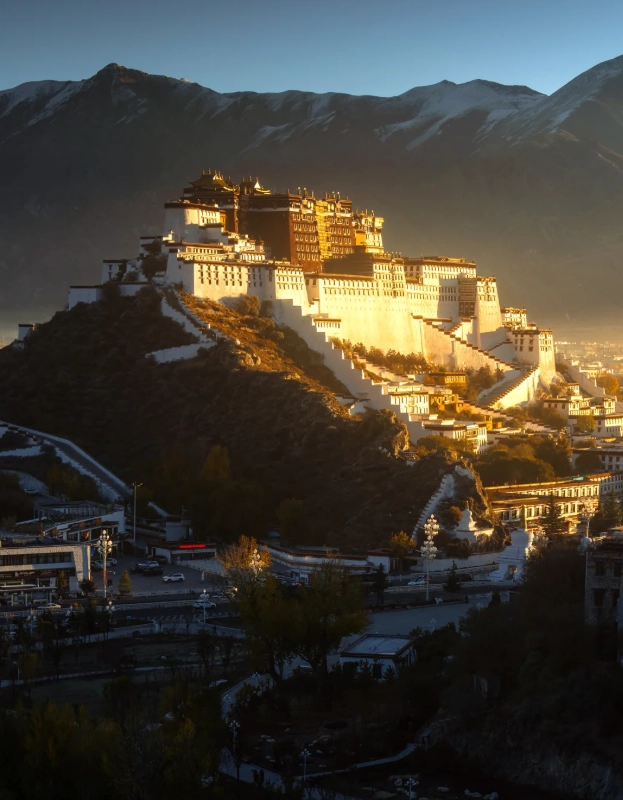
Why Lhasa Should Be on Your China Bucket List
Lhasa isn't just another stop on the Silk Road. It's the spiritual heart of Tibet, at 3,650 meters above sea level. The air is thin, but the culture is thick. You'll find ancient monasteries, prayer flags, and a pace of life that forces you to slow down. Add the fact that it's a hidden gem for foreigners — you'll see more locals than tourists — and you have a destination that feels like a secret.
I've been bringing travelers here for years, and every single one leaves changed. The altitude might make you dizzy, but the views and the atmosphere will ground you.
Top Things to Do in Lhasa: The Essential Attractions
Let's break down the unmissable spots. I've grouped the practical details in a table so you can plan quickly. Then I'll give you my personal take on each.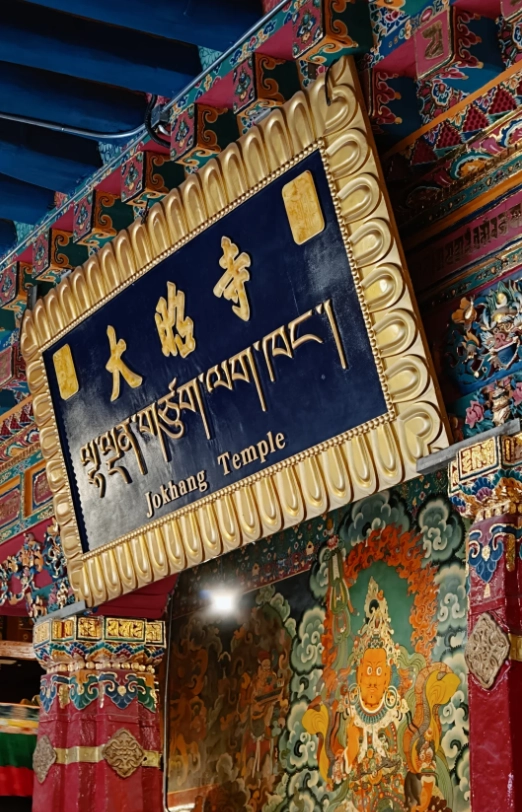
| Attraction | Distance from Barkhor St. | Entrance Fee | Booking Requirement | Best Time to Visit |
|---|---|---|---|---|
| Potala Palace | 15-min walk | 200 RMB (peak) | Required (7 days in advance) | Morning (opening time) |
| Jokhang Temple | Inside Barkhor | 85 RMB | Passport on site | Early morning (before 9 AM) |
| Sera Monastery | 7 km north | 50 RMB | On-site passport | Afternoon (for debating at 3 PM) |
| Drepung Monastery | 5 km west | 60 RMB | On-site passport | Morning (less crowded) |
| Norbulingka | 2 km west | 60 RMB | On-site passport | Late afternoon |
Insider Advice: Entrance fees change annually. Always confirm on the official website or at your hotel before heading out. The prices above are accurate for the current season but can be adjusted.
Potala Palace: The Iconic Landmark
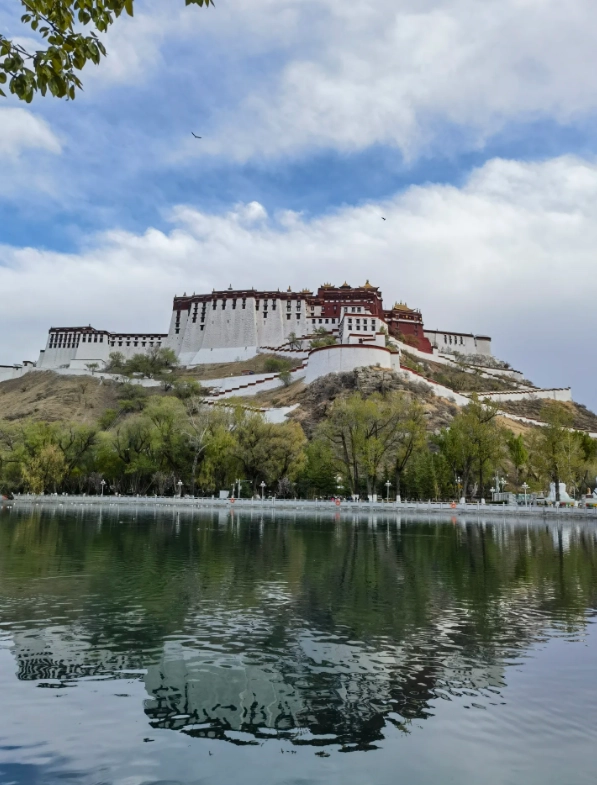
Potala Palace is the icon of Lhasa, and you'll feel its presence from miles away. This former winter residence of the Dalai Lamas is a masterpiece of Tibetan architecture. The white walls and red fortress sit on Marpo Ri Hill, watching over the city.
Now, here's the catch: you must book your ticket exactly 7 days in advance. In peak season, they sell out within hours. As a foreigner, you can book via your hotel or using the official WeChat mini-program — but if your Chinese isn't good, let the hotel receptionist do it. You'll need your passport number for the reservation.
Go early. I always tell my clients to arrive at the entrance by 8:30 AM. Not only do you beat the tour groups, but you'll also get those warm morning rays on the white walls. Avoid the afternoon slot — the sun creates harsh shadows, and the last entry is often 4:30 PM, which doesn't leave enough time.
Inside, you'll climb winding stairs. Go slow; the altitude is real. The interior is filled with golden stupas and ancient murals, but photography is strictly prohibited. My advice: just let your eyes absorb it, and bring a small notebook to jot down what you see.
Address: Beijing Middle Road 35, Chengguan District.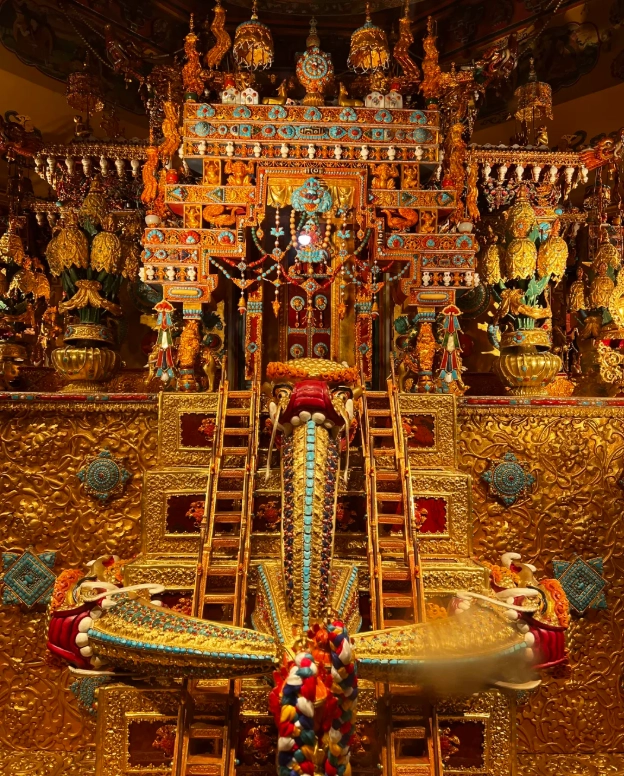
Jokhang Temple: The Spiritual Heart
Jokhang Temple is the spiritual epicenter of Tibet, built in the 7th century. If Potala Palace is the political symbol, Jokhang is where faith lives. Pilgrims from all over Tibet make their life's journey to prostrate here.
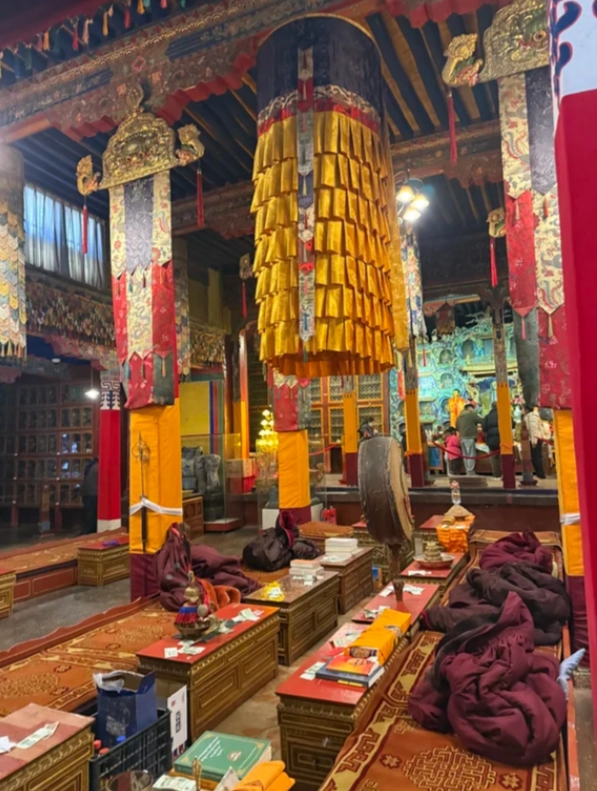
You'll enter through the Barkhor Street circuit. The inner shrine houses the famous Jowo Shakyamuni statue — believed to be one of the most sacred images in Buddhism. The atmosphere is intense with butter lamps and whispered prayers.
Visit as early as possible — around 8 AM before the crowds flood in. This is when you'll see genuine devotion, not just tourists. Remember to walk clockwise around the temple. Dress respectfully (shoulders and knees covered) and remove your shoes before entering the inner sanctum.
Address: Barkhor Street 1, Chengguan District.
Barkhor Street: The Pilgrimage Circuit
Barkhor Street isn't just a market; it's a living pilgrimage route. Locals walk it hourly, spinning prayer wheels and chanting. You'll join a sea of pilgrims moving in a counter-clockwise flow (actually clockwise, but they'll guide you).
Here, you can pick up everything from prayer beads to thangka paintings. But beware of knockoffs. I always tell my travelers: if it's too shiny or deliciously cheap, it's probably not authentic. For quality, look for stores with a local crowd. The more weathered the shop owner, the better the goods.
Also, remember to carry small bills (10 or 20 yuan) — many vendors are old and don't take mobile payments. Do not exchange money with street dealers; use formal foreign exchange at your hotel or bank.
Tip: The best time to walk Barkhor is after 6 PM, when the sun softens and the crowds thin. You'll see the kora (pilgrimage circuit) in full swing.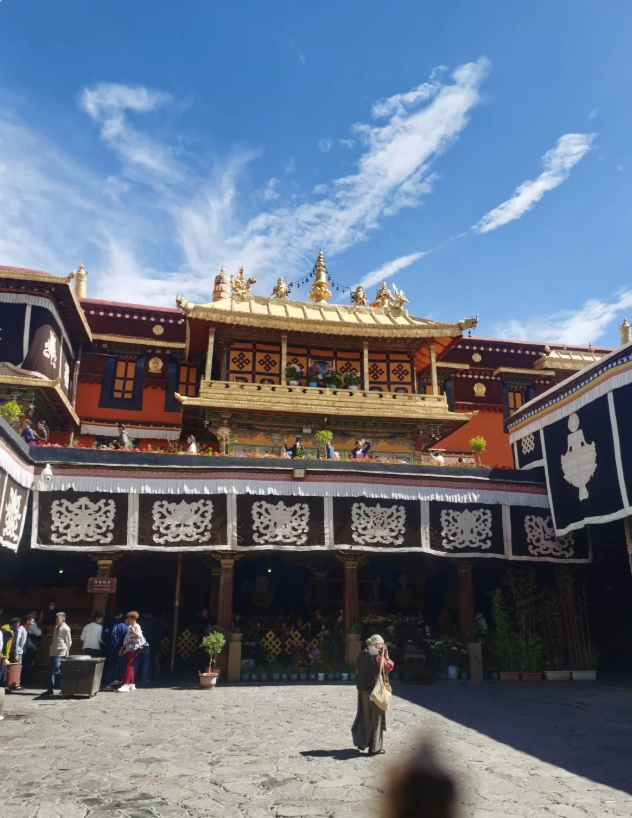
Norbulingka: The Summer Palace
Norbulingka is the Dalai Lama's summer residence, and it's a green haven of tranquility. A stark contrast to the dense stone of the city. The gardens are huge, with blooming peonies and ancient trees. I love bringing clients here for a slow stroll after intense mornings of monasteries.
It's less crowded than Potala, and the entrance donation — I mean, fee — includes access to the golden rooftop pavilions. The 3:30 PM sunlight is particularly beautiful through the poplar avenues. Warning: There's almost no shade on the main paths, so bring a hat.
Address: Norbulingka Road 19, Chengguan District.
Sera Monastery: Where Monks Debate
Sera Monastery is famous for its daily monk debates — a spectacle you won't see anywhere else. It's about 7 km north of the city center, which is a quick taxi ride. The debates start at 3 PM and last until 4:30 on weekdays (sometimes Saturdays too, but confirm).
The monks sit in small groups, clapping and shouting in deep philosophical discussion. It's loud, abrupt, and absolutely fascinating. I recommend sitting in the shade near the garden wall — you'll get close enough to see their expressions without disturbing them.
After the debate, walk up to the Khangyur House to see the world's largest Buddhist scripture library. It's a vertical climb, but the view over Lhasa Valley is worth it.
Address: Sera, northern suburb of Lhasa.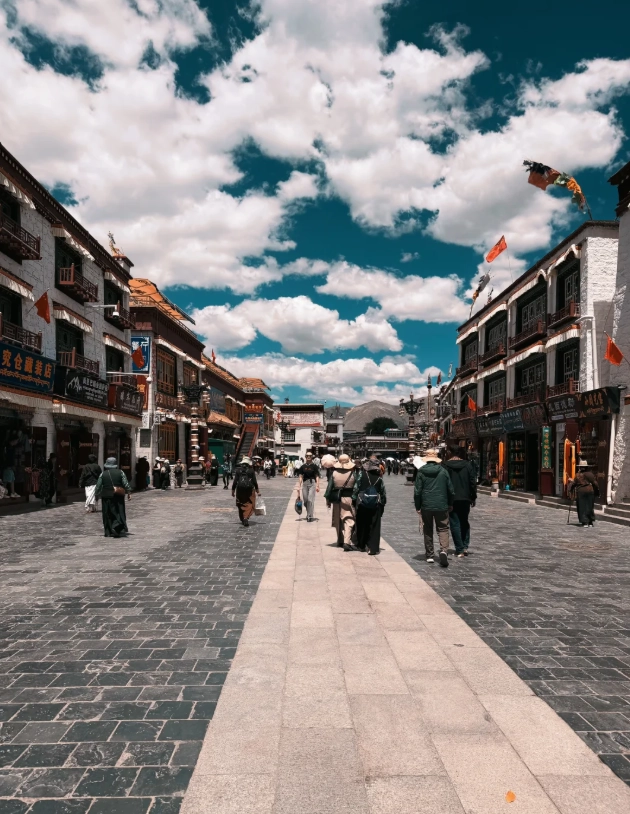
Drepung Monastery: The Largest
Drepung is the largest of Tibet's great monasteries, historically housing up to 10,000 monks. It's tucketed in the hills NW of town, and the white-washed buildings look like a grain pile from a distance. The entry fee is 60 RMB.
Here's the thing about Drepung: it's a steep uphill walk. Trust me, at 4,000 meters, you'll feel it. I always tell clients to take a taxi all the way up to the entrance (drivers will know), then walk down through the alleys. That saves you the toughest part.
You'll be rewarded with stunning side courtyards covered in golden flowers and meditation rooms. The main assembly hall is cavernous and cool.
Address: 5 km from downtown, accessible by bus #24 or taxi.
How to Plan Your Lhasa Itinerary (3 Days)
You could easily spend a week in Lhasa, but if you only have 72 hours, here's how to make the most of it. I've included travel times and back-up plans for bad weather or fatigue.
Day 1: Acclimatization and Barkhor
Your first day is about settling in and adjusting to the altitude.
- Arrive and check into your hotel in the old city. Rest for at least 2 hours — don't rush to the sights.
- At around 3 PM, take a light walk to Barkhor Street. It's flat and easy. Grab a sweet tea at a rooftop café (the one near the southeast corner has nice views).
- Dinner: Try momos (dumplings) at a local hole-in-the-wall like Ali Restaurant (ask your hotel to call ahead).
If you feel tired, skip the walk and just enjoy the view from your hotel window. Tomorrow will be packed.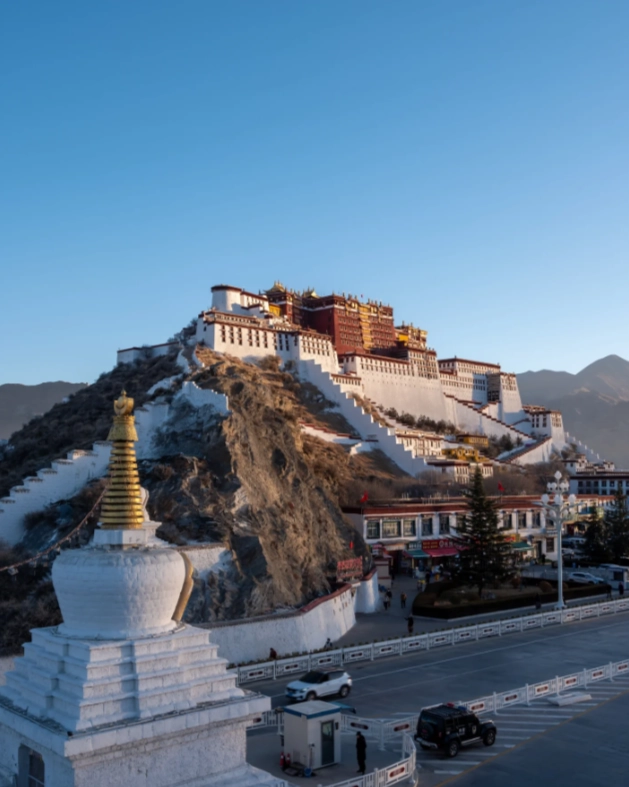
Day 2: Potala Palace and Jokhang Temple
- 8:00 AM: Taxi to Potala Palace. Show your pre-booked ticket (passport required). Spend about 3.5 hours inside (including climbing time).
- 12:30 PM: Grab a quick lunch near the palace — the Yak Restaurant (address: Jokhang Temple East) is a reliable choice.
- 2:00 PM: Walk to Jokhang Temple. Use the Barkhor circuit. Allocate 2 hours.
- 4:30 PM: Head back to Barkhor for souvenir shopping or a foot massage at a local spa.
If it rains: skip outdoor Sera and instead visit the Tibet Museum (free entry) next to Norbulingka. It has excellent exhibits on Tibetan history.
Day 3: Monasteries and Gardens
- 9:00 AM: Taxi to Drepung Monastery (approx. 20 minutes). Hire a taxi to the top, then walk down. Spend 2.5 hours.
- 12:00 PM: Lunch at a local noodle shop near Drepung.
- 2:30 PM: Head to Sera Monastery for the afternoon debate (3:30 PM start). It's a 25-minute taxi ride back into town.
- 6:00 PM: Finish at Norbulingka for a sunset stroll. The park is open till 8 PM in summer.
If you're tired, swap Drepung for a relaxed brunch in the old city and save Norbulingka for the last hour.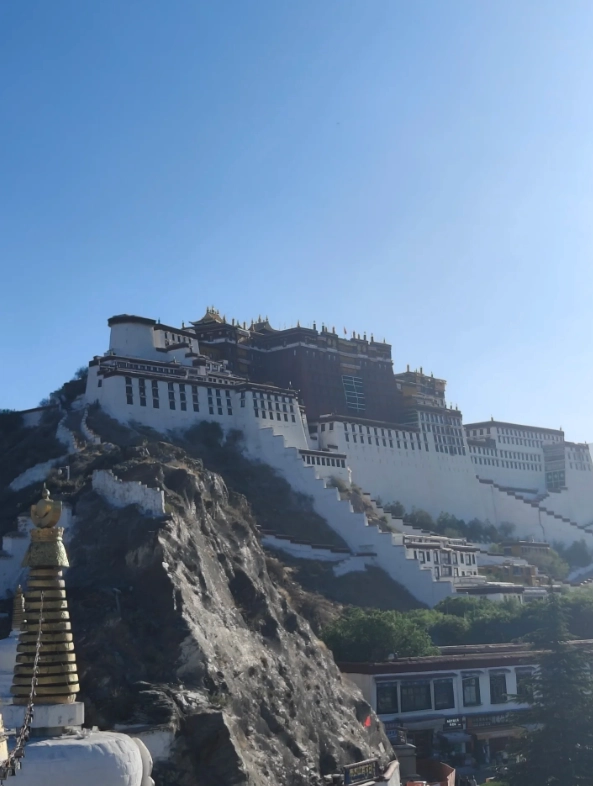
Practical Tips for Visiting Lhasa
Getting Around: Navigating Lhasa
Google Maps is unreliable in China — use Apple Maps or AMap (local app) with English mode. But even AMap can be tricky for foreigners. My trick: ask your hotel to write your destination in Chinese on a card, then show it to taxi drivers. Most drivers don't speak English.
Taxis are cheap (within the city, you'll rarely pay more than 20 yuan). Rideshares like DiDi are also available and work with Alipay. For the old city, your legs are the best transport — everything is close if you're staying near Barkhor.
Payment and Connectivity: Alipay, VPN, and More
China is a cashless society, but foreign cards often don't work directly. You'll need to set up Alipay or WeChat Pay before you arrive. Link your international credit card — it's easier than you think. Even better, bring some cash as a backup (around 500 yuan). Some street vendors and small shops only take cash.
Your phone will not work without a VPN. Download a reliable VPN (like Astrill or ExpressVPN) before you land. In Lhasa, connectivity is surprisingly fast, but Wi-Fi is the most stable option.
For translation, Apple's built-in Translate app works offline. I also recommend downloading the Chinese phrasebook in Baidu Translate — it handles local dialects better.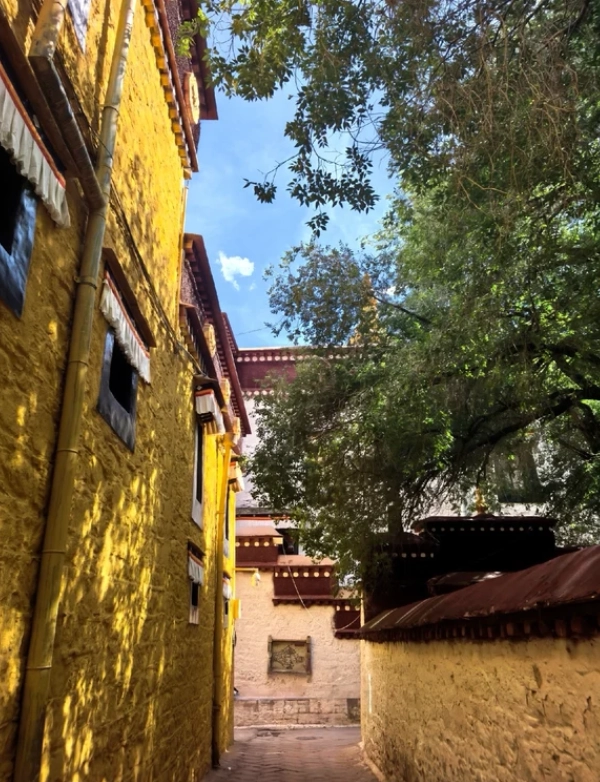
Booking Tickets: Avoid the Crowds
Every major attraction needs a booked entry with your passport. For Potala Palace, you must reserve at least 7 days ahead. If you can't manage WeChat, use Trip.com or Klook — both are foreigner-friendly and support international cards.
Jokhang and monasteries generally accept walk-ins, but you must bring your physical passport. Give yourself 15 extra minutes for the queue at busy hours.
What to Eat in Lhasa: A Foodie's Guide
Lhasa's food is bold, buttery, and perfect for the altitude. Here are my go-to dishes and where to find them.
- Sweet Tea (Cha Jiao): A milky, sweet tea that's better than any Starbucks. Try it at Gorla Cafe (Barkhor North) — the rooftop view is iconic.
- Tsampa: Roasted barley flour eaten with butter and tea. A staple of Tibetan energy. Order it at Taiyang restaurant!
- Momo: Steamed dumplings, usually filled with meat. Head to Lhsa Kitchen (Jokhang Street) for the juiciest ones. My always-order is the chilli oil side.
- Yak Curry: Hearty and rich. Tibet Kitchen (address: Barkhor South) does a great version with local vegetables.
Personal tip: Always ask if the restaurant accepts Alipay — some old spots are cash-only. Also, the sweet tea might prevent altitude sickness — locals swear by it.
Where to Stay in Lhasa: Neighborhood Recommendations
Choosing the right base can make or break your trip. Here's a comparison of the best areas.
| Area | Pros | Cons | Price Range | Best For |
|---|---|---|---|---|
| Old City (Barkhor) | Walk to top sights, authentic vibe | Noisy, older buildings | 150–450 RMB/night | First-timers who want atmosphere |
| West Side (Norbulingka area) | Quiet, green, modern hotels | Far from monasteries | 200–600 RMB/night | Relaxers, families |
| Sunshine Street | Central, many new hotels | Bit soulless, more business travelers | 250–500 RMB/night | Those wanting easy airport bus |
I personally recommend staying in the old city for at least two nights. The experience of waking up to the sound of bells and smelling incense is irreplaceable. Just make sure your hotel has a lift — climbing stairs at altitude is tough.
Check Wi-Fi reviews on Booking.com — some guesthouses have outrageously slow connections. Also, ask about heating. Lhasa nights are cold, even in summer.
Common Mistakes First-Timers Make in Lhasa
After guiding hundreds of travelers, I've seen the same avoidable mishaps. Learn from them:
- Flying in and heading straight to the sights. You'll hit altitude sickness hard. Spend the first day at rest.
- Relying on credit cards. Even if your hotel is international, the street stalls and local restaurants won't take them. Always have mobile payment and cash.
- Ignoring the sun. At 3,650 meters, UV burns fast. Use SPF 50+ and a hat.
- Booking everything at the last minute. Potala tickets vanish. Plan ahead.
- Walking the Barkhor in the wrong direction. Always go clockwise (with the prayer wheels). Don't be the one who accidentally goes counter-clockwise.
FAQ About Top Things to Do in Lhasa
Verified and fact-checked by the editorial team.





No comments yet.