 Wei Zhang
- Why Shangri-La Tourist Attractions Are Worth the Journey
- Top Shangri-La Tourist Attractions: The Complete List
- How to Plan Your Shangri-La Itinerary: 1-Day and 2-Day Routes
- What to Know Before Visiting Shangri-La: Logistics and Insider Hacks
- Where to Stay Near Shangri-La Tourist Attractions
- What to Eat: Local Food Experiences You Shouldn't Skip
- FAQs: Your Shangri-La Tourist Attractions Questions, Answered
The thin air hits you the moment you step out of Shangri-La airport. At 3,280 meters, every step feels heavier. But that's exactly why you came — to see a place where the sky seems close enough to touch. I've been leading tours in this corner of Yunnan for years, and I've seen travelers blown away by its beauty — and others flattened by altitude sickness. The secret? Slow down. Acclimatize. Then explore.
Shangri-La tourist attractions are not just a list of sights. They're a mix of Tibetan culture, dramatic landscapes, and a way of life that feels a world apart from China's megacities. Most visitors rush through in two days and miss the point. But if you know where to go and when, you'll leave with memories that last.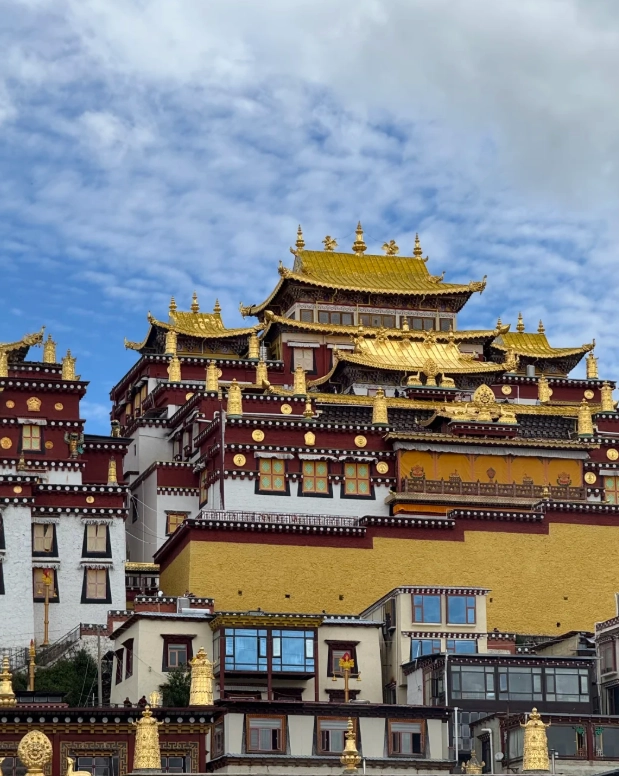
Here's the thing: most English guides will tell you to visit Songzanlin Monastery and Pudacuo National Park. They're right — those are unmissable. But they won't tell you how to get there without getting ripped off, or when to show up to beat the tour groups. That's where I come in.
Why Shangri-La Tourist Attractions Are Worth the Journey
Shangri-La, formerly called Zhongdian, sits in the far northwest of Yunnan Province. It's the gateway to the Tibetan Plateau and the starting point for trips to Meili Snow Mountain and Yubeng Village. But the city and its surroundings hold their own treasures. I always tell my clients that Shangri-La is not a "stopover" — it's a destination.
What makes it different? The altitude (3,280 m), the Tibetan Buddhist culture, and the raw natural scenery. In a country of crowded cities, here you'll find space, silence, and a slower pace of life. The old town still smells of burning juniper and butter tea; the monasteries echo with chants; and the lakes reflect the kind of blue you only see at high altitude.
Yes, it's cold in winter and sometimes rainy in summer, but that's part of the charm. I've been here in every season, and each has its own magic. Winter brings clear skies and snow-capped mountains; summer turns the hills a vivid green.
Top Shangri-La Tourist Attractions: The Complete List
These are the five places I take every first-time visitor to Shangri-La. They're the sights that deliver the most bang for your buck — and your breath.
1. Songzanlin Monastery (Ganden Sumtseling Monastery)
Sometimes called the "Little Potala Palace," this is the largest Tibetan Buddhist monastery in Yunnan. It sits on a hillside 8km north of town, its golden roofs gleaming against the dark green slopes. Walking up the wide stone steps, you'll hear the murmur of prayers and the clatter of prayer wheels. The atmosphere is deeply spiritual — but also photogenic.
Practical info:
- Address: 3 Niwang Rd, Jiantang Town, Shangri-La City (if using a taxi, show the driver "松赞林寺").
- Opening hours: 8:00–18:00 (last entry around 17:30).
- Ticket: about 90 RMB including shuttle bus. You can buy at the entrance, or more conveniently, book via Trip.com or Klook — both have English versions and accept international cards. You'll need your passport for real-name booking.
- How to get there: From Dukezong Old Town, it's a 15–20 minute taxi ride (about 20–25 RMB). There's no metro in Shangri-La. You can also take local bus #3 from the city center, but it's infrequent.
- Recommended time: 2–3 hours.
Pro Tip: Most tour groups arrive between 10:00 and 14:00. Go early — right when it opens — and you'll have the main hall almost to yourself. Also, walk up to the pavilion on the left side of the monastery grounds; the view of the whole complex with the mountains behind is unbeatable.
My honest opinion: The shuttle bus is a bit of a cash grab — it drops you off about 500m from the entrance. If you're fit, you can walk, but the bus fee is included in the ticket, so you might as well use it.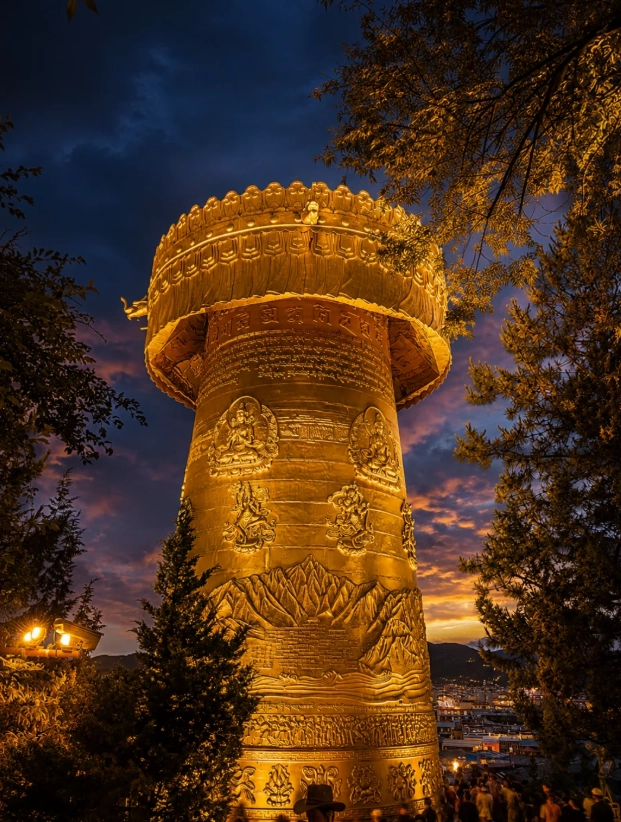
2. Pudacuo National Park
This is China's first national park, and it's a UNESCO World Heritage Site (as part of Three Parallel Rivers). Covering over 600 square kilometers of pristine lakes, alpine meadows, and ancient forests, it's the place to go for a serious dose of nature. Two main lakes — Shudu Lake and Bita Lake — are linked by a scenic boardwalk; the park's shuttle bus takes you between them.
Practical info:
- Address: East of Shangri-La, about 20 km away. Use "普达措国家公园" for taxi or maps.
- Opening hours: 8:00–17:00, but the last entry is usually 15:00 (the shuttle stops running in the afternoon).
- Ticket: about 190 RMB including shuttle bus. It's often required to book in advance during peak seasons — book via Trip.com or Klook at least one day ahead. Your passport is needed.
- How to get there: Take a tourist bus from Shangri-La Bus Station (about 30 minutes) or join a small-group day tour. Taxis will charge around 80–100 RMB one-way; negotiate upfront. There's no direct public bus from the old town.
- Recommended time: 4–5 hours.
Pro Tip: The shuttle drops everyone at Shudu Lake first, which gets crowded quickly. Instead, ask the shuttle driver to drop you at the second stop — Bita Lake — and do the boardwalk there first. You'll dodge the wave of tour groups and have the trail almost to yourself. Later, when you reach Shudu, most groups are leaving.
One thing to know: The park is at 3,500–4,200 meters. Walking the boardwalk feels like running on a treadmill with a heavy backpack. Take it slow, carry a bottle of water, and wear a hat — the sun is fierce even when it's cold.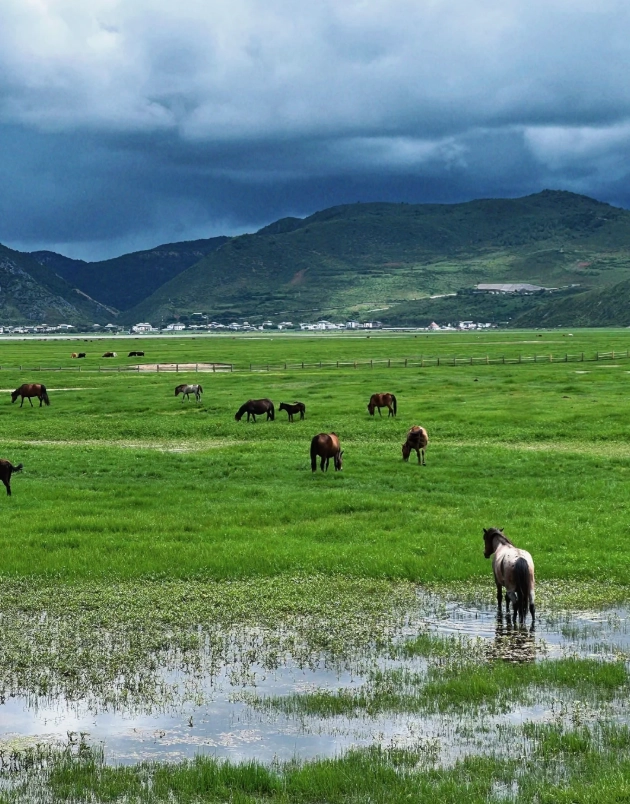
3. Dukezong Ancient Town
This 1,300-year-old town is the largest and best-preserved Tibetan settlement in Yunnan. In 2014, a fire destroyed much of it, but it was rebuilt beautifully. Today, its cobblestone alleys are lined with traditional wooden houses, now holding guesthouses, cafes, and craft shops. The centerpiece is the giant prayer wheel on the hill above — at 21 meters tall, with 15 tons of gold, it's said to be the largest in the world (though that's disputed).
Practical info:
- Address: Central Shangri-La City (you can walk from most accommodations).
- Opening hours: 24 hours, but shops close around 21:00–22:00.
- Ticket: free — no reservation needed.
- Recommended time: 2–3 hours at a leisurely pace, plus extra time for the prayer wheel (30 minutes).
Pro Tip: Come back after dark. The old town is beautifully lit with red lanterns, and the food stalls come alive. Also, don't miss the sunrise view from the prayer wheel — the mountains glow pink and gold.
Genuine warning: The hill to the prayer wheel is steep and the altitude makes it tougher than you think. Take breaks. I've seen people almost pass out on the climb.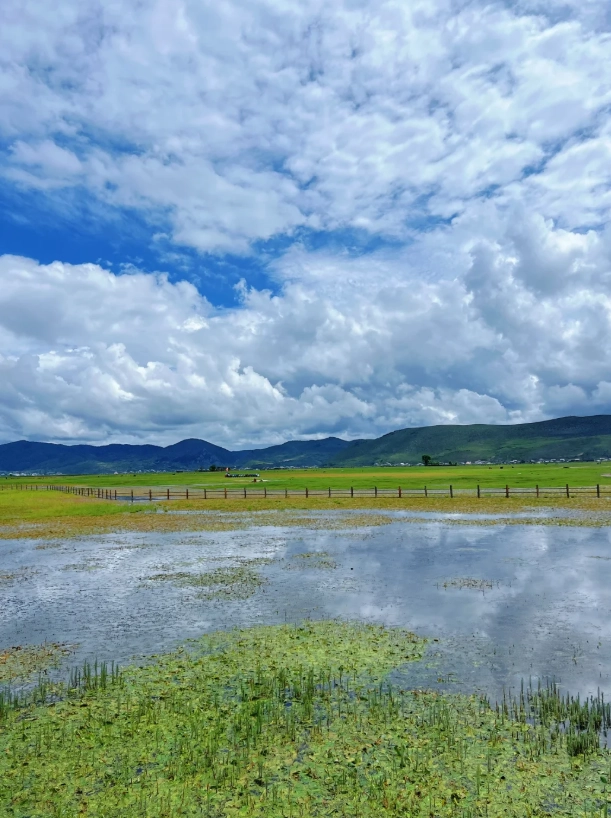
4. Napa Lake (Napa Hai)
Napa Lake is a seasonal alpine wetland about 8km north of town. In the rainy season (May–September), it's a shimmering lake; in winter, the water recedes, leaving vast grasslands where yaks graze. Every autumn, thousands of migratory black-necked cranes stop here — a birdwatcher's dream.
Practical info:
- Address: North of Shangri-La City, easily reached by taxi or bike. Ask for "纳帕海" (Nàpà Hǎi).
- Opening hours: 24 hours, but best during daylight.
- Ticket: The lake itself is free to view from the roadside. If you want to enter the wetland boardwalk, there's a small fee (about 50 RMB). A horse-riding tour costs extra and is often a rip-off — negotiate if you really want to do it.
- How to get there: Rent a bicycle from the old town (about 30 RMB/day) and cycle north — it's a flat, easy ride of about 20 minutes. Or take a taxi for 30–40 RMB one-way, but remember to ask the driver to wait if you plan to return — there's no ride-hailing in the rural part.
- Recommended time: Half a day.
Pro Tip: The best vantage point is a small hill near the northwest shoreline. You can see the whole lake and the mountains beyond. Go late afternoon — the light is golden and the crowds have thinned out.
5. Baima Snow Mountain (Unofficial but worth it if you have time)
If you're a nature lover and have an extra day, consider heading to Baima Snow Mountain Nature Reserve. It's about 2 hours' drive north, and it's where you can see the legendary black snub-nosed monkey. The park has a high-altitude nature center and short hiking trails. It's not as polished as Pudacuo, but far less crowded.
Practical info:
- Address: On the G214 highway, about 100 km north of Shangri-La.
- Opening hours: 8:30–16:30.
- Ticket: about 100 RMB (subject to change). No online booking needed, but bring your passport.
- How to get there: Hire a car with a guide for the day (from around 500 RMB) or take a local bus toward Deqin and get off at the reserve gate — but the bus is unreliable. Honest advice: private car is worth it.
- Recommended time: Full day.

How to Plan Your Shangri-La Itinerary: 1-Day and 2-Day Routes
Even if you only have 24 hours, you can hit the main Shangri-La tourist attractions without feeling like a gerbil on a wheel. The key is to combine the monastery and old town into one long day, and save the national park for the second.
1-Day Itinerary (if you're truly short on time)
- 8:00 – 10:30: Start at Songzanlin Monastery. Take a taxi from the old town. Spend 2 hours exploring the halls and the viewpoint.
- 10:30 – 11:00: Taxi back to Dukezong Ancient Town (about 20 minutes).
- 11:00 – 13:00: Wander through the old town, visit the small museum (if open), and grab lunch at a local noodle shop. Try rice noodles with yak meat — it will fuel you for the afternoon.
- 13:00 – 15:00: Climb to the giant prayer wheel. Take your time; the climb takes about 15 minutes at your own pace.
- 15:00 – 17:00: If you still have energy, rent a bike and ride to Napa Lake (about 30 minutes one way). You can circle a small part and come back. If you're tired, just relax in a tea house.
- Evening: Dinner at a local restaurant (see "What to Eat" below) and then stroll the lantern-lit lanes.
I must say: This is a packed day. If you feel any signs of altitude sickness, skip Napa and rest. The monastery and old town alone are worthwhile.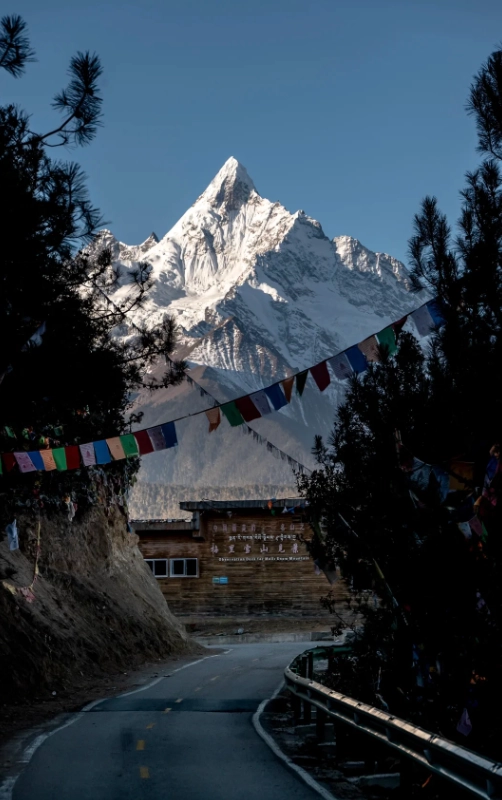
2-Day Itinerary (the balanced approach)
- Day 1: Follow the afternoon plan above for the monastery (start at 13:00, after the morning crowds) and then Dukezong in the late afternoon and evening.
- Day 2: Reserve the entire day for Pudacuo National Park. Leave early (8:00) to beat the tour buses. Spend 4–5 hours inside, then return to town around 15:00. If you're not exhausted, visit Napa Lake or relax.
Pro Tip for more time: With 3+ days, add a side trip to Meili Snow Mountain or Tiger Leaping Gorge. Both are jaw-dropping, but they require overnight stays and a lot of travel time. Save them for a longer Yunnan exploration.
What to Know Before Visiting Shangri-La: Logistics and Insider Hacks
Getting the logistics right is half the battle. Here are the nitty-gritty details that most English articles gloss over.
Payments: Cash Is NOT King Here
Your international credit card will not work at most small shops, restaurants, or even ticket booths. Alipay and WeChat Pay are the default everywhere. But don't panic — you can link your international Visa/Mastercard to both apps in advance. I recommend doing this before you arrive. You'll need your passport for identity verification.
At the monastery and Pudacuo ticket gates, you'll see QR codes for Alipay/WeChat. If you don't have them set up, there are ATM machines in town where you can withdraw cash (with a foreign card) — but the exchange rate is poor. Better to link your card and pay digitally.
Navigation: Google Maps is Useless Here
Google Maps is inaccurate in China — it will often show you a building in the middle of a lake. Use Apple Maps (yes, it works fairly well) or download AMap (Chinese name: 高德地图) and set it to English. If you're using a ride-hailing app like Didi (like Uber), the app works in English and you pay via Alipay or WeChat.
Pro Tip: For taxi drivers, always show the address in Chinese characters — they rarely speak English. I've included Chinese place names throughout this article.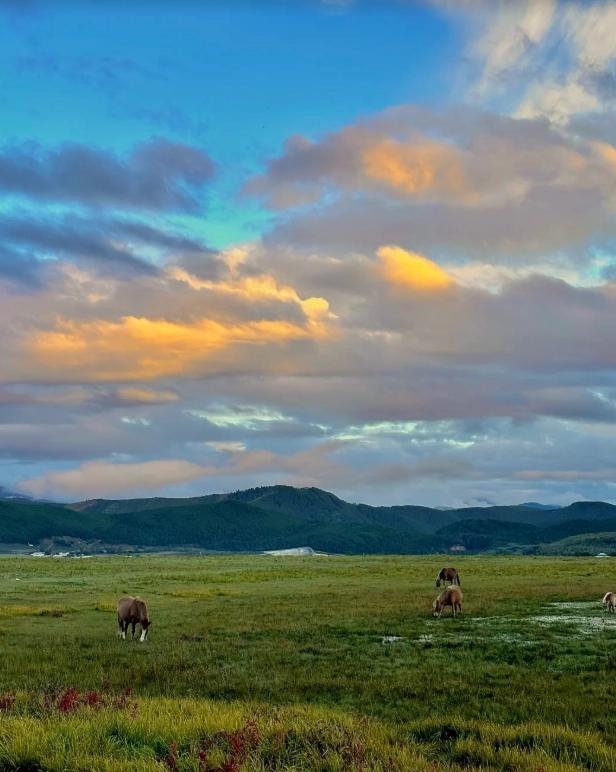
Booking and Reservations: The Passport Rule
Nearly all attractions in China require real-name registration with your passport. For Songzanlin and Pudacuo, you can book through Trip.com or Klook, which have English interfaces and accept foreign cards. Some smaller sites may not have digital booking — just bring your passport and pay cash.
For hotels, booking via Trip.com or Agoda is straightforward — they'll relay your passport details.
Language and Connectivity: Be Prepared
English is barely spoken in Shangri-La, even in hotels. Download an offline translation app (Apple Translate or Baidu Translate) and always carry hotel business cards. Also, remember that many Western websites are blocked in China (Google, Facebook, etc.). Get a VPN before you come, and set it up on your phone and laptop. Alternatively, buy a local SIM card with a data plan — but the Great Firewall still applies.
Altitude Sickness: It's Real, Don't Be Stubborn
At 3,280 meters, your body will feel it. Common symptoms: headache, nausea, shortness of breath. The best prevention is to spend your first day slowly, drink lots of water, and avoid alcohol. If you feel dizzy, seek a pharmacy (they sell a Tibetan herbal remedy called Hong Jing Tian, which is effective for mild symptoms). For severe symptoms, go to the city hospital.
Insider Advice: Some travelers fly directly to Shangri-La from lower altitudes. I've seen too many people collapse at the airport. If possible, spend a night in Kunming (1,900m) or Lijiang (2,400m) first. But if you fly direct, take it easy for the first 24 hours.
Getting to Shangri-La
There are direct flights from Kunming, Chengdu, and a few other cities. The airport is about 5km from town — a taxi costs about 50 RMB. If you're coming from Lijiang, you can take a scenic 4-hour drive by bus or hire a private car (about 600–800 RMB). The new railway line from Lijiang is under construction, but check for updates.
Where to Stay Near Shangri-La Tourist Attractions
The best area to base yourself is Dukezong Ancient Town. You're within walking distance of restaurants, and it's easy to catch taxis to the other sights. However, note that the old town is built on a hill — if you have heavy luggage, choose a hotel near the entrance, not the top.
Here are three options I've personally recommended to clients:
| Hotel Name | Area | Price Range (RMB) | Best For | Key Notes |
|---|---|---|---|---|
| Shangri-La Aba Homestay | Dukezong Ancient Town | 300–500 (mid-season) | Cultural immersion, budget to mid-range | Traditional Tibetan house, hosts speak basic English, free luggage storage |
| Shangri-La Hotel (Zhongdian) – by Hyatt | Near the old town (5 min drive) | 800–1,200 (low season) | Comfort, chain reliability | Mostly reliable Wi-Fi, fitness center, on-site restaurant |
| Lijiang/Shangri-La International Youth Hostel | Close to old town (South Gate) | 60–150 per bed | Backpackers, solo travelers | Dorm beds, social vibe, but thin walls — bring earplugs |
Read through reviews on Trip.com for up-to-date ratings. My general advice: if you're in a homestay, expect thinner walls and wooden stairs. It's part of the charm, but not for light sleepers.
What to Eat: Local Food Experiences You Shouldn't Skip
Shangri-La cuisine is a Tibetan-Yunnan hybrid — hearty, rich, and made for a cold climate. Here's what I always order:
Yak Meat Hotpot (牦牛肉火锅)
This is the king of Shangri-La comfort food. Thinly sliced yak meat simmered in a mushroom broth, with local vegetables. The broth is sweet from the veggies, and the meat is lean — surprisingly tender. My go-to is Mama's Kitchen (妈妈的味道) on No. 1 Xinhua Street in the old town. It's been around for years, and they have an English menu. A hotpot for two costs about 120 RMB. Expect to wait 15 minutes during peak night times.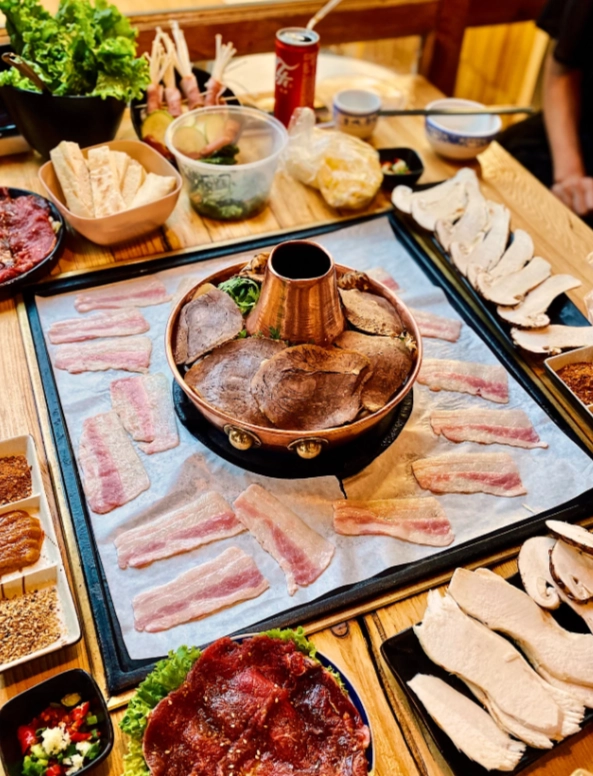
Butter Tea (酥油茶)
Made with yak butter and tea leaves, it's salty, creamy, and an acquired taste. First-timers may find it, um, robust. But it's essential for hydration at altitude. Try it at any Tibetan restaurant; I recommend pairing it with tsampa (barley flour).
Zanba (Tsampa)
Roasted barley flour mixed with butter tea, forming a doughy texture. It's not sweet — think of it as untoasted granola with a weird consistency. You'll see nuns and farmers eating it for breakfast. Add sugar at your own risk.
Jian Shui (Yunnan) Rice Noodles
Though not Tibetan, Yunnan's famous guoqiao rice noodles (过桥米线) hit the spot. There's a decent shop called Guo Qiao Yunnan Rice Noodles near the old town's South Gate. A bowl is about 25 RMB.
Where to eat: The old town has a street called Chadou Street (茶都街) that turns into a food market at night. You'll find grilled yak skewers (10 RMB each) and potato pancakes. Perfect for grazing.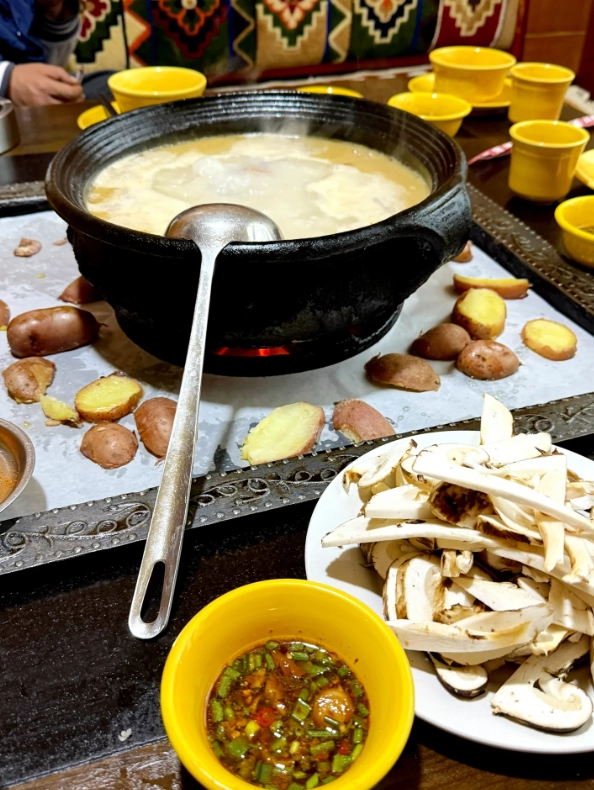
FAQs: Your Shangri-La Tourist Attractions Questions, Answered
Verified and fact-checked by the editorial team.






No comments yet.