 Fang Wang
Ever seen a tourist cry at a Suzhou ticketing booth? I have — usually because they didn't book ahead, or worse, showed up at a 'closed for maintenance' gate.
I've spent years guiding visitors around this water-town paradise. Here's the uncomfortable truth about a weekend in Suzhou: the city is packed with domestic tourists during peak hours, your international credit card might not work at that cute noodle shop, and Google Maps will lead you straight into a construction pit.
But with the right plan, Suzhou rewards you beyond expectation. Yes, the gardens are preserved cultural masterpieces, but the city also has a modern side, and a weekend gives you just enough time to get a taste of both. Let me show you exactly how.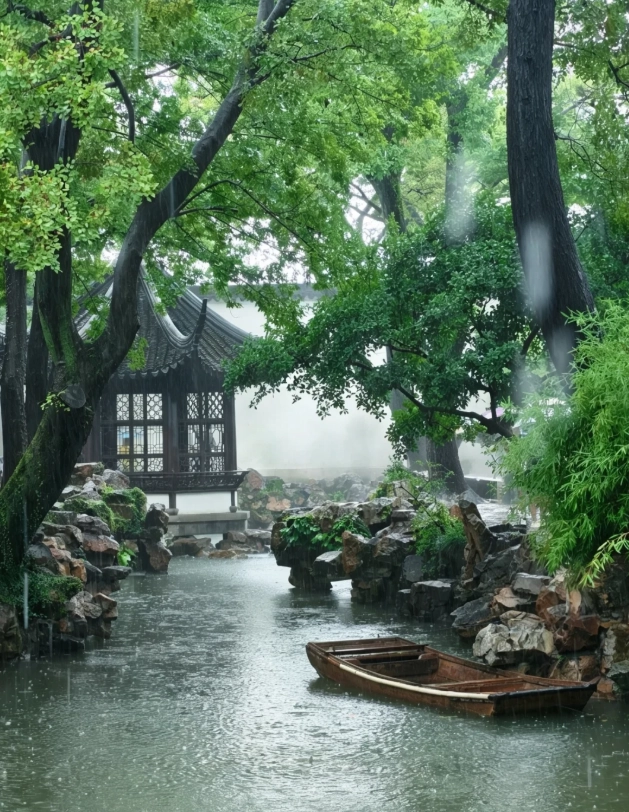
Suzhou Weekend: The Real Deal
Suzhou is not just a collection of classical gardens. It's a living, breathing city with a pace that can either soothe you or stress you, depending on how you plan. Most guides tell you to rush from garden to garden. I'll tell you the opposite: pick two gardens, not five, and use the rest of your weekend to wander the canals and alleyways. This city rewards the slow traveler.
What makes a weekend here worthwhile?
- UNESCO-listed classical gardens that evolved over a thousand years
- Canals and ancient bridges that give Venice a run for its money
- A silk heritage still visible in the old workshops—though you'll need to skip the tourist-trap showrooms
- Suzhou's distinctive sweet Jiangsu cuisine, a refreshing change from the fiery Sichuan flavors elsewhere
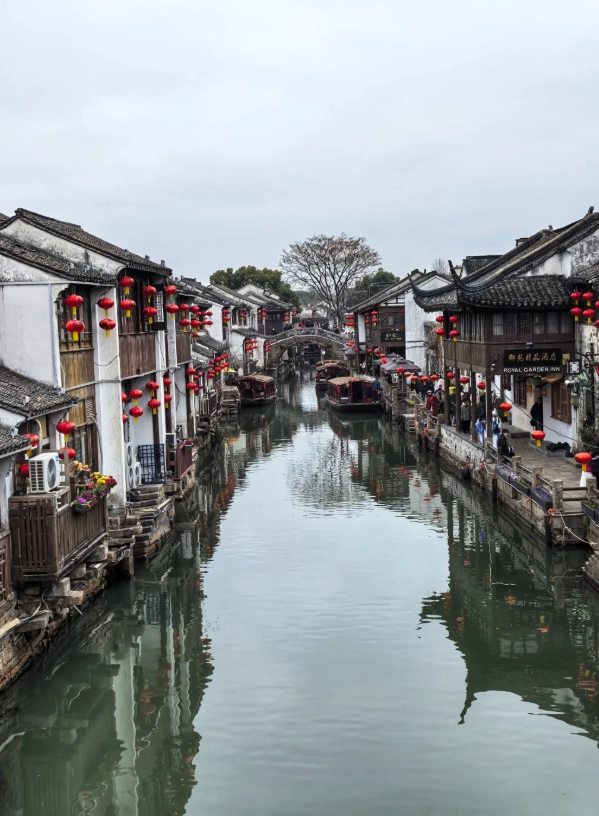
On my first trip to Suzhou, I tried to do all four gardens in one day. By 4pm I was hallucinating rockeries. That's not a weekend plan. Trust me: two gardens, a boat ride, and a quiet evening walk will leave you with more lasting memories than any checklist.
How to Get to Suzhou and Navigate Like a Local
Getting There by High-Speed Rail
Most foreign tourists arrive from Shanghai or Hangzhou. From Shanghai Hongqiao, the bullet train to Suzhou takes roughly 30–40 minutes. Take the high-speed rail to Suzhou Station or Suzhou North? Both work; Suzhou Station is closer to the old city. Trains depart dozens of times daily. Book your ticket on Trip.com or the official 12306 app — both have English interfaces. Remember to bring your passport; it's required for both booking and boarding.
Navigating Within Suzhou: Don't Rely on Google Maps
Google Maps is notoriously unreliable in China. For a smoother experience, download Apple Maps (it works surprisingly well) or the AMap app, which is a local favorite. Even better: save this Chinese address for your hotel and show it to your Didi driver. Didi is China's Uber; you can access it via Alipay's mini-program or the Didi app. Always set your destination in Chinese or use the map pin.
Payment and Connectivity: The First Hurdle
Suzhou is moving toward a cashless society. While some tourist hotels accept bank cards, most local restaurants and shops only take Alipay or WeChat Pay. Link your international credit card to Alipay before your trip — the app now supports Visa and Mastercard. Also, carry 300–500 RMB in cash for emergencies. And remember to install the Alipay app's built-in translation feature.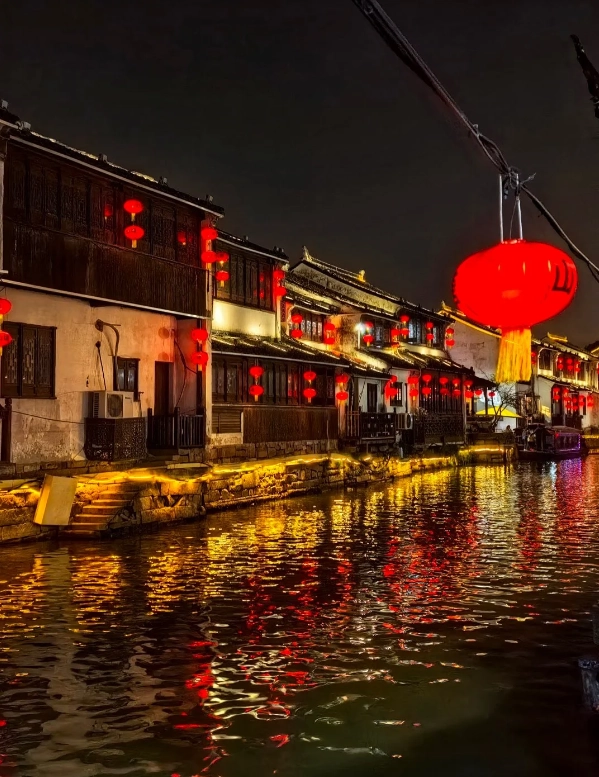
Pro Tip: Set up Alipay and WeChat Pay at home, not after you land. I've seen travelers spend an hour at a hotel lobby struggling with a Chinese SIM card and a verification code that never arrives. Save the headache.
Day 1: Classic Gardens and Canal Life
This is the day you saw in your dreams: whitewashed walls, weeping willows, and rock gardens.
Morning: Humble Administrator's Garden (8:30 AM – 12:00 PM)
Start your weekend at Humble Administrator's Garden (Zhuo Zheng Yuan) — the largest and most famous garden in Suzhou. It's a UNESCO World Heritage Site, and barely a website in English explains the ticketing mess. Here's how to do it right:
- Address: No. 178 Northeast Street, Gusu District (苏州市东北街178号)
- Hours: 7:30 AM – 5:30 PM (hour may vary; check official)
- Tickets: around 70–90 RMB, depending on season. You must book with your passport number in advance on Trip.com or the official WeChat mini-program.
- Suggested time: 2.5–3 hours.
Pro tip: The official ticket window often has long lines and sometimes 'sells out' for the entry hour. I always book via Trip.com the night before. You'll get a QR code — no need to print. Join the queue at the main entrance about 15 minutes before your ticket time.
My favorite spot: the green lotus pond east of the main hall. Most tour groups rush past it; stay there for five minutes and listen to the birds.
Midday: Pingjiang Road (12:00 PM – 3:00 PM)
From the garden, it's a 10-minute walk to Pingjiang Road, a historic street running along the canal. This is where you can taste Suzhou snacks, buy silly souvenirs, and hop on a rowboat. The ride costs about 40 RMB per person for 30–40 minutes. It's touristy, but the boat ride is a classic weekend activity.
I usually tell my groups to skip the loud restrooms by the ticket office and use the hotel before they leave. You'll thank me later.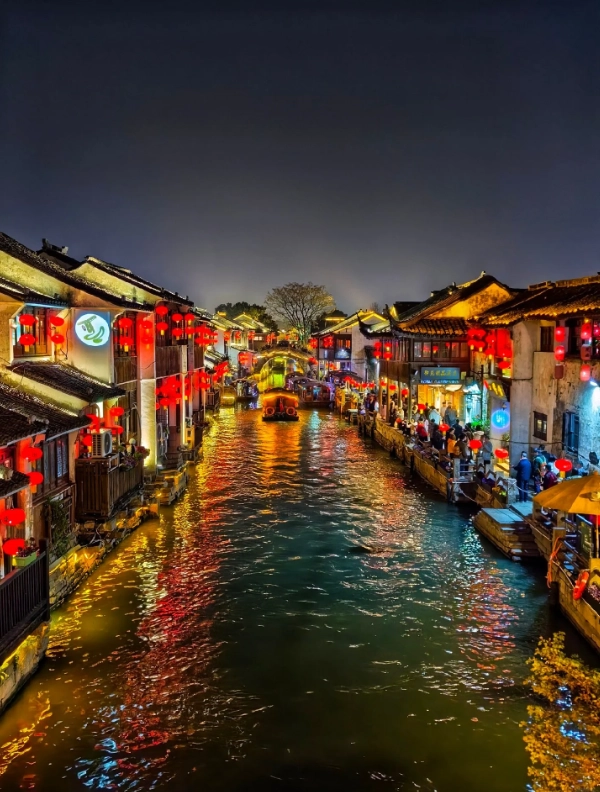
Afternoon: Master of the Nets Garden (3:00 PM – 5:00 PM)
After lunch, walk about 20 minutes (or take a 15-minute Didi ride) to Master of the Nets Garden, a much smaller and more intimate garden. Many travelers miss this gem because tourists flock to the bigger ones. Here's the advantage: it's less crowded in the late afternoon, and the sunlight filtering through the bamboo is unforgettable.
- Address: No. 11 Kuojia Touxian, Daichengqiao Road, Gusu District
- Tickets: around 40 RMB. Book in advance.
- Insider tip: This garden is famous for its 'night tours' in summer — check if the hotel can help you book.
Evening: Shantang Street (6:00 PM onward)
Finish day one at Shantang Street, a canal-side street that comes alive at sunset. It's about a 15-minute drive from the garden area. You'll find restaurants serving stinky tofu and grilled squid. Don't eat a big meal; save room for tomorrow's specialties.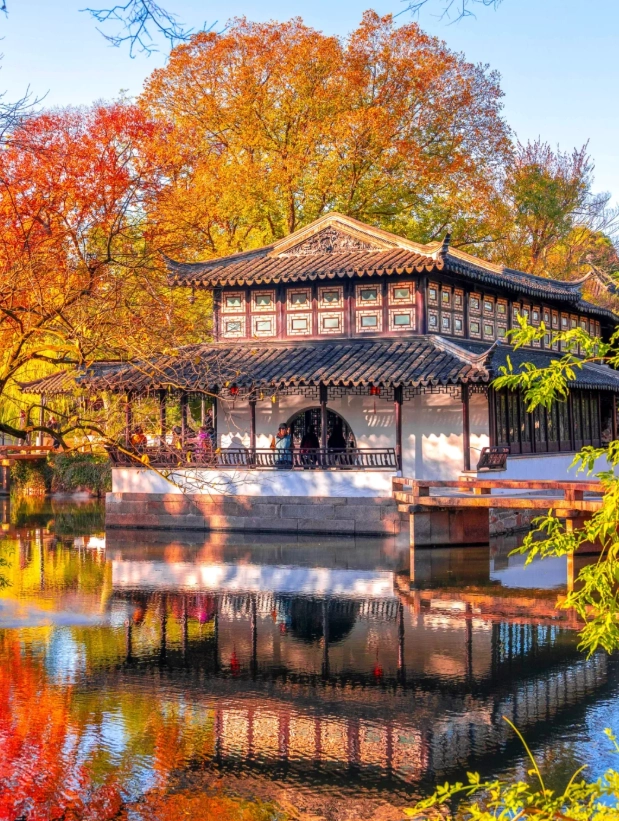
Day 2: Hidden Gems and Local Rhythm
Morning: Tiger Hill (8:00 AM – 11:30 AM)
Tiger Hill (Huqiu) is the 'Mountain of Suzhou' — it's actually just a small hill, but it houses the famous Leaning Pagoda. If you only do one 'non-garden' activity, make it this. The park is massive: plan for at least 2.5 hours. It's also a popular place for local couples taking wedding photos.
- Address: No. 8 Huqiu Gate, Gusu District
- Tickets: around 70 RMB
You'll have to climb about 300 steps to reach the pagoda. You can take a battery cart if your knees complain.
Late Morning/Noon: Suzhou Museum (Optional, 11:30 AM – 1:30 PM)
If you're into modern architecture, Suzhou Museum (designed by I.M. Pei) is next to the Humble Administrator's Garden. But — and here's my honest take — it often turns into a zoo on weekends. If you have even a passing interest, book a free ticket in advance. If not, skip it and spend extra time at the garden.
Afternoon: Wander the Hutong Lanes
For the truly local vibe, jump on a city bus or Didi to the 'Pingjiang District' just outside the main tourist loop, and explore the narrow lanes (hutongs) around the canal. You'll find old ladies washing vegetables in the water, cats sleeping on roofs, and graffiti that mixes old and new.
This is what I love about Suzhou — the real city is not in the official brochure. Just wander, get lost, and use your phone compass.
Evening: Craft Beer or Canal Night Walk
End your weekend not with a gimmicky dinner cruise but with a night walk along the canal or a visit to one of the city's laid-back craft beer bars. I always ask my hotel reception for the latest safe-but-cool spot.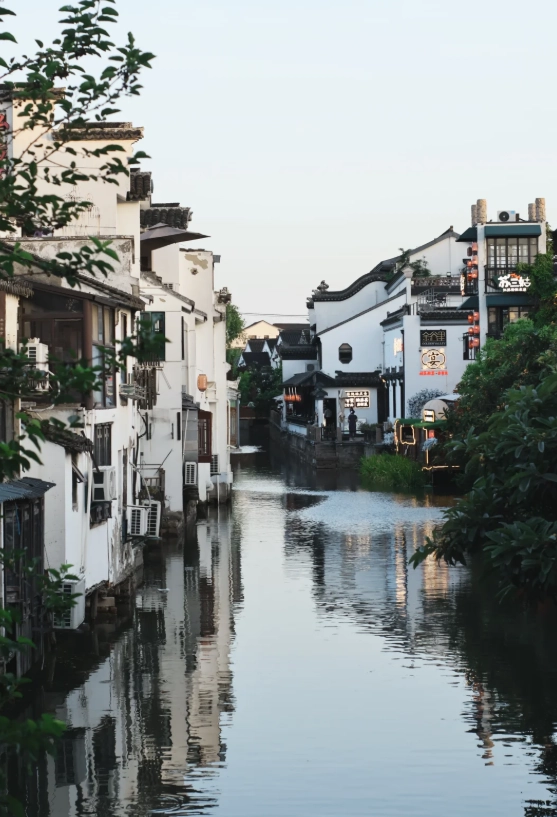
Where to Stay in Suzhou for a Weekend
Here's a quick comparison of hotels I recommend to clients. All have acceptable Wi-Fi and can handle basic English requests. Book early; weekends fill up fast.
| Hotel Name | Location | Est. Price/Night | Best For |
|---|---|---|---|
| Four Seasons Suzhou | Suzhou Industrial Park (Jinji Lake) | from $280 | Luxury couples, quiet lake views |
| Sofitel Suzhou | Downtown near Guanqian Street | from $120 | Sightseers, walking distance to gardens |
| Courtyard by Marriott Suzhou | Near Suzhou Railway Station | from $110 | Any traveler arriving by train |
If you're on a tighter budget, consider a local 'guesthouse' (binguan) in the Gusu District — just check that the elevator exists and the water pressure is decent. I once stayed in a charming courtyard hostel that had zero insulation; in winter it was brutal.
What to Eat During Your Suzhou Weekend
Suzhou food is sweet — not dessert sweet, but sugar-forward. The local style (Jiangsu cuisine) relies on soy sauce, sweet wine, and crabs. Here are my must-eats: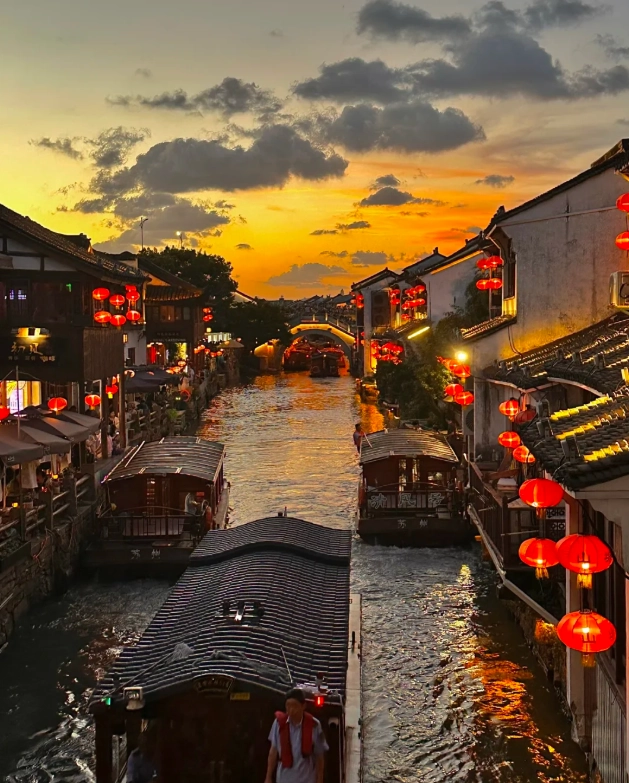
- Squirrel Mandarin Fish — a sweet-and-sour fish shaped like a squirrel. Overpriced at tourist restaurants, but a fun experience.
- Soup dumplings (xiaolongbao) — especially the 'white soup' version that regional fans rave about.
- Smoked fish (xunyu) — flakes, sweet, and perfect with rice. I always order this.
- Sugar porridge (tangzhou) from a street stand — tastes like a warm hug.
For a classic dinner, ask your hotel to book a table at Song He Lou (松鹤楼), one of the city's oldest restaurants. It's touristy but for good reason: the chefs know how to do a proper sweet-and-sour. For a more local experience, follow the steam from breakfast places near your hotel before 8am. Many don't have English menus, so I always save a picture of what I want to eat on my phone.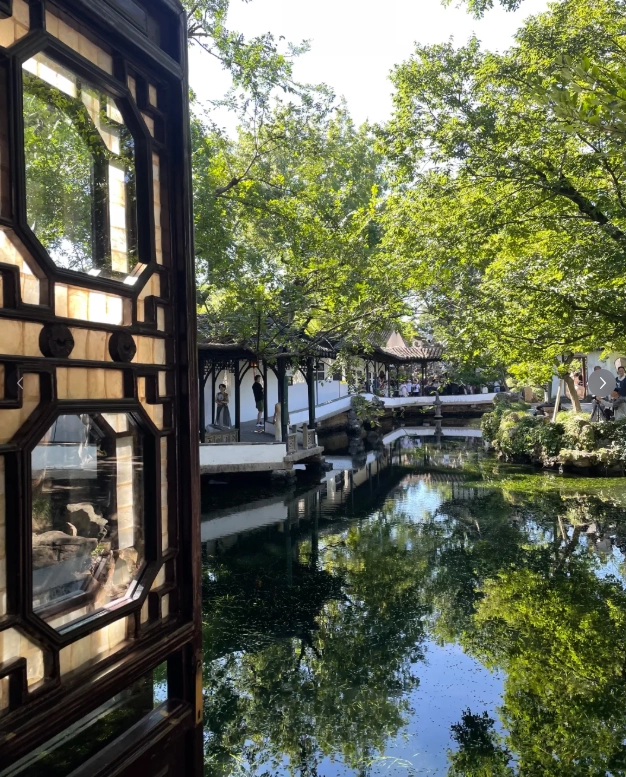
Insider Advice: Don't order 'spicy' in Suzhou. You'll get a very confused chef and a slightly sweet version of what you wanted. Embrace the sweetness — it's part of the charm.
Suzhou Weekend FAQ: Smart Answers for First-Timers
Verified and fact-checked by the editorial team.






No comments yet.