 Wei Zhang
Quick Guide: What You'll Learn
Let me be blunt: if you're still asking “is Chengdu worth visiting?”, the answer is a loud yes. But only because you're not thinking about it the right way. Most travelers picture pandas and spicy food, and they're not wrong — but they miss the city's slow soul. I've spent almost a decade guiding expats and tourists through Chengdu, and I'm going to give you the honest, inside-out view, including the stuff that's overrated. No fluff, just what you need to decide and plan.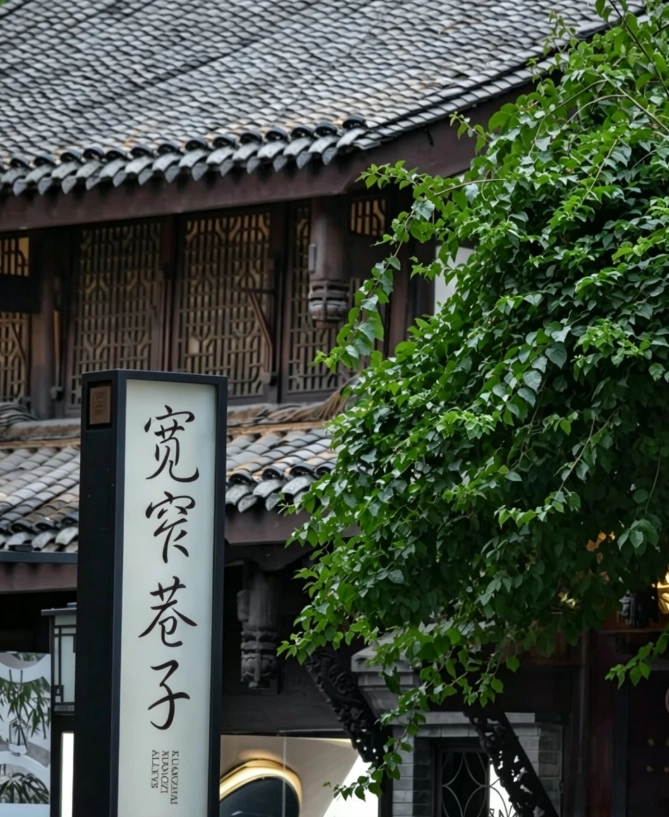
What Makes Chengdu Worth Visiting?
Here's the thing: Chengdu is the only major Chinese city where people sit around drinking tea in bamboo chairs and play mahjong in the middle of a weekday. The vibe is genuinely laid-back — a stark contrast to Shanghai or Beijing. You'll find sprawling parks, misty-sweet air (okay, it smoggy sometimes), and a food culture that's all about Sichuan peppercorns. But beyond the clichés, there's a deep historical layer, old neighborhoods, and a surprising design scene.
The charm of Chengdu lies in its unhurried rhythm and friendly locals. I watched a street vendor take ten minutes to prepare a single bowl of noodles — and nobody complained.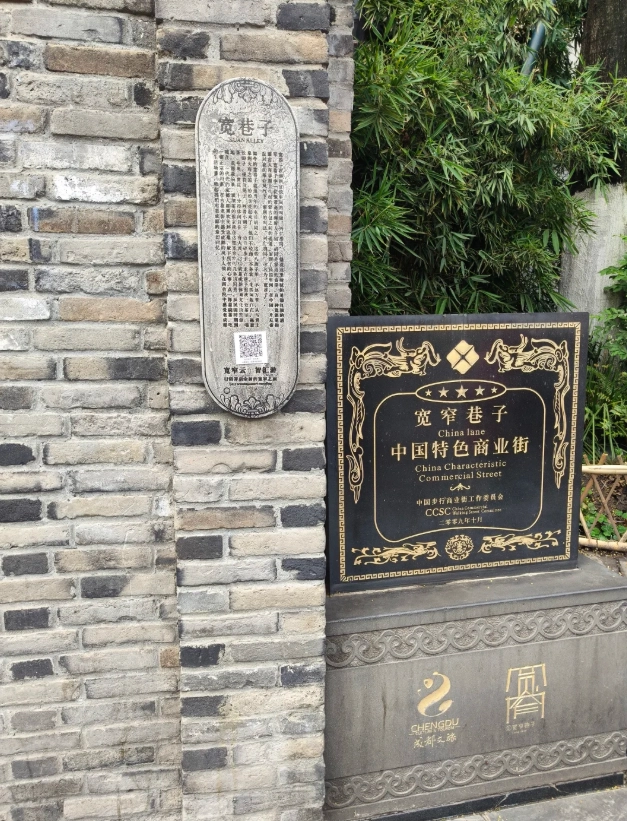
Top 7 Reasons Chengdu Is Worth Visiting
1. The Giant Panda Base
This is the main draw, and yes, it lives up to the hype. But there's a catch: you need to arrive before 8 a.m. to see active pandas. By 10, they're asleep. I always tell my clients to book a private car or grab the metro to Panda Avenue and then walk 10 minutes. The base is huge, so comfortable shoes are non-negotiable. Tickets are around RMB 55 (check official sites for updates), and you'll need your passport for entry. Pro tip: skip the shuttle inside — the walk is pleasant and lets you see more monkeys.
2. A Food Scene That Burns Your Tastebuds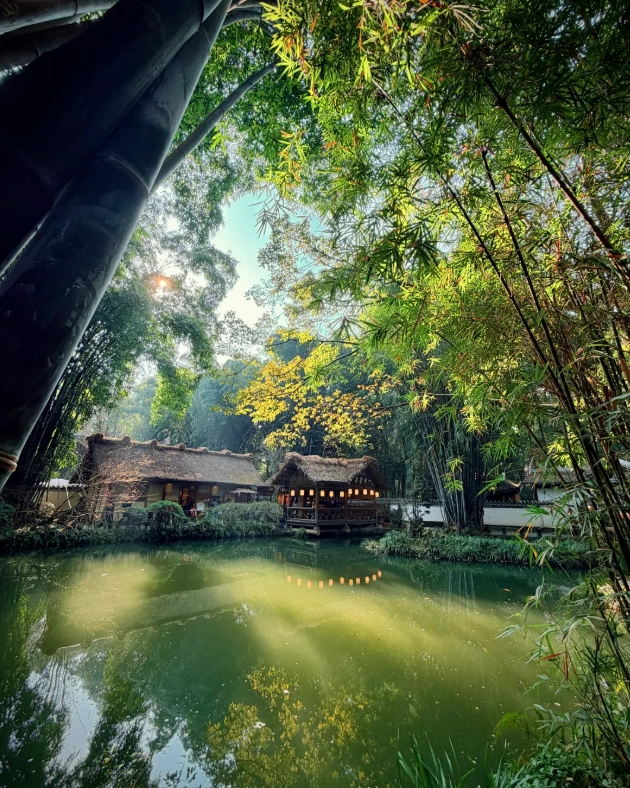
Chengdu is UNESCO-listed as a City of Gastronomy, and it's not just hype. Mapo tofu, dan dan noodles, hot pot, and the legendary “mala” numbing spice will ruin you for other cuisines. Go to a local spot like Chen Mapo Tofu (on Ciqikou Street) or off-the-beaten-path stalls in the old alleys. I once tried a 10-yuan peanut cake from a vendor that beat anything in a Michelin restaurant. But hold up: if you're not used to spice, start with mild and build up.
3. Teahouse Culture
You haven't experienced Chengdu until you've sat in a bamboo chair at a teahouse like Heming Teahouse in People's Park. A cup of jasmine tea costs around RMB 20, and you can stay for hours. Locals bring mahjong sets, play cards, and get ear cleanings (yes, ear cleaning is a thing). It's the best place to people-watch and decompress.
4. Ancient Temples Without the Tourist Crowds
Wenshu Monastery is a hidden gem in the city center. It's a working temple with serene courtyards, a vegetarian restaurant, and almost no international tourists. I often bring guests here after the Panda Base to shake off the noise. Admission is free, but please dress modestly.
5. Day Trips to Leshan and Qingcheng Mountain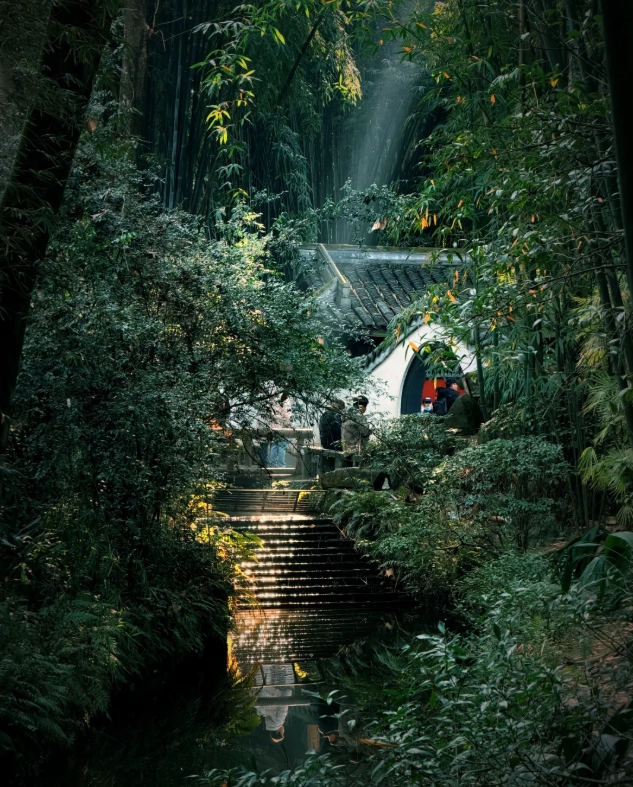
Chengdu is the perfect base for day trips. The Leshan Giant Buddha is a 90-minute bus ride away, and Qingcheng Mountain is the birthplace of Taoism — a 40-minute train ride. Both are doable in one day if you start early. But I'd recommend spending two days to do both without rushing.
6. People-Watching in Jinli and Kuanzhai Alley
Yes, these are touristy, but they're still fun. The key is to go after 6 p.m. when the lanterns are lit and the crowd thins out a bit. You'll find street performers, candy blowers, and more skewers than you can handle. Just don't expect authenticity — it's a curated version of old Sichuan.
7. It's Cheaper Than Shanghai or Beijing
Your money goes further here. A decent hotel room in a central area starts at around RMB 300 per night. A bowl of noodles sets you back RMB 10. Museums are often free. So if you're budget-conscious, Chengdu is a fantastic deal.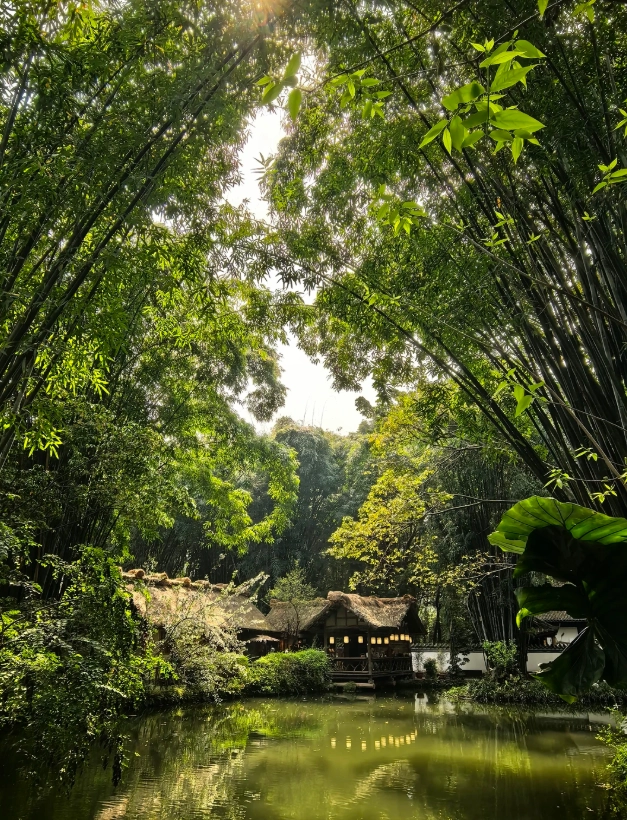
Drawbacks: When Chengdu Might Not Be Worth Visiting
Let's be real — the air quality can be poor in winter, and the city is sprawling, so you'll need to use the metro or taxis. Also, the food is heavily oily and spicy; if you have a sensitive stomach, bring digestive medicine. Some attractions close on Mondays (e.g., some museums), so plan around it. And the 20 million-strong population means rush hour is chaos. But these are minor compared to the city's charm.
How to Plan a Chengdu Itinerary in 3 Days
Here's my tried-and-tested itinerary that balances pands, culture, and food without killing your feet.
Day 1: Pandas and Temples
Start at 7 a.m. to hit the Panda Base. Spend 3 hours. Then head to Wenshu Monastery for a quiet lunch at its vegetarian restaurant. Afternoon: wander the Jinli Street for souvenirs and snacks. Night: try a hot pot at a local joint like Shunxing Laoma (but be prepared for a wait).
Day 2: Leshan Giant Buddha (Optional)
Take an early bus from Xinnanmen Station to Leshan. The bus takes 2 hours and costs about RMB 20. Walk around the Buddha and take a boat tour if time permits. Return to Chengdu in the evening and go to Kuanzhai Alley for dinner.
Day 3: People's Park and Local Life
Morning: linger over tea in People's Park. Then visit the Sichuan Science Museum (free) or the Museum of Natural History. Afternoon: explore the old streets around Wenshu. Evening: catch a Sichuan opera show at the Shufeng Yayun Teahouse.
For a visual overview, here's a quick comparison of your main transport options:
| Route | Best Mode | Time | Cost (RMB) | Notes |
|---|---|---|---|---|
| Downtown → Panda Base | Metro Line 3 + Shuttle | 1 hr | 4 + 2 | Shuttle leaves from Panda Avenue Station |
| Chengdu → Leshan | Bus from Xinnanmen | 2 hrs | 20 | Buses run every 30 mins |
| Chengdu → Qingchengshan | Train from Chengdu West | 40 mins | 10-15 | High-speed rail, best to book in advance |
Practical Tips for Smooth Travel in Chengdu
Transportation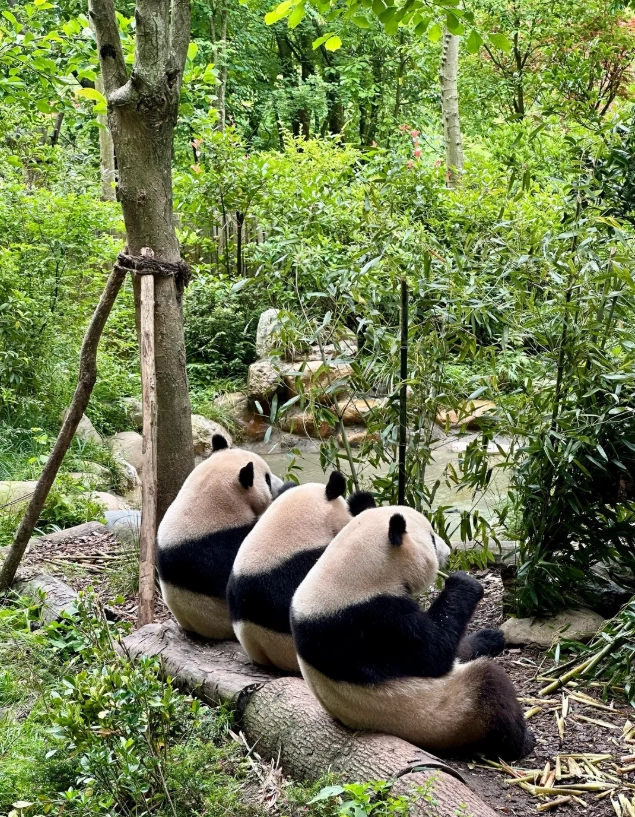
The metro is clean, cheap, and covers most attractions. Trains to Leshan and Qingcheng Mountain depart from Chengdu East or North stations. Always carry your passport in China — you'll need it for hotel check-ins, train tickets, and some attractions.
Payment
While WeChat Pay and Alipay are widely used, international credit cards are NOT accepted in most places. Set up Alipay with your foreign card before you arrive. Carry some cash (RMB) as a backup for street vendors and taxis.
Language
English is not widely spoken. Download a translation app like Baidu Translate or Apple Translate, and have hotel addresses written in Chinese to show taxi drivers.
VPN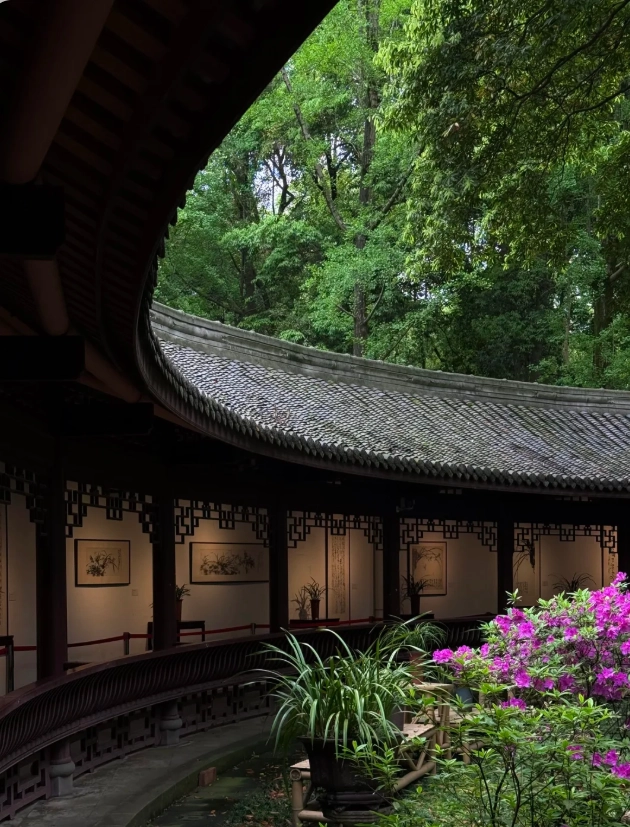
Most international websites (Google, WhatsApp) are blocked. Activate a VPN before you arrive to keep communication open.
Booking
To book train tickets, use the official 12306 app or Trip.com. For attractions like the Panda Base, use Trip.com or Klook — you can often skip the line with e-tickets.
FAQ: Your Chengdu Questions Answered
Final Verdict: Is Chengdu Worth Visiting?
Absolutely. It's a city that rewarded me personally with a slower pace, unforgettable flavors, and a glimpse into a side of China you don't get elsewhere. If you have the time, add Chengdu to your itinerary. If you're short on time, prioritize it over some Beijing crowds. Trust me — you'll leave wishing you had stayed longer.
Verified and fact-checked by the editorial team.






No comments yet.