 Qiang Huang
Quick Navigation
- Why Ningbo Deserves a Spot on Your China Itinerary
- Must See in Ningbo: The 10 Sights That Never Disappoint
- How to Plan a 24-Hour Ningbo Itinerary Without Losing Your Mind
- What Is the Best Way to Reach These Ningbo Sights?
- Ningbo Travel Tips: Payment, Navigation, and Language Hacks
- Where to Eat and Stay Near the Must-See Spots
- FAQs: Your Burning Questions About Visiting Ningbo
Let me be honest: I've taken hundreds of weary travelers to Ningbo, and almost all of them had zero expectations. Most had only heard of Shanghai, Hangzhou, or Suzhou. Then they step off the train at Ningbo Railway Station — and their itinerary falls apart within the first hour. Why? Because the city is quieter, cheaper, and far more walkable than any of its flashy neighbors. But without a local guide, you'll waste hours hunting for the wrong sights.
This guide covers the true must see in Ningbo — the sights I personally drag every friend to, the ones that still hold up on my 15th visit. I'll also show you exactly how to skip the queues, avoid the tourist-trap pricing, and survive the city's wild moped traffic. No fluff, just the routes I use when my own parents visit.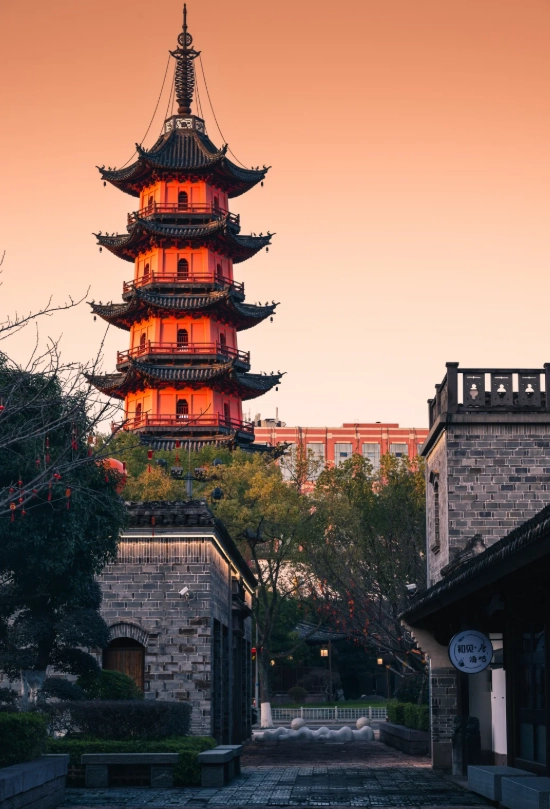
Why Ningbo Deserves a Spot on Your China Itinerary
Ningbo is a port city that has been trading with the world for over 1,000 years. It’s the birthplace of the Hemudu culture, the start of the Maritime Silk Road, and today it’s one of Zhejiang’s most underrated gems. Foreign tourists often skip it for Hangzhou or Suzhou, which is exactly why you shouldn’t.
Here’s the thing: Ningbo has the best of both worlds. You get ancient libraries, canals, temples, and a historic waterfront — but without the shoulder-to-shoulder crowds you’d find in nearby cities. Plus, the street food is phenomenal, and your money goes further. A bowl of famous noodle soup costs about 15 RMB here, versus 30+ in Hangzhou.
What really impressed me is how walkable the downtown core is. You can hit several sights in one day on foot, hopping on the metro or a shared bike when your legs get tired. And the locals? Genuinely warm. I’ve had countless people walk me across a street to make sure I got the right entrance — they’re not jaded by tourism yet. That’s a huge plus.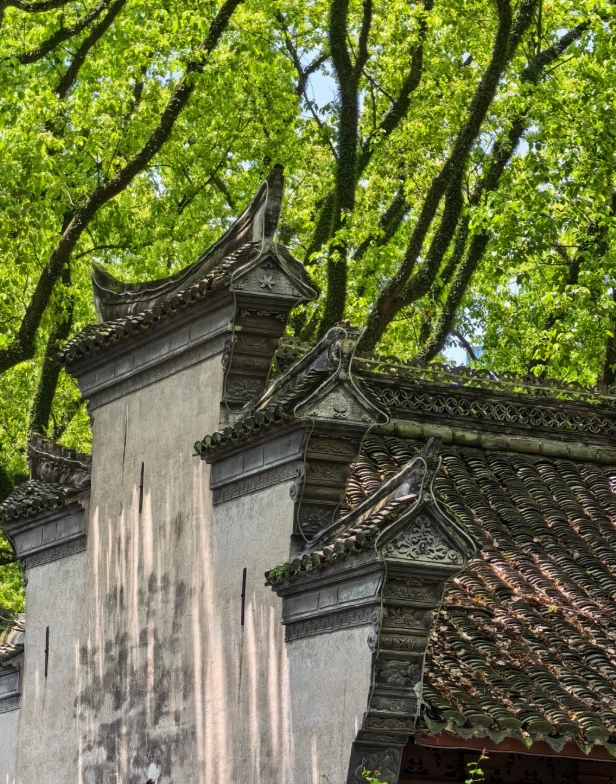
Must See in Ningbo: The 10 Sights That Never Disappoint
I’ve ranked these by “wow factor” and how easy they are to visit. You could spend a week here, but these are the ones I never skip.
1. Tianyi Pavilion (天一阁)
Tianyi Pavilion is the oldest private library in China — and just visiting the courtyard feels like a trip back to the Ming Dynasty. It was built in 1561 by a retired official who famously guarded his books with a strict no-female policy (the rule was finally broken in 1914 by a female thief, but that’s another story).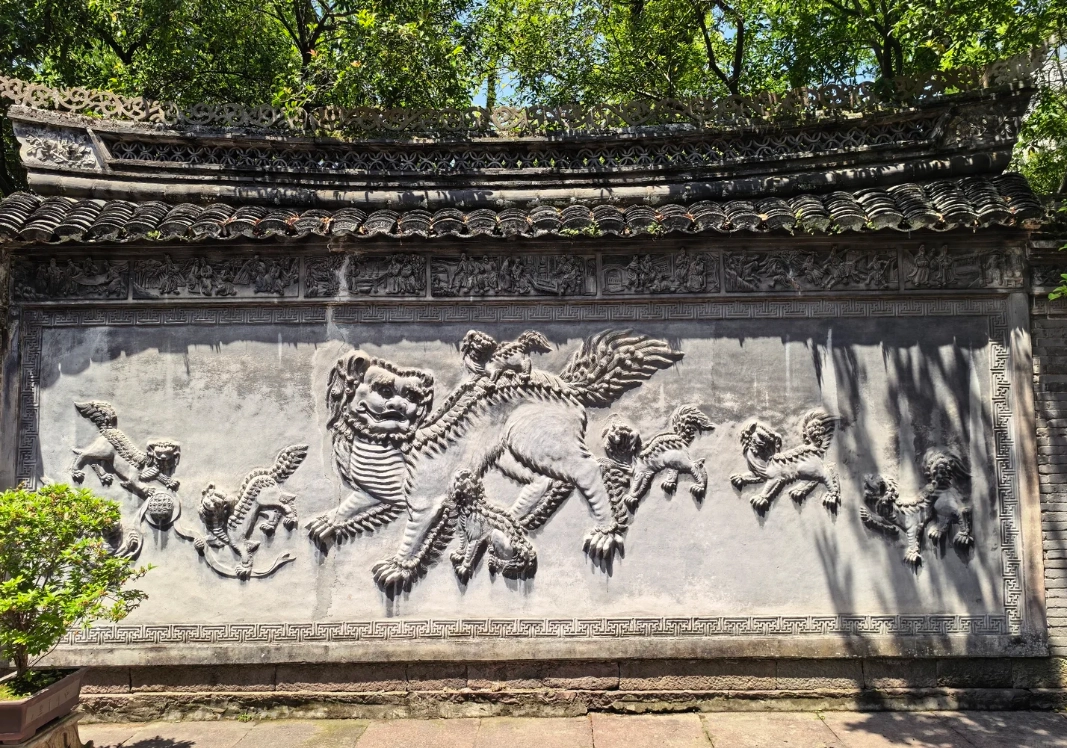
What to expect: you’ll wander through rock gardens, fish ponds, and wooden pavilions with ancient manuscripts behind glass. The complex is bigger than you think — give it at least 2 hours. I always suggest walking to the back section where the bonsai garden is; most tourists miss it.
Practical info:
- Address: No. 1, Tianyi Lane, Haishu District (海曙区天一街1号)
- Ticket: 30 RMB (prices can change, and you need to bring your passport to buy at the window)
- How to book: You can buy at the gate, but on weekends it gets busy. I recommend booking on Trip.com or Klook to skip the line — just show the QR code with your passport.
- Metro: Line 1 to Gulou Station, Exit B. From there, walk about 15 minutes — it’s a pleasant walk and you’ll pass the Drum Tower (also worth a quick look).
- Best time: Go right when it opens (usually 8:30 AM). By 10 AM, tour groups roll in and the famous “Fireplace” photo spot becomes a mosh pit.
- Watch out: The wooden floors are slippery after rain. And the second-floor manuscripts are off-limits — you’ll see ropes, not because they’re fragile, but because a tourist once tried to “borrow” an ancient book.
2. Old Bund (老外滩)
The Old Bund is Ningbo’s historic waterfront — think Shanghai’s Bund, but smaller, more laid-back, and with far better craft beer bars. It was China’s first commercial settlement (predating Shanghai’s Bund by 20 years), and the colonial-era buildings now house stylish café-bars, restaurants, and art galleries.
By day, it’s a quiet place to grab a coffee and watch the boats. By night, the neon lights reflect on the river and the area becomes a buzzing nightlife spot. I once sat on a rooftop bar here while a local band played jazz — that’s the vibe you’re signing up for.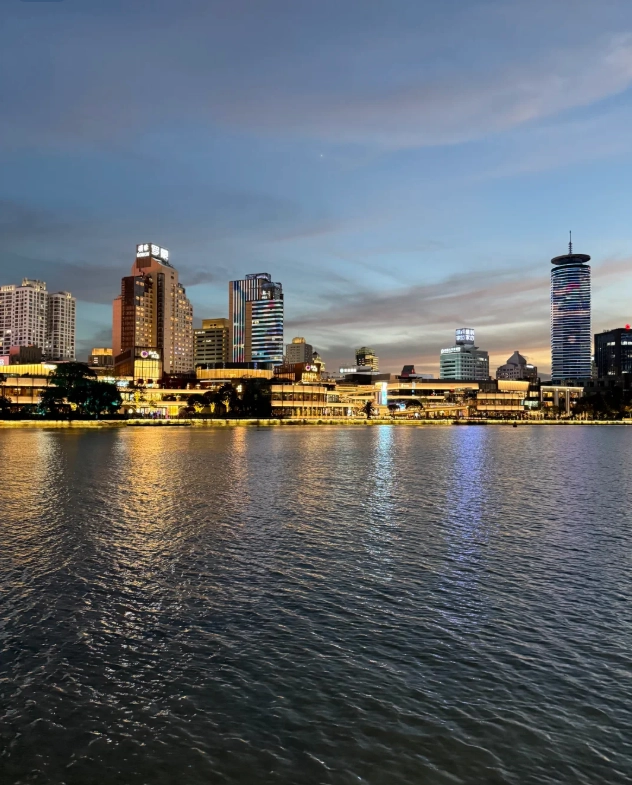
Practical info:
- Address: Renmin Road, Jiangbei District (江北区人民路)
- Ticket: Free
- Metro: Line 2 to Waitan Bridge Station, Exit A. Walk 2 minutes for the river view.
- Best time: Sunset. The golden hour hits the old customs house perfectly, and the bridges light up at about 7 PM.
- Food tip: Walk down the side alleys — there’s a tiny stall that sells “sugar-floss” pastries (糖糕) that I still dream about. If you see a line of locals, get in it.
3. Dongqian Lake (东钱湖)
Dongqian Lake is Hangzhou’s West Lake without the selfie sticks — a huge, serene lake surrounded by cycling paths, ancient villages, and tea plantations. It’s about 40 minutes from downtown by metro (Line 4 to Dongqian Lake Station), and it feels like a completely different world.
Rent a bicycle or e-bike near the water. The 20-km greenway is flat, mostly car-free, and dotted with points of interest like the “Stone Archway” and the “Water Conservancy Museum.” You can stop at a farmhouse restaurant for lunch; they serve lake fish and you’ll probably be the only foreigner. Trust me on this one.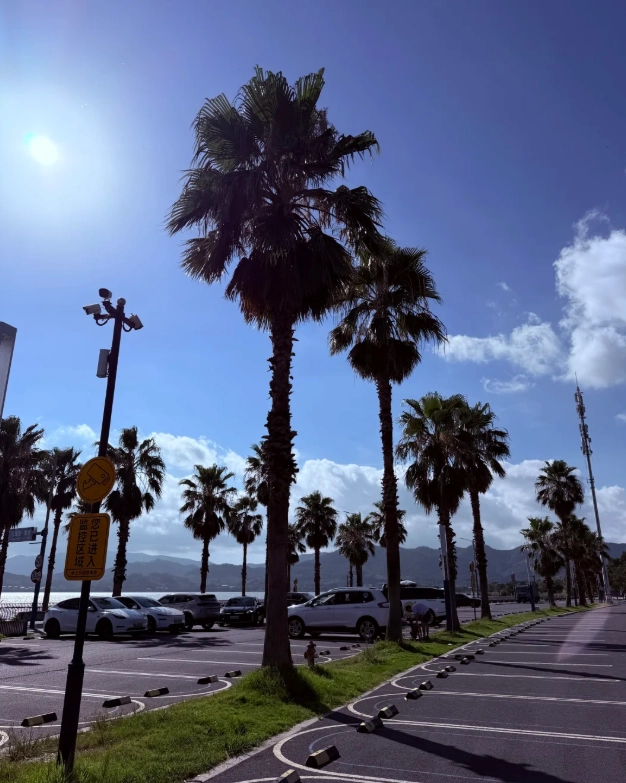
Practical info:
- Address: Dongqian Lake Scenic Area, Yinzhou District (鄞州区东钱湖)
- Ticket: The lake itself is free. Some sections like the “Xiapu” fishing village charge 30 RMB. Bike rental is usually 20-40 RMB per hour.
- Metro: Line 4, Dongqianhu Station, Exit C. From there, you’ll see the lake in 2 minutes.
- Best time: Go in the morning (8-11 AM). Afternoon sun directly reflects off the water and makes photos flat.
- Wait, there’s a catch: The lake is huge — don’t try to walk the whole thing. Unless you’re a marathon runner, pick a segment. The most scenic part is from Xiapu to Hanling.
4. Nantang Old Street (南塘老街)
Nantang Old Street is where Ningbo’s traditional food scene comes alive — a restored Qing-era street packed with snack stalls, row houses, and teahouses. It’s touristy, yes, but it’s also legitimately good. You’ll find local specialties like fermented tofu (臭豆腐), rice balls (汤圆), and the famous “Drum Tower” buns.
I usually tell visitors to go hungry and treat it like a walking food tour. The street gets crowded after 3 PM, so try to arrive early. My personal rule: if a stall has a queue, join it — the locals know what’s worth waiting for.
Practical info:
- Address: Nantang Street, Haishu District (海曙区南塘街)
- Ticket: Free
- Metro: Line 4 to Xingning Bridge West Station, Exit B, then walk 10 minutes. There’s also a direct bus from Tianyi Square (Bus 518).
- Best time: 10 AM-12 PM to beat the crowds, or 5 PM for the nighttime lanterns.
- Payment: Most stalls accept Alipay/WeChat, but some only accept cash or local QR codes. Bring a little cash just in case, because your international card won’t work at a snack cart.

5. Ningbo Museum (宁波博物馆)
The Ningbo Museum is a work of art itself — a brutalist structure made from recycled bricks and tiles, designed by iconic architect Wang Shu. He won the Pritzker Prize for this masterpiece, and stepping inside is like entering a modern temple. The exhibits tell the story of Ningbo from Hemudu culture to its port trading past.
Even if you’re not a museum person, go for the architecture. The sloped walls and crevices create perfect photo angles, especially in the late afternoon. Inside, the collection is genuinely impressive, with a focus on maritime Silk Road artifacts.
Practical info:
- Address: No. 1000, Shounan Middle Road, Yinzhou District (鄞州区首南中路1000号)
- Ticket: Free, but you must reserve a time slot in advance. The museum’s official WeChat account accepts passport numbers — you can also book on Trip.com by searching “Ningbo Museum.”
- Metro: Line 3 to Yinzhou Government Station, Exit F. Walk 15 minutes.
- Best time: 1-3 PM for the best lighting on the facade. Avoid Mondays — the museum is closed, like many Chinese museums.
- Watch out: The main entrance can be confusing. Use the south gate if you’re coming from the metro; it’s the one closest to the big red sculpture.
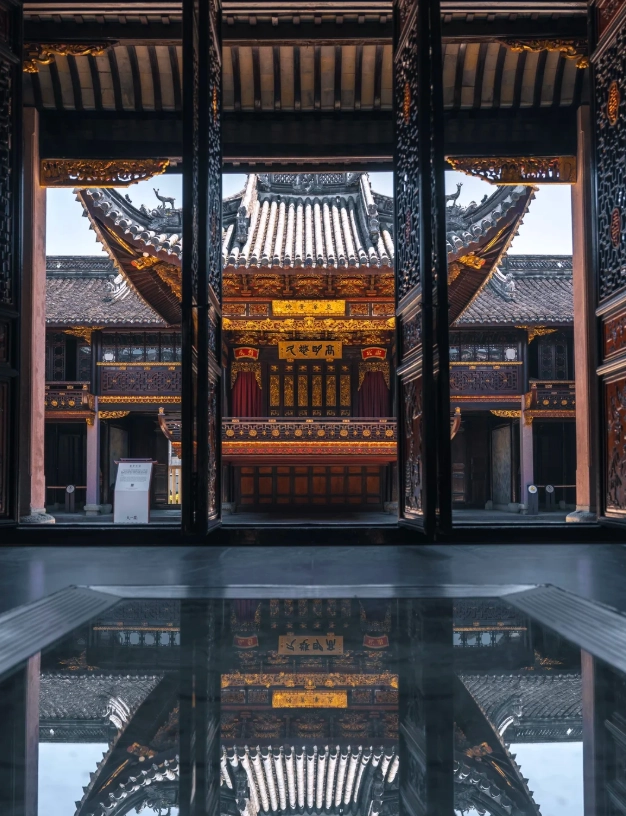
6. Drum Tower (鼓楼)
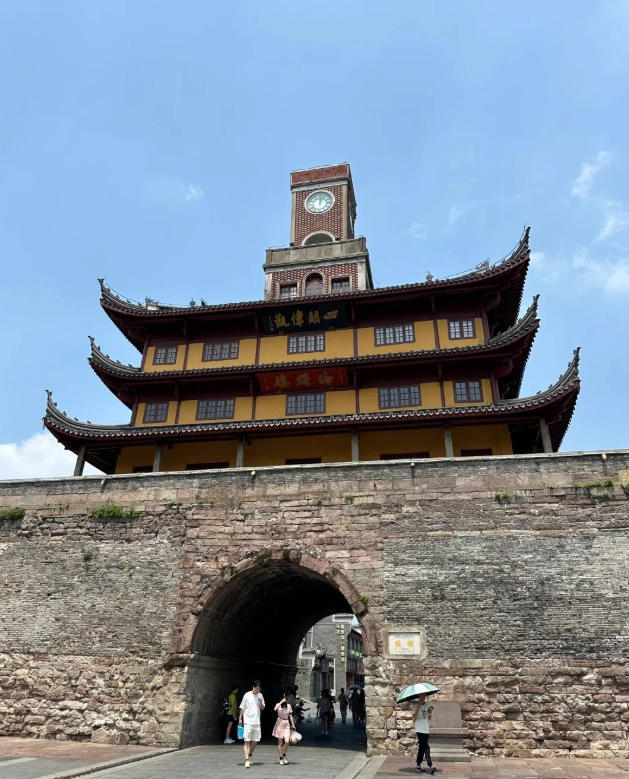
The Drum Tower is one of the few remaining watchtowers in Ningbo’s old city wall — and it’s the anchor of a lively shopping street. Climbing the tower gives you a panoramic view of the old town and the modern skyscrapers beyond. The gate itself dates back to the Tang Dynasty, though it’s been rebuilt several times.
Under the tower, there’s a pedestrian street with shops selling everything from bubble tea to local handicrafts. It’s a nice place to pick up souvenirs without the haggle-heavy vibe of other tourist streets.
Practical info:
- Address: No. 25, Haishu Street, Haishu District (海曙区海曙街25号)
- Ticket: Free (tower climbing is free too)
- Metro: Line 1 or 2 to Gulou Station, Exit D. You’ll see the tower immediately.
- Best time: Late afternoon, when the light hits the old stone and the street stalls start opening.
7. Baoguo Temple (保国寺)
Baoguo Temple is a hidden gem — a Song Dynasty temple complex that is actually the oldest wooden structure in southern China. It’s about 15 km north of downtown, so it takes a bit of effort to get there, but it’s absolutely worth it for the ancient architecture and peaceful forest setting.
The main hall is a marvel of engineering; its 16 columns are designed to survive earthquakes. The temple is often empty of foreign tourists, and you might even have the whole complex to yourself on a weekday.
Practical info:
- Address: Baoguosi Village, Jiangbei District (江北区保国寺村)
- Ticket: 30 RMB (cash preferred, but they accept mobile pay)
- How to get there: Take Metro Line 2 to Luzhou Station, then transfer to Bus 338 and get off at Baoguo Temple. The whole trip is about 50 minutes from downtown.
- Best time: Morning, right after opening (8:30 AM). The forest is quiet and birdsong is your soundtrack.
8. Tianyi Square (天一广场)
Tianyi Square is Ningbo’s modern shopping heart — a massive pedestrian plaza with fountains, music, and endless retail. It’s not a cultural sight, but it’s where locals gather, and it’s a good benchmark if you’re interested in contemporary Chinese urban life.
I include it because it’s a great place to people-watch and grab a quick meal. The surrounding malls have everything from KFC to hotpot restaurants. If you’re traveling with kids, the fountain show every evening is a hit.
Practical info:
- Address: Zhongshan East Road, Haishu District (海曙区中山东路)
- Ticket: Free
- Metro: Line 1 to Dongmenkou Station, Exit A. You’ll be right at the edge of the square.
- Best time: Evening, when the square is lit up and the fountains are dancing.
9. Qing'an Conference Hall (庆安会馆)
Qing'an Conference Hall is a stunning guildhall built for the silk and trade associations of the Qing Dynasty — a hidden masterpiece of brick carving and maritime culture. It’s a UNESCO-recognized site under the “Maritime Silk Road” proposal, and it’s far less crowded than the big attractions. The ornate stage inside and the intricate stone carvings will make you feel like you’ve found a secret palace.
It’s right next to the Old Bund, so you can combine the two quickly.
Practical info:
- Address: No. 156, Qing'an Street, Haishu District (海曙区庆安街156号)
- Ticket: 30 RMB
- Metro: Line 2 to Waitan Bridge Station, Exit A. Walk 5 minutes.
- Best time: 2-4 PM, when the sunlight streams through the skylights.
10. Ningbo Museum of Art (宁波美术馆)
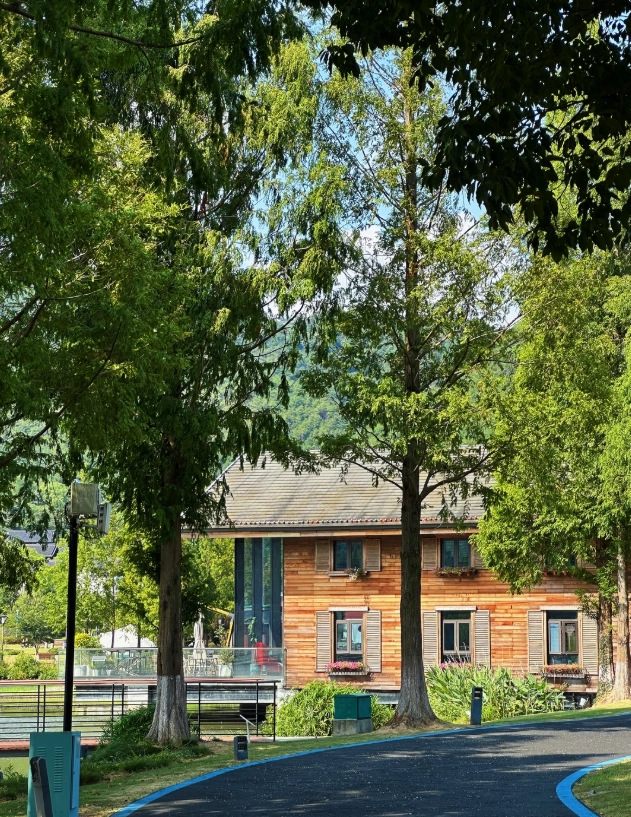
Located in a converted grain warehouse on the riverfront, the Ningbo Museum of Art is a great stop for creative souls. The building itself is a masterpiece of industrial redesign, and the rotating exhibitions feature both Chinese and international artists. It’s free, and you can spend 30-60 minutes here before heading to the Old Bund for dinner.
Practical info:
- Address: No. 122, Renmin Road, Jiangbei District (江北区人民路122号)
- Ticket: Free
- Metro: Line 2 to Waitan Bridge Station, Exit A. Walk 4 minutes.
- Best time: Weekdays to avoid the occasional school groups.
| Sight | Ticket (RMB) | Opening Hours (typical) | Metro Station | Time Needed |
|---|---|---|---|---|
| Tianyi Pavilion | 30 | 8:30-17:00 | Gulou (Line 1) | 2 hours |
| Old Bund | Free | Open all day | Waitan Bridge (Line 2) | 1-2 hours |
| Dongqian Lake | Free (some areas) | Open all day | Dongqianhu (Line 4) | Half day |
| Nantang Old Street | Free | Open all day | Xingning Bridge West (Line 4) | 1-2 hours |
| Ningbo Museum | Free (reserve) | 9:00-17:00 (closed Mon) | Yinzhou Government (Line 3) | 2 hours |
| Drum Tower | Free | 8:00-18:00 | Gulou (Lines 1,2) | 1 hour |
| Baoguo Temple | 30 | 8:30-16:30 | Luzhou (Line 2) + bus | 2 hours |
| Tianyi Square | Free | Open all day | Dongmenkou (Line 1) | 1 hour |
| Qing'an Conference Hall | 30 | 9:00-17:00 | Waitan Bridge (Line 2) | 1 hour |
| Ningbo Museum of Art | Free | 9:00-17:00 | Waitan Bridge (Line 2) | 1 hour |
How to Plan a 24-Hour Ningbo Itinerary Without Losing Your Mind
You have 24 hours in Ningbo and want to see the highlights without running around like a headless chicken. Here’s the exact route I take with friends who are visiting for the first time. It’s designed to be efficient, but also you can pick and choose what to drop.
Assumption: You arrive in Ningbo around 8 AM and leave the next day around 8 PM. That gives you one full day and an evening.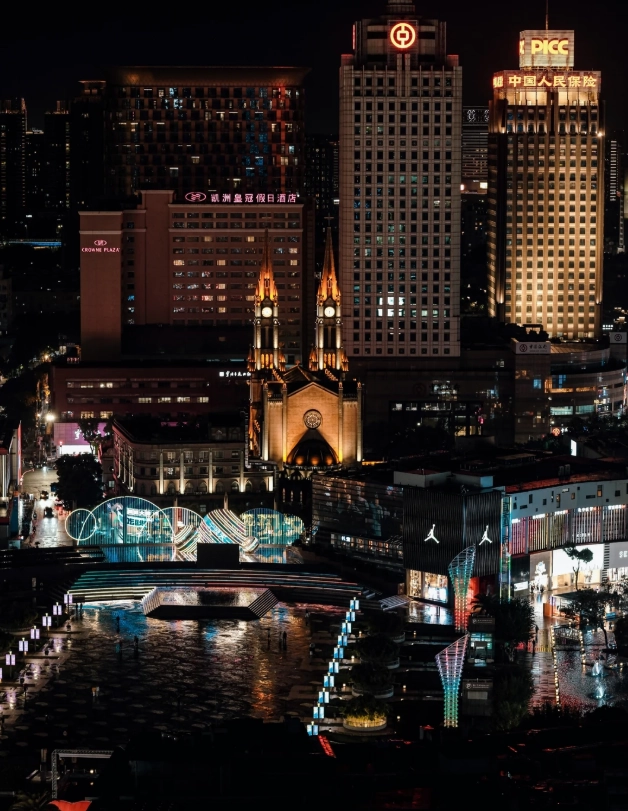
Morning (8:00 AM - 12:00 PM)
Start with breakfast at Nantang Old Street (8:00 AM). Grab a bowl of tangyuan (glutinous rice balls) and a fried dough stick. The street is quiet this early, so you’ll see the old town waking up.
Next, walk to Tianyi Pavilion (about 20 minutes). Arrive at 9:30 AM, right when the tour groups are rolling in. But if you follow my earlier advice, you’ll go at 8:30. Let’s adjust: if you can, start at 8:00 with Tianyi Pavilion, then go to Nantang for a late breakfast. But lines are bad at Tianyi after 10, so let’s prioritize.
Actually, let’s reorder: 8:00 AM Tianyi Pavilion (opens 8:30, but you can wait). Alternate: if you prefer food first, do Nantang at 8:00, then Tianyi at 8:30. But Nantang shops open around 9, so go at 8:00 for breakfast at a local spot, then walk to Tianyi.
Let’s simplify:
- 8:00 AM – Breakfast at Nantang Old Street (open early for breakfast).
- 9:30 AM – Walk to Tianyi Pavilion (20 min). Spend 2 hours inside.
- 11:30 AM – Walk to Drum Tower (15 min). Climb the tower, browse the street.
- 12:30 PM – Lunch near Drum Tower. Try the “Drum Tower” buns or a noodle place.
Afternoon (1:00 PM - 6:00 PM)
- 1:30 PM – Take Metro Line 2 to Waitan Bridge Station (15 min). Visit Qing’an Conference Hall (30 min) and the Ningbo Museum of Art (30 min).
- 3:00 PM – Stroll the Old Bund area. Take a coffee break at a riverside café.
- 4:30 PM – If you’re feeling energetic, take Metro Line 3 to Ningbo Museum (20 min). It’s open till 5, so you’ll have 30 min. Better to go in the morning, but if you can’t, skip it.
Actually, Ningbo Museum is far south, so it’s not ideal on a tight schedule. I’d save it for a second day. On a 24-hour trip, stick to the riverside cluster.
So after 3 PM, you can relax, maybe wander to Tianyi Square (20-min walk) and catch the fountain show at 7 PM.
Evening (6:00 PM - 10:00 PM)
- 6:00 PM – Dinner at one of the Old Bund restaurants. I love the one with the terrace overlooking the river.
- 8:00 PM – Light shows at the Old Bund, or walk to Tianyi Square for the fountain show.
- 10:00 PM – Head back to your hotel. You’ll be pleasantly tired.
If you have another day, take a morning trip to Dongqian Lake or Baoguo Temple. But for 24 hours, this central route gives you a solid taste.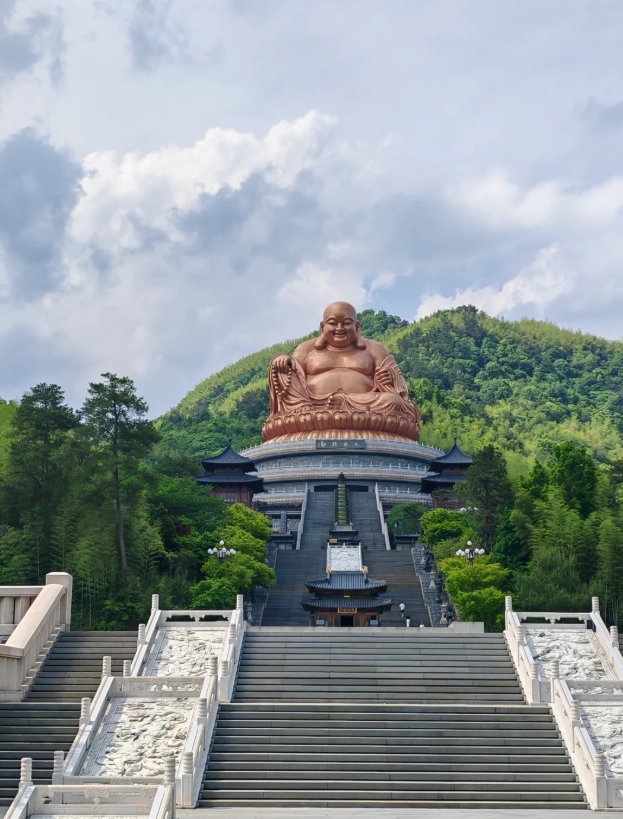
Bad Weather Plan
If it’s pouring rain, skip the outdoor sights like Dongqian Lake and Baoguo Temple. Instead, spend time at Ningbo Museum (open 9-5) and the Ningbo Museum of Art. Both have stunning indoor spaces. For lunch, head to a big mall like Tianyi Square where you won’t get wet.
Transportation Between Sights: A Quick Reference
| Route | Best Mode | Time | Cost |
|---|---|---|---|
| Nantang Old Street → Tianyi Pavilion | Walk | 20 min | Free |
| Tianyi Pavilion → Drum Tower | Walk | 15 min | Free |
| Drum Tower → Old Bund | Metro Line 2 | 15 min | 2 RMB |
| Old Bund → Tianyi Square | Walk or taxi | 20-25 min | Taxi ~15 RMB |
| Downtown → Dongqian Lake | Metro Line 4 | 40 min | 5 RMB |
What Is the Best Way to Reach These Ningbo Sights?
Ningbo has a modern metro system that connects most tourist spots. It’s clean, cheap, and signposted in English. You can buy a single-journey ticket from the machine using coins or your Alipay QR code. But if you’re making multiple trips, get a transit card or just use Alipay’s “Transport” function — it’s super easy.
For places like Baoguo Temple or Dongqian Lake, the metro gets you close, but you might need a short bus ride or a taxi from the station. Taxis are metered and start at 11 RMB. Ride-hailing apps like Didi (with an English interface) work well, but you’ll need a local phone number or a VPN to use them.
My advice: use the metro for long distances, and walk for anything under 30 minutes. You’ll see more of the city that way.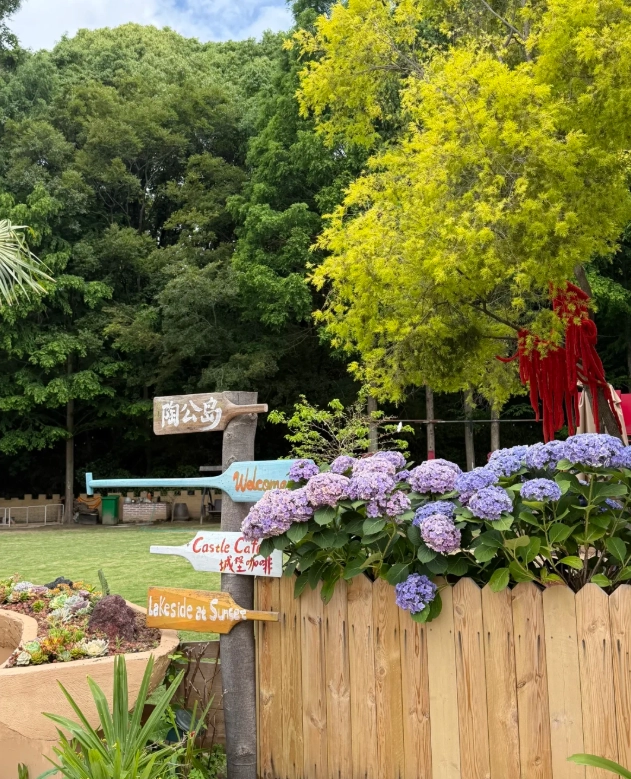
Ningbo Travel Tips: Payment, Navigation, and Language Hacks
Here are the three things that trip up first-time visitors to China. Master these and you’ll be ahead of 90% of tourists.
Payment: Alipay and WeChat Pay Make Life Easy
Cash and foreign credit cards are rarely accepted outside hotels and large shops. You’ll need Alipay or WeChat Pay. The good news: both allow you to link an international Visa or Mastercard. Set up Alipay before you arrive, and add your card in the app. Many local vendors only display a QR code, so you’ll need scanning capability.
If you run into trouble, carry 200-300 RMB in cash as a backup. Some old-school snack stalls and public restroom attendants only accept coins.
Navigation: Forget Google Maps, Use These Instead
Google Maps is blocked in China and its data is unreliable here. For seamless navigation, I recommend Apple Maps (which works with local Chinese map data) or download the “AMap Global” (高德地图) app, which has an English version. Both are accurate for walking, metro, and driving routes.
Always save a screenshot of your destination written in Chinese characters. It will help you show taxi drivers or ask for directions.
Language: English Is Scarce, but Translation Apps Help
You won’t find many English speakers outside major hotel lobbies. Download offline translation on Apple Translate or Baidu Translate before you arrive. I also suggest learning a few phrases: “Nǐ hǎo” (hello), “Xièxiè” (thank you), and “Zhège duōshǎo qián?” (how much is this?). Locals appreciate any attempt.
For deep conversations, the voice translation in Baidu Translate is surprisingly good and supports Chinese-English.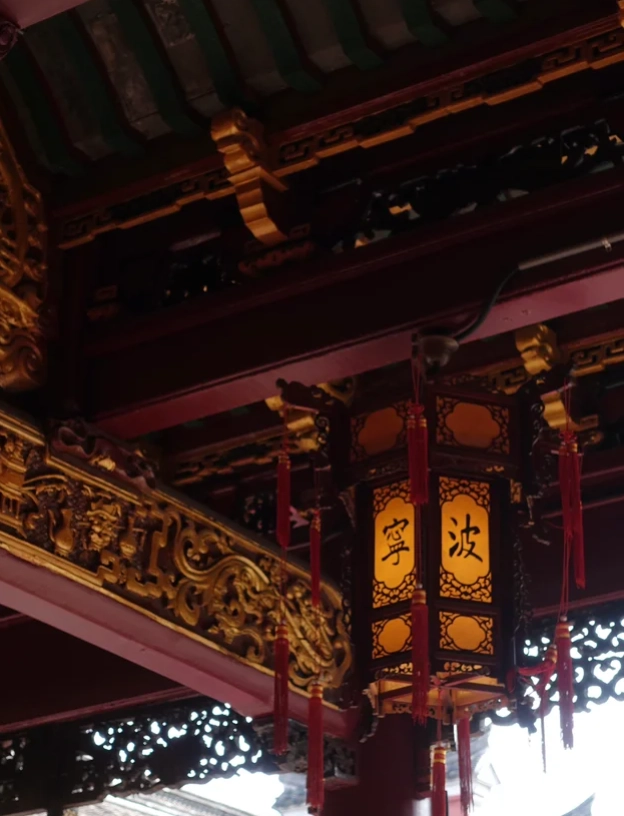
VPN and Internet
To access Google, Facebook, Instagram, and WhatsApp, you’ll need a reliable VPN installed before you land. China’s Great Firewall blocks many foreign sites. Buy a premium VPN that works on mobile data and hotel Wi-Fi. Set it up on your phone and laptop before you leave home.
Also, don’t rely on free hotel Wi-Fi — it’s often slow and may require Chinese phone verification. Portable Wi-Fi egg devices and eSIMs (like from Nomad or Airalo) are popular options.
Booking Tickets and Reservations
Major attractions require pre-booking, especially during holidays. For foreigners, I recommend using Trip.com or Klook, which allow passport-based bookings and show English instructions. For free museums like Ningbo Museum, you still need to reserve a time slot — again, Trip.com or the official WeChat account (with Chinese interface) will work. If you have trouble, ask your hotel concierge to help — it’s their job.
Where to Eat and Stay Near the Must-See Spots
Food: My Go-To Restaurants in Ningbo
You can’t leave Ningbo without trying these local dishes: tangyuan (glutinous rice balls), red braised pork, and stinky tofu. Here are places I personally take guests:
- Meiyuan Noodle Shop (梅园面馆) – Address: 12 Baoguo Lane, Haishu District. Their spicy beef noodles (牛肉面) are legendary. A bowl costs about 25 RMB. Open 6 AM - 2 PM only, so go for breakfast.
- Drum Tower Tangyuan (鼓楼汤圆) – They make the best sesame rice balls in the city. Address: 25 Drum Tower Street. 20 RMB for a bowl of 8.
- Old Bund Seafood Restaurant (老外滩海鲜) – Great for river views and fresh fish. Family-style dining; expect 80-120 RMB per person. Try the steamed eel with sour plum.
I always tell visitors to avoid restaurants with touts outside — they’re overpriced and mediocre. Look for places packed with locals; that’s where the real deal is.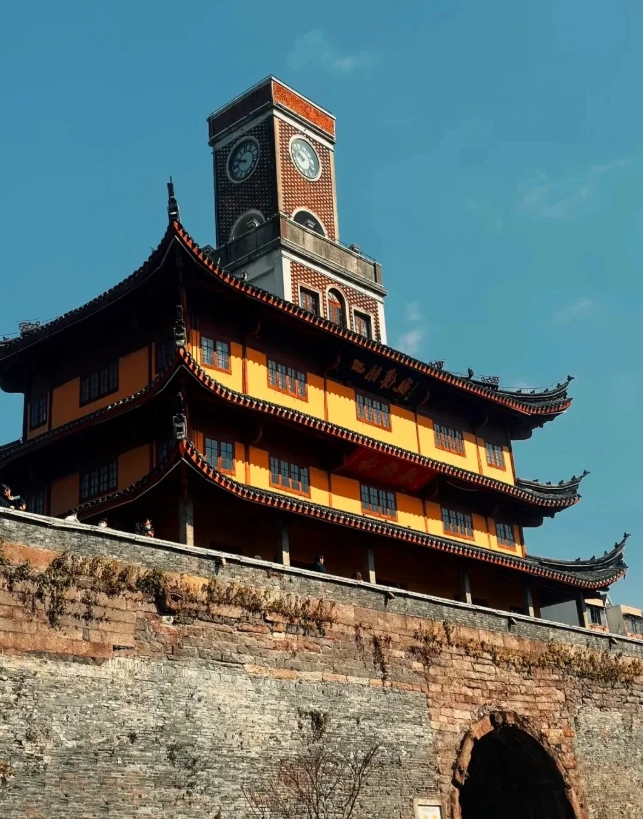
Where to Stay: A Quick Comparison
| Hotel | Price (RMB/night) | Distance to Must-Sees | Best For |
|---|---|---|---|
| Hyatt Regency Ningbo | 800-1200 | Near Old Bund, walk 5 min | Luxury travelers, river views |
| Intercontinental Ningbo | 900-1500 | Near Tianyi Square, metro access | Business travelers, rooftop bar |
| OYO Hostel (downtown) | 120-200 | Near Drum Tower | Backpackers, budget travelers |
| Ningbo Hotel (Ningbo Fandian) | 400-600 | Central, 20 min walk to most | First-timers, classic Chinese deco |
When choosing a hotel, make sure it has stable Wi-Fi (check reviews), an elevator, and English-speaking front desk staff. For solo travelers, hostels are a great way to meet other adventurers, but be aware that shared dormitories may have limited space for luggage.
FAQs: Your Burning Questions About Visiting Ningbo
Verified and fact-checked by the editorial team.





No comments yet.