 Yan Zhou
Quick Look at What's Inside
Top Things to Do in Hangzhou: West Lake EssentialsTop Things to Do in Hangzhou: Temples, Tea, and Old Streets
How Can You Get Around Hangzhou to See These Top Things to Do?
What Should You Eat While Enjoying Hangzhou's Top Things to Do?
Hangzhou Travel Tips: Booking, Paying, and Avoiding Crowds at Top Attractions
Quick FAQ: Top Things to Do in Hangzhou
Morning mist on West Lake. The soft creak of a wooden oar. A sip of hot Longjing tea. That's Hangzhou for you — a place that feels like a living painting. I've been guiding travelers around this city for years, and honestly, no two days are the same. But one thing remains: most visitors miss the real magic because they come with the wrong map, the wrong timing, or the wrong prep. Here is the catch: Google Maps is unreliable here, your credit card won't work at most stalls, and the hottest spots sell out days ahead. But don't panic. In this guide, I'll show you exactly how to navigate these hurdles, plus the top things to do in Hangzhou that actually work on the ground. If you only read one part, remember this: skip the morning rush at Su Causeway and head straight to Guo's Villa before 9 AM — you'll thank me later.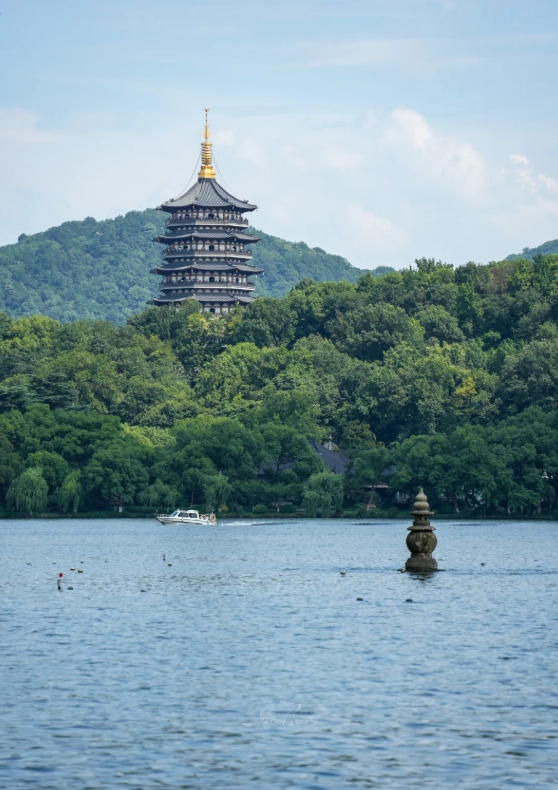
Top Things to Do in Hangzhou: West Lake Essentials
West Lake is the soul of Hangzhou — but it's also the biggest tourist magnet. To enjoy it without feeling like a sardine, you need a game plan. Here are the three experiences I always prescribe.
Take a Classic Boat Ride to Three Pools Mirroring the Moon
You can't leave Hangzhou without seeing this trio of stone pagodas rising from the water. The boat ride from Lakeside Pier takes about an hour, with a stop on the island. Ticket costs about 55–70 RMB depending on the boat type, and you must show your passport to buy tickets. I always tell my clients to go at 8 AM or after 4 PM — the light is soft for photos and the tour groups have left. Bring cash or Alipay; credit cards are not accepted at the pier.
Cycle the Su Causeway Before 9 AM
Su Causeway is a 2.8-kilometer tree-lined path that's gorgeous but notoriously packed. Rent a shared bike using Alipay (you'll need to scan the QR code and verify your passport), and start before 9 AM. By 10, the pedestrian traffic becomes a shuffle, and you'll waste time dodging selfie sticks. The ride takes about 20 minutes at a leisurely pace. Avoid noon if the sun's out — there's barely any shade. Pro Tip: bring your own earbuds and play some guzheng music; the vibe is unbeatable.
Discover Hidden Gem: Guo's Villa (郭庄) for Peaceful Views
Most tourists ignore this Qing-dynasty garden, but it's my personal favorite escape. Tucked along Yanggong Causeway, it's small, elegant, and nearly empty. Entry is about 10 RMB, and you can wander through courtyards that frame West Lake perfectly. Go in the late afternoon and you'll catch the reflection of Leifeng Pagoda on the water. It's also a great spot for a quiet cup of tea. Don't expect English signage — download a translation app or just enjoy the silence.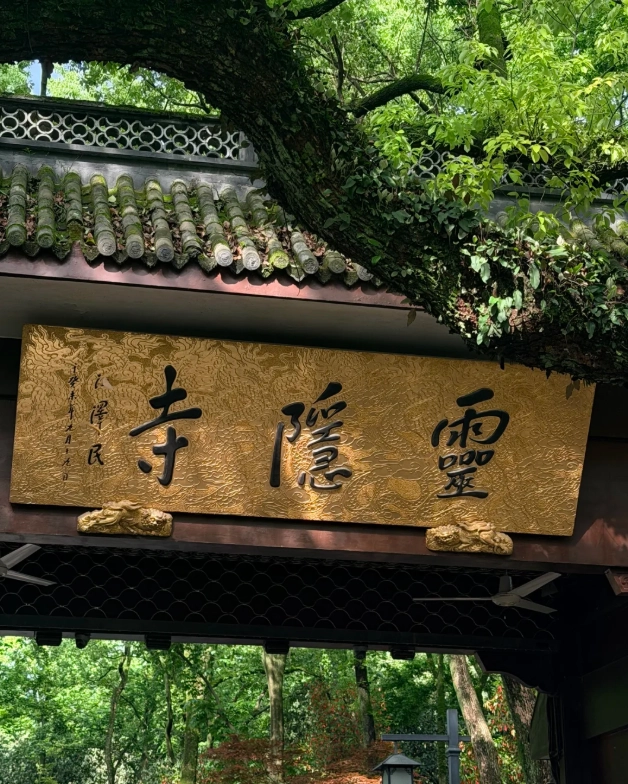
Top Things to Do in Hangzhou: Temples, Tea, and Old Streets
Once you've done West Lake, head inland. The city's real character hides in its temples, tea fields, and bustling streets. Here's how to hit them without wasting time.
Lingyin Temple and Feilai Feng: How to Book Your Ticket Right
Lingyin Temple is one of China's most famous Buddhist monasteries, and Feilai Feng is the limestone hill covered in ancient carvings. The combined ticket costs around 75 RMB (45 for Feilai Feng, 30 for Lingyin Temple), but you absolutely need to book ahead. The official WeChat mini-program is in Chinese and a headache even for me — use Trip.com or Klook instead, and pick the earliest time slot. Arrive by 7 AM to beat the crowd and see the incense smoke at its most atmospheric. Wear comfortable shoes; there are lots of stairs.
Longjing Tea Village: How to Taste Authentic Dragon Well Tea
Hangzhou is the home of Longjing tea, and the village of Longjing sits right among the terraced hills. The tea itself is free to taste at most small houses, but expect a sales pitch. To avoid overpaying, ask to see the tea leaves before they brew, and respect the harvest seasons (spring is golden). My trick: buy from the official tea market at the entrance, not from the first farm you see. The price should be around 100–200 RMB per 50 grams for decent quality. Most farms accept cash and Alipay, but not credit cards.
Hefang Street: Bustling but Worth a Walk
This restored ancient street is a sensory overload — think vendors shouting, fried snacks sizzling, and queues for sticky rice cakes. It's free to enter, and the real fun starts after sunset when the lanterns glow. For a taste of local snack, try the stinky tofu — it's better than those touristy restaurants. Payment is almost exclusively via Alipay or WeChat; cash can be tough unless it's a formal shop. Keep an eye on your belongings, though — pickpockets love crowded areas.
How Can You Get Around Hangzhou to See These Top Things to Do?
Hangzhou's public transport covers most attractions, but you'll need to plan around it. Here's my honest take on navigating the city.
Use the Metro: Line 1 and Line 3 Cover Most Sights
Line 1 hits West Lake (Lakeside), Hefang Street, and the train station; Line 3 gets you close to Lingyin Temple (Wushan Square to Huanglong Sports Center station). A single ride costs 2–6 RMB, and you can tap with Alipay's transport pass. Avoid taxis during rush hour (5–7 PM) — the traffic around West Lake is a parking lot. Metro is faster and cooler in summer.
Taxi Tips: Show the Address in Chinese
Most taxi drivers speak zero English. Always have your destination written in Chinese — either on your phone or a printed card. Uber doesn't work here; use the local app Didi (you can switch to English in settings). Didi is safe and cheap, but you need a Chinese number to register. If you don't have one, ask your hotel to call a taxi for you. And beware of black cabs outside train stations — they quote triple the price. Stick to the official queue.
Avoid Google Maps: Use Apple Maps or AMap
Google Maps is blocked and often sends you on wild goose chases. Apple Maps actually works offline, and AMap (AutoNavi) has an English interface called "AMap Global" — download it before you arrive. A quick tip: when searching for attractions, use the Chinese name or the English name exactly as listed on Trip.com. And for walking, I find Apple Maps more reliable for last-meter navigation.
What Should You Eat While Enjoying Hangzhou's Top Things to Do?
Hangzhou cuisine is refined but can be sweet and vinegary. You won't find Sichuan heat, but you'll fall in love with the fresh flavors. Here's where to go for the real deal without breaking the bank.
Hangzhou's Signature Dishes You Must Try
Savor West Lake Vinegar Fish (西湖醋鱼) — the fish is coated in a subtle sweet-sour sauce. Dongpo Pork (东坡肉) is melt-in-your-mouth braised belly, served in small clay pots. And don't miss Longjing Shrimp (龙井虾仁) — freshwater shrimp stir-fried with tea leaves. For a classic experience, book a table at Louwailou (楼外楼) right on West Lake; it's touristy but the view is unbeatable. Expect to pay around 150–200 RMB per person. For a cheaper option, try Grandma's House (外婆家) — several locations citywide, good for tasting multiple dishes. Always check if the restaurant has a bilingual menu; if not, order by photos. Most formal restaurants accept Alipay and sometimes credit cards at the counter.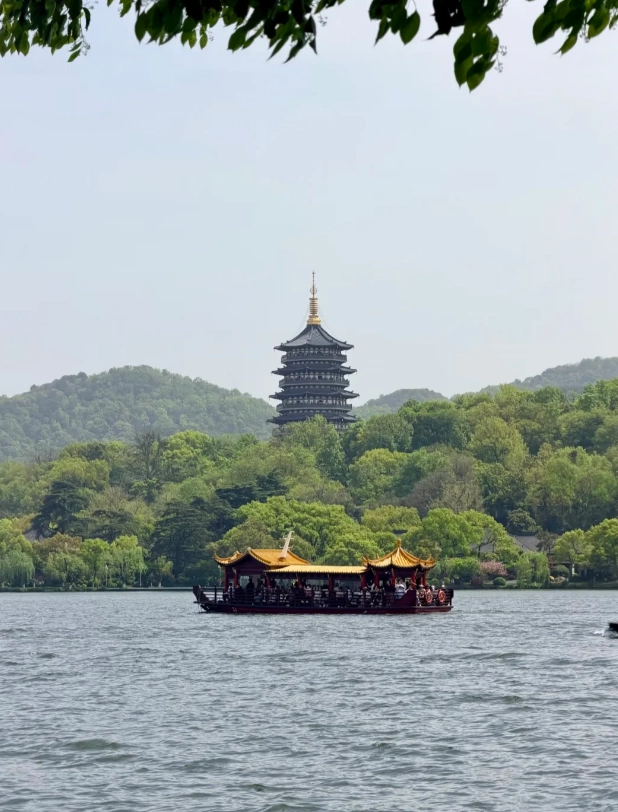
Where to Find Cheap and Authentic Local Food
Head to Hefang Street's side alleys for street snacks, or the food court at Wushan Square. Zhi Wei Guan (知味观) is a local institution for snacks like xiaolongbao and glutinous rice rolls — located at 83 Yan'an Road. It's cheap, about 20–40 RMB for a filling meal, and has picture menus. Bring cash or Alipay; no credit cards. My personal pick is the beef noodles from a hole-in-the-wall joint on Nanshan Road — just ask any local for "niurou mian." It's chaotic but delicious.
Hangzhou Travel Tips: Booking, Paying, and Avoiding Crowds at Top Attractions
You'll enjoy Hangzhou much more if you sort out these practicalities in advance. Let's get you prepped.
Payment: Set Up Alipay Before You Arrive
Cash is used at some tourist spots, but most shops, metro gates, and beyond only take mobile payments. Set up Alipay with your international credit card before you land; it's simple and works at most places. WeChat Pay also works, but Alipay is friendlier for foreigners. Carry a little cash as backup — about 200 RMB in small notes for tiny stalls or bathrooms. Don't rely on credit cards except at big hotels and some restaurants.
Booking: Use Trip.com or Klook Instead of Chinese Mini-Programs
Many attractions require advance booking and your passport number. Chinese platforms like WeChat mini-programs are often Chinese-only and glitchy with foreign passports. Trip.com and Klook have English interfaces and accept foreign cards. They'll send you a QR code or confirmation number — show it at the gate. If you have trouble, your hotel concierge can book for you, but ask for help a day ahead for day trips.
Beat the Crowds: Time Your Visits Wisely
Most Chinese tourists travel in groups and follow the same itinerary: boat at 9, Lingyin at 11, Hefang at 3. Flip that schedule — do Lingyin at 7:30 AM, boat at 3 PM, and Hefang after dinner. Also, avoid Chinese public holidays (National Day, Spring Festival) entirely — expect triple the crowds and double the prices. If you're flexible, come in April or October for pleasant weather but thinner crowds.
Quick FAQ: Top Things to Do in Hangzhou
Verified and fact-checked by the editorial team.





No comments yet.