 Qiang Huang
Quick Guide to What’s Ahead
- Why Ningbo Historical Sites Deserve a Spot on Your Itinerary
- The Top Ningbo Historical Sites You Can’t Miss
- How to Plan a Half-Day Ningbo Historical Sites Tour
- Practical Transport and Navigation Tips
- What You Need to Know Before Visiting
- Are Ningbo Historical Sites Worth It? My Honest Take
- FAQ: Your Biggest Questions About Ningbo Historical Sites Answered
Alright, let’s skip the sugar-coating — you’re not here to see another replica ancient town stuffed with souvenir stalls. You’re here for the real stuff. I’ve spent years guiding travelers through Ningbo’s historical core, and I’ve seen the frustration when someone lands at Tianyi Pavilion with zero context, hits the lunchtime crowd, and leaves thinking “that was it?”
The truth is, Ningbo historical sites are underrated and often misunderstood. Most first-timers waste hours hopping between two pagodas and wondering why they’re “ancient” when they look rebuilt. But behind these walls lie Asia’s oldest library, a wooden temple that survived 1,000 years without a single nail, and a city gate that actually connects you to the Ming Dynasty.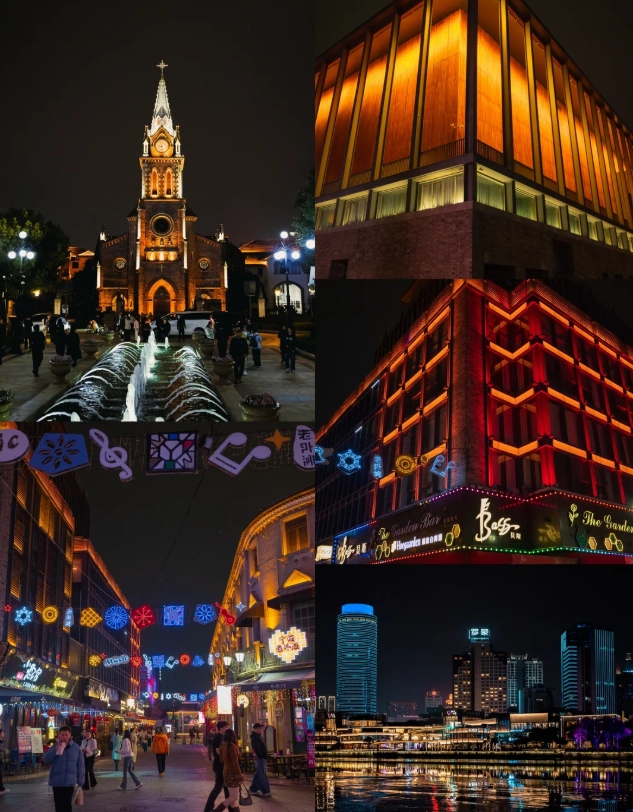
Here’s my no-nonsense advice up front: the single best time to visit any Ningbo historical site is between 7:30 and 9:30 AM — before tour groups flood in and before the heat turns the brick courtyards into ovens. The only ticket you need to book in advance is for Tianyi Pavilion, and I’ll show you exactly how to grab it without a meltdown.
Why Ningbo Historical Sites Deserve a Spot on Your Itinerary
Ningbo is often skipped by first-time travelers rushing from Shanghai to Hangzhou. They miss the deepest layer of Chinese history — this city was a major port on the Maritime Silk Road, and its historical sites aren’t just pretty facades; they’re evidence of a thriving commercial and cultural hub that dates back over 7,000 years (yes, the Hemudu Ruins).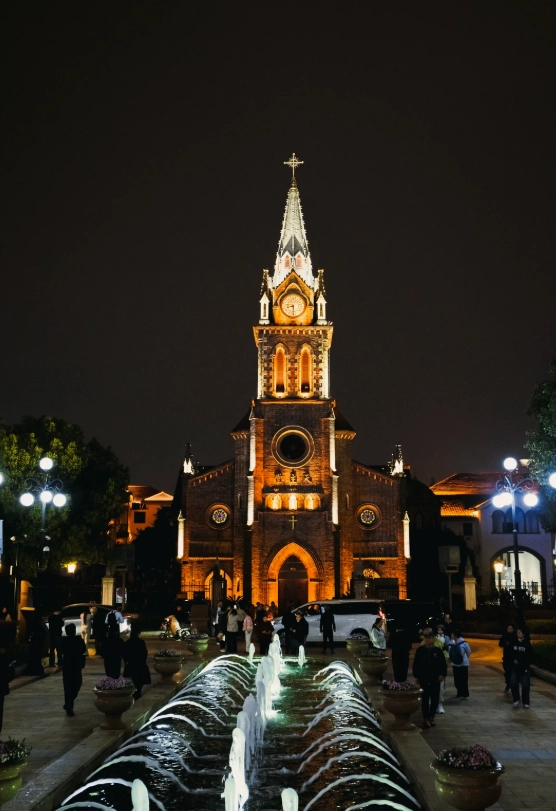
Unlike Beijing’s Forbidden City or Xi’an’s army of soldiers, Ningbo’s historical attractions remain refreshingly quiet. You can actually hear the wind in the bamboo at Tianyi Pavilion, and you might have the entire Baoguo Temple to yourself on a weekday afternoon. That’s a luxury you won’t find at most famous sites in China.
But don’t mistake quiet for boring. These sites cover three distinct eras: the Neolithic Hemudu culture, the Song Dynasty timber craftsmanship, and the Ming-Qing era of merchant guilds and private libraries. That’s a huge span of history wrapped into a single city.
The Top Ningbo Historical Sites You Can’t Miss
I’ve highlighted the five that matter most, based on my own years of dragging jet-lagged clients around. Not all are equally famous — but each one fills a gap in understanding Ningbo’s past.
Tianyi Pavilion: The Oldest Private Library in Asia
Let’s start with the crown jewel. Tianyi Pavilion is the oldest private library in Asia, founded in 1561 by the Ming Dynasty official Fang Qin. But here’s the catch — most visitors walk the beautiful gardens and never step into the actual library building. Because it’s not open for general entry, you’ll only see the exterior from behind a rope. Still, the surrounding compound is a masterpiece of Chinese garden design, complete with ponds, rockeries, and ancient stone inscriptions.
- Address: No. 10, Tianyi Street, Haishu District, Ningbo (宁波市海曙区天一街10号)
- Opening Hours: 8:00 AM – 5:30 PM (last entry at 5:00 PM), closed on Mondays
- Ticket Price: Approximately 30 RMB for adults, with discounts for students and seniors. Prices change occasionally, so confirm at the entrance.
- Required Booking: Yes, especially during Chinese holidays. Foreigners can book via Trip.com or Klook (you’ll need your passport number).
My personal tip: arrive at 8:00 AM when the gates open. The garden is almost empty, and the morning light hits the reading pavilion perfectly. I always tell my clients to skip the audio guide and just wander — you’ll get more from the atmosphere than from the dry Chinese narration.
Baoguo Temple: An Ancient Wooden Marvel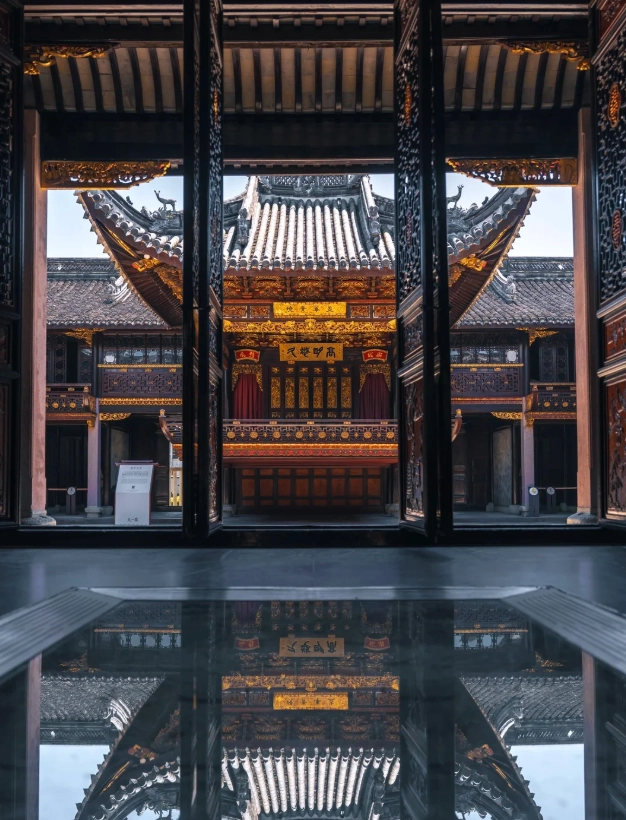
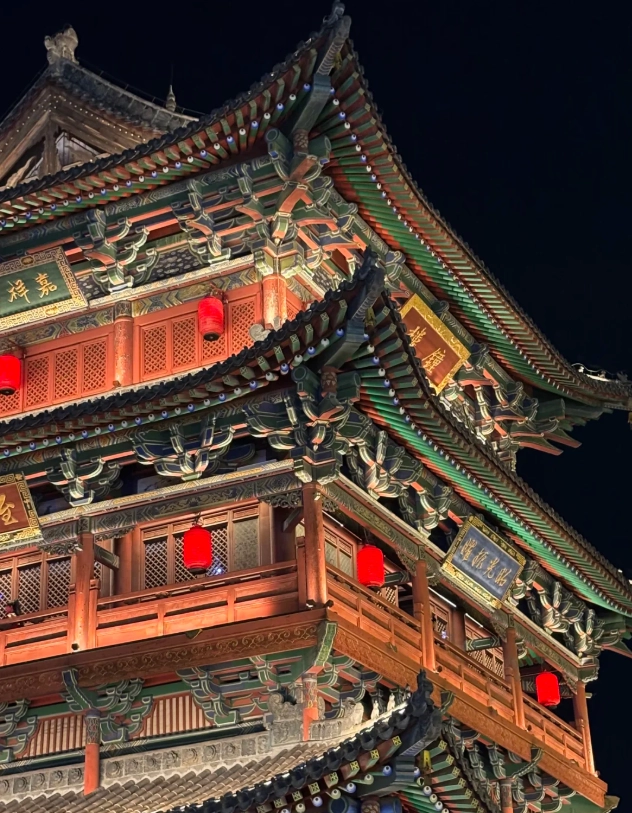
Baoguo Temple is the standout among Ningbo historical sites for architecture buffs. Its main hall, the Mahavira Hall, is a Rare Song Dynasty (11th century) wooden structure that has survived earthquakes and typhoons without a single metal nail. The bracket system (dougong) is so advanced that it alone makes this temple worth the trip.
It’s located on the outskirts of Ningbo, about 20 minutes’ drive from the city center. The temple sits on a hillside, surrounded by lush trees — a peaceful escape from the urban rush. Most travelers group it with the nearby Grand Buddha Temple, but honestly, Baoguo alone is enough.
- Address: 1 Baoguo Temple Road, Jiangbei District, Ningbo (宁波市江北区保国寺路1号)
- Opening Hours: 8:30 AM – 4:30 PM (last entry at 4:00 PM); closed on Mondays
- Ticket Price: Around 15 RMB, but I recommend checking the official WeChat account for the latest updates.
What most visitors miss? Walk up to the rear courtyard after the main hall. There’s a lesser-known stone pagoda stashed away there that offers a fantastic view of the surrounding valley. My clients always love it because it feels like a secret discovery.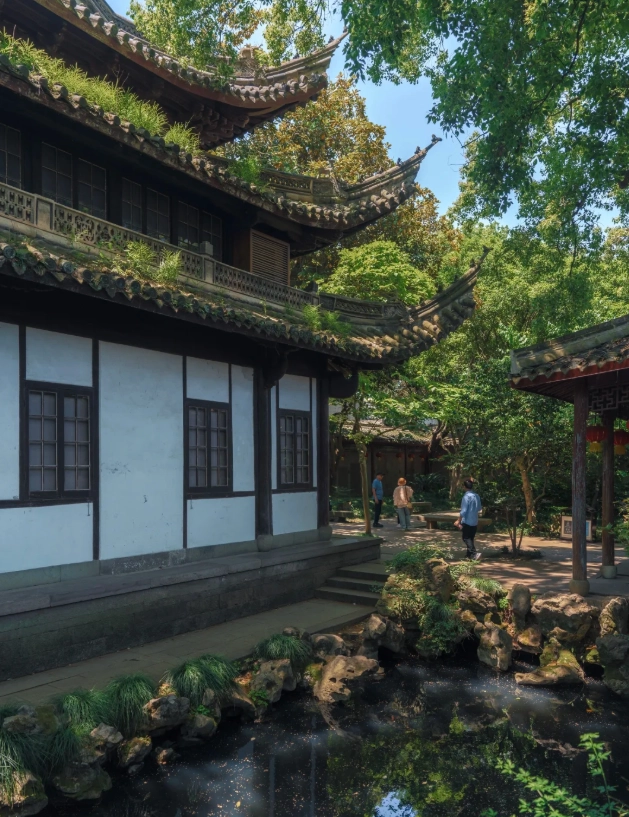
The Ancient City Wall and Drum Tower
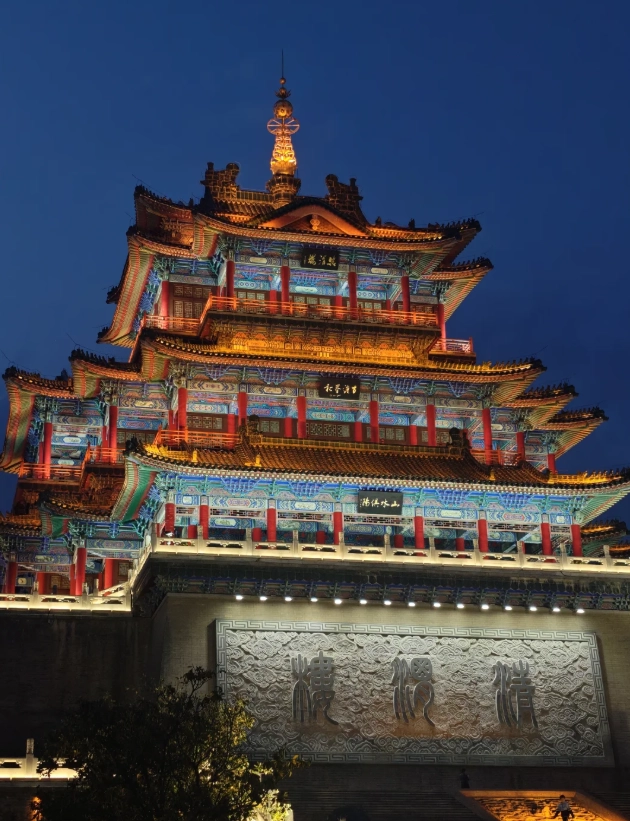
Ningbo once had a massive city wall, but most of it was torn down in the 1920s to build roads. What remains is a short section near the Drum Tower (Gulou), plus the well-preserved Drum Tower itself. The tower, an iconic landmark, has been rebuilt many times, but the foundation dates back to the Tang Dynasty. Today, you can climb to the top and see a small museum about Ningbo’s city history.
- Address: No. 1, Middle Mountain Road East, Haishu District (海曙区中山东路1号)
- Opening Hours: Open 9:00 AM – 5:00 PM, but the tower gate might close early in winter.
- Ticket Price: Climbing the tower is free, but you need a valid ID (passport) to register at the entrance.
The surrounding area is the old city commercial center — a chaotic but delicious mix of snack stalls and phone shops. I always point my clients to the drum-shaped stone near the tower’s base, and then we walk five minutes east to the historical city wall segment, which is hidden behind a modern shopping mall. You’ll see a 200-meter patch of ancient brick with a tablet explaining the original 14-gate layout.
Qing'an Guild Hall: A Real Merchant's House
Now, this one is my personal favorite. The Qing'an Guild Hall (Qing'an Huiguan) is a remarkably preserved example of a merchant guild complex, built in the 19th century by wealthy traders who dominated the sea silk trade. It’s a walled compound with stunning brick carvings, a dramatic opera stage, and rooms filled with memorabilia from the maritime silk road. You can almost imagine the swagger of the traders who controlled China’s foreign exchange before Western gunboats.
- Address: 69 Jiangxia Street, Haishu District (宁波市海曙区江夏街69号)
- Opening Hours: 9:00 AM – 5:00 PM, closed on Tuesdays
- Ticket Price: Around 10 RMB, but it might be included in a combo ticket with Tianyi Pavilion if you’re staying multiple days.
This site is rarely crowded — most tourists skip it because they’ve never heard of it. Yet it’s one of the most atmospheric spots in Ningbo. In the inner courtyard, there’s a small stage where local opera performances are held on weekends. I always arrange my itinerary to hit the guild hall on Saturday mornings and catch a live performance.
Hemudu Ruins: A Step 7,000 Years Back
If you’re fascinated by archaeology, Hemudu Ruins National Archaeological Park will blow your mind. The site is titled“Home of Chinese Civilization” and showcases a Neolithic settlement that flourished on the Yangtze delta more than 7,000 years ago, way before the villagers of central China began farming rice. You’ll see excavated pits still in place, reconstructed wooden houses on stilts, and a small museum with intact rice grains and carved pottery.
- Address: Hemudu Village, Yuyao City, Ningbo (宁波市余姚市河姆渡村)
- Opening Hours: 8:30 AM – 5:00 PM, closed on Mondays
- Ticket Price: Approximately 20 RMB; book in advance on Trip.com to skip the ticket window.
It’s a bit outside the city, about a 40-minute drive. But here’s the thing — the ride passes through some gorgeous rice fields, especially in autumn. I usually suggest you combine this with the City God Temple or a relaxed lunch in Yuyao before heading back.
How to Plan a Half-Day Ningbo Historical Sites Tour
If you only have one morning or afternoon, follow my exact flow. This route balances walking time, photo moments, and meal breaks, and it’s designed to mimic how I lead small groups.
- 8:00 AM – Start at Tianyi Pavilion (take Metro Line 1 to Ximenkou Station, Exit B, then walk 8 minutes). You’ll be the first tourist group in line. Spend 2 hours exploring the gardens, the stone inscriptions, and the underrated carving museum inside the western wing.
- 10:15 AM – Walk less than 10 minutes to the Drum Tower. Grab a quick breakfast from the street stalls just outside the tower gate (try the savory steamed buns and soy milk). Climb the tower for a 10-minute photo op of the old city layout.
- 11:00 AM – Head to Qing'an Guild Hall. Take a 10-minute taxi ride or Metro Line 2 to Chenghuang Miao Station, then walk 5 minutes. Spend 45 minutes soaking in the merchant ambience.
- 12:00 PM – Lunch at a local restaurant near the Guild Hall. I always recommend “Lao Wai Tan” (老外滩) area, but if you want to stay local, just follow the crowds to a noodle shop along Jiangxia Street. Look for “Ningbo rice cakes” and fried river snails.
- 1:30 PM – Finish at the city wall segment near the Drum Tower. It’s just a quick 10-minute visit to get a photo of the ancient brick foundation.
That’s the whole morning, perfectly paced for someone with average fitness. If you’re super energetic, throw in the Baoguo Temple, but be prepared to shift lunch to 1:00 PM.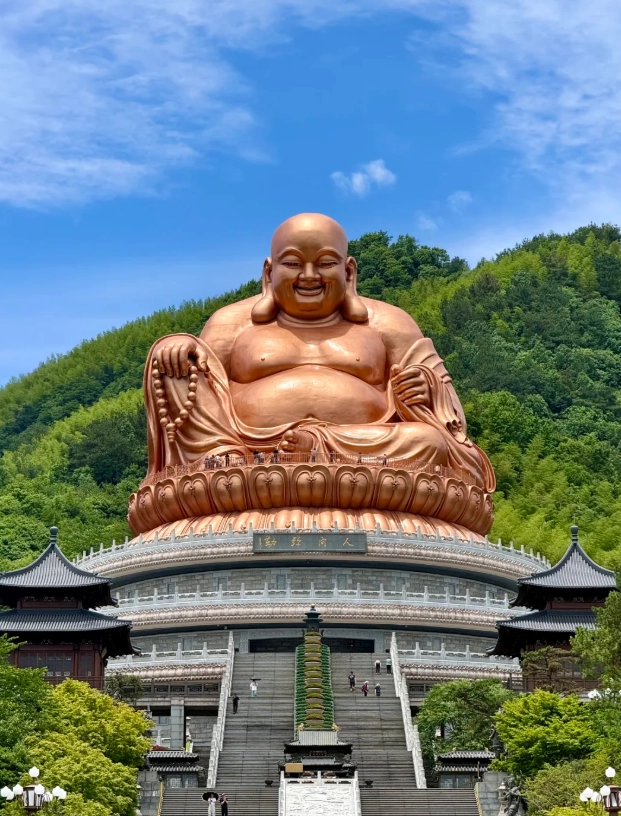
Practical Transport and Navigation Tips
Google Maps does not work properly in China. Apple Maps is fine for transit, because it uses Gaode Maps data. For a more English-friendly navigation experience, download the international version of AMap (called “AMap Global” in the App Store). But even with that, I encourage you to save the Chinese addresses I listed above and show them to taxi drivers or share the text via Alipay’s “call a ride” feature.
| Site | Best Time to Visit | Entry Fee (Approx.) | Recommended Visit Length | Nearest Metro / Route |
|---|---|---|---|---|
| Tianyi Pavilion | 8:00-9:00 AM (before crowds) | 30 RMB | 2 hours | Metro Line 1, Ximenkou Stn, Exit B + 8 min walk |
| Baoguo Temple | Mid-morning (10:00 AM) | 15 RMB | 1.5 hours | Bus 338 or taxi (20 min from center) |
| Drum Tower & City Wall | Anytime, but morning for light | Free | 30 min | Metro Line 1, Gulou Stn, Exit H |
| Qing'an Guild Hall | Late morning (11:00 AM) | 10 RMB | 1 hour | Metro Line 2, Chenghuang Miao Stn, Exit A + 5 min walk |
| Hemudu Ruins | Afternoon (2:00 PM) | 20 RMB | 2 hours | Take bus 406 from Yuyao city center |
One crucial habit I’ve developed: always use online ride-hailing apps (Didi or Amap Taxi) rather than hailing a taxi on the street. Most taxi drivers won’t understand English, and without a Chinese address, you’ll be stuck. The in-app translation service on Didi can notify the driver of your exact location and destination.
If you prefer public transit, the Metro is clean, cheap, and safe. I’d avoid buses unless you’re comfortable reading Chinese characters. A single ride costs 2-4 RMB, and you can pay with an Alipay transit code (see below).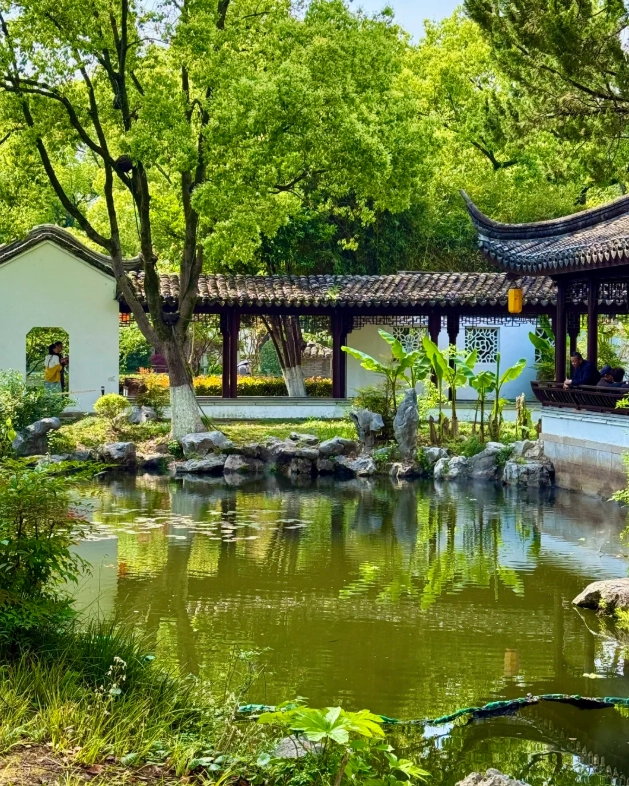
What You Need to Know Before Visiting
Payment: Cash vs. Mobile
- Most ticket windows accept cash, but physical credit cards are not accepted. International cards are almost worthless at local ticket booths.
- The easiest way is to use Alipay (connect your international Visa/Mastercard to your Alipay account). Set up the “Transport” app and scan the QR code to pay for metro.
- If you don’t have Alipay, bring enough cash. You can exchange money at the airport or ATMs, but know that some smaller stalls have zero change.
Passport and Booking
You must carry your original passport to enter all major historical sites, especially Tianyi Pavilion and Hemudu Ruins. The ticket system requires your passport number and name, and you won’t be allowed in if you only have a photo. For peak-season visits, book your ticket in advance via Trip.com or the official WeChat mini-program. If that’s too complicated, just ask your hotel front desk to do it for you — they can usually help.
VP and Internet
Make sure you have a VPN installed before you arrive. Without it, Google, Instagram, and most English resources are blocked. I also recommend downloading offline translation packs in Apple Translate or the Baidu Translate app — this will save you when you’re in an elevator with a shopkeeper who only speaks the Ningbo dialect.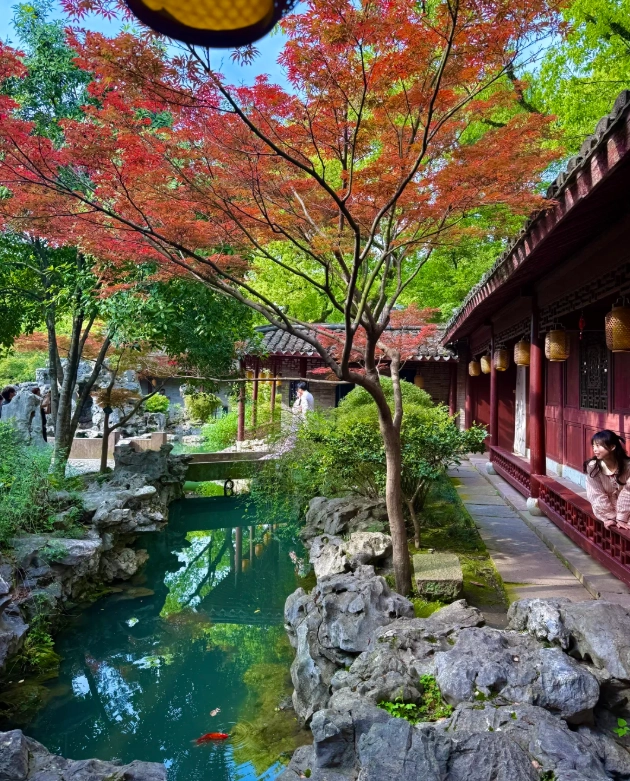
Are Ningbo Historical Sites Worth It? My Honest Take
Look, I’ll be blunt. I’ve seen tourists give a permanent eye roll after seeing one too many “ancient” temples in China. That’s why I’m selective with my recommendations. The real gems are Tianyi Pavilion and Baoguo Temple — they have genuine architectural and historical significance that you can feel even if you know nothing about Chinese history.
The Drum Tower and the city wall are more like a fun pit stop. Great for photos, but not worth a dedicated trip. Hemudu Ruins is a hard sell unless you’re an archaeology nerd or traveling with kids — the site itself is mostly a green park with a neat museum, and it’s a bit out of the way.
But I’ll never forget the first time I showed a retired professor from London around Baoguo Temple. He stood in front of the giant wooden bracket for a full ten minutes, just staring. He later told me it was the most important building he saw in all of China. That’s the kind of power these sites have when you approach them with the right mindset.
Yes, there are some drawbacks. Ticket websites can be glitchy, and English audio guides are almost nonexistent. But that’s also what keeps the crowds away. You’re not here for convenience; you’re here for authenticity.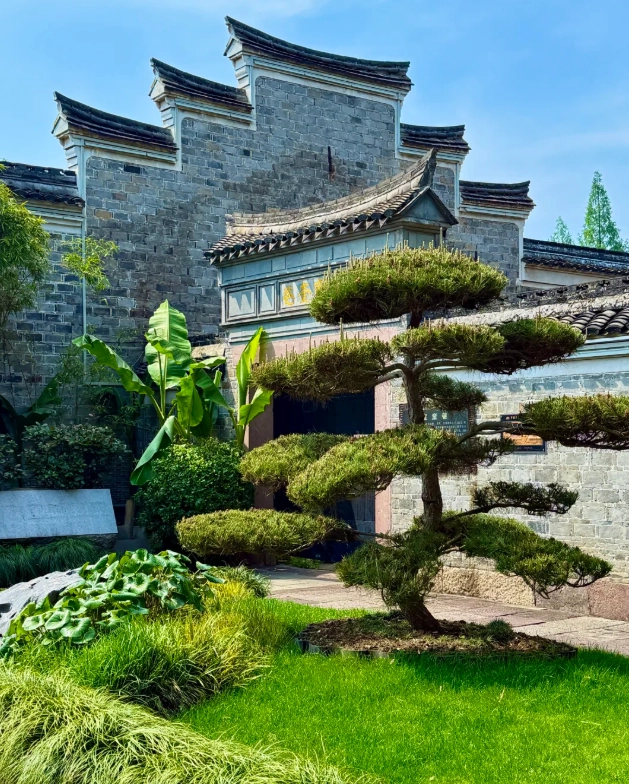
FAQ: Your Biggest Questions About Ningbo Historical Sites Answered
This content has been fact-checked to ensure informational precision.





No comments yet.