 Qiang Huang
What's Inside
- Why Ningbo Tourist Attractions Deserve Your Time
- Top 5 Ningbo Tourist Attractions You Can't Skip
- How to Get Around Ningbo Tourist Attractions Without a Car?
- How to Pay and Book Tickets for Ningbo Tourist Attractions?
- Where to Eat Near Ningbo's Main Sights
- Sample 1-Day and 2-Day Ningbo Itineraries
- Frequently Asked Questions About Ningbo Tourist Attractions
I still remember the first time I brought a group to Ningbo — half of them expected another Hangzhou, and all of them left impressed. Ningbo tourist attractions may not scream for attention like West Lake, but they reward the curious. Here’s the thing: most foreigners struggle with payments, wrong directions from Google Maps, and missing the reservation window. I’ve been there, guiding clients through these exact hurdles. So I wrote this guide to save you time, money, and frustration. The good news? You don’t need a tour bus. Just follow my insider route and beat the chaos. Let’s start with five unmissable sights.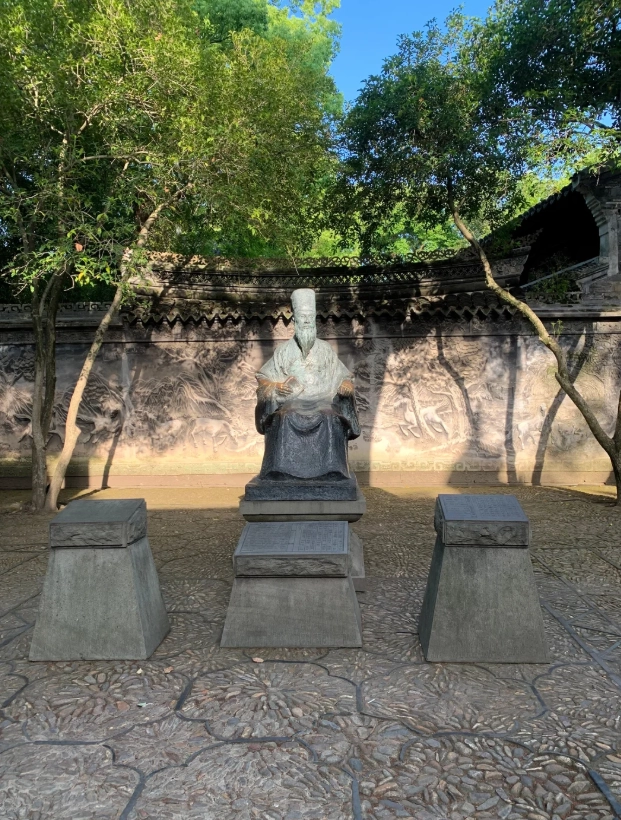
Why Ningbo Tourist Attractions Deserve Your Time
Ningbo sits on the eastern coast, tucked between Shanghai and Hangzhou. It’s been a major port for centuries, but unlike its flashier neighbors, it never became a backpacker magnet. That’s exactly why I love it. You get real Ming-dynasty architecture, a working riverfront, and some of the best seafood in China — all without the selfie sticks.
Another thing: Ningbo is compact. Most of its key sights are scattered across the city, but the metro system ties them together. And the food — oh, the food. Ningbo’s sweet rice balls and braised bamboo shoots will haunt your dreams. Stick with me, and I’ll show you what two decades of guiding has taught me.
Top 5 Ningbo Tourist Attractions You Can't Skip
I’ve narrowed down the essential list. These are the spots I take every first-time visitor, and they never disappoint. Let me walk you through each.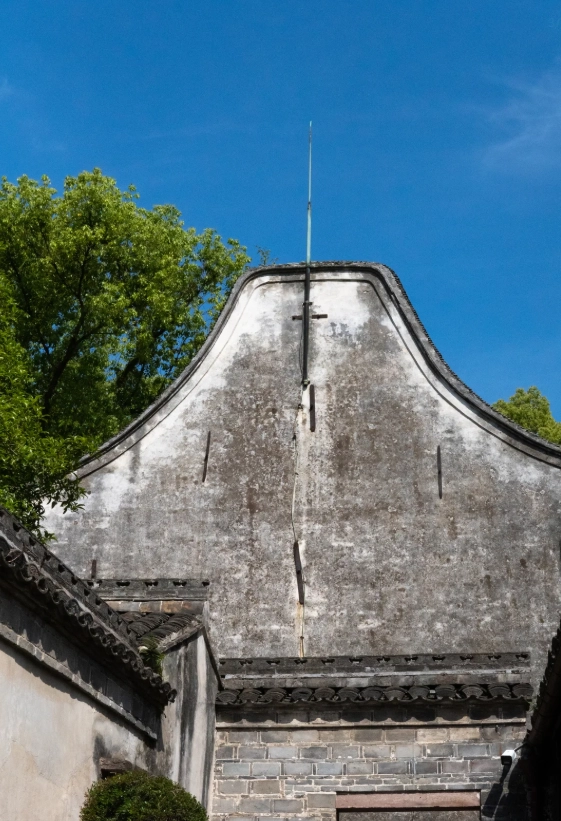
1. Tianyi Pavilion (天一阁) — Asia's Oldest Private Library
Tianyi Pavilion is the crown jewel of Ningbo’s cultural scene, a 450-year-old private library that survived wars, fires, and time. It’s not just a library — the garden, stone carvings, and quiet courtyards make it a museum of literati life.
Practical details: it’s at 81 West Tianyi Lane, Haishu District. Nearest metro is Dongmenkou (Line 1), about a 10-minute walk. Entrance is about 30 RMB (check the official WeChat account for current price). You’ll need your passport to buy a ticket — this is non-negotiable. I always tell my clients to arrive right at 8:30 AM when it opens; by 10 AM, tour groups flood in.
Here’s a tip: the stone pavilion in the back garden is the best photo spot, but it’s also where everyone queues. Go there first, then slowly work your way through the exhibition halls.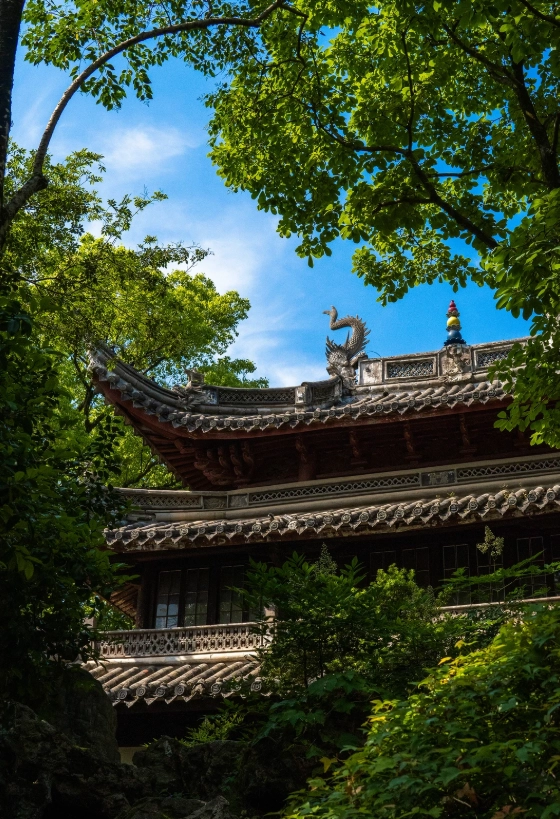
Insider Advice: Avoid using Google Maps to get here. It will send you to a wrong side entrance. Search for the Chinese name 天一阁 and follow the metro directions instead.
2. The Old Bund (老外滩) — Riverside Charm Without the Crowds
The Old Bund is Ningbo’s answer to Shanghai’s famous waterfront, minus the shoulder-to-shoulder chaos. It’s a strip of restored colonial-era buildings along the Yong River, packed with cafes, bars, and street performers. Sunset is magical here.
It’s free and open 24/7, but the real energy kicks in after 7 PM. You can get there by metro: lines 1 or 2 to Gulou, then a 10-minute walk north. Or just take a DiDi — it’s cheap and drops you right at the river.
What many tourists miss: the riverside promenade extends north past the Wa Tan Bridge. Walk that stretch, and you’ll find a quieter pier with fantastic views of the city skyline. Don’t stop at the first crowded plaza.
Pro Tip: If you want a photo without people, come around 6:30 AM. The morning light is soft, and the only company is a few tai chi practitioners.
3. Dongqian Lake (东钱湖) — A Lakeside Escape from the City
Dongqian Lake is Zhejiang’s largest freshwater lake, and it’s where locals go to pedal boats, cycle, and hide from the heat. It’s a 45-minute drive from the city center, but it feels like a different world.
Getting there: take metro line 4 to Dongqian Lake station, then a taxi or shared bike to your spot. The lake is huge, so pick one area: the southern shore near Xiaopu has the best walking trail, while the western shore has temples and tea terraces.
Entry to the lake itself is free, but attractions like the hand-rowed boat (a UNESCO heritage skill) cost extra. I often tell visitors to budget half a day here. Bring a picnic — the lakeside lawns are perfect.
Insider Advice: The lake is often hazy in the afternoon. Go early in the morning for clear views. And don’t pay for a photo boat at the main pier; the ones further south are cheaper and more photogenic.
4. Drum Tower (鼓楼) — The Pulse of Ningbo's Old Town
Drum Tower is a gate tower that anchors the old city’s grid, and the surrounding streets are a maze of snack shops and souvenir stalls. It’s not deep history, but it’s vibrant and fun.
The tower itself is free to walk under, but entering the small museum costs 10 RMB. The real draw is the food street — try the 油赞子 (fried dough twists) and 糖糕 (sugar cake). I always send clients to the shop called 王阿姨油赞子, just north of the tower. Ask for the sweet version, not the salty.
Metro: Gulou Station (Lines 1 and 2), Exit A. The tower is directly in front of you. Best time: late afternoon when the snack stalls come alive and the lights turn on.
Note: this area is always crowded. Keep your phone and wallet in front pockets. I’ve seen too many pickpocket attempts here, and it’s the only place in Ningbo I’m wary of.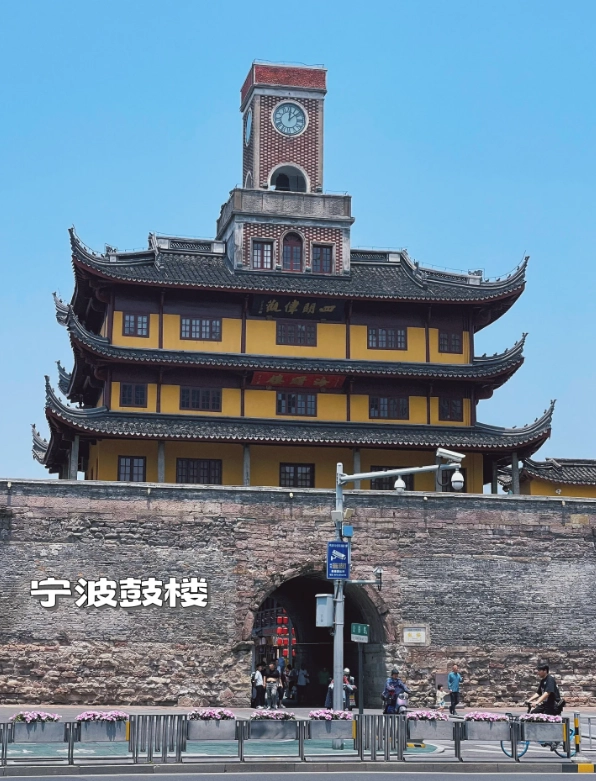
5. Baoguo Temple (保国寺) — A Hidden Wooden Masterpiece
Baoguo Temple is a 1,000-year-old architectural wonder with a Main Hall that still standing entirely without nails. The temple sits on a hill north of the city, far from tourist paths — and that’s exactly why you should go.
How to get there: take metro line 2 to Qingshuipu, then a taxi (about 20 RMB) up the hill. The entrance is 20 RMB. Bring your passport for the ticket. The temple is quiet even on weekends, which makes it a serene break from the city.
Look for the ancient cypress tree in the front courtyard — it’s been documented for 900 years. And the doors of the Main Hall are original Song dynasty wood, which is incredibly rare.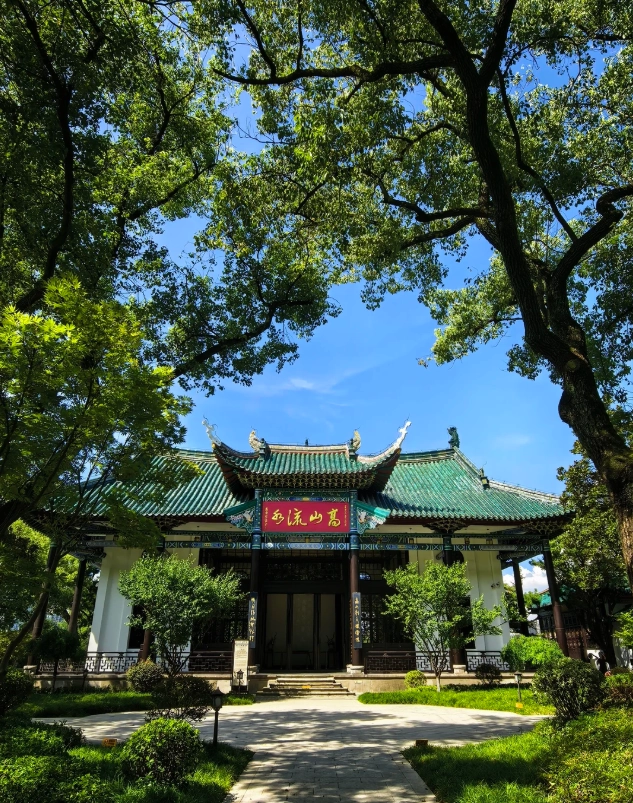
Pro Tip: Combine this with a visit to the nearby Qingshuipu Ancient Town (also free) if you have extra time. It’s a working town, not a tourist set.
How to Get Around Ningbo Tourist Attractions Without a Car?
Ningbo’s metro system is modern and English-friendly. It’s my top recommendation for moving between sights. But here’s the catch: some sights (like Dongqian Lake and Baoguo Temple) require a bus or taxi to connect from the nearest station. I’ve put together a simple comparison.
| Transport | Best For | Cost | Notes |
|---|---|---|---|
| Metro | City center sights (Tianyi Pavilion, Drum Tower, Old Bund) | 2-5 RMB per ride | English signs; buy a single ride ticket at the machine |
| DiDi (Chinese Uber) | Longer trips, late nights, group travel | 20-80 RMB according to distance | App in Chinese; set up with your passport or use your hotel’s help |
| Bus | Budget travel to Dongqian Lake | 2 RMB | Routes in Chinese only; use a translation app |
| Bike sharing | Short hops around the Old Bund | 1-2 RMB per 30 minutes | Dockless bikes; unlock with Alipay or WeChat |
By the way, don’t rely on Google Maps. It’s famously unreliable in Ningbo. Use Apple Maps, which uses local data, or download AMap (‘Gaode’ in English mode). I always tell clients to download offline maps before they arrive.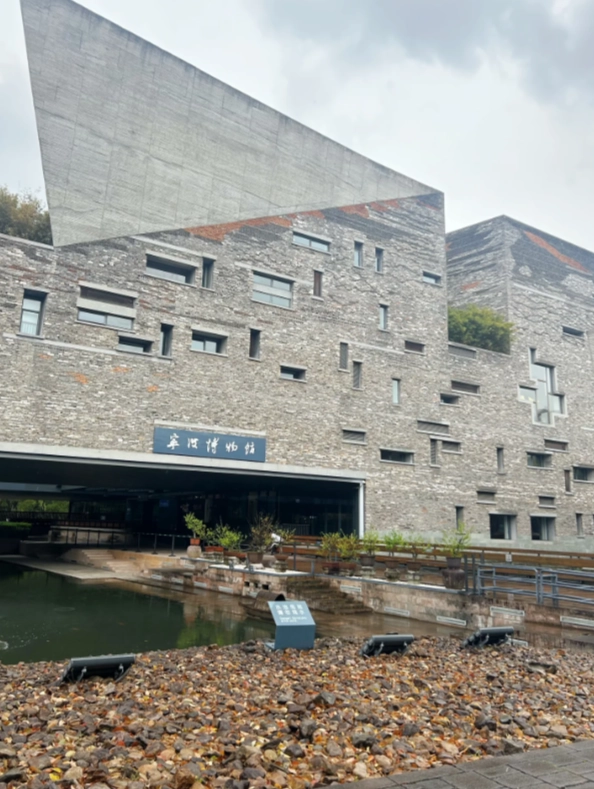
How to Pay and Book Tickets for Ningbo Tourist Attractions?
Here’s where most foreigners stumble. Cash is still accepted at major attractions, but not always at smaller shops. Credit cards (Visa/Mastercard) are nearly useless outside Western-chain hotels.
The safest approach: set up Alipay or WeChat Pay and link your international card. For bookings, many attractions require advance reservation with your passport. The easiest booking platform is Trip.com — it works in English and accepts international payments. I use it constantly. For the more provincial spots, ask your hotel receptionist to book for you on the official WeChat mini-program. Yes, it’s a bit of a hassle, but most staff will happily help.
Here’s what I tell every client:
- Always carry your physical passport. It’s required for tickets and police checks.
- Book Tianyi Pavilion at least one day ahead during holidays.
- The Drum Tower and Old Bund don’t require booking — they’re open-air.
- If you plan to use DiDi, set up Alipay first because the app won’t take cash.
One crucial tip: buy a local SIM card with data when you arrive. Free Wi-Fi is spotty. I recommend a China Unicom tourist card at the airport. It makes everything easier.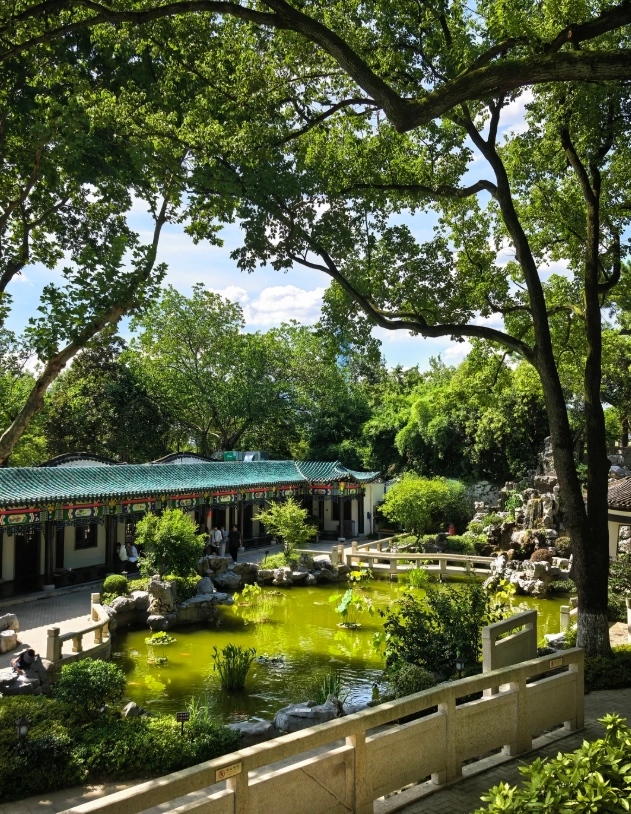
Where to Eat Near Ningbo's Main Sights
Food is half the reason to visit Ningbo. The city is famous for its sweet-savory style and seafood. Here are three spots I take guests to near the tourist circuit.
Gangya Dog (缸鸭狗) — Tangyuan Paradise
This century-old shop is the best place to try Ningbo’s famous glutinous rice balls. The signature filling is sesame and lard, and they’re served in a light ginger soup. It’s at 88 Kaiyuan Street, just a 5-minute walk from Drum Tower. Average cost: 30-50 RMB per person. They have picture menus, so ordering is easy. I always order the walnut tangyuan too — it’s a local favorite.
Lao Wai Tan Seafood Street (老外滩海鲜街)
If you want to eat like a local, hit the seafood street right on the Old Bund. Choose a restaurant with live tanks and point at what you want. I recommend ‘Yun Zhonghe’ for their braised river fish. Prices depend on the catch, but expect 80-150 RMB per person. Be prepared for nods and gestures — very few staff speak English.
Drum Tower Snack Alley
Go hungry. This alley has dozens of stalls serving fried pork dumplings, bamboo rice, and tangyuan in plastic cups. I’m a sucker for the 油赞子 — they look like soft pretzels but crunch like cookies. As for payment, every stall has a QR code for Alipay or WeChat. Cash might be declined, so load up your app.
One practical note: restaurants in Ningbo often close between 2 PM and 5 PM. For dinner, eat early — many places stop serving at 8:30 PM. I’ve seen travelers wander for an hour looking for dinner after 9. Don’t be that person.
Sample 1-Day and 2-Day Ningbo Itineraries
If you only have one day, here’s how to pack in the highlights without burning yourself out:
- 8:30 AM — Tianyi Pavilion. Beat the crowds and the heat.
- 11:00 AM — Walk to Drum Tower. Snack through the food alley.
- 1:30 PM — Take the metro to Dongqian Lake for a late-lunch picnic and a boat ride. (It’s far, so allow 40 minutes by metro plus taxi.)
- 5:00 PM — Head back to the Old Bund. Watch the sunset, have a seafood dinner.
- 8:00 PM — Stroll the riverside, then grab a drink at a local bar.
For two days, add Baoguo Temple and the Ningbo Museum (free, and seriously underrated). There’s also the historic ‘Qingshuipu Ancient Town’ near the temple — perfect for a quiet morning.
Here’s my honest advice: don’t try to do both Dongqian Lake and the temple in one day. They’re in opposite directions. If the weather is bad, swap the lake for the Ningbo Museum — it’s indoors and exceptionally well-designed.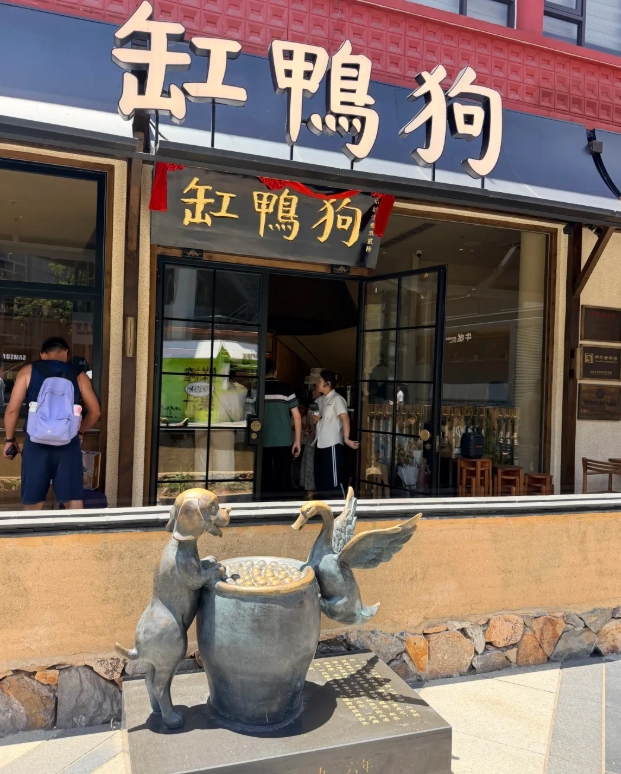
Frequently Asked Questions About Ningbo Tourist Attractions
For most major sights like Tianyi Pavilion and Baoguo Temple, yes, especially during Chinese holidays. The official booking channels often require a Chinese phone number, so I recommend using Trip.com or asking your hotel. Walk-up tickets may be available on weekdays, but don’t rely on it.
In nearly two decades of guiding, I’ve never had a safety issue in Ningbo. Violent crime is virtually nonexistent. The biggest risks are petty pickpocketing in crowded areas like Drum Tower and occasional taxi scams near the train station. Use DiDi or official taxis, and keep your passport and valuables in a zippered bag.
Morning — specifically between opening time and 10 AM. Not only are crowds thin, but the light is great for photos. By midday, the sun is harsh and tour groups arrive. Afternoon hazy light over the lake is also pretty, but it’s not worth the hassle. I always tell clients to start early and rest during the hottest hours.
At the ticket booths of major attractions, cash is accepted, but credit cards are rarely taken. Inside souvenir stalls and small restaurants, it’s almost all QR-code payments. So set up Alipay or WeChat before you arrive. If you only have cash, carry small bills (10 and 20 RMB) and be prepared for change. It’s workable but inconvenient. Some ATMs issue cash, but they’re not everywhere.
Mixed. Tianyi Pavilion and the Old Bund have flat, paved paths, but step-free access isn’t consistent inside older buildings. Dongqian Lake’s boardwalk is accessible. Baoguo Temple involves steep stairs and is tricky. If you have mobility concerns, I’d focus on the Old Bund, the waterfront, and the Ningbo Museum, which is fully accessible with elevators.
This content has been fact-checked to ensure informational precision.





No comments yet.